
Known for
 6.2
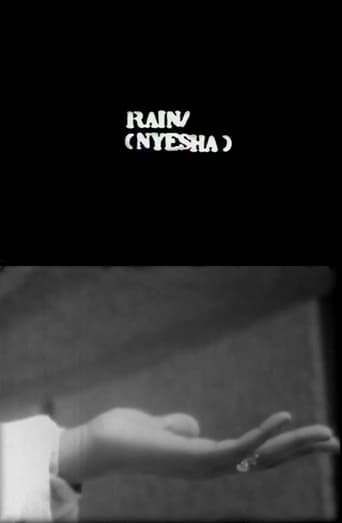
Director Melvonna Ballenger’s Rain (Nyesha) shows how awareness can lead to a more fulfilling life. In the film, a female typist goes from apathetic to empowered through the help of a man giving out political fliers on the street. Using John Coltrane’s song “After the Rain,” Ballenger’s narration of the film meditates on rainy days and their impact. The rain in this short film doesn’t signify defeat, but offers renewal and “a chance to recollect, a cool out.”
Rain (Nyesha)
1978
 NR
A work-in-progress about middle class African American parents discussing why they have ordered their daughter to get rid of her afro.
Nappy-Headed Lady
1983
Behind the camera
6.2Director Melvonna Ballenger’s Rain (Nyesha) shows how awareness can lead to a more fulfilling life. In the film, a female typist goes from apathetic to empowered through the help of a man giving out political fliers on the street. Using John Coltrane’s song “After the Rain,” Ballenger’s narration of the film meditates on rainy days and their impact. The rain in this short film doesn’t signify defeat, but offers renewal and “a chance to recollect, a cool out.”
Rain (Nyesha)
1978
NRA work-in-progress about middle class African American parents discussing why they have ordered their daughter to get rid of her afro.
Nappy-Headed Lady
1983