
Acting
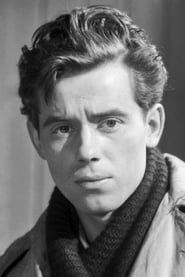
Tadeusz Janczar
Born — Died
1926-04-25 — 1997-10-31
Place of birth
Warsaw, Poland
Known for
Acting
Credits
35 titles
Known for
 7.3
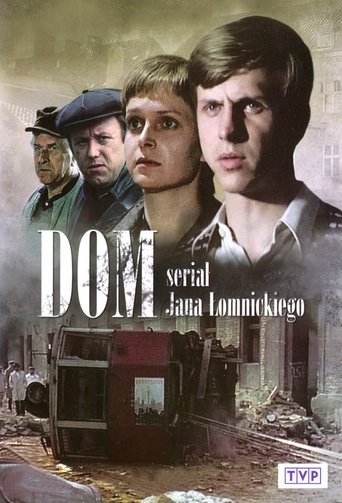
7.3The story of the residents of a tenement house on Złota Street in Warsaw from 1945 to 1980.
Dom
1980
 7.0
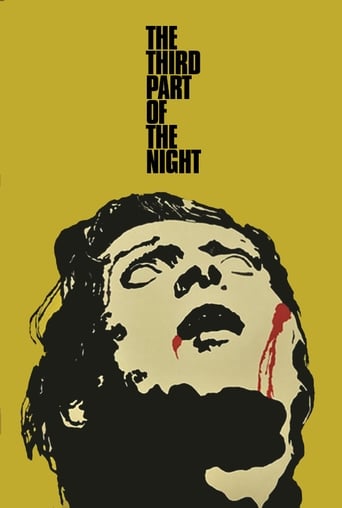
7.0Set during the Nazi occupation of Poland, the story follows Michał, who witnesses the murder of his mother, wife and child and then is hurled into a life that is not his own; a surreal world littered with trapdoors, doppelgängers and wormholes.
The Third Part of the Night
1972
 8.0
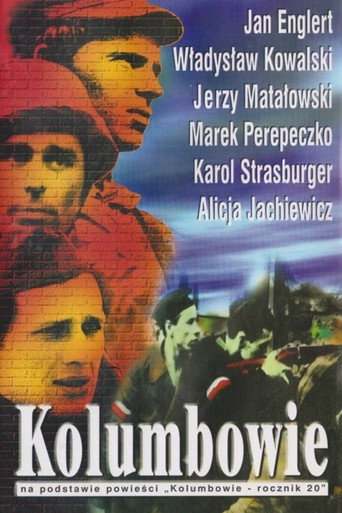
8.0Kolumbowie follows a group of Polish resistance fighters during WWII in the days leading up to the Warsaw Rising.
Colombuses
1970
 7.6
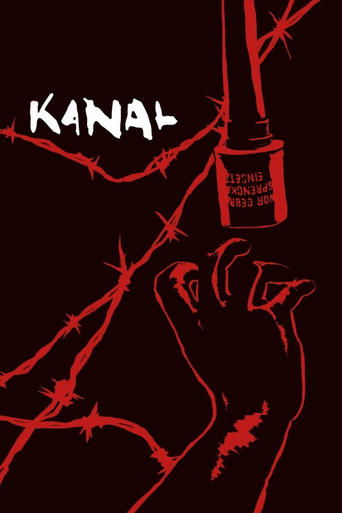
7.6In the last few days of the Warsaw Uprising during World War II, a modest group of Resistance members remains. The band must take refuge in the sewers under the orders of leader Zadra, but it's only a matter of time before they will have to emerge. However, when they try, they are met only with intense hostility from the Nazis. Despite their attempts stay resolute through immense mental strain, it becomes increasingly apparent that they may be doomed.
Kanal
1957
 6.9
6.9Stach is a wayward teen living in squalor on the outskirts of Nazi-occupied Warsaw. Guided by an avuncular Communist organizer, he is introduced to the underground resistance—and to the beautiful Dorota. Soon he is engaged in dangerous efforts to fight oppression and indignity, maturing as he assumes responsibility for others’ lives.
A Generation
1955
 6.6
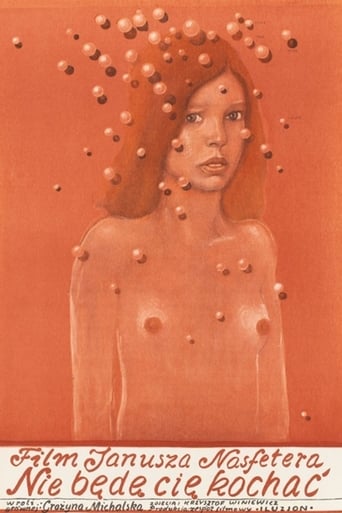
6.6In an idyllic working class community, 13 year old Anka grows up, going through stages of adolescence, dreaming, first love and gossiping with girlfriends. Roughly disturbed by the shame and disgrace of alcoholism - leaves unwashable stains upon the community, that tries to cope with abuse and depression, and the system (including school teachers) who try to avoid the subject. This story was aimed at parents, to give them morally an insight into what happens when a young girl has to deal with the disgrace of an alcoholic father and a mentally instable mother.
I Won't Love You
1974
Film credits
1980s · 3 titles
 10.0
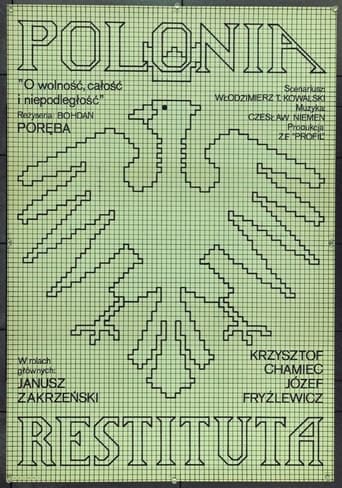
10.0A two-part historical film covering the years of the First World War and the post-war period up to 1919 - until the signing of the peace treaty in Versailles near Paris. An attempt to show the great and complicated process of regaining an independent existence by a nation within its own state. The screen shows characters from history textbooks: Józef Piłsudski, Ignacy Paderewski, Roman Dmowski, Wojciech Korfanty as well as representatives of the world political scene, incl. David Lloyd George, Woodrow Wilson, Georges Clemenceau, Vladimir Lenin and others.
Polonia Restituta
1981
 8.0
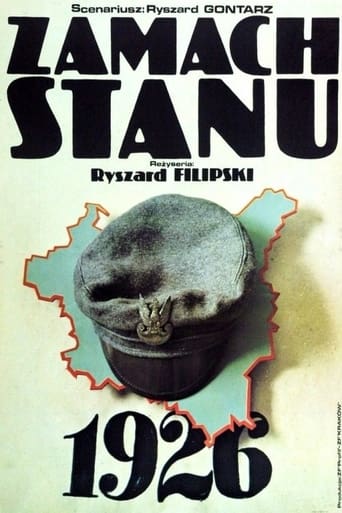
8.0Fall 1925. Six hundred officers demonstrate in front of Józef Piłsudski’s country house in Sulejówek, demanding the Marshal’s return to active political life. May 1926—a government crisis; Wincenty Witos forms a new government. Piłsudski’s move sparks clashes between supporters and opponents of the ousted government. Piłsudski appoints Kazimierz Bartel as prime minister. The beginning of the “moral reform.” Ignacy Mościcki becomes president. Summer 1930. A joint platform of opponents to the Sanacja government is formed. “Centrolew” is established.
Zamach stanu
1981
Jerzy and Zofia are offered a job in Africa. A married couple is faced with the dilemma of leaving or taking care of the man's mother and her sister.
Nothing Stands in the Way
1981
1970s · 16 titles
7.0Set during the Nazi occupation of Poland, the story follows Michał, who witnesses the murder of his mother, wife and child and then is hurled into a life that is not his own; a surreal world littered with trapdoors, doppelgängers and wormholes.
The Third Part of the Night
1972
6.6In an idyllic working class community, 13 year old Anka grows up, going through stages of adolescence, dreaming, first love and gossiping with girlfriends. Roughly disturbed by the shame and disgrace of alcoholism - leaves unwashable stains upon the community, that tries to cope with abuse and depression, and the system (including school teachers) who try to avoid the subject. This story was aimed at parents, to give them morally an insight into what happens when a young girl has to deal with the disgrace of an alcoholic father and a mentally instable mother.
I Won't Love You
1974
 5.8
5.8In a bucolic Polish hamlet, the tense relationship between a father and son reaches a boiling point when the men lose their hearts to the same woman and vie for her affections. Based on Wladyslaw Reymont's Nobel Prize-winning book and helmed by Jan Rybkowski, this theatrical release (starring Krzystof Chamiec, Wladyslaw Hancza and Emilia Krakowska) was culled from a 13-episode miniseries that aired on Polish television in 1972.
The Peasants
1973
 6.1
6.1Film opens with the mad rush of haphazard freedom as the concentration camps are liberated. Men are trying to grab food, change clothes, bury their tormentors they find alive. Then they are herded into other camps as the Allies try to devise policy to control the situation. A young poet who cannot quite find himself in this new situation, meets a headstrong Jewish young girl who wants him to run off with her, to the West. He cannot cope with her growing demands for affection, while still harboring the hatred for the Germans and disdain for his fellow men who quickly revert to petty enmities.
Landscape After Battle
1970
 NR
NROriginally, Munk intended Eroica to be a triptych with Con bravura being the first part, but he ultimately gave up on this film, deeming it weaker artistically than the two counterparts. Con bravura is about conspiracy conflating the paths of a rather unconventional nun and an intrigued young man – each of them bears secrets and the encounter could incite a flaming romance, though one suffocated by war.Munk set the film in the mountain capital of Zakopane and its vicinity, allowing breathtaking views from a cable car and using his experiences of the Nazi occupation in the area to add gritty reality. The director plays a cameo as a priest with several of his industry friends also making appearances.
Con bravura
1972
 9.0
9.0Young man struggles with being rejected by society.
Zabijcie czarną owcę
1972
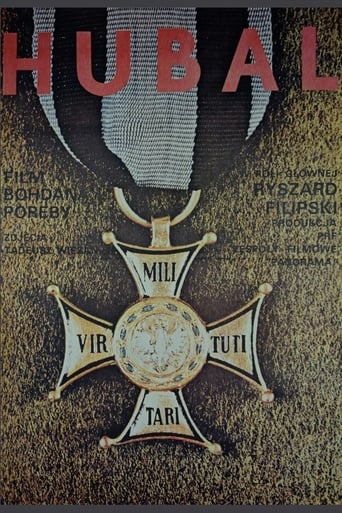 7.4
7.4Major Henryk "Hubal" Dobrzański refuses to surrender to the Germans in the wake of the 1939 campaign and continues to lead his regiment in guerilla warfare against the invaders.
Hubal
1973
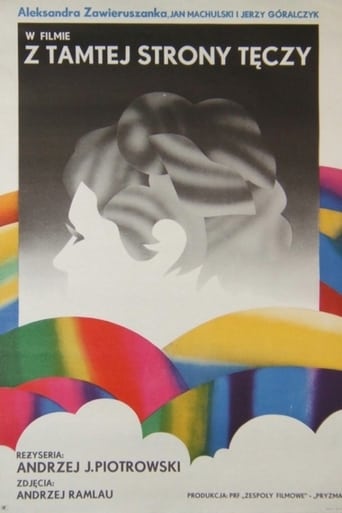 4.6
4.6Teresa is an attractive 30-year-old doctor. She divides her stable life between work, caring for her younger sister Ania, a high school student, and her romance with Jan, a well-off lawyer who wants to marry her. However, Teresa postpones her decision to marry until Ania becomes independent. One day, she unexpectedly meets Tomek, a young photographer, who soon confesses his love to her, making her question her loyalty to Jan.
Z tamtej strony tęczy
1973
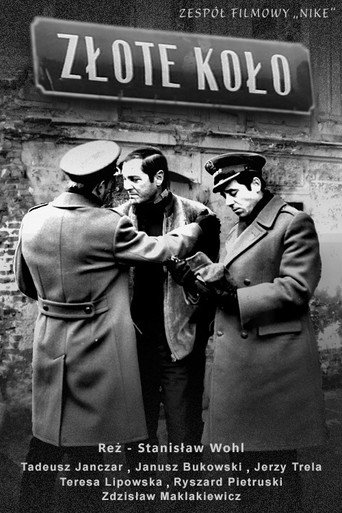 7.3
7.3An unknown man brings a wounded boy from a hospital and prompty walks away. The boy soon dies and the militia captain Budny begins an investigation, leading him deep into a web of crime.
Złote koło
1971
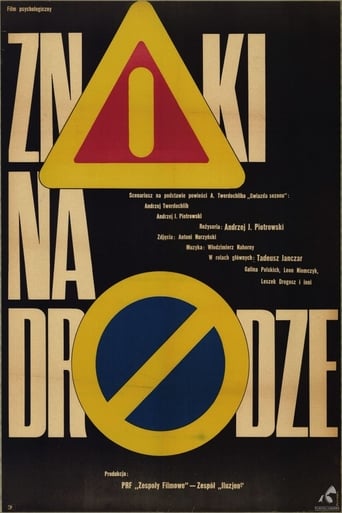 10.0
10.0A new transport base employee rises up against corruption in the workplace.
Signs on the Road
1970
After an accident in a smelter plant kills two workers a crane operator decides to take full responsibility.
Facing the Truth
1970
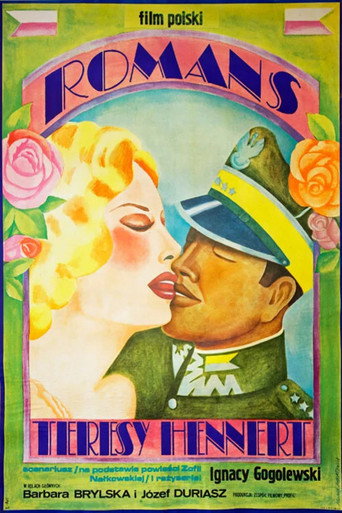 9.0
9.0Adaptation of Zofia Nałkowska’s 1924 novel. Set in Warsaw in the early 1920s, it explores the disillusionment of Poland’s early independence years through the fates of two officers. Lt. Gondziłło, seduced by corrupt elites and a young woman, ends up arrested for fraud. Meanwhile, Col. Omski becomes fatally obsessed with Teresa, the wife of a powerful official. Their tragic romance is only a backdrop for a broader critique of a young state plagued by ambition, hypocrisy, and moral decline.
Romans Teresy Hennert
1978
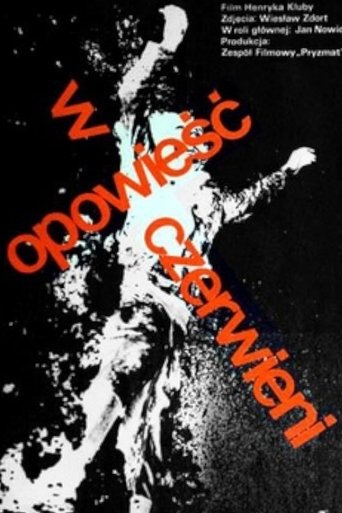 9.0
9.0Former soldier take up a fight with a bunch who attacks his home village
A Story in Red
1974
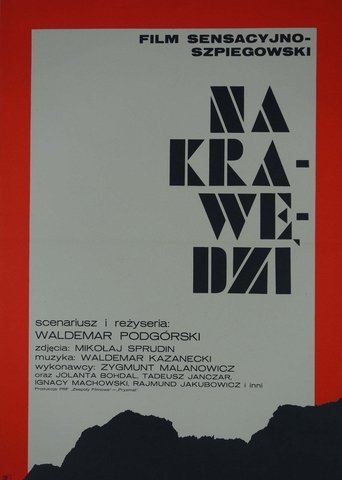 9.0
9.0A Polish counterintelligence officer infiltrates a spy network in Munich.
Na krawędzi
1973
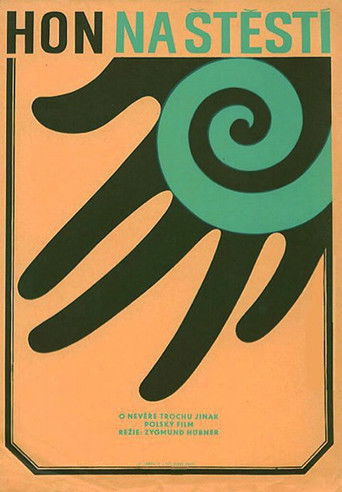 6.0
6.0A seamstress who leads a stable life falls in love with her daughter's teacher.
Chase
1971
A psychologist is asked about a scientific consultation with a girl who attempted suicide.
Something for Something
1977
1960s · 6 titles
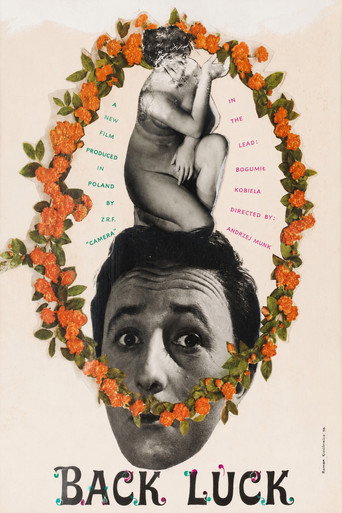 6.8
6.8To convince the prison warden against releasing him, a middle-aged Polish man recounts his life, one he considers to have been characterized by exceptionally bad luck.
Bad Luck
1960
 7.0
7.0Instead of coming to her own engagement party, Joanna throws herself into New Year's Eve partying. Her fiancé follows her lead.
Dziewczyna z dobrego domu
1962
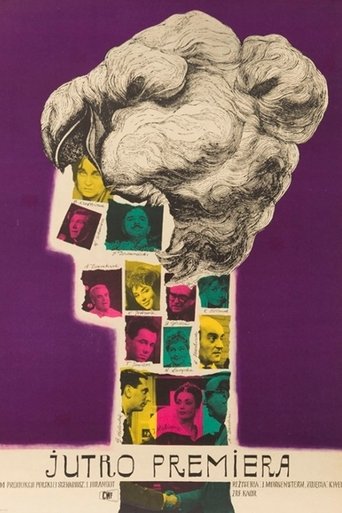 7.7
7.7A budding playwright is thrilled to find out that his play will be performed at a prestigious theater, but a series of problems pile up, along with the general feeling that opening night will be disastrous.
Opening Tomorrow
1962
Newcomers from a foreign planet cannot find themselves in the earthly realities.
Martians
1967
On the last day of the war, a Polish soldier whose family was murdered meets his German enemy.
Nazajutrz po wojnie
1966
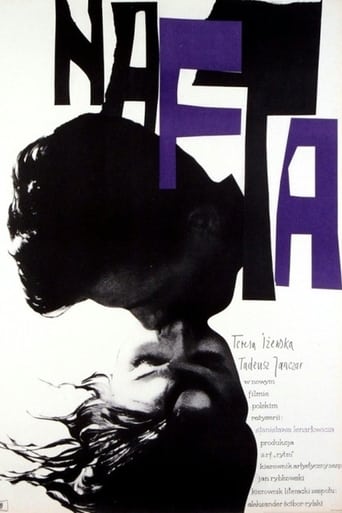 7.5
7.5Szymek, a young man at clash with his home village takes up a job as a geologist and marries a girl whose parents dissaprove of him.
Nafta
1961
1950s · 8 titles
7.6In the last few days of the Warsaw Uprising during World War II, a modest group of Resistance members remains. The band must take refuge in the sewers under the orders of leader Zadra, but it's only a matter of time before they will have to emerge. However, when they try, they are met only with intense hostility from the Nazis. Despite their attempts stay resolute through immense mental strain, it becomes increasingly apparent that they may be doomed.
Kanal
1957
6.9Stach is a wayward teen living in squalor on the outskirts of Nazi-occupied Warsaw. Guided by an avuncular Communist organizer, he is introduced to the underground resistance—and to the beautiful Dorota. Soon he is engaged in dangerous efforts to fight oppression and indignity, maturing as he assumes responsibility for others’ lives.
A Generation
1955
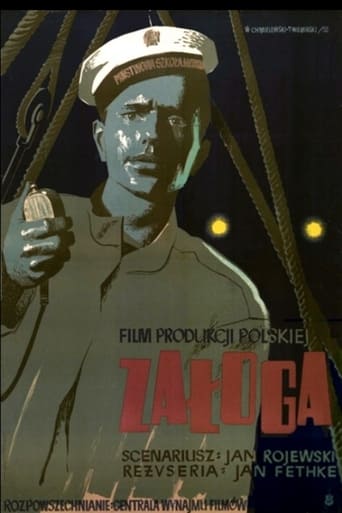 8.0
8.0Antek is an inexperienced seaman favored by his teachers. On his first trip to the sea he learns the hardships of the work and almost causes a tragedy.
Załoga
1952
 5.9
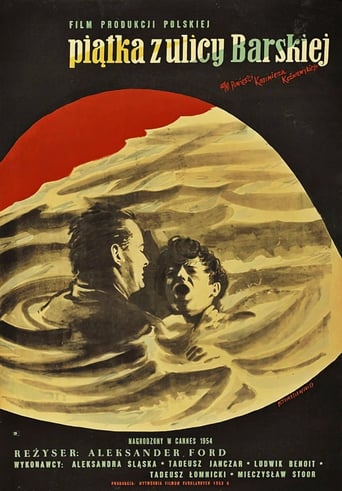
5.9In war-ravaged Warsaw, five juvenile delinquents are given probation for stealing, to rehabilitate themselves, but remain under the influence of their profiteer-boss.
Five Boys from Barska Street
1954
 10.0
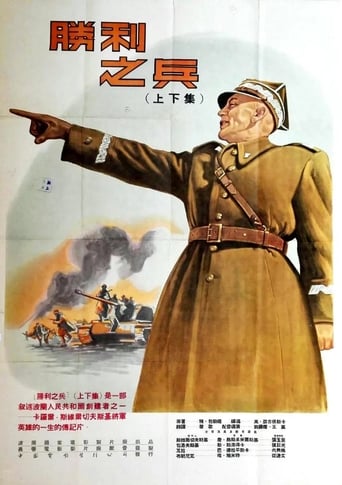
10.0Two-part biopic about General Karol Świerczewski, living embodiment of the party line, and the group of party members from his hometown fighting the fascist forces towards the socialist state of affairs.
Soldier of Victory
1953
 5.6
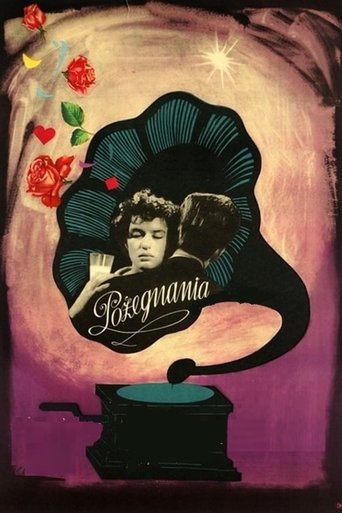
5.6The story takes place before World War II and centers on Pawel, a member of a conservative, middle-class family, and his love for Lidka, a taxi dancer. Social conventions and the lovers' inability to defy those forces Pawel and Lidka benefit. Times change, war breaks out, leading to Pawel sent to Auschwitz while Lidka marry his cousin. Their love has survived and conventions are no longer the issue.
Farewells
1958
Karwowski, son of a pre-war colonel, is transferred from the West to Poland with the task of assembling a spy and diversion network. The task seems to be easy. However, after landing in Poland, it turns out that nobody wants to cooperate with him. Karwowski's "100% reliable" contacts with potential collaborators turn out to be completely outdated.
Career
1955
 6.5
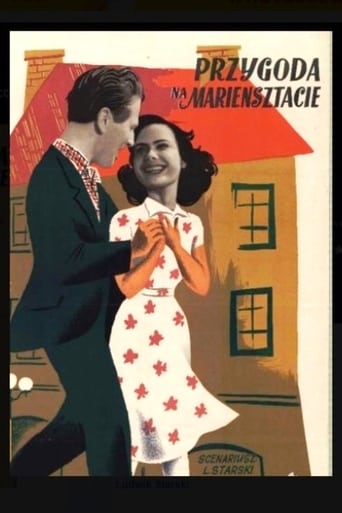
6.5While visiting Warsaw, Hanka falls for a record-breaking bricklayer. She returns to the city to work at construction sites and prove that women can work as hard as men
Adventure in Marienstadt
1954