

Acting
Francis Lederer
Born — Died
1899-11-05 — 2000-05-25
Place of birth
Prague, Bohemia, Austria-Hungary [now Czech Republic]
Known for
Acting
Credits
63 titles
From Wikipedia, the free encyclopedia. Francis Lederer (November 6, 1899 – May 25, 2000) was a Czech-born film and stage actor with a successful career, first in Europe, then in the United States. His original name was František Lederer. Lederer's first American movies were Man of Two Worlds (1934), Romance in Manhattan (1934), with Ginger Rogers, The Gay Deception (1935), with Frances Dee, and One Rainy Afternoon (1936). He was cast as the lead with Katharine Hepburn in the 1935 film Break of Hearts, but the producers replaced him with Charles Boyer. It was Irving Thalberg's plan to make Lederer "the biggest star in Hollywood" but the death of Thalberg ended this possibility. Although he…
Known for
 5.3
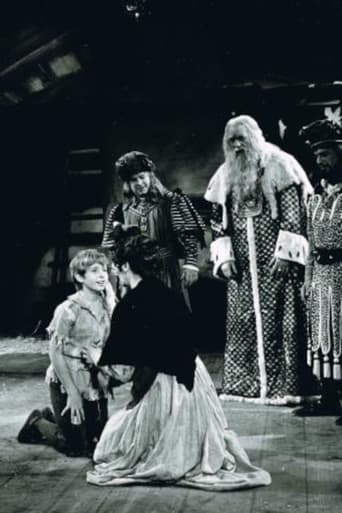
Matinee Theater is an American anthology series that aired on NBC during the Golden Age of Television, from 1955 to 1958. The series, which ran daily in the afternoon, was frequently live. It was produced by Albert McCleery, Darrell Ross, George Cahan and Frank Price with executive producer George Lowther. McCleery had previously produced the live series Cameo Theatre which introduced to television the concept of theater-in-the-round, TV plays staged with minimal sets. Jim Buckley of the Pewter Plough Playhouse recalled: When Al McCleery got back to the States, he originated a most ambitious theatrical TV series for NBC called Matinee Theater: to televise five different stage plays per week live, airing around noon in order to promote color TV to the American housewife as she labored over her ironing. Al was the producer. He hired five directors and five art directors. Richard Bennett, one of our first early presidents of the Pewter Plough Corporation, was one of the directors and I was one of the art directors and, as soon as we were through televising one play, we had lunch and then met to plan next week’s show. That was over 50 years ago, and I’m trying to think; I believe the TV art director is his own set decorator —yes, of course! It had to be, since one of McCleery’s chief claims to favor with the producers was his elimination of the setting per se and simply decorating the scene with a minimum of props. It took a bit of ingenuity.
Matinee Theater
1955
 7.6
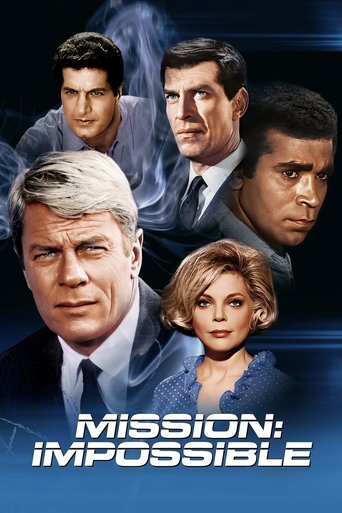
Mission: Impossible is an American television series that was created and initially produced by Bruce Geller. It chronicles the missions of a team of secret government agents known as the Impossible Missions Force. In the first season, the team is led by Dan Briggs, played by Steven Hill; Jim Phelps, played by Peter Graves, takes charge for the remaining seasons. A hallmark of the series shows Briggs or Phelps receiving his instructions on a recording that then self-destructs, followed by the theme music composed by Lalo Schifrin. The series aired on the CBS network from September 1966 to March 1973, then returned to television for two seasons on ABC, from 1988 to 1990, retaining only Graves in the cast. It later inspired a popular series of theatrical motion pictures starring Tom Cruise, beginning in 1996.
Mission: Impossible
1966
 5.4
An American radio–television anthology series, created in 1947 by Canadian director Fletcher Markle, who came to CBS from the CBC. Studio One, presented by Westinghouse, was one of the first of the anthology TV programs. The episodes were often abridged remakes of movies from years gone by and many future well-known television and movie actors appeared in the productions.
Studio One
1948
 6.0
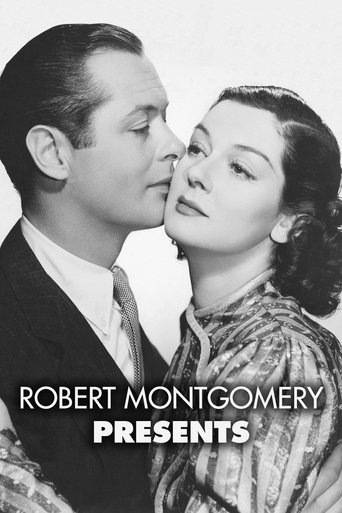
Robert Montgomery Presents is an American dramatic television series which was produced by NBC from January 30, 1950 until June 24, 1957. The live show had several sponsors during its seven-year run, and the title was altered to feature the sponsor, usually Lucky Strike cigarettes, for example, Robert Montgomery Presents Your Lucky Strike Theater, ....The Johnson's Wax Program, and so on.
Robert Montgomery Presents
1950
 6.6
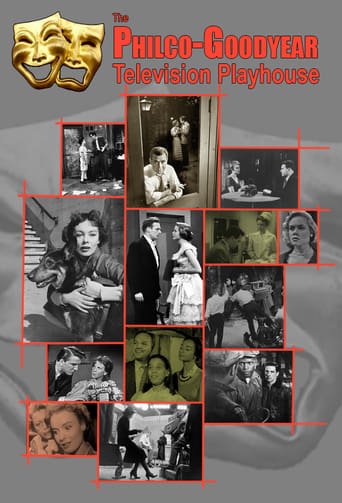
The Philco Television Playhouse is an American anthology series that was broadcast live on NBC from 1948 to 1955. Produced by Fred Coe, the series was sponsored by Philco. It was one of the most respected dramatic shows of the Golden Age of Television, winning a 1954 Peabody Award and receiving eight Emmy nominations between 1951 and 1956.
The Philco Television Playhouse
1948
 5.9
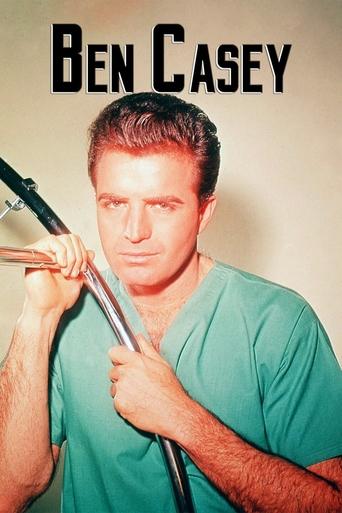
No synopsis available yet.
Ben Casey
1961
Film credits
1990s · 4 titles
 10.0
A retrospective of Dracula's appearances in film. It includes trailers and scenes from many Dracula-related films. There is an emphasis on films which feature the actors Bela Lugosi and Christopher Lee, as they portrayed the most popular versions of Dracula. Also covered are films depicting sons and daughters of Dracula, and Dracula-like vampires. Many of the trailers focus on the beauty of Dracula's victims, or the beauty of female vampires.
Dracula in the Movies
1992
 6.9
American Documentary, narrated by Christopher Lee
A Century of Science Fiction
1996
 9.5
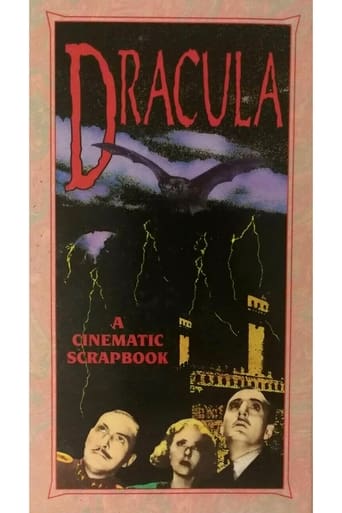
A history of the famous vampire of books and movies, using film clips, previews and other methods.
Dracula: A Cinematic Scrapbook
1991
 7.0
This film essay explores the strange case of G.W. Pabst, the Austrian filmmaker who was considered a giant of early cinema before his reputation went behind a cloud.
The Other Eye
1991
1950s · 10 titles
 5.6
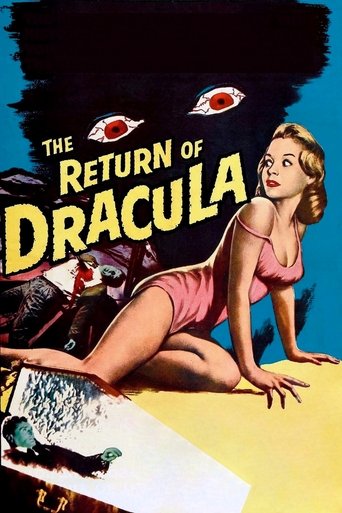
After a vampire leaves his native Balkans, he murders a Czech artist, assumes his identity, and moves in with the dead man's American cousins.
The Return of Dracula
1958
 5.8
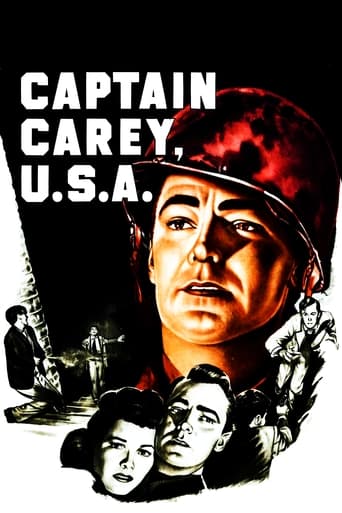
Near the end of World War II, a secret American raid on an enemy transportation hub goes very wrong when a turncoat warns the enemy. Led by Capt. Webster Carey, the mission causes the deaths of many bystanders -- among them, Carey believes, his Italian girlfriend, Giulia de Graffi. Back home, Carey stumbles across evidence that might uncover the identity of the informant. But, when he returns to Italy to get even, Carey is stunned by what he finds.
Captain Carey, U.S.A.
1950
 4.9
While on leave in Paris, a G.I. pursues an ambassador's daughter. Meanwhile she's out to prove to her father that soldiers can be gentlemen, too.
The Ambassador's Daughter
1956
 6.5
For Capt. Robert John Evans, smuggling black-market goods is nothing out of the ordinary. But one day he's hired by Aristides Mavros for a more involved assignment -- sneaking an imprisoned American out of communist-controlled territory. The job seems challenging enough, but when he meets the prisoner's sultry wife, Sylvia, he realizes his mission comes with a startling catch: Not only must he rescue this man, he must bring him back from the dead.
Lisbon
1956
 7.0
Ice-cold college dean Susan Middlecott feels there's no room in her life for romance. Enter Prof. Alec Stevenson, British lecturer on astronomy, touring North America and in possession of a keepsake of Susan's he wants to return. Desperate for publicity, lecture bureau press agent Teddy Evans magnifies this into a great romance. The efforts of both dignified principals to quash the story have the opposite effect; matters get more and more involved.
A Woman of Distinction
1950
 4.5
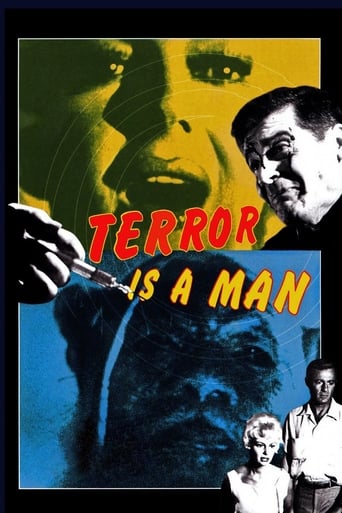
A mad scientist transforms a panther into a man-like creature that escapes and goes on a murderous rampage.
Terror Is a Man
1959
 4.8
Violet Barton, a femme-fatale goal-setter, fascinates men and readily returns their affection to obtain the wealth she desires, even to the point of bigamy. She has an affair with gambler Gregg Delaney but marries his best friend, Johnny Hale, when she discovers Hale is the richest man in Texas. This loses her the respect of her sister, Janet, who loves Hale, and Delaney, who loves Violet. Meanwhile, town sheriff Bill Howard is working hard to get Delaney to confess to a murder.
Surrender
1950
 6.5
A firefighter is sent to Venezuela to battle a blazing oil well but still finds time for romance.
Maracaibo
1958
 8.2
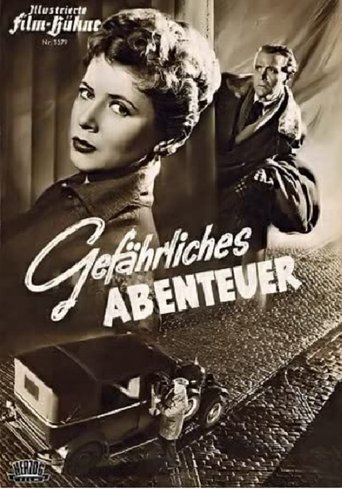
Taking place over 12 hours on New Years Eve, a concert pianist murders his wife's lover, then frames an innocent man.
Adventures in Vienna
1952
 5.0
A jealous musician kills his wife and frames a cab driver.
Stolen Identity
1953
1940s · 7 titles
 6.2
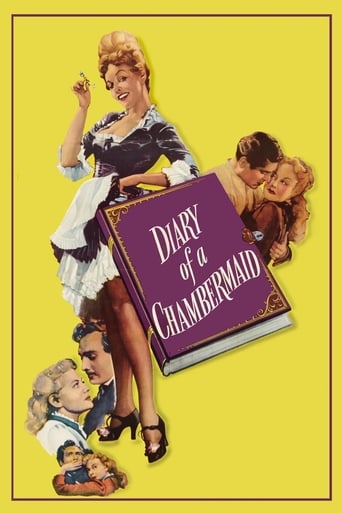
Celestine, the chamber-maid, has a new job in the country, at the Lanlaires. She has decided to use her beauty to seduce a wealthy man, but Mr. Lanlaire is not a right choice: the house is firmly controlled by Madame Lanlaire, helped by the strange valet Joseph. Then she tries the neighbour, former officer Mauger. This seems to work. But soon the son of the Lanlaires comes back. He is young, attractive and does not share his mother's antirepublican opinions. So Celestine's beauty attracts Captain Mauger, young Georges Lanlaire, and Joseph. Three men, from three different social classes, with three different conceptions of life. Will Celestine be able to convince Georges of her sincerity?
The Diary of a Chambermaid
1946
 6.4
This drama is an updated version of Ulmer's 1944 film Bluebeard. It is set in New York and follows the exploits of an eccentric Parisian painter who has come to New York to escape a controversy surrounding his work. The trouble stems when the model he has used in all his work is found floating dead in the Seine.
The Madonna's Secret
1946
 6.3
A rope bridge over a gorge in the Peruvian Andes snaps, sending five people plunging to their deaths. A priest sets out to find out more about the life of each of the victims.
The Bridge of San Luis Rey
1944
 6.3
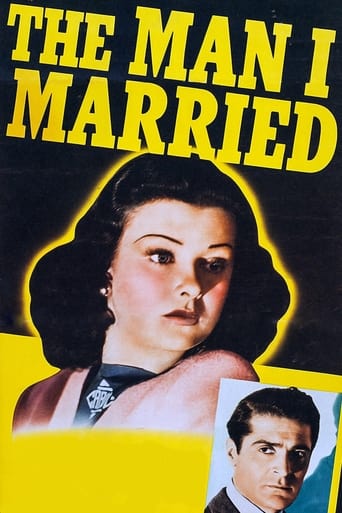
An American vacations in Europe with her husband and watches him turn into a Nazi.
The Man I Married
1940
 5.5
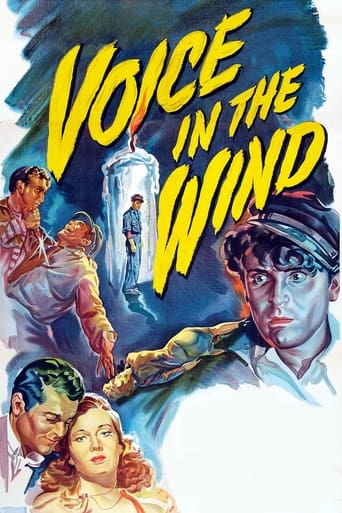
Former concert pianist, victim of Nazi torture, pursues a confused, melancholic existence on the island of Guadalupe.
Voice in the Wind
1944
 5.0
A stock broker embezzles a million bucks and plans to take off to Shanghai. A number of obstacles stands in his path, however.
Million Dollar Weekend
1948
 6.5
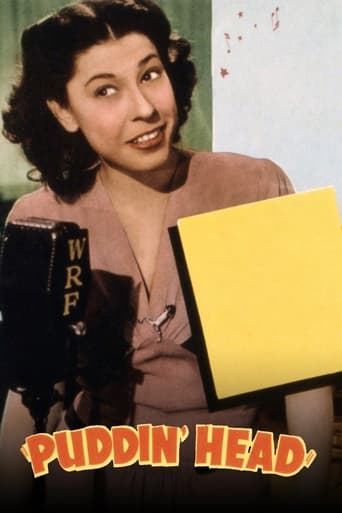
On the day that United Broadcasting System's new building is dedicated, bumbling vice-president Harold L. Montgomery, Sr. discovers that he gave the wrong survey to the builders...
Puddin' Head
1941
1930s · 19 titles
 6.1
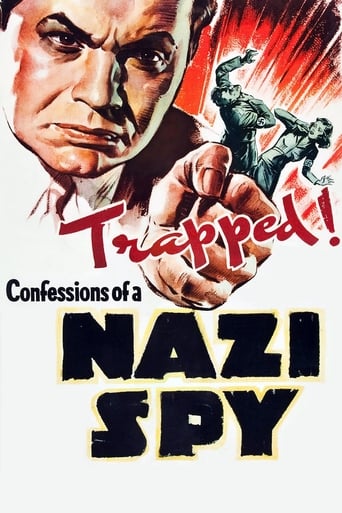
FBI agent Ed Renard investigates the pre-War espionage activities of the German-American Bund.
Confessions of a Nazi Spy
1939
 7.4
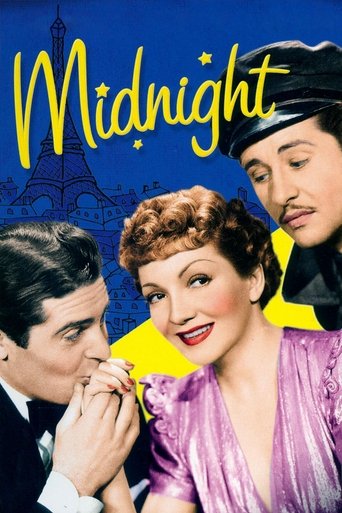
An unemployed American showgirl poses as Hungarian royalty to infiltrate Parisian high society.
Midnight
1939
 6.5
A British explorer brings an Eskimo hunter to London, where he misreads a woman.
Man of Two Worlds
1934
 5.7
Basically this is a commercial for Hollywood's Lido Lounge and for MGM contract players. The Lido is a large watering hole; we visit one afternoon with an orchestra playing, all sorts of stars and would-be stars sitting at tables near the pool alongside paying customers, and bathing beauties parading and diving. The Lido's manager, Reggy Denny, introduces the stars in the audience. He's sometimes interrupted by someone who does a bit, sings a song, or otherwise entertains: most of these are novelty acts. By the end, everyone's having a swell time.
Starlit Days at the Lido
1935
 5.0
Suave French actor Philippe Martin provokes a scandal when, in a darkened theater, he mistakes young Monique for his mistress, Yvonne, and tries to kiss her. Charged with assault, the quick-thinking Philippe claims it's French tradition to do as he did, and is let go. To his surprise, Philippe learns that Monique has paid his fine. As the tabloids exploit the situation, Monique dates Philippe, until a photo appears of him kissing Yvonne.
One Rainy Afternoon
1936
 6.4
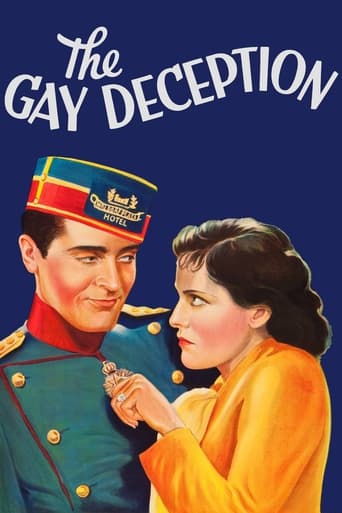
A wide-eyed working girl wins a $5,000 sweepstakes and plunges into the lush life of New York City, where she meets a bellboy who is more than he seems.
The Gay Deception
1935
 5.4
Jimmy Barnes arrives from Europe to be educated by his multi-millionaire uncle, Edward J. Barnes and in five years the extravagant escapes of Jimmy, now a lawyer, are the talk of San Francisco. Linda Gray is a mouse-like secretary to the elder Barnes who has fallen in love with Jimmy, but he favors actress Constance "Connie" Marlowe. Mr. Barnes dies and leaves everything to Linda but he has urged his partner, Alexander Duncan, to plan things so that Jimmy and Linda will get married. Coached by Duncan, Linda accepts the inheritance and announces that she is departing for New York on a wild spending spree. He tells Jimmy that the will can be broken but only after many months and he suggests that Jimmy follow Linda and curb her spending or there won't be any money left. In New York, Linda hires Jimmy as her private secretary. Connie also arrives in New York, as does the ingenious Baron Rene de Montigny with the intention of marrying the wealthy Miss Gray.
It's All Yours
1937
 7.5
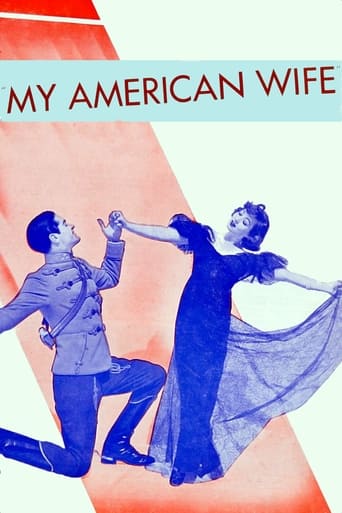
Ann Sothern essays the title role in My American Wife. The story opens in Smelter City, Arizona, where the richest man in town is grizzled old Indian fighter Lafe Cantillon (Fred Stone). Lafe's social-climbing sister-in-law (Billie Burke) insists that her daughter Mary wed a titled European, Count Ferdinand (Francis Lederer). Much to Lafe's delight, Mary isn't assimilated into Continental high society; instead, she instructs Count Ferdinand in the virtues of good, old-fashioned American democracy. And, of, course, the Count and Lafe become great chums when the "furriner" proves that he can ride a bucking bronco with the best of 'em.
My American Wife
1936
 10.0
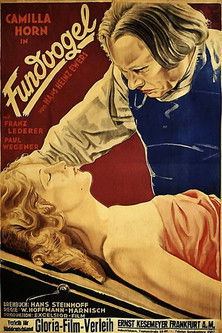
Young Jan Bergwall visits his grandmother, the so-called centenary, at Woyland Castle. There he meets his cousin Andrea, who everyone calls "Fundvogel". Jan is fascinated by the young girl's beauty, and soon there is an erotic tension in the air between the two. Although they both have strong feelings for each other, they are afraid to make a commitment, even though their domineering grandmother is determined that they marry. Panicked that he might feel obliged to marry Andrea, Jan escapes from this place. Andrea is deeply disappointed and seeks revenge. Out of spite, she becomes involved with the falconer Bartel and is later raped in a wooden hut. The centigress, concerned about morals and customs, then sends Fundvogel to a convent. She escapes from there and flees into the arms of Jan. When he learns from a letter from the countess what has happened to Andrea, he leaves her a second time. In her despair, Fundvogel then throws herself off a bridge into the floods with suicidal intent.
Fundvogel
1930
 5.0
A tour of Hollywood, featuring such star frequented spots as the Vendome, the Lakeside Golf Club, the West Side Tennis Club, the Santa Anita Racetrack, the Ambassador Hotel's Cocoanut Grove, the Biltmore Bowl, and the American Legion Stadium.
Screen Snapshots: Series 16, No. 12
1937
 7.8
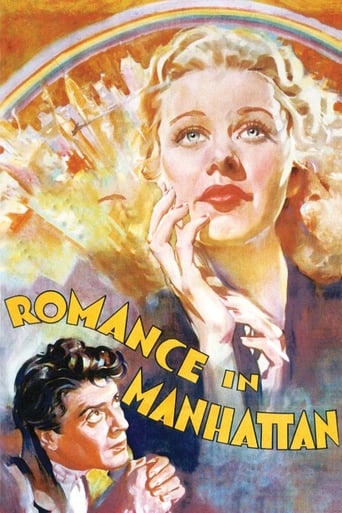
Karel Novak is an incredibly naive Czech immigrant who is taken under the wing of streetwise New York chorus girl Sylvia. With the help of lovable cop-on-the-beat Murphy, Sylvia hides Karel from the immigration authorities and ultimately falls in love with him. In addition to Karel's illegal-alien status, the plot is complicated by a crooked lawyer and a group of well-meaning welfare workers who endeavor to place Sylvia's kid brother Frank in a foster home.
Romance in Manhattan
1934
 5.8
Lederer is a Hessian soldier who defects to the Americans during the Revolutionary War.He falls in love with a Yankee girl, but a thuggish local militiaman jealously makes things hard for him while he's a prisoner of war.
The Pursuit of Happiness
1934
 7.0
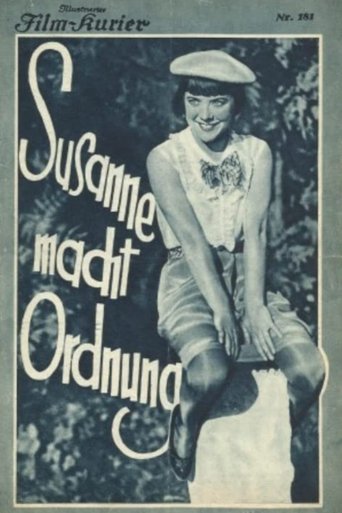
Susanne Braun is keen to meet her father who she has never seen, but who supports her financially. She visits the Berlin lawyer who oversees the monthly maintenance payments, but he sets her on completely the wrong track. Consequently she encounters several potential fathers.
Susie Cleans Up
1930
 8.0
No synopsis available yet.
The Road to Dishonour
1930
 6.5
Former jewel thief Michael Lanyard toys with a princess and a grand duke.
The Lone Wolf in Paris
1938
 10.0
Fred von Wellingen is a wealthy industrialist, part of a large family-owned corporation. Fred has fallen for Lia, a comely bartender in the Berlin Cabaret. He proposes to her, much to the horror of his family, which considers Lia and her unsophisticated father far below their caste. The family convinces Fred to give up the girl in exchange for increased position and income in the company. But Fred's lapse is momentary, and he again pursues Lia. But she, by this time, has learned of his erstwhile agreement and has agreed to marry someone else.
Her Majesty Love
1933
No synopsis available yet.
The Fate of Renate Langen
1931
No synopsis available yet.
The emperor's detective
1930
 7.7
A young woman leaves behind her job, home and family to try to make it in the movie business. Features cameos from about three dozen German film stars of the era.
The Great Desire
1930
1920s · 7 titles
 7.4
The rise and inevitable fall of an amoral but naive young woman whose insouciant eroticism inspires lust and violence in those around her.
Pandora's Box
1929
 4.7
A neglected Baroness falls in love with her oldest son's military officer friend, their adulterous romance leading the two to flee to Algeria.
Mother Hummingbird
1929
 7.3
German-language version. "Atlantic" is a drama film based on the sinking of the RMS "Titanic" and set aboard a fictional ship, called the "Atlantic". The main plotline revolves around a man who has a shipboard affair with a fellow passenger, which is eventually discovered by his wife. The ship also has aboard an elderly couple, Heinrich and Anna Thomas, who are on their anniversary cruise. Midway across the Atlantic Ocean, the "Atlantic" strikes an iceberg and is damaged to the point where it is sinking into the Atlantic. The German version was filmed at the same time as the British version, with each scene first being filmed in English for the British version, then the same scene being filmed in German by a German cast, using the same sets.
Atlantik
1929
 7.1
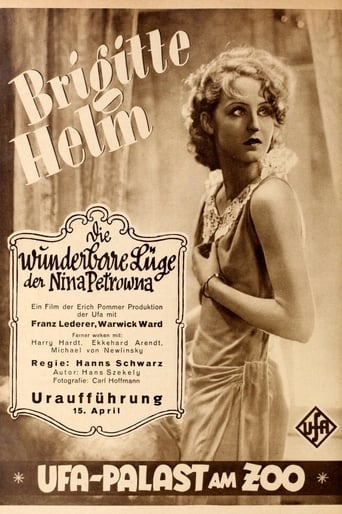
This silent-screen classic, like many others produced near the end of the silent era, was both a theatrical extravaganza boasting an original orchestral score and an item which languished in obscurity for many years. When Carlo Piccardi took what was left of the score by Maurice Jaubert and re-created it, the existing footage was restored and paired with a new orchestral performance which was shown in Paris in 1988. The film's story concerns the travails of a woman who has been living quite comfortably as the mistress of a colonel in the Tsar's army in Russia. However, she eventually encounters a penniless young lieutenant and falls madly in love with him, as he does with her. Despite her best intentions of remaining with the colonel, and his intention to avoid trouble with his fellow soldiers, they cannot forswear this relationship, and tragedy is the inevitable result. The title refers to a moving incident in the story, and translates as "the wonderful lie of Nina Petrovna."
The Wonderful Lies of Nina Petrovna
1929
 9.0
No synopsis available yet.
Meineid
1929
No synopsis available yet.
Die seltsame Nacht der Helga Wangen
1928
 10.0
After eight years in exile Martin returns to Berlin. He was involved in the German Revolution of 1918/1919 and had to leave the country as a result. Impoverished and lonely, he struggles on alone until the market saleswoman Hanne offers him shelter, although she does not have much money either. They fall in love and Martin even finds work on the construction site for the subway through Tempelhofer Feld. One day, however, he collapses there, whereupon the pregnant Hanne tries to nurse him back to health.
Refuge
1928
Series credits
5.3Matinee Theater is an American anthology series that aired on NBC during the Golden Age of Television, from 1955 to 1958. The series, which ran daily in the afternoon, was frequently live. It was produced by Albert McCleery, Darrell Ross, George Cahan and Frank Price with executive producer George Lowther. McCleery had previously produced the live series Cameo Theatre which introduced to television the concept of theater-in-the-round, TV plays staged with minimal sets. Jim Buckley of the Pewter Plough Playhouse recalled: When Al McCleery got back to the States, he originated a most ambitious theatrical TV series for NBC called Matinee Theater: to televise five different stage plays per week live, airing around noon in order to promote color TV to the American housewife as she labored over her ironing. Al was the producer. He hired five directors and five art directors. Richard Bennett, one of our first early presidents of the Pewter Plough Corporation, was one of the directors and I was one of the art directors and, as soon as we were through televising one play, we had lunch and then met to plan next week’s show. That was over 50 years ago, and I’m trying to think; I believe the TV art director is his own set decorator —yes, of course! It had to be, since one of McCleery’s chief claims to favor with the producers was his elimination of the setting per se and simply decorating the scene with a minimum of props. It took a bit of ingenuity.
Matinee Theater
1955
7.6Mission: Impossible is an American television series that was created and initially produced by Bruce Geller. It chronicles the missions of a team of secret government agents known as the Impossible Missions Force. In the first season, the team is led by Dan Briggs, played by Steven Hill; Jim Phelps, played by Peter Graves, takes charge for the remaining seasons. A hallmark of the series shows Briggs or Phelps receiving his instructions on a recording that then self-destructs, followed by the theme music composed by Lalo Schifrin. The series aired on the CBS network from September 1966 to March 1973, then returned to television for two seasons on ABC, from 1988 to 1990, retaining only Graves in the cast. It later inspired a popular series of theatrical motion pictures starring Tom Cruise, beginning in 1996.
Mission: Impossible
1966
5.4An American radio–television anthology series, created in 1947 by Canadian director Fletcher Markle, who came to CBS from the CBC. Studio One, presented by Westinghouse, was one of the first of the anthology TV programs. The episodes were often abridged remakes of movies from years gone by and many future well-known television and movie actors appeared in the productions.
Studio One
1948
6.0Robert Montgomery Presents is an American dramatic television series which was produced by NBC from January 30, 1950 until June 24, 1957. The live show had several sponsors during its seven-year run, and the title was altered to feature the sponsor, usually Lucky Strike cigarettes, for example, Robert Montgomery Presents Your Lucky Strike Theater, ....The Johnson's Wax Program, and so on.
Robert Montgomery Presents
1950
6.6The Philco Television Playhouse is an American anthology series that was broadcast live on NBC from 1948 to 1955. Produced by Fred Coe, the series was sponsored by Philco. It was one of the most respected dramatic shows of the Golden Age of Television, winning a 1954 Peabody Award and receiving eight Emmy nominations between 1951 and 1956.
The Philco Television Playhouse
1948
5.9No synopsis available yet.
Ben Casey
1961
 7.8
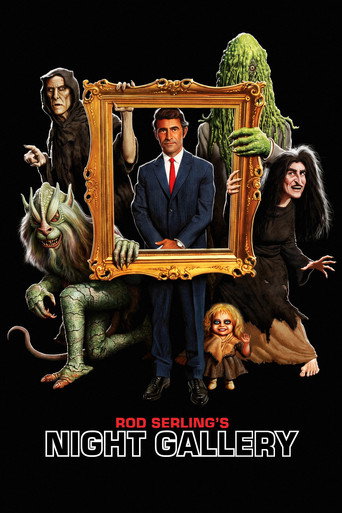
Rod Serling narrates an anthology of fantasy, horror and sci-fi stories from a set resembling a macabre museum. A chilling work of art serves as the connective link between the stories.
Night Gallery
1970
 6.2
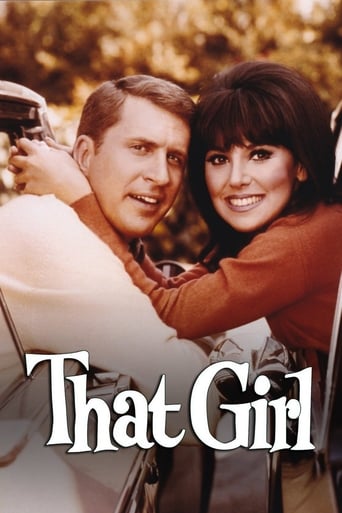
That Girl is an American sitcom that ran on ABC from 1966 to 1971. It stars Marlo Thomas as the title character Ann Marie, an aspiring actress, who moves from her hometown of Brewster, New York to try to make it big in New York City. Ann has to take a number of offbeat "temp" jobs to support herself in between her various auditions and bit parts. Ted Bessell played her boyfriend Donald Hollinger, a writer for Newsview Magazine; Lew Parker and Rosemary DeCamp played Lew Marie and Helen Marie, her concerned parents. Bernie Kopell, Ruth Buzzi and Reva Rose played Ann and Donald's friends. That Girl was developed by writers Bill Persky and Sam Denoff, who had served as head writers on The Dick Van Dyke Show earlier in the 1960s.
That Girl
1966
 6.5
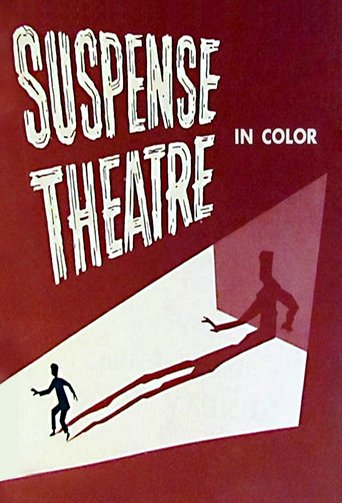
No synopsis available yet.
Kraft Suspense Theatre
1963
 6.7
Lux Video Theatre is an American anthology series that was produced from 1950 until 1959. The series presented both comedy and drama in original teleplays, as well as abridged adaptations of films and plays.
Lux Video Theatre
1950
 8.0
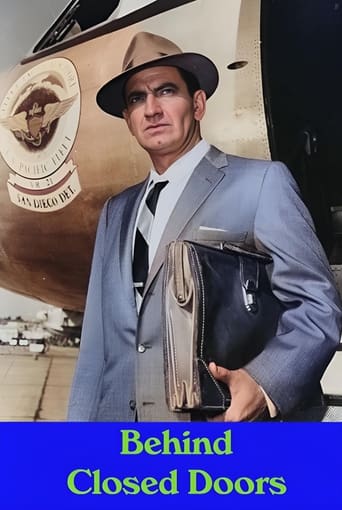
Behind Closed Doors is an American drama series set during the Cold War hosted by and occasionally starring Bruce Gordon in the role of Commander Matson. The series, which aired on NBC from October 2, 1958, to April 9, 1959, focuses, among other themes, on how the former Soviet Union stole American missile secrets and proposes steps to prevent further espionage. Behind Closed Doors is based on the files and experiences of Rear Admiral Ellis M. Zacharias, who offers comments at the end of each segment. Behind Closed Doors, a Screen Gems production, replaced Jackie Cooper's sitcom The People's Choice, followed the NBC quiz show, Twenty-One, and preceded the The Tennessee Ernie Ford Show. Its competition was The Pat Boone Chevy Show on ABC and Dick Powell's Zane Grey Theater western anthology series on CBS.
Behind Closed Doors
1958
 7.0
A U.S. double agent in WWII Germany infiltrates Nazi councils while evading Allied intelligence (publicly, he was a foreign correspondent who had renounced his American citizenship). Three episodes of the series were stitched together into the 1966 theatrical movie 'I Deal in Danger.'
Blue Light
1966
 7.2
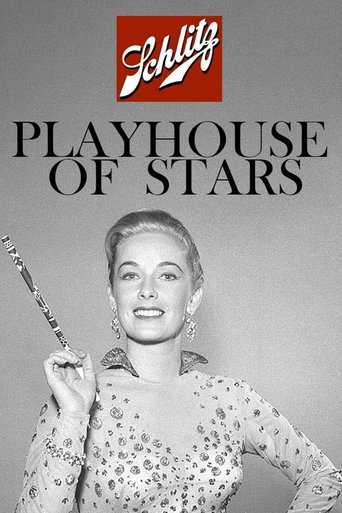
Schlitz Playhouse of Stars is an anthology series that was telecast from 1951 until 1959 on CBS. Offering both comedies and drama, the series was sponsored by the Joseph Schlitz Brewing Company. The title was shortened to Schlitz Playhouse, beginning with the fall 1957 season.
Schlitz Playhouse of Stars
1951
 9.0
Based on extensive interviews, shot on 16mm in a series of static long takes, Filmemigration aus Nazideutschland, is one of the most fascinating examples of "Film history on film" ever produced. Straschek devoted years to researching the topic and accumulating both film and non-film materials. Apart from some radio features and articles, however, this 290-minute TV programme remains the only published trace of Straschek's lifelong work on the emigration of film personnel. He had intended to publish a three-volume book, encompassing all available data about 3,000 emigrants originating from the centre and peripheries of film production, but the book never materialised.
Film Emigration from Nazi Germany
1975