
Acting
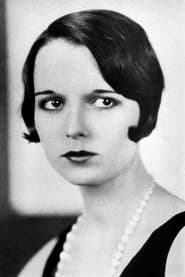
Louise Brooks
Born — Died
1906-11-14 — 1985-08-08
Place of birth
Cherryvale, Kansas, USA
Known for
Acting
Credits
37 titles
Mary Louise Brooks (November 14, 1906 – August 8, 1985) was an American film actress and dancer during the 1920s and 1930s. She is regarded today as an icon of the Jazz Age and flapper culture, in part due to the bob hairstyle that she helped popularize during the prime of her career. Brooks began her career as a dancer. While dancing in the Ziegfeld Follies in New York City, she came to the attention of Walter Wanger, a producer at Paramount Pictures, and was signed to a five-year contract with the studio. She appeared in supporting roles in various Paramount films before taking the heroine's role in Beggars of Life (1928). Dissatisfied with her mediocre roles in Hollywood films, Brooks w…
Known for
 8.4
8.4A 1980 documentary series exploring the establishment and development of the Hollywood studios and its impact on 1920s culture.
Hollywood
1980
 7.4
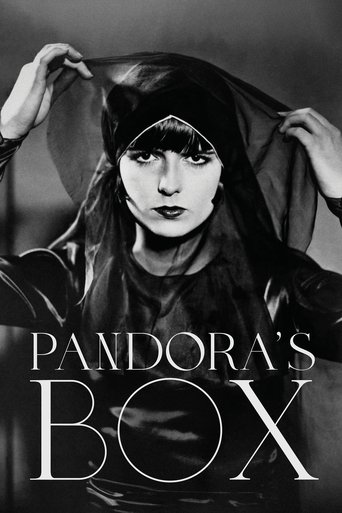
7.4The rise and inevitable fall of an amoral but naive young woman whose insouciant eroticism inspires lust and violence in those around her.
Pandora's Box
1929
 7.2
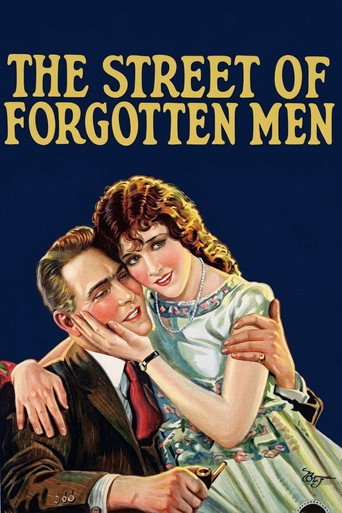
7.2Easy-Money Charley, the best fake crippled beggar in New York, loses his beloved dog and adopts a dying prostitute's daughter to fill the empty place in his heart.
The Street of Forgotten Men
1925
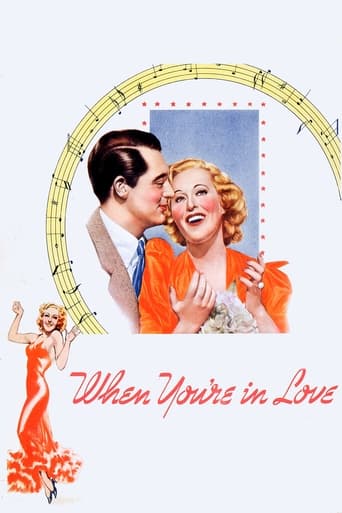 6.8
6.8An Australian opera singer hires a husband so she can work in the U.S. Moore sings "Minnie the Moocher" in one scene.
When You're in Love
1937
 5.7
5.7A beautiful showgirl, name "the Canary" is a scheming nightclub singer. Blackmailing is her game and with that she ends up dead. But who killed "the Canary". All the suspects knew and were used by her and everyone had a motive to see her dead. The only witness to the crime has also been 'rubbed out'. Only one man, the keen, fascinating, debonair detective Philo Vance, would be able to figure out who is the killer.
The Canary Murder Case
1929
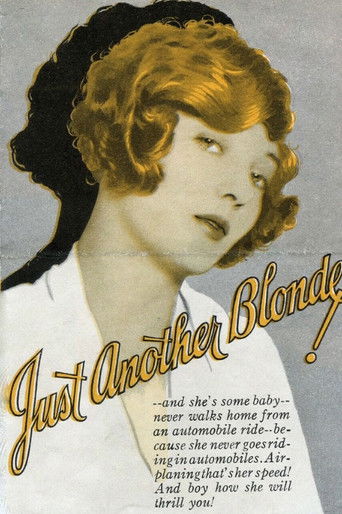 6.5
6.5Jimmy O'Connor and Scotty are a couple of New York City gamblers and sharpies who decide to go straight and, since they are such good friends, split 50-50 "even steven" on anything they get or do. Jimmy, a confirmed bachelor, doesn't care for women but Scotty falls in love with Diana O'Sullivan, a Coney Island girl. They decide that Jimmy needs a girlfriend and they opt for Jeannie Cavanaugh. But, following their 50-50 pact, Jimmy, although he has fallen in love with Jeannie, praises Scotty to her.
Just Another Blonde
1926
Film credits
2010s · 3 titles
 NR
NRExplores the culture and characters of the Jazz Age through the decade's heroine, the flapper.
Flappers, Speakeasies, and the Birth of Modern Culture
2010
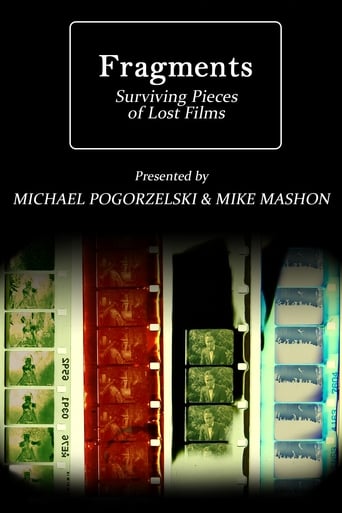 9.0
9.0Among the pieces featured in Fragments are the final reel of John Ford's The Village Blacksmith (1922) and a glimpse at Emil Jannings in The Way of All Flesh (1927), the only Oscar®-winning performance in a lost film. Fragments also features clips from such lost films as Cleopatra (1917), starring Theda Bara; The Miracle Man (1919), with Lon Chaney; He Comes Up Smiling (1918), starring Douglas Fairbanks; an early lost sound film, Gold Diggers of Broadway (1929), filmed in early Technicolor, and the only color footage of silent star Clara Bow, Red Hair (1928). The program is rounded out with interviews of film preservationists involved in identifying and restoring these films. Also featured is a new interview with Diana Serra Cary, best known as "Baby Peggy", one of the major American child stars of the silent era, who discusses one of the featured fragments, Darling of New York (1923).
Fragments: Surviving Pieces of Lost Films
2011
 7.5
7.5A documentary looking at the life, films, and troubled times of America's first sex symbol, screen actress Clara Bow, featuring interviews and archive footage. It takes a look at why she is considered the 'Lost Screen Goddess'.
Clara Bow: Hollywood's Lost Screen Goddess
2012
1990s · 3 titles
 8.3
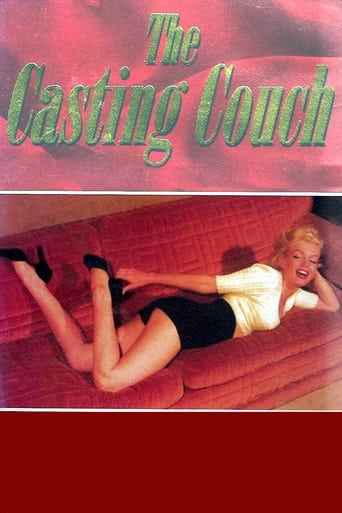
8.3An unprecedented anthology of never-before-told true stories by and about some of Hollywood's most interesting stars, legends, and wannabes, and takes readers inside Hollywood's inner sanctum to show how casting decisions are made, who makes them, and who has the final word.
The Casting Couch
1995
 7.4
7.4Documentary recounting the life story of Louise Brooks in 5 sections: "Lulu in Toe Shoes"; "Lulu in Hollywood"; "Lulu in Berlin"; "Lulu in Hell"; and "Resurrection".
Louise Brooks: Looking for Lulu
1998
 8.2
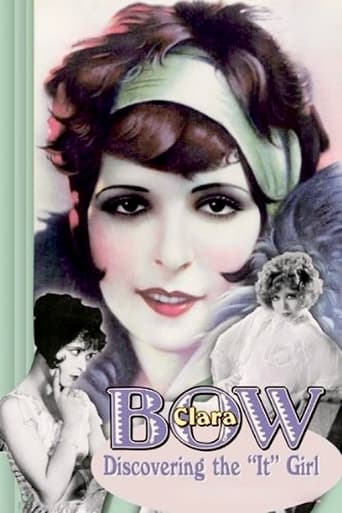
8.2Clara Bow: Discovering the 'It' Girl features scenes from 25 of her films, as well as interviews with family members and acquaintances.
Clara Bow: Discovering the "It" Girl
1999
1980s · 3 titles
An ode to film preservation, it presents a night-time visit to a seemingly depopulated repository (presumably the Royal Film Archive of Belgium), juxtaposing a series of images of observation, reconstruction, and projection using film fragments - from the hand-painted, altered image frames of Georges Méliès' Kingdom of the Fairies to the iconic image of Louise Brooks - to turn the archive into a temporal wonderland of novel discoveries, hidden treasure, re-awakened curiosity, and critical re-assessment.
1001 Films
1989
 NR
NR55-Minute BBC Arena documentary on the film actress Louise Brooks
Louise Brooks
1986
 7.6
7.6Vérité documentarian Richard Leacock’s LULU IN BERLIN features one of the few long interviews ever done with actor Louise Brooks. It took place in her apartment in Rochester, New York, in 1971.
Lulu in Berlin
1984
1930s · 7 titles
6.8An Australian opera singer hires a husband so she can work in the U.S. Moore sings "Minnie the Moocher" in one scene.
When You're in Love
1937
 6.4
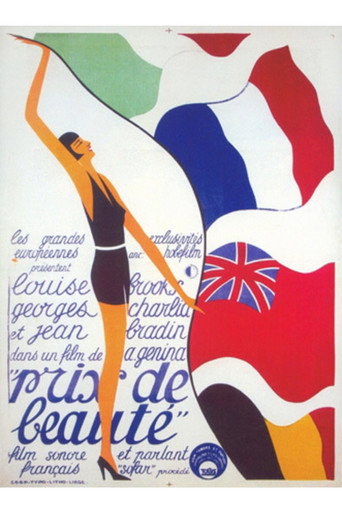
6.4Lucienne, typist and gorgeous bathing beauty, decides to enter the 'Miss Europe' pageant sponsored by the French newspaper she works for. She finds her jealous lover Andre violently disapproves of such events and tries to withdraw, but it's too late; she's even then being named Miss France. The night Andre planned to propose to her, she's being whisked off to the Miss Europe finals in Spain, where admirers swarm around her. Win or lose, what will the harvest be?
Miss Europe
1930
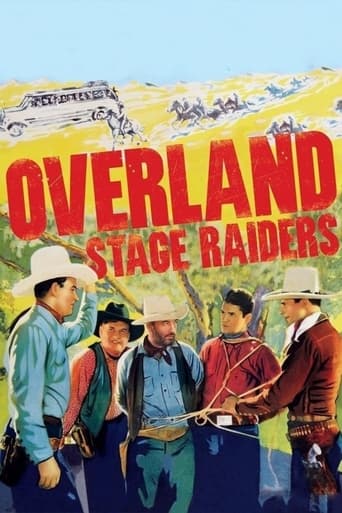 5.2
5.2After gold shipments from a mining town have been hijacked, the three Mesquiteers buy a plane to fly the gold out. The owner of the shipping line brings in Eastern gangsters to thwart them.
Overland Stage Raiders
1938
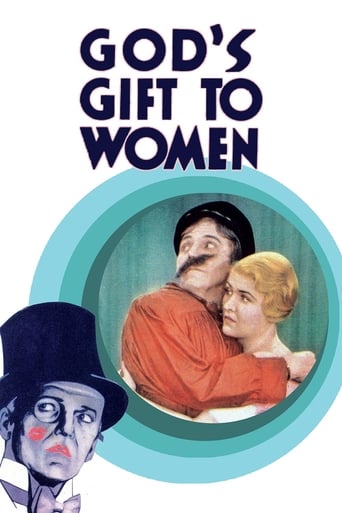 4.8
4.8A notorious womanizer sets his sights on a pretty American tourist, only to be told by his doctor that he must give up all romance for his health.
God's Gift to Women
1931
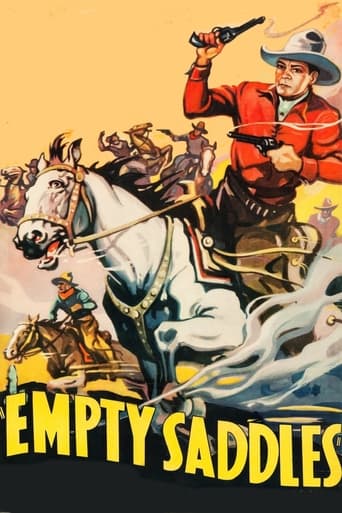 10.0
10.0Buck runs into trouble when he buys a deserted cattle ranch that he turns into a dude ranch.
Empty Saddles
1936
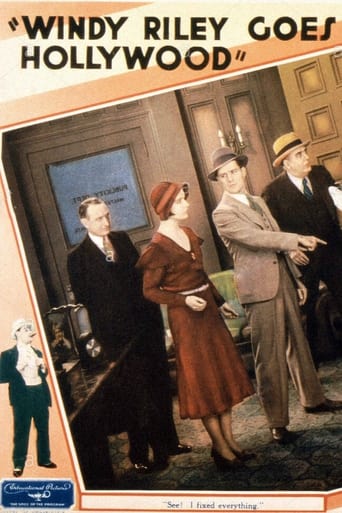 5.4
5.4A driver on a non-stop race from New York to San Francisco gets detoured to Hollywood, where he winds up working as a publicity man for a movie studio and assigned to revive the career of a beautiful but fading star.
Windy Riley Goes Hollywood
1931
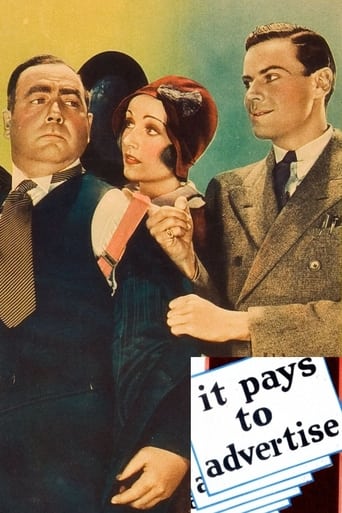 5.6
5.6To prove his thesis that any product--even one that doesn't exist--can be merchandized if it is advertised properly, a young man gets together with his father's savvy secretary to market a non-existent laundry soap. Complications ensue when his "product" turns out to be more successful than even he imagined--and now he has to deliver.
It Pays to Advertise
1931
1920s · 16 titles
7.4The rise and inevitable fall of an amoral but naive young woman whose insouciant eroticism inspires lust and violence in those around her.
Pandora's Box
1929
7.2Easy-Money Charley, the best fake crippled beggar in New York, loses his beloved dog and adopts a dying prostitute's daughter to fill the empty place in his heart.
The Street of Forgotten Men
1925
5.7A beautiful showgirl, name "the Canary" is a scheming nightclub singer. Blackmailing is her game and with that she ends up dead. But who killed "the Canary". All the suspects knew and were used by her and everyone had a motive to see her dead. The only witness to the crime has also been 'rubbed out'. Only one man, the keen, fascinating, debonair detective Philo Vance, would be able to figure out who is the killer.
The Canary Murder Case
1929
6.5Jimmy O'Connor and Scotty are a couple of New York City gamblers and sharpies who decide to go straight and, since they are such good friends, split 50-50 "even steven" on anything they get or do. Jimmy, a confirmed bachelor, doesn't care for women but Scotty falls in love with Diana O'Sullivan, a Coney Island girl. They decide that Jimmy needs a girlfriend and they opt for Jeannie Cavanaugh. But, following their 50-50 pact, Jimmy, although he has fallen in love with Jeannie, praises Scotty to her.
Just Another Blonde
1926
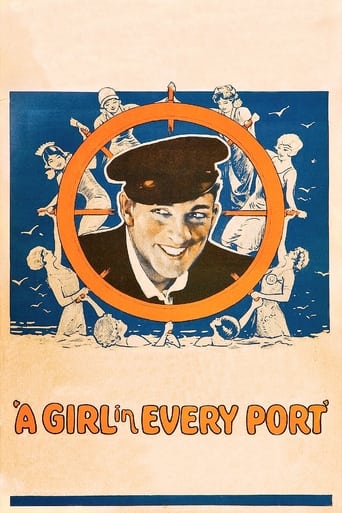 6.0
6.0Two sailors with a rivalry over chasing women become friends. But when one decides to finally settle down, will this mysterious young woman come between them?
A Girl in Every Port
1928
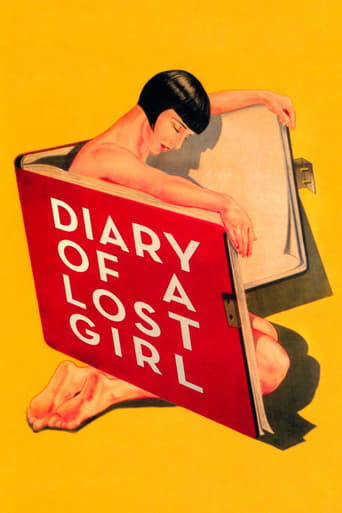 7.3
7.3Thymian Henning, an innocent young girl, is raped by the clerk of her father's pharmacy. She becomes pregnant, is rejected by her family, and must fend for herself in a harsh, cruel world.
Diary of a Lost Girl
1929
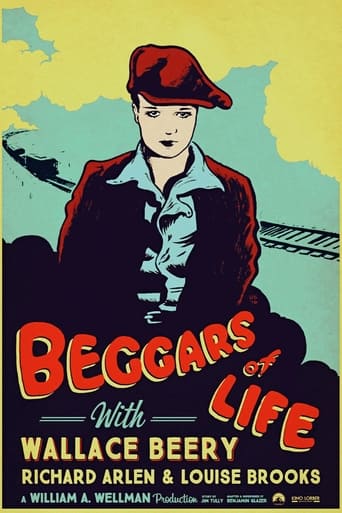 7.1
7.1After killing her treacherous step-father, a girl tries to escape the country with a young vagabond. She dresses as a boy, they hop freight trains, quarrel with a group of hobos, and steal a car in their attempt to escape the police, and reach Canada.
Beggars of Life
1928
 8.0
8.0Though billed second, the stunningly beautiful Louise Brooks is the focal point of the campus comedy Rolled Stockings. It's the old one about two collegiate brothers, Jim and Ralph Treadway (James Hall, Richard Arlen), in love with the same girl, Carol Fleming (Brooks).
Rolled Stockings
1927
 10.0
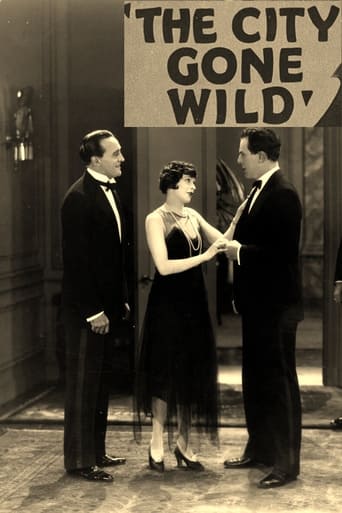
10.0Hard-boiled underworld melodrama, with gang wars and gunfights, in which criminal lawyer turns prosecutor to avenge a friend's death.
The City Gone Wild
1927
 7.5
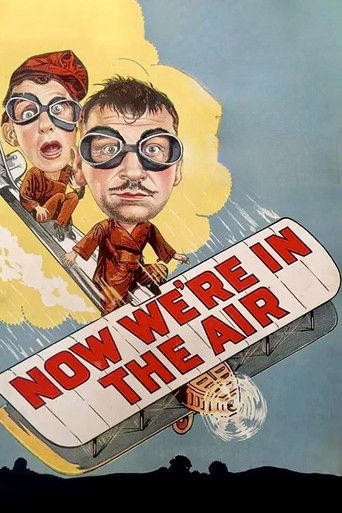
7.5Wally and Ray are cousins intent upon getting the fortune of their Scots grandad, an aviation nut. They become mixed-up with the U. S. flying corps and are wafted over the enemy lines in a runaway balloon. Through misunderstanding they are honored as heroes of the enemy forces, and sent back to the U.S. lines to spy. Here they are captured and almost shot, but everything ends happily. Only 20 minutes of this 6 reel comedy are extant.
Now We're in the Air
1927
 8.0
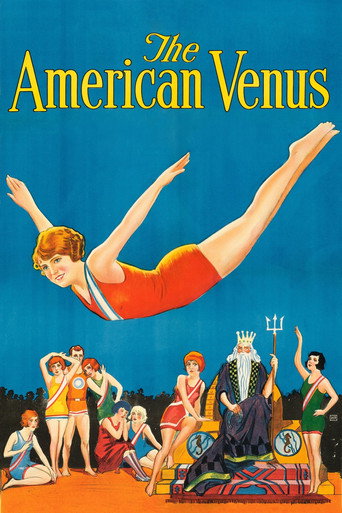
8.0A lost film - Mary Gray, whose father manufactures cold cream, is engaged to sappy Horace Niles, the son of Hugo Niles, the elder Gray's most competitive rival in the cosmetics business. Chip Armstrong, a hot-shot public relations man, quits the employ of Hugo Niles and goes to work for Gray, persuading Mary to enter the Miss America contest at Atlantic City, with the intention of using her to endorse her father's cold cream should she win. Mary breaks her engagement with Horace. When it appears that she will win the contest, Hugo lures her home on the pretext that her father is ill, and she misses the contest. Chip and Mary return to Atlantic City, discovering that the new Miss America has told the world that she owes all her success to Gray's cold cream. On this note, Chip and Mary decide to get married.
The American Venus
1926
 5.0
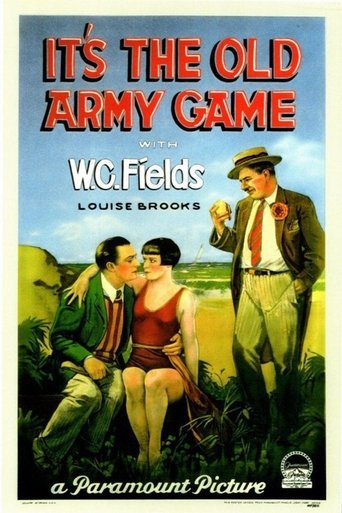
5.0Druggist Elmer Prettywillie is sleeping. A woman rings the night bell only to buy a two-cent stamp. Then garbage collectors waken him. Next it's firemen on a false alarm. And then a real fire.
It's the Old Army Game
1926
 8.0
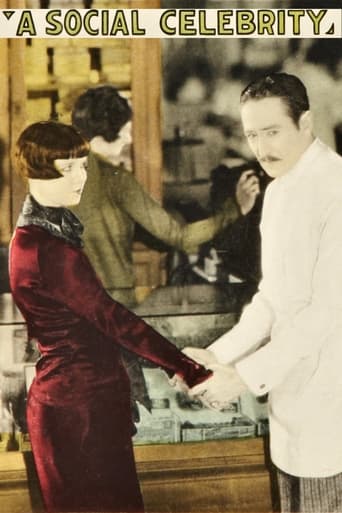
8.0Small-town barber Max Haber is the pride of his father, Johann, who owns an antiquated barbershop. Max adores Kitty Laverne, the manicurist, who loves him but is ambitious to be a dancer, so she heads for New York, hoping that he will follow in pursuit of better things. Mrs. Jackson-Greer, a New York society matron, has occasion to note Max styling the hair of a town girl and induces him to come to New York and pose as a French count. There he meets April, Mrs. King's niece, and loses his heart to her, as well as to Kitty, now a showgirl.
A Social Celebrity
1926
 7.2
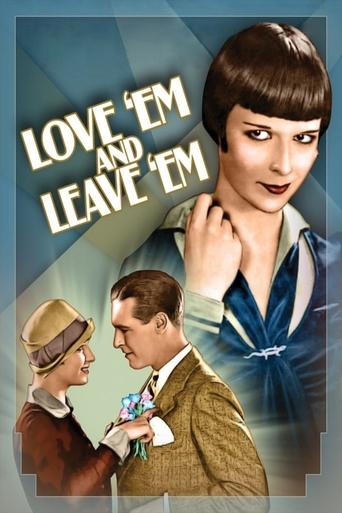
7.2Mame Walsh promised their mother on her deathbed to look after little sister Janie. But Janie helps herself to everything of her sister's, be it her clothes or her men - even the money entrusted to her by fellow employees at the store they work at. Regardless, Mame can't break her promise. So when it comes to getting Janie out of trouble, big sister comes to the rescue.
Love 'Em and Leave 'Em
1926
 7.2
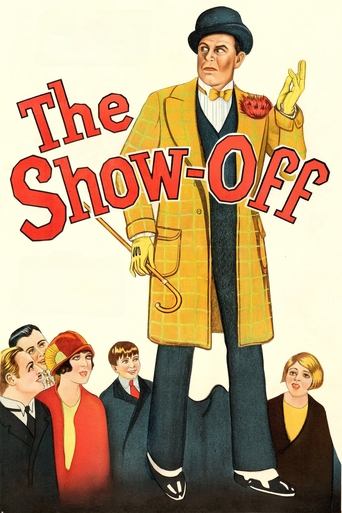
7.2A blowhard who poses as a railroad executive (but is really just a $30-a-week clerk) catches a young bride and then drives her family's finances to the brink of ruin.
The Show Off
1926
 8.0
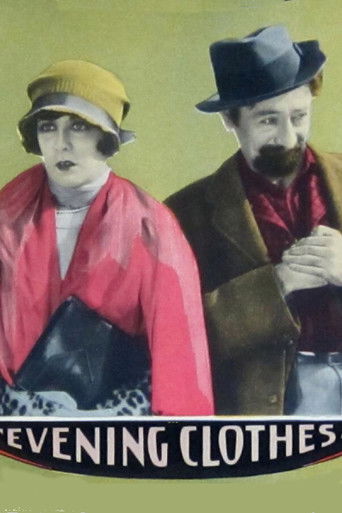
8.0Attracted by his wealth, avaricious Germaine marries D'Artois, then leaves him for a more sophisticated man. D'Artois retaliates by moving to the city and learning the proper social graces. His new life style proves to be too expensive for him, and at the end he is left with nothing but one suit of evening clothes and his now contrite wife.
Evening Clothes
1927
Series credits
8.4A 1980 documentary series exploring the establishment and development of the Hollywood studios and its impact on 1920s culture.
Hollywood
1980
 5.0
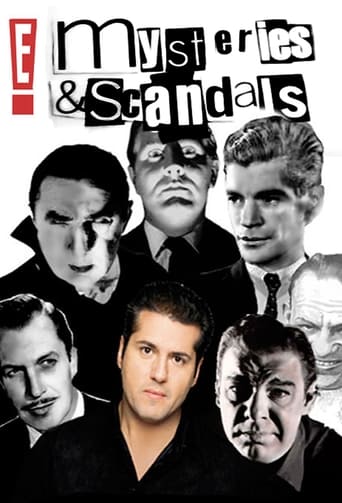
5.0Mysteries and Scandals is an American television program hosted by A.J. Benza. The series was originally broadcast on the E! network from March 1998 until February 2001.
Mysteries and Scandals
1998