

Acting
Harue Tone
Born — Died
1924-11-15 — 2005-04-27
Place of birth
Tokyo, Japan
Known for
Acting
Credits
60 titles
Known for
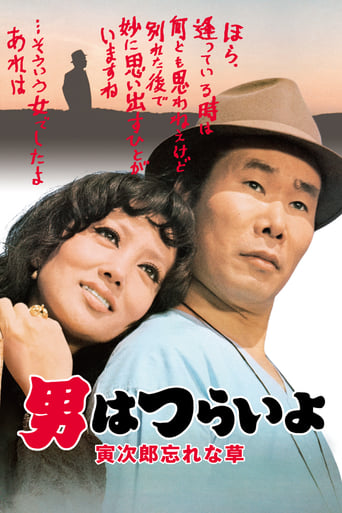 8.4
On the road again, Torajiro meets a kindred spirit in Lily, a lounge singer.
Tora-san's Forget Me Not
1973
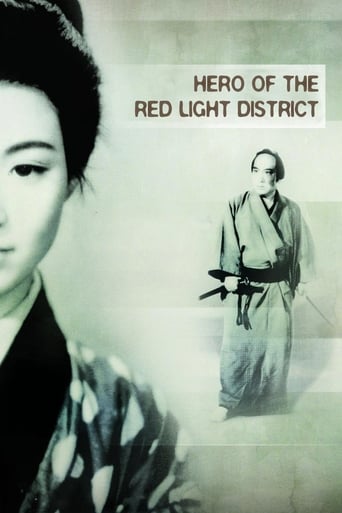 8.7
A successful textile industrialist from the provinces, who is beloved by his employees for his kindness, cannot find a wife because of a disfiguring birthmark on his face. Even the courtesans in Yoshiwara refuse to entertain him, until an indentured peasant prostitute, Tamarazu, takes the unsavoury assignment and treats him with brash tenderness.
Hero of the Red Light District
1960
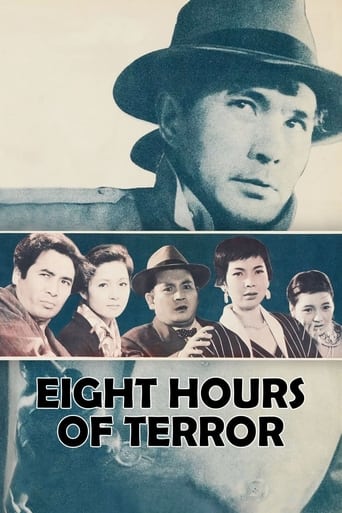 7.5
A bus making its precarious way across a winding mountain road picks up some unwelcome passengers.
Eight Hours of Terror
1957
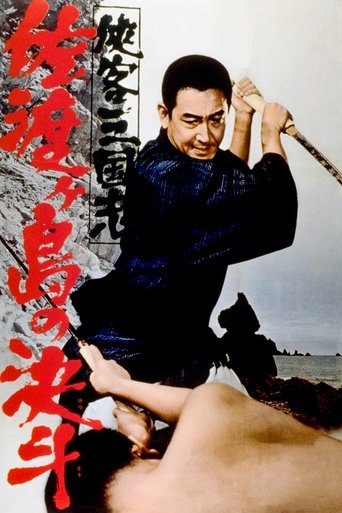 NR
No synopsis available yet.
Kingdom of Samurai
1966
 7.4
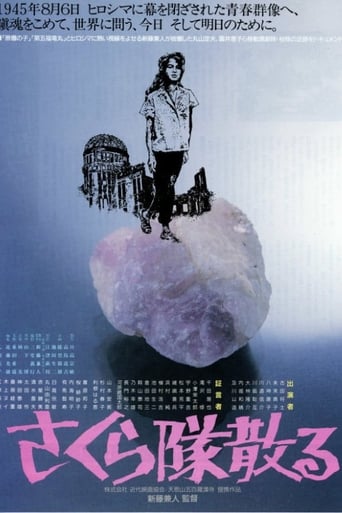
Historical fiction about the aftermath of the atomic bombing of Hiroshima, Japan, on 6 August 1945, and its effects on various civilians, especially children, of that city.
Hiroshima
1953
 NR
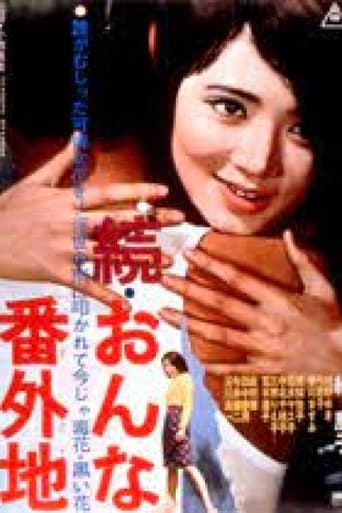
Part 2 of the 'Onna bangaichi' series
Women Doing Time
1966
Film credits
1970s · 1 titles
1960s · 20 titles
8.7A successful textile industrialist from the provinces, who is beloved by his employees for his kindness, cannot find a wife because of a disfiguring birthmark on his face. Even the courtesans in Yoshiwara refuse to entertain him, until an indentured peasant prostitute, Tamarazu, takes the unsavoury assignment and treats him with brash tenderness.
Hero of the Red Light District
1960
NRNo synopsis available yet.
Kingdom of Samurai
1966
NRPart 2 of the 'Onna bangaichi' series
Women Doing Time
1966
 NR
Part 7 in the Gambling Den series. This time Koji Tsuruta is a gambler who feels sympathetic towards a woman whose naive husband is driven to a debt trap by a rotten gambling den owner (Tatsuo Endo) and his dishonest card dealer (Isamu Nagato). The plot is standard stuff and features too much talk, but there's also a decent balance between melodrama and lyricism in the form and storytelling. Tsuruta was a perfect fit for these kind of roles, with the stoic and emotional sides nicely mixed in his screen persona.
A Gambler's Certain Death
1969
 NR
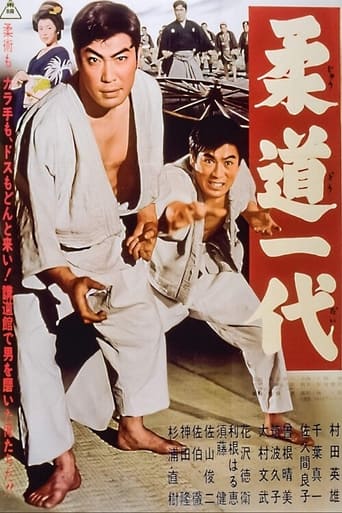
Sonny Chiba's first martial arts film, a partially fictionalized judo biopic based on prominent judoka Shiro Saigo (Chiba), the second student of judo founder Jigoro Kano (Naoki Sugiura). Akira Kurosawa’s Sanshiro Sugata is based on the same character and shares some scenes, but Judo for Life focuses more on the martial arts philosophy and training, including scenes depicting how the protagonist learned his famous cat-like landing, coined the term judo, and trained with Tsunejiro Tomita (Hideo Murata). There’s also a slight yakuza film influence. The port street ambush scene is found in both films, but in Judo for Life it’s not Kano but a travelling yakuza that jumps out of the rickshaw. Entertaining and beautifully old fashioned, one does however with there were more shades of gray between good and evil, and a stronger ninkyo-like moral / honour conflict.
Judo Life
1963
 NR
Popular geisha Koharu suspects that Yusaku, a handsome stranger she falls in love with, is involved in a robbery of precious diamond.
The Prickly Mouthed Geisha, Part 3
1960
 6.3
After their father quarrels with local military men, Anju and Zushio are forced to flee, but they are captured and sold into slavery. When their mother dies, they are sold to Sansho the Bailiff, a cruel man who subjects them to hideous torments. While Anju falls into a lake and is transformed into a swan, Zushio escapes and after being adopted to a nobleman grows to a young man. He will then fight to defeat the evil Dayu and free all the slaves.
The Orphan Brother
1961
 NR
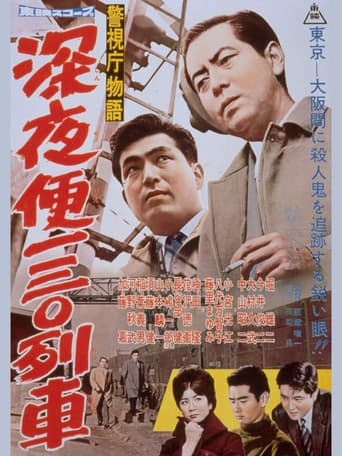
In a corner of a warehouse at Shiodome Station, a alumni trunk, is found with the terrible smell of decay. The dead body of a woman is inside. Since the trunk was shipped from Osaka Tennoji Station, the murder investigation headquarters were established in Tokyo and Osaka
Police Precinct Part 12
1960
 NR
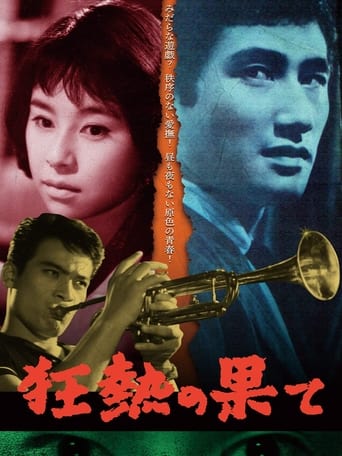
A leading postwar Japanese film critic and theorist who co-founded the seminal film magazine Eiga Hihyo (Film Criticism) in 1957, Eizo Yamagiwa made his directorial debut with this independent feature—long thought lost until a negative was recently discovered—about a group of idle bourgeois students known as the “Roppongi Tribe” (Roppongi zoku). Depicting the resignation and nihilism of the postwar generation in the years following the Anpo Treaty conflicts through a coming-of-age narrative, Yamagiwa offers sharp criticism of the prevalent characterizations of Japan's new youth offered by Nikkatsu's taiyozoku (“Sun Tribe”) films and the New Wave at large.
The End of Love
1961
 7.5
Popular geisha Shinji (Fuji Junko) must defy a gang who plot to steal a lucrative coal business from struggling miners during the turbulent Meiji Era. A stellar all-star cast, a thrilling story, and Takakura Ken's violent swordplay, make this a classic Yakuza movie!
Samurai Geisha
1969
 8.0
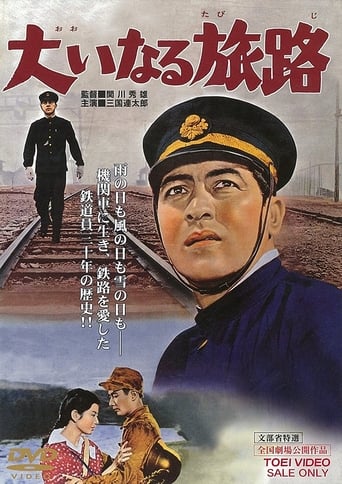
The story of a certain engineer from his youth until he retired from the Japanese National Railways after the war .
The Great Road
1960
 NR
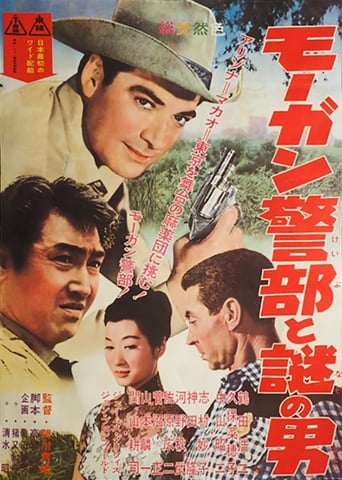
Detective Morgan and the Japanese police cooperate to unveil the truth of the mysterious death of Morgan’s friend in Arizona.
Officer Morgan and a Man of Mystery
1961
 9.0
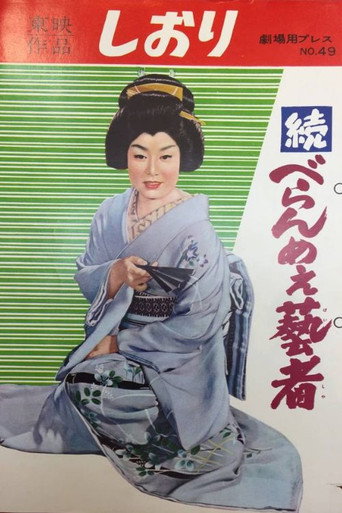
Young geisha Kohana scrambles to realize her dream of bringing back her grandmother’s restaurant business.
The Prickly Mouthed Geisha Part 2
1960
 NR
A story of Minako who struggles finding love and peace in life. When Minako’s hope for ultimate happiness, marriage to her beloved fiancé, comes to a sudden halt, Minako finds herself in search of new love which in turn leads her into a complicated love triangle.
Lakeside Figure
1961
 NR
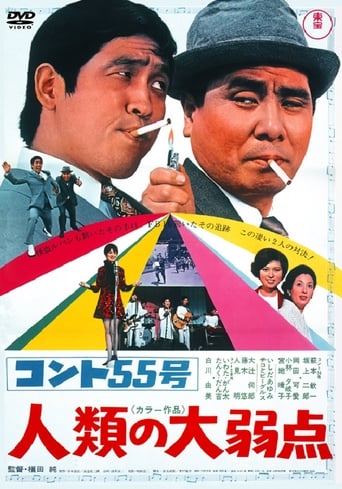
A Toho film featuring the comedy duo Konto 55, (コント55号), comprised of comedians Kinichi Hagimoto and Jiro Sakagami.
Konto 55: Mankind's Weaknesses
1969
 6.0
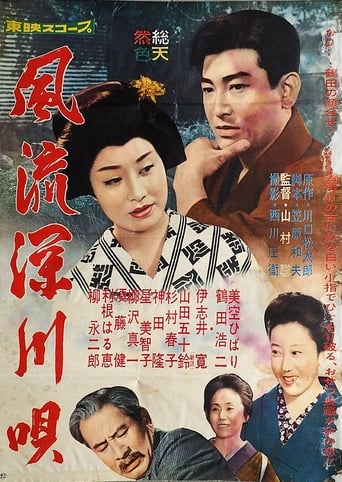
A poignant story about a young couple, Setsu and Chozo, who are torn apart to save Setsu's father's restaurant.
Deep River Melody
1960
 10.0
An honorable yakuza syndicate deeply rooted in Kyoto fights for survival when a new breed of gangsters threaten their very existence.
Japan's Violent Gangs: The Boss and the Killers
1969
 8.0
Based on the mystery novel of the same name by Seichō Matsumoto.
The Yellow Climate
1961
 NR
1961 Japanese movie
若い涙を吹きとばせ
1961
 NR
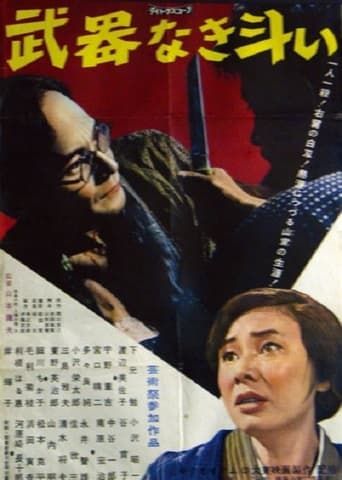
It's a story of the life of a man who advocated the necessity of sex education to children, which was unusual at the time, solely opposed to the amendment of the Peace Preservation Law, and was assassinated by a rightist prior to his opposition speech.
The War Without Weapons
1960
1950s · 38 titles
7.5A bus making its precarious way across a winding mountain road picks up some unwelcome passengers.
Eight Hours of Terror
1957
7.4Historical fiction about the aftermath of the atomic bombing of Hiroshima, Japan, on 6 August 1945, and its effects on various civilians, especially children, of that city.
Hiroshima
1953
 8.5
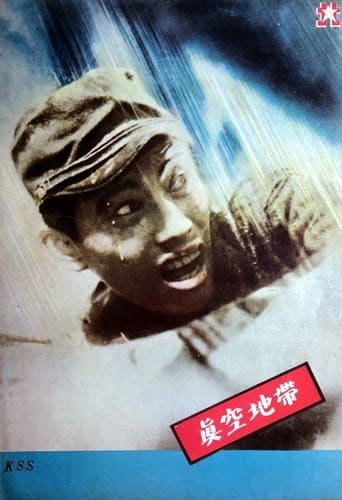
Just before the end of the war, Japanese soldier Kitani is released from prison, having served his term for theft. Told in flashback, viewers learn about Kitani's past and reasons behind his prison sentence.
Vacuum Zone
1952
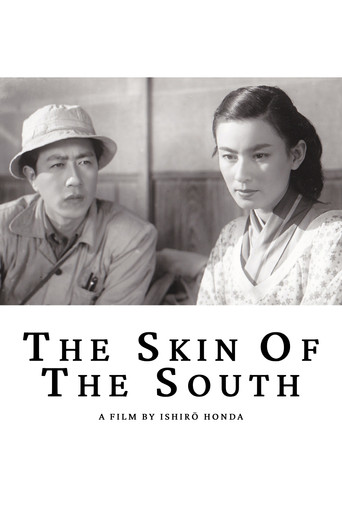 8.0
When a group of young geologists declares a mountainside marked for residential development unstable, they are met with scorn on two fronts. On one end, they must contend with the local villagers who balk at the prospect of relocation; on the other, they face the ambitions of the headstrong lumber baron, whose actions will only further destabilize the land. Their pleas for reason ignored, the scientists can do little but observe as nature runs its inevitable course.
The Skin of the South
1952
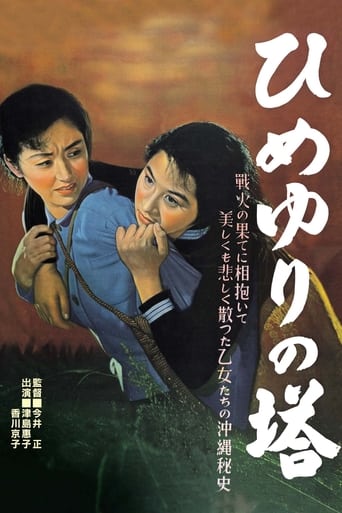 6.8
A group of Okinawan high school girls are drafted as nurses during the American invasion of the island. As the enemy army advances further, the situation for the girls becomes increasingly desperate as food and shelter run out and the number of injured climbs, leading to the film's tragic finale.
Tower of Lilies
1953
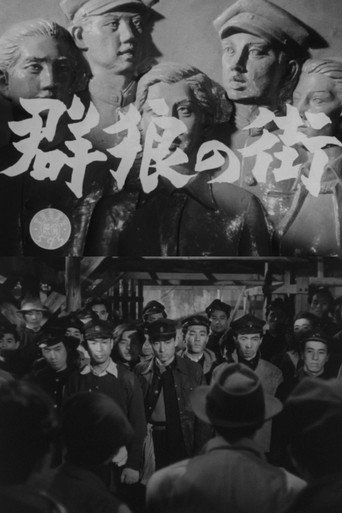 NR
There are male and female students working part-time jobs in the city center while facing the harsh realities of society as they struggle to pay for tuition and living expenses, and there are those who prey on these students. The Sugita-gumi, which was supposed to have been disbanded under the Ordinance on the Regulation of Organizations, established the “Student Part-Time Workers’ Association” and began ensnaring innocent students in its clutches. Eguchi of the student newspaper editorial board and his fellow staff members begin an investigation to expose the Sugita-gumi’s misdeeds.
Gunrō no machi
1952
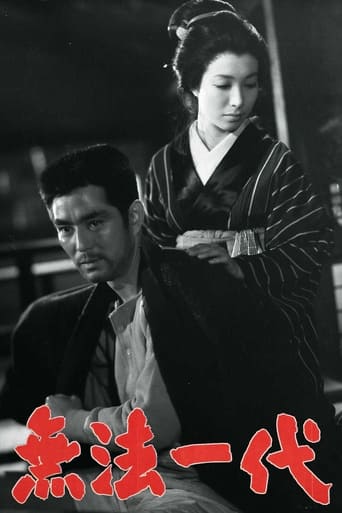 NR
The movie is about a man who started a brothel to make money out of his poor circumstances in the late Meiji period.
Muhō Ichidai
1957
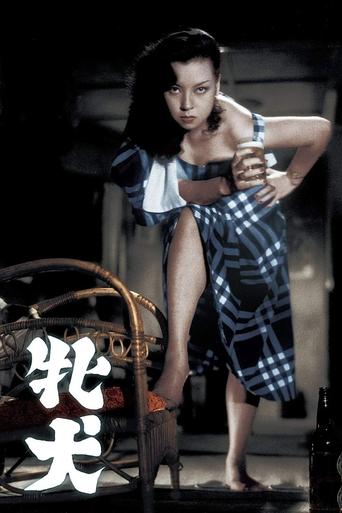 8.0
The fall of an accountant enthralled by the sexual charms of a cabaret dancer.
The Bitch
1951
 NR
The 1st movie in the Kobushidake denki series.
Kobushidake denki: Kogane jigoku
1956
 NR
A fierce battle between a vicious train criminal and a police officer.
Tetsuro no dankon
1950
A brutal murder in the dead of night. While the man who left bloody fingerprints and footprints screams he is innocent, the intelligent criminal, driven by greed and lust, smirks in the shadows.
Designated Criminal
1950
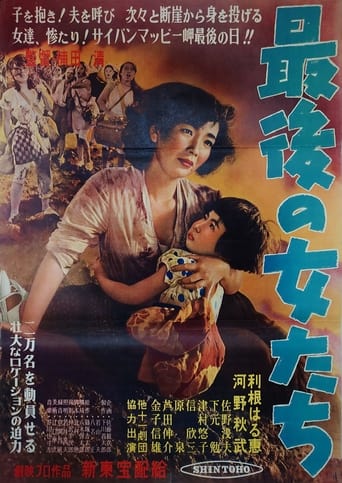 NR
The events of the film are based on the real facts of the Pacific War, when in June 1944 the American troops began landing on the Saipan island. On July 7, an order comes that everyone must die in order not to be captured by the enemy.
The Last Women
1954
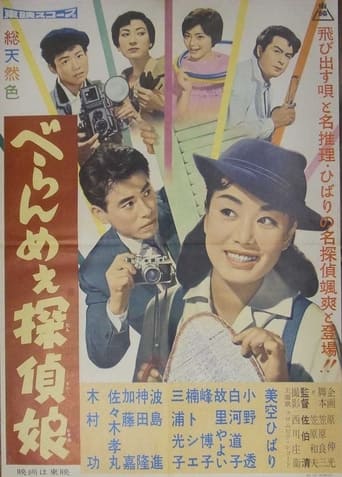 NR
Woman private eye Emiko goes undercover to reveal the truth of a murder case.
Tokyo Detective Girl
1959
Japanese drama film.
The Motherless
1955
1956 Japanese film, originally released in three parts.
Kobushidake denki
1956
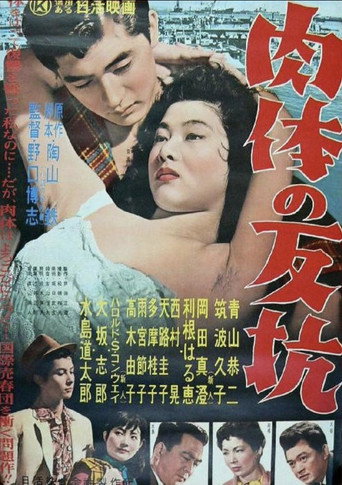 NR
No synopsis available yet.
Devil Flesh
1957
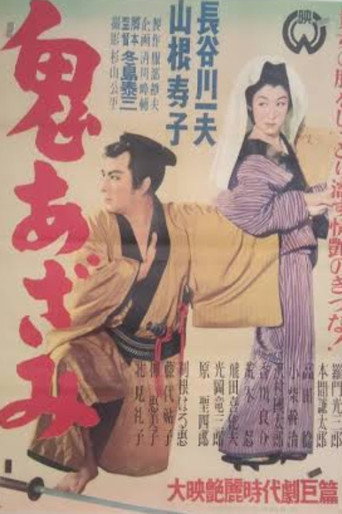 NR
Five years after parting ways, two people who had once envisioned a life together met again: he was a yakuza out of work, and she was a woman of the night.
Oni azami
1950
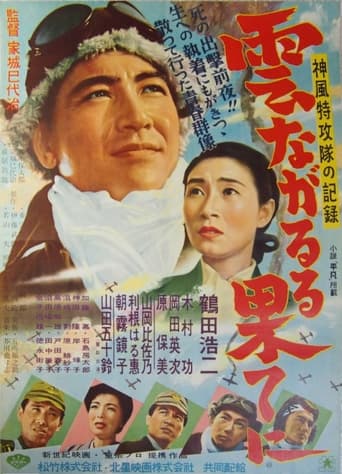 NR
A movie that depicts the tragic fate of many Yokaren flight-academy pilots.
At the End of the Clouds
1953
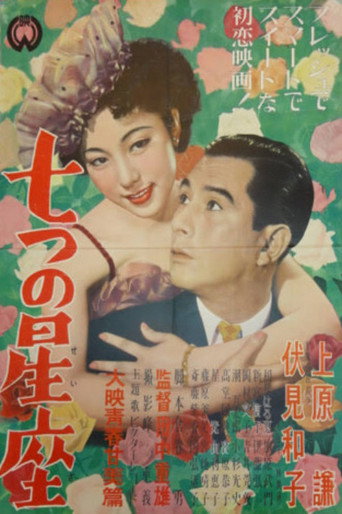 NR
A story of first love between a misogynistic astronomer and a dancer he met on the street.
Nanatsu no seiza
1951
A mysterious beauty with two faces on the magical island of the distant sea of mystery. Sequel to Hagetaka (1950).
Pirate Island
1950
 9.0
Office worker comedy by Nobuo Nakagawa
Today is Payday
1952
 7.0
With one million yen in stolen cash, Kurita plans his escape to Hokkaido with an unwilling bar girl named Katsumi.
Heat and Mud
1950
 NR
The 2nd movie in the Kobushidake denki series.
Kobushidake denki : hito hada jigoku
1956
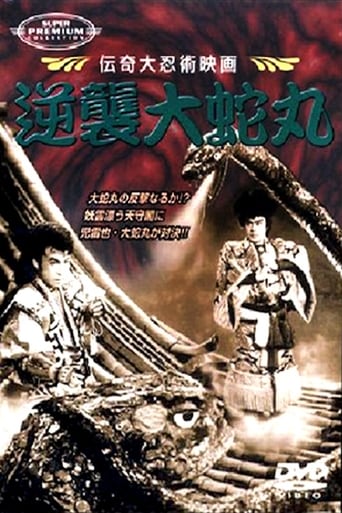 6.0
An early fantasy film starring Tomisaburô Wakayama.
Gyakushû Orochimaru
1955
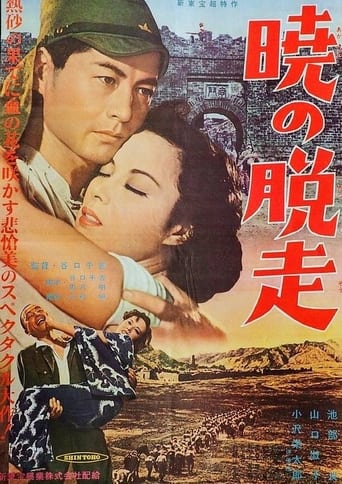 6.0
Mikami, a Japanese soldier, is captured by Chinese forces. Although able to escape, he is treated with contempt by his peers. After falling in love with a prostitute named Harumi, she convinces him to desert the army and live with her.
Escape at Dawn
1950
A late-night murder, a kidnapping… and a thrilling tale of the legendary “Cndor” in action as he takes on a counterfeit currency ring operating deep beneath the metropolis.
Condor
1950
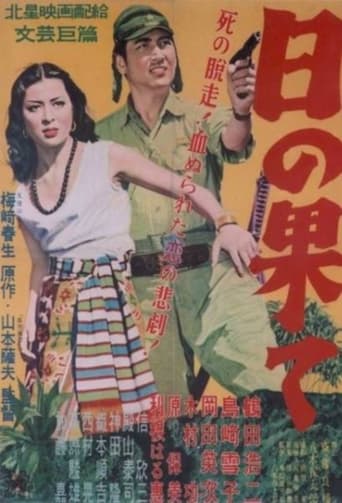 7.5
Military doctor Leutenant Hanada deserts during the war in the Philippines with a local girl. The officer in command orders Lieutenant Uji to shoot Hanada. Uji takes a sharpshooter called Takagi and tracks him. At first Uji cannot forgive Hanada but as Uji is isolated from the main force he too starts to think of desertion.
The End of a Day
1954
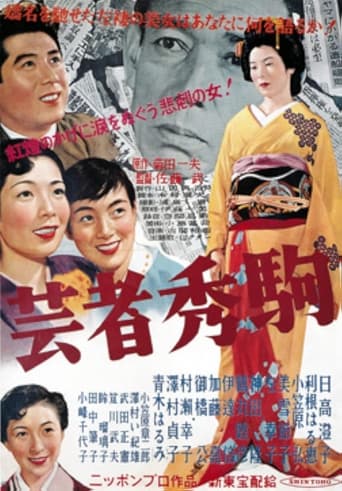 NR
As a bid to win contacts, ship building companies wine and dine political leaders, inviting the geisha Hidekoma and Hidechiyo to entertain the politicians.
Geisha Hidekoma
1954
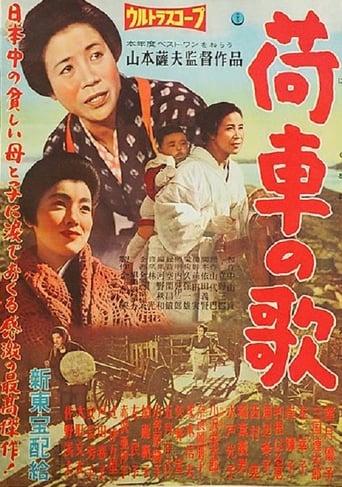 6.9
A lifetime story of a woman who stubbornly lives in a poor mountain village in post-war Japan.
The Song of the Cart
1959
 8.0
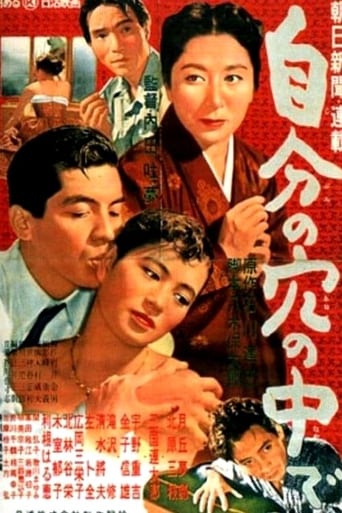
Nobuko is a widow who lives with her stepchild Tamiko and her brother Junjiro. The family's gatekeeper, Komatsu, is attracted to Tamiko, but she is encouraged to marry a doctor and he is afraid to tell her his feelings.
A Hole of My Own Making
1955
 NR
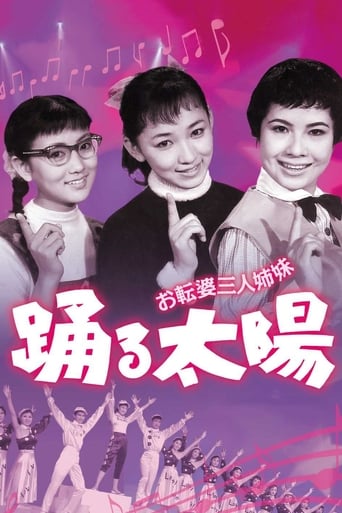
It’s been five years since her husband had passed away. Fuyuko lives in the quiet suburbs, in a small but loving home with her three beautiful daughters. Haruko, the eldest, is the lead vocalist in a band. Natsuko is the conscientious type, who spends her days in ballet classes beautifying herself. The youngest of the three, Akiko is a bookworm who found her niche in philosophy. Although the sisters may appear to have nothing in common, there is one thing they all agree on; "Mom needs a new husband".
Dancing Sisters
1957
 8.0
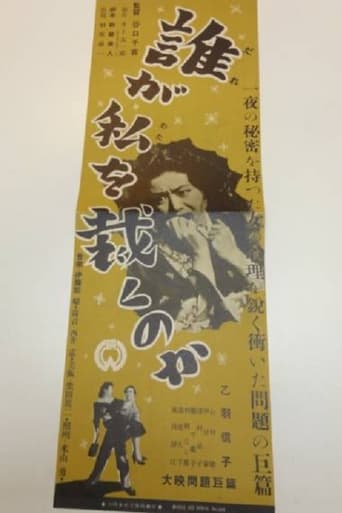
Directed by Senkichi Taniguchi
Who Will Judge Me?
1951
 8.0
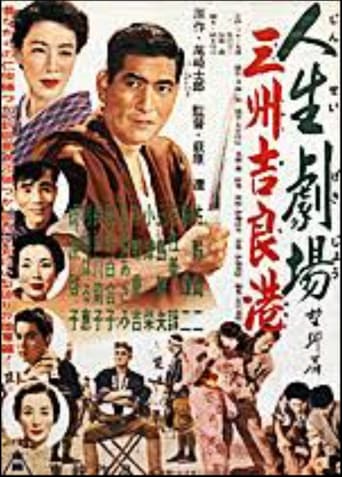
1954 Theater of Life adaptation.
Jinsei Gekijo Yokubo hen: sanshu kirako
1954
 9.0
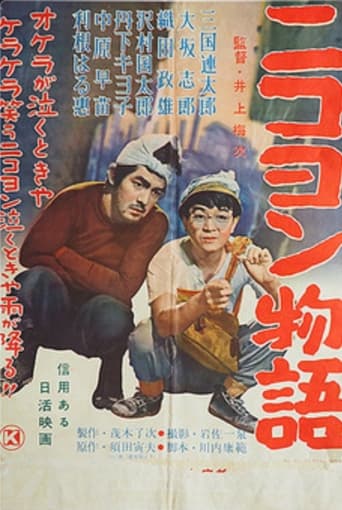
Japanese drama film.
Nikoyon monogatari
1956
 NR
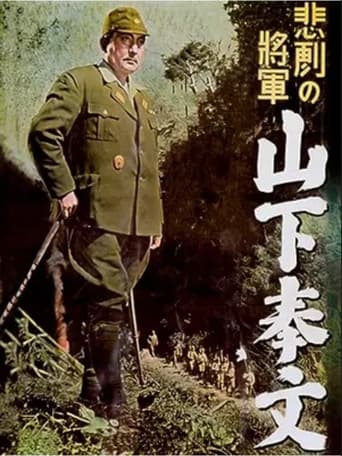
When Japan entered into the great tragedy that was unforgettable, the general general of the history of the Ming Dynasty, hokudai Yamashita, left the Malay front and occupied Singapore at once, and was praised as a "Malay tiger." However, the situation in Japan changed steadily by the failure of Sai pan from the GA Talca translation.
The Tragic General: Yamashita Tomoyuki
1953
 8.0
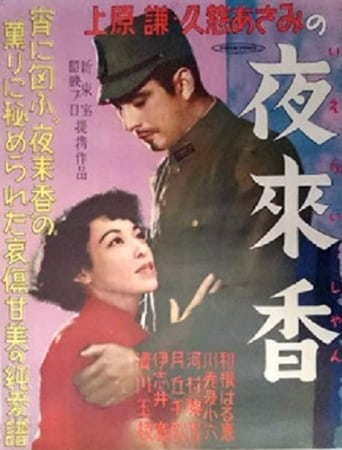
Japanese "kayo" film based on the song "Ieraishan" by Yoshiko Yamaguchi.
Nightshade Flower
1951
 8.5
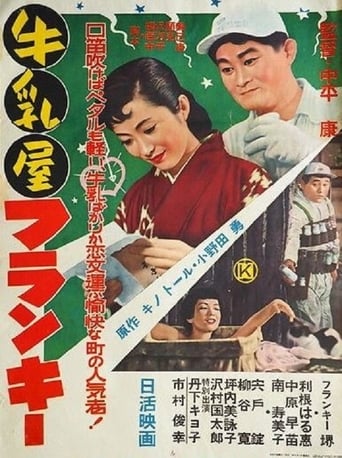
Roppeita is big in size, clumsy and full of energy. When his grandfather orders him to move out to Tokyo to save a sinking milk delivery business a distant relative of his runs, he encounters the most strangest of clientele.
Frankie the Milkman
1956
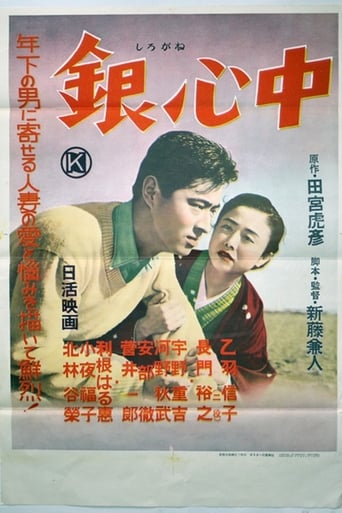 8.0
Based on the novel by Torahiko Tamiya.
Love is Lost
1956