

Acting
Lilian Constantini
Born — Died
1902-09-26 — 1982-01-04
Place of birth
Paris, France
Known for
Acting
Credits
10 titles
Known for
 7.0
7.0Popular songs accompany two scenes of happiness: a jovial railway worker and a group of children dancing.
Ceux qui ne s’en font pas
1930
 7.0
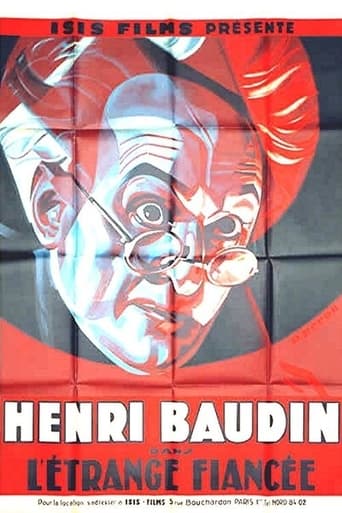
7.0Two young people, during a hike on the C te d'Azur, meet a woman of great beauty whose driver has a sinister appearance. They find her in a castle. In reality it is a lunatic asylum whose head doctor has lost his mind. notes: Lilian Constantini protested after the presentation of the film, on the way it had been sounded. Indeed, the voice that had been lent to him had had the gift of bringing joy to the public.
The Strange Bride
1930
 7.0
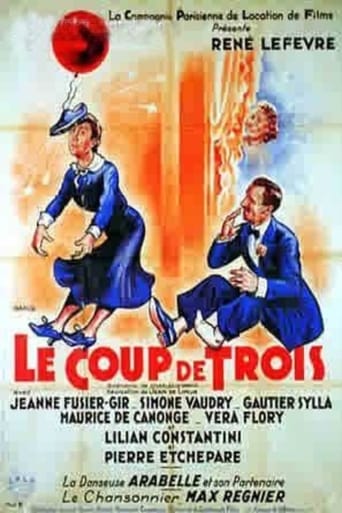
7.0Popolka takes advantage of the absence of his shrew of a wife to indulge in the delights of single life. His manager showers him with favors because he is in love with a young woman whom he believes to be Popolka's wife. When Madame Popolka returns, the situation becomes confused...
Le coup de trois
1936
 9.0
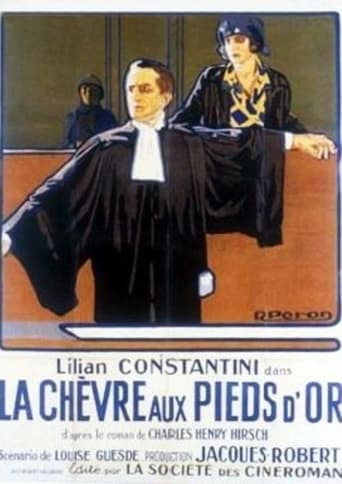
9.0Spy drama about a young dancer from a poor background in Poland who is forced by a baron to spy for him.
La Chèvre aux pieds d'or
1926
A beggar and a singer are in love with the same woman.
Naples au baiser de feu
1925
 6.5
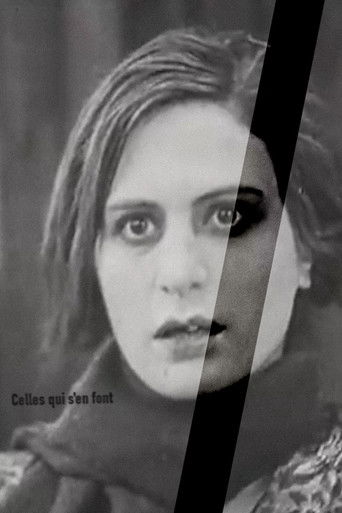
6.5A destitute, drunk woman appears to yearn for the life of a streetwalker.
Those Who Worry
1930
Film credits
1930s · 4 titles
7.0Popular songs accompany two scenes of happiness: a jovial railway worker and a group of children dancing.
Ceux qui ne s’en font pas
1930
7.0Two young people, during a hike on the C te d'Azur, meet a woman of great beauty whose driver has a sinister appearance. They find her in a castle. In reality it is a lunatic asylum whose head doctor has lost his mind. notes: Lilian Constantini protested after the presentation of the film, on the way it had been sounded. Indeed, the voice that had been lent to him had had the gift of bringing joy to the public.
The Strange Bride
1930
7.0Popolka takes advantage of the absence of his shrew of a wife to indulge in the delights of single life. His manager showers him with favors because he is in love with a young woman whom he believes to be Popolka's wife. When Madame Popolka returns, the situation becomes confused...
Le coup de trois
1936
6.5A destitute, drunk woman appears to yearn for the life of a streetwalker.
Those Who Worry
1930
1920s · 6 titles
9.0Spy drama about a young dancer from a poor background in Poland who is forced by a baron to spy for him.
La Chèvre aux pieds d'or
1926
A beggar and a singer are in love with the same woman.
Naples au baiser de feu
1925
No synopsis available yet.
Chacun porte sa croix
1929
 6.0
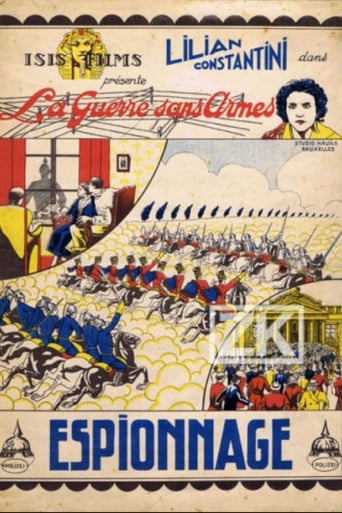
6.0This is the romanticized story of Louise de Bettignies, who was a spy and heroin of the First World War. In October 1914, in Roubaix, Geneviève de Vandeville delivers mail in secret. Brilliant and effective, she is soon contacted by the Intelligence Service who asks her to lead a team of spies. Geneviève, who is responsible for delivering intelligence from dangerous regions, enlists the help of Maria, a young girl who becomes her friend. Maria and her lover ask Geneviève to plan their escape into Holland. This mission will prove fatal for Geneviève. She is detected by the German counterespionage, arrested, and imprisoned in Brussels. She becomes sick and dies in prison before the war ends. Some time later, Maria and her lover pay their respects to the monument in effigy of Louise de Bettignies.
Espionnage ou la guerre sans armes
1928
 6.2
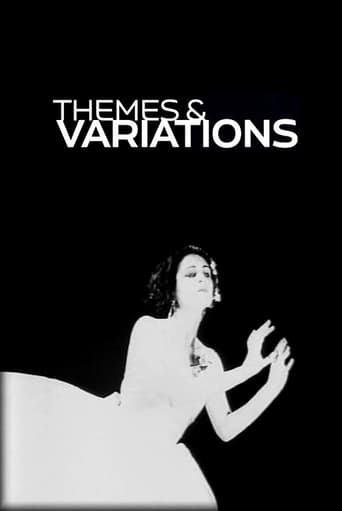
6.2I evoke a dancing woman. A woman? No. A bouncing line with harmonious rhythm. I evoke a luminous projection on veils ! Precise matter! No. Fluid rhythms. Why should one disregard, on screen, the pleasure that movement brings us in the theatre? Harmony of lines. Harmony of light. Lines, surfaces, volumes evolving directly, without the artifice of evocation, in the logic of its forms, dispossessed of any overly human sense, allowing an elevation towards the abstract, thus giving more space to sensations and to dreams : integral cinema. —Germaine Dulac
Themes and Variations
1928
The naval officer Maurice de Vergnes, tired of the extravagance of his fiancée Moussia, finds with pleasure a childhood friend: Anna. Jealous, Moussia breaks up with him and Maurice marries Anna. A few years later, Moussia reappears when war is declared. She is now a spy under the orders of Howell... This is a troncated version of a longer film.
En plongée
1926