

Known for
 6.0
6.0No synopsis available yet.
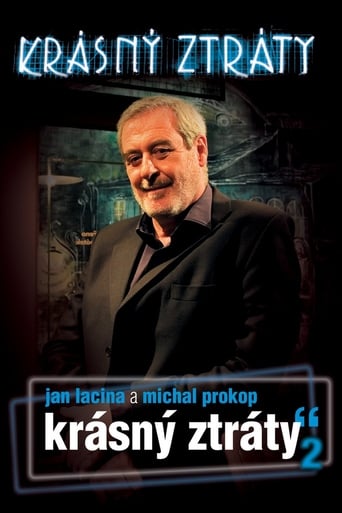
Krásný ztráty
2000
No synopsis available yet.
Unsere kleine Show - Musik zur blauen Stunde
1969
 10.0
10.0No synopsis available yet.
Český slavík
1996
No synopsis available yet.
GENUS
1995
No synopsis available yet.
Kam zmizel ten starý song
2004
No synopsis available yet.
Šaráda
1990
Film credits
2010s · 3 titles
 7.0
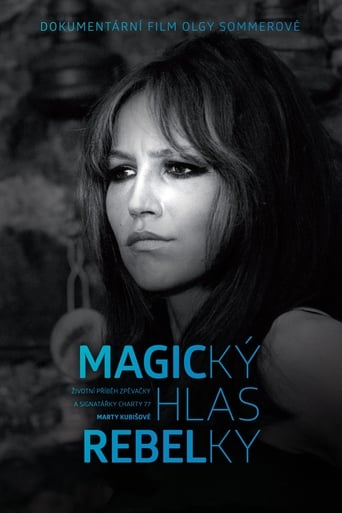
7.0'The Magic Voice of a Rebel' portrays the story of the Czech singer Marta Kubisová, who without never intending it, became a symbol of freedom for all generations in the newly free Czhecoslovakia in 1989. It is Marta herself who tells us her life story and how the Soviet invasion in Czechoslvakia in 1968 changed her life. Because of her deep involvement in the Prague Spring movement, she went from being the most popular singer in the country to being banned and suffering a sudden removal from the public scene by the new authorities imposed from Moscow. She refused to escape to exile and together with other banned intelectuals and artists became a disident instead. Blacklisted and persecuted by the secret police, she also suffered the betrayal of beloved people who were collaborating with the regime.
The Magic Voice of a Rebel
2014
No synopsis available yet.
Petra Janů 2012
2012
 NR
NRNo synopsis available yet.
Marta Kubisova lastime
2017
2000s · 4 titles
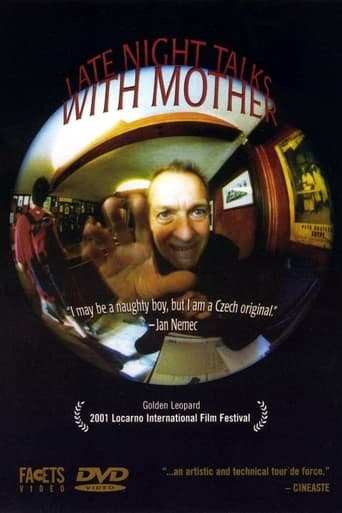 8.0
8.0Taking a cue from Franz Kafka's "Letter to My Father," this highly personal film follows Czech director Jan Nemec as he attempts to engage in a dialogue with his deceased mother. While alive, Nemec's mother had a troubled relationship with her son; this rumination seems to be Nemec's public platform for coming to terms with unresolved familial issues. The director embellishes his film by linking personal events with 20th century history.
Late Night Talks with Mother
2003
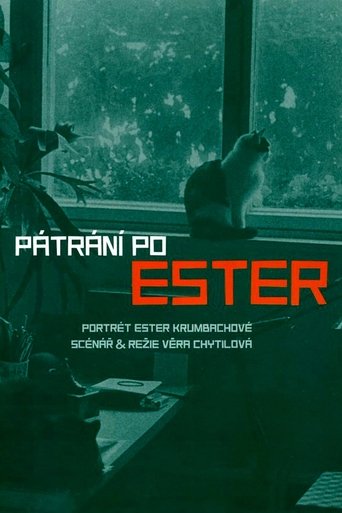 8.0
8.0Ester Krumbachová - a costume designer, screenwriter, director; one of the boldest personalities of the Czech New Wave. She worked in theatre, she was a writer and an illustrator. She co-created films such as O slavnosti a hostech (1966), Sedmikrásky (1966), Vsichni dobrí rodáci (1969), Pension pro svobodné pány (1968), Valerie a týden divu (1970), Slamený klobouk (1972) and many others. In the 1960s, she was a 'pivot' of the art scene in Prague, attracting artists who were on the threshold of their career, just setting out to find their own form of self-realization. Those who underwent her tutelage remember her forever. Director Vera Chytilová talks to those who knew Ester Krumbachová, who worked with her, befriended her, loved her. She sets off on a search that is to end by answering the question: Who was Ester?
Searching for Ester
2005
No synopsis available yet.
Vánoce s Hutkou
2000
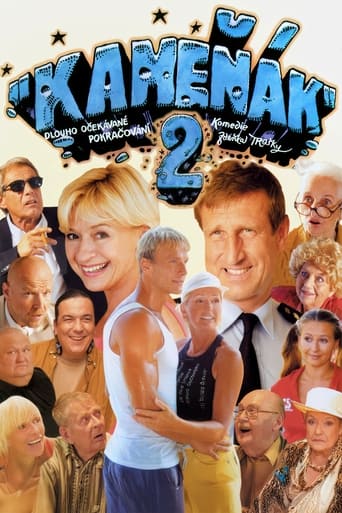 2.7
2.7Kameňák 2, inspired again by well-known and less well-known stone jokes (director Zdeněk Tročko received an incredible sixty thousand of them from the audience!) directly follows the first part, which ends with the gushing of a blue erectile spring from the rock at the Kameňákov castle. The miraculous effect of the blue spring on potency causes an unprecedented uproar in the town, and even old Kropáčková experiences its beneficial power. However, as suddenly as the spring appeared, it also disappeared. But did it really disappear? And where? The insidious granny Kropáčková knows this best, who in the second part becomes a terror to the young men in the town. The disappearance of the blue spring of a lucrative business has not let even the local mafia sleep. All traces lead unmistakably to the Kropáčková house in the manor house...
Bad Joke 2
2004
1960s · 7 titles
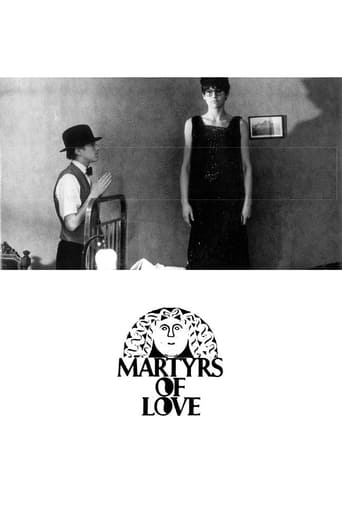 5.3
5.3Three loosely-connected tales that represent different aspects of love: temptation, dreams, and adventure.
Martyrs of Love
1967
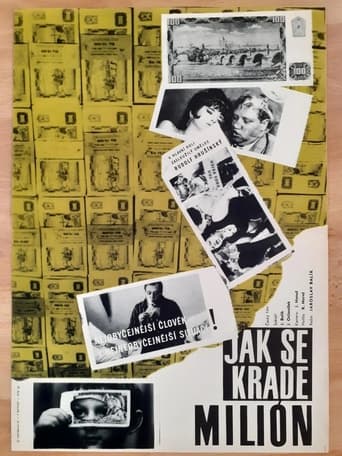 6.3
6.3The exemplary accountant Antonín Safránek lives his orderly life as a citizen of a small town. His wife Eliska brings up their three children and desperately tries to get by on her husband's low salary every month. At the same time, she sadly watches the luxurious life of their neighbor and other people like him who have no qualms about improving their standard of living by cheating. One day, the infallible Safránek makes a mistake in the cash clearance and there are nine one-hundred Crown bills left in the safe. An unexpected company control carried out the next day passes without problems and the account is closed. The temptation is too strong. The insufficient control enables Safránek to gradually steal one million Crowns.
Jak se krade milión
1967
No synopsis available yet.
Zlatý slavík 1966
1967
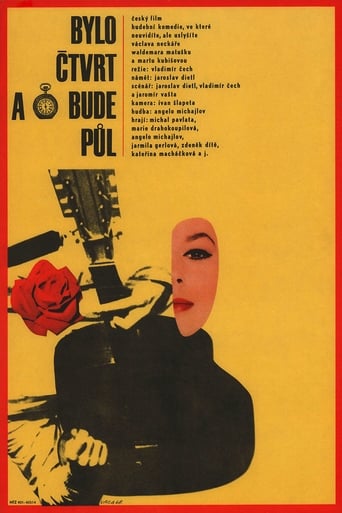 10.0
10.0Getting into the popular music spotlight is not easy, as even an enthusiastic amateur, an overconfident young man whose singing career soon fails, will find out... A tantalising insight into the backstage of the entertainment industry, neither the musical passages nor the unexpectedly massive participation of the singing stars of the time succeeded.
Bylo čtvrt a bude půl
1968
No synopsis available yet.
Revue na scestí
1966
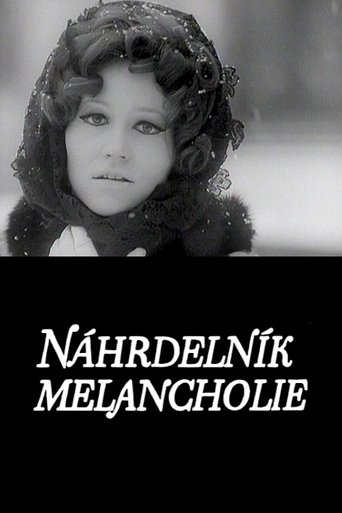 8.0
8.0A musical portrait of the legendary Marta Kubišová, filmed just before the August 1968 invasion restricted her artistic activities.
Necklace of Melancholy
1968
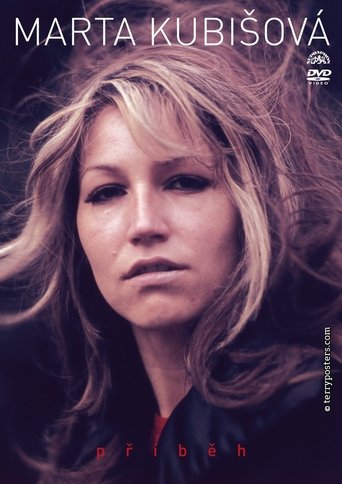 8.0
8.0Medallion of the extremely successful star of the 1960s Marta Kubišová.
Proudy lásku odnesou
1969

Series credits
6.0No synopsis available yet.
Krásný ztráty
2000
No synopsis available yet.
Unsere kleine Show - Musik zur blauen Stunde
1969
10.0No synopsis available yet.
Český slavík
1996
No synopsis available yet.
GENUS
1995
No synopsis available yet.
Kam zmizel ten starý song
2004
No synopsis available yet.
Šaráda
1990
 6.0
6.0No synopsis available yet.
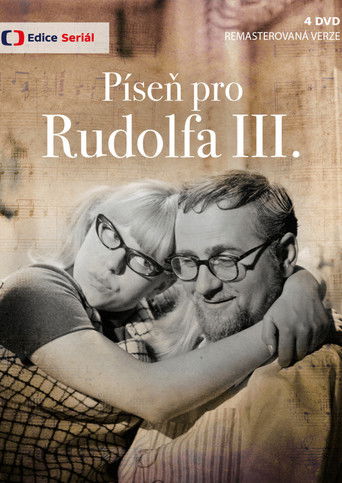
Píseň pro Rudolfa III.
1967
No synopsis available yet.
Marta
2019
No synopsis available yet.
Europarty
1967
No synopsis available yet.
Zlatý slavík
1967