
Writing
Osip Brik
Born — Died
1888-01-16 — 1945-02-22
Place of birth
Moscow, Russian Empire
Known for
Writing
Credits
4 titles
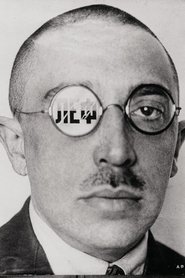
Osip Maksimovich Brik (Russian: Осип Максимович Брик) (16 January 1888 – 22 February 1945), Russian avant garde writer and literary critic, was one of the most important members of the Russian formalist school, though he also identified himself as one of the Futurists.
Known for
 6.5
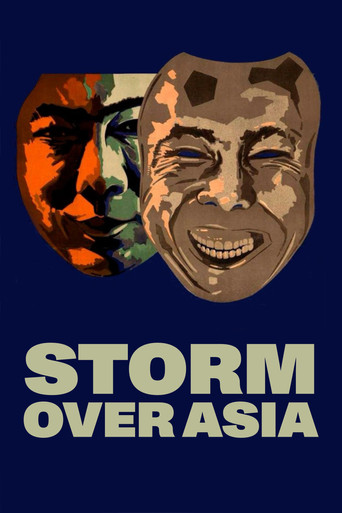
6.5Lowly Mongolian trapper Bair, shunned by his fellow trappers for fighting with a trader, flees his trading post and joins the Soviet partisans trying to oust the occupying British forces. After Bair is captured and shot by the British, they find an amulet on him suggesting he is a descendant of Genghis Khan. The soldiers nurse Bair back to health and use him to establish a puppet government, unaware that their plan will backfire when the puppet breaks his strings.
Storm Over Asia
1928
 4.7
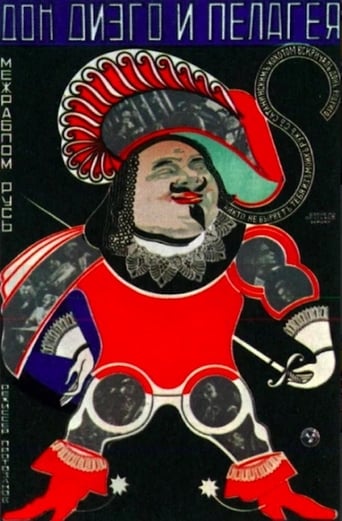
4.7The vain station master of a Russian train station out in the sticks has a quarrel with an old peasant woman and has her thrown in jail. The local party youth organisation finally manage to get her released, after having to cut through lots of red tape.
Don Diego and Pelagia
1928
 7.8
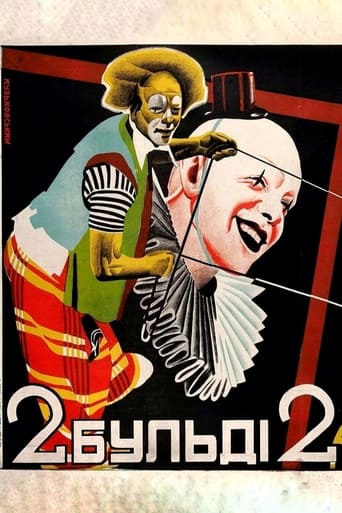
7.8A father and son, both clowns, are to perform together for the first time, but the civil war separates them, and the elder Buldy, tempted for a moment to acquiesce to the White forces, casts his lot with the revolution.
Two-Buldi-Two
1929
 10.0
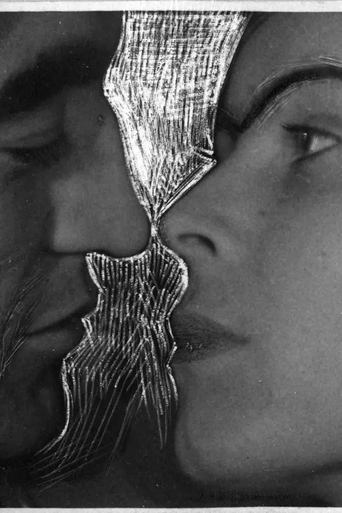
10.0The screen adaptation of the novel by Tadjik writer Sadriddine Aini, telling the story of a tramp who falls in love with a rich girl, was supposed to become the first full-length feature film in Central Asian film history. But the unfinished Dokhunda was banned by the Soviet authorities when film production was already in full swing. No footage survived. This is why Izvolov had to rely on Lev Kuleshov’s draft to study and appreciate the maestro’s vision and the unique aesthetic concept, which was never to be realised during Kuleshov’s lifetime.
Dokhunda
1934
Film credits
Behind the camera
6.5Lowly Mongolian trapper Bair, shunned by his fellow trappers for fighting with a trader, flees his trading post and joins the Soviet partisans trying to oust the occupying British forces. After Bair is captured and shot by the British, they find an amulet on him suggesting he is a descendant of Genghis Khan. The soldiers nurse Bair back to health and use him to establish a puppet government, unaware that their plan will backfire when the puppet breaks his strings.
Storm Over Asia
1928
7.8A father and son, both clowns, are to perform together for the first time, but the civil war separates them, and the elder Buldy, tempted for a moment to acquiesce to the White forces, casts his lot with the revolution.
Two-Buldi-Two
1929
10.0The screen adaptation of the novel by Tadjik writer Sadriddine Aini, telling the story of a tramp who falls in love with a rich girl, was supposed to become the first full-length feature film in Central Asian film history. But the unfinished Dokhunda was banned by the Soviet authorities when film production was already in full swing. No footage survived. This is why Izvolov had to rely on Lev Kuleshov’s draft to study and appreciate the maestro’s vision and the unique aesthetic concept, which was never to be realised during Kuleshov’s lifetime.
Dokhunda
1934