
Known for
 NR
Detten Schleiermacher did not start making films until late in life. He was actually a typographer. With “Trab Trab” he made an impish attempt to create a synthesis between Dadaism and New Objectivity. The film is a precise and elegant account of a racecourse. It does so without narration or images of either horses or patrons; everything we see has been captured either pre- or post-race.
Trot Trot
1959
A political allegory in an animated film about a city that is swallowed up by weeds growing with malevolent vigor because its inhabitants have not taken enough initiative.
Weeds
1962
 NR
No synopsis available yet.
Die Stadt
1960
No synopsis available yet.
The Pistol
1963
Short film about Helga, a young hairstylist.
Gesicht von der Stange?
1961
 4.5
Between Dorothy Lange and Walker Evans, a realistic and sensitive snapshot of the 1965 rural world in the South of West Germany.
Granstein
1965
Behind the camera
NRDetten Schleiermacher did not start making films until late in life. He was actually a typographer. With “Trab Trab” he made an impish attempt to create a synthesis between Dadaism and New Objectivity. The film is a precise and elegant account of a racecourse. It does so without narration or images of either horses or patrons; everything we see has been captured either pre- or post-race.
Trot Trot
1959
A political allegory in an animated film about a city that is swallowed up by weeds growing with malevolent vigor because its inhabitants have not taken enough initiative.
Weeds
1962
NRNo synopsis available yet.
Die Stadt
1960
No synopsis available yet.
The Pistol
1963
Short film about Helga, a young hairstylist.
Gesicht von der Stange?
1961
4.5Between Dorothy Lange and Walker Evans, a realistic and sensitive snapshot of the 1965 rural world in the South of West Germany.
Granstein
1965
 10.0
A short film by Vesely about the 'Folkwang School for Music, Dance, and Speech' located in Essen.
Folkwangschule für Gestaltung
1960
 7.0
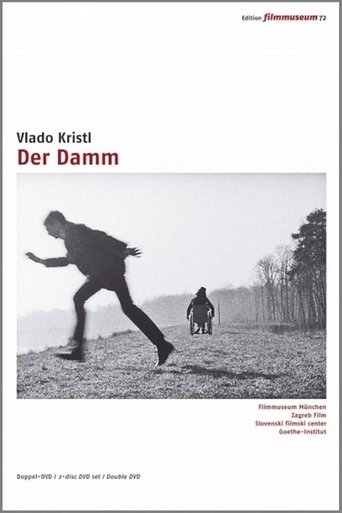
In The Dam, although it is an experimental film, Kristl eschews the necessary earnestness in addressing his subject. The manufactured, unambiguously humorless profundity proffered up by other German contemporaries is absent here. Laughter is allowed. Kristl takes the dreadful liberty of tomfoolery, sending up himself, the characters, the action, "tragedy," and everything else, including the audience, that might be held sacred. Within the framework of the action, we recognize a love triangle, one of the simplest of dramatic configurations. Not only the basic idea, but also numerous particulars, both in subject and style, are reminiscent of the films of Roman Polanski, which Kristl doubtless saw and holds in esteem. We meet two men: one is meant to embody the outsider, the artistic, intellectual, individualist. The other looks like the embodiment of the well-to-do man, the burgher, the functionary, the capitalist. The two battle for the favor of an indecisive and domineering girl.
The Dam
1964