
Directing
Lydia Chagoll
Born
1931-06-16 (95)
Place of birth
Voorburg, Zuid-Holland, The Netherlands
Known for
Directing
Credits
11 titles
Known for
 NR
NRPolish-Flemish philosopher Alicja Gescinska interviews national and international personalities with diverse philosophical and religious backgrounds.
Wanderlust
2016
A forty-year-old man loses his work and is unemployed. There is a continual coming and going between uncomfortable in his own skin unemployed person, his mistress - a middle-class - and an exuberant and fragile girl.
Tijd om gelukkig te zijn
1982
 NR
NRNo synopsis available yet.
Duo-portret
—
 9.0
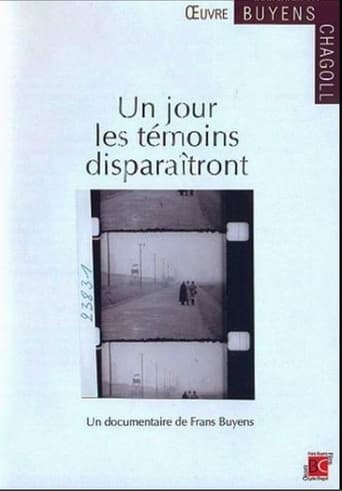
9.0Following the archival horror of the liberation of Nazi concentration camps, this poignant documentary chronicles a study trip organized by the Belgian Auschwitz-Birkenau Association. The film follows 120 young university students and 10 Holocaust survivors as they journey back to Auschwitz and Birkenau. Standing on the historic grounds, the youth confront the devastating past. Through deeply personal dialogues, survivors and students openly debate ethics, institutional racism, and the dangers of dictatorship.
Un jour les témoins disparaîtront
1979
No synopsis available yet.
Marina Rodna
—
 9.0
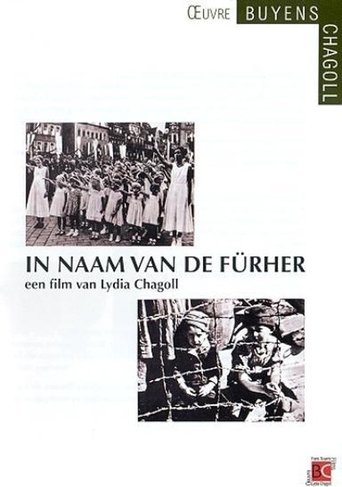
9.0This film deals with the fate of children during the Second World War. The Nazis divided children into two categories: “the good ones,” the Aryan children, and “the bad ones,” the others. In the name of ultranationalism, Nazism, the theory of the Übermensch, and racism, Aryan children were mentally indoctrinated, while the others were imprisoned in camps and physically destroyed. These “others” were mainly children from non-Aryan and supposedly impure races: Jews, Poles, Russians, Yugoslavs, and Roma. For this film, Lydia Chagoll conducted research in World War II documentation centers, museums, and concentration camp archives in several countries, collecting texts, documents, and photographs. The film consists of a montage of photos and footage filmed by the Nazis themselves, accompanied by voice-over commentary based entirely on quotations from Nazi publications, laws, decrees, directives, newspapers, schoolbooks, reports, and political texts.
In naam van de Führer
1978
Film credits
Undated · 1 titles
Series credits
Behind the camera
A forty-year-old man loses his work and is unemployed. There is a continual coming and going between uncomfortable in his own skin unemployed person, his mistress - a middle-class - and an exuberant and fragile girl.
Tijd om gelukkig te zijn
1982
NRNo synopsis available yet.
Duo-portret
—
9.0Following the archival horror of the liberation of Nazi concentration camps, this poignant documentary chronicles a study trip organized by the Belgian Auschwitz-Birkenau Association. The film follows 120 young university students and 10 Holocaust survivors as they journey back to Auschwitz and Birkenau. Standing on the historic grounds, the youth confront the devastating past. Through deeply personal dialogues, survivors and students openly debate ethics, institutional racism, and the dangers of dictatorship.
Un jour les témoins disparaîtront
1979
No synopsis available yet.
Marina Rodna
—
9.0This film deals with the fate of children during the Second World War. The Nazis divided children into two categories: “the good ones,” the Aryan children, and “the bad ones,” the others. In the name of ultranationalism, Nazism, the theory of the Übermensch, and racism, Aryan children were mentally indoctrinated, while the others were imprisoned in camps and physically destroyed. These “others” were mainly children from non-Aryan and supposedly impure races: Jews, Poles, Russians, Yugoslavs, and Roma. For this film, Lydia Chagoll conducted research in World War II documentation centers, museums, and concentration camp archives in several countries, collecting texts, documents, and photographs. The film consists of a montage of photos and footage filmed by the Nazis themselves, accompanied by voice-over commentary based entirely on quotations from Nazi publications, laws, decrees, directives, newspapers, schoolbooks, reports, and political texts.
In naam van de Führer
1978
9.0This film deals with the fate of children during the Second World War. The Nazis divided children into two categories: “the good ones,” the Aryan children, and “the bad ones,” the others. In the name of ultranationalism, Nazism, the theory of the Übermensch, and racism, Aryan children were mentally indoctrinated, while the others were imprisoned in camps and physically destroyed. These “others” were mainly children from non-Aryan and supposedly impure races: Jews, Poles, Russians, Yugoslavs, and Roma. For this film, Lydia Chagoll conducted research in World War II documentation centers, museums, and concentration camp archives in several countries, collecting texts, documents, and photographs. The film consists of a montage of photos and footage filmed by the Nazis themselves, accompanied by voice-over commentary based entirely on quotations from Nazi publications, laws, decrees, directives, newspapers, schoolbooks, reports, and political texts.
In naam van de Führer
1978
 NR
NRNo synopsis available yet.
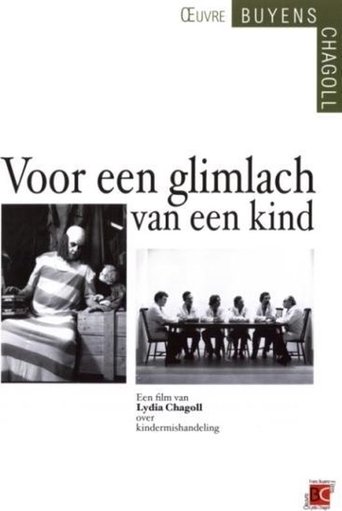
Voor een glimlach van een kind
—
No synopsis available yet.
Weten waarom
—