
Art
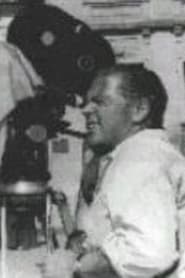
Ralph Pappier
Born — Died
1914-01-14 — 1998-09-17
Known for
Art
Credits
12 titles
Ralph Pappier was a renowned Argentinian scenographer from the 40s and 50s, during Argentina's golden age of cinema. He also directed 10 films, most of them became classics.
Known for
 10.0
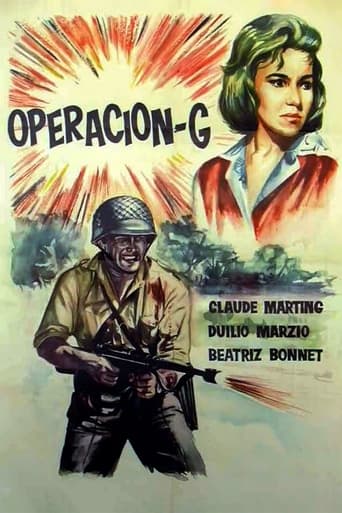
10.0The National Gendarmerie combats arms smuggling in Alto Paraná.
Operación "G"
1962
 10.0
10.0After seven years in jail, a woman is released and has to re-enter society.
A Woman...
1975
 8.0
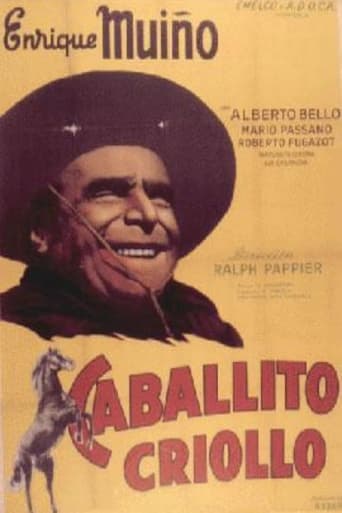
8.0A young horse breeder will show his grandfather how they can adapt to the times and prove his theory.
Native Pony
1953
 6.0
6.0Contrary to the principles of his mother and sister, a boy falls in love with a woman of light life.
Pobre mi madre querida
1948
 NR
NRThe action takes place in Comodo Rivadavia, and reenacts a 1907 mission lead by José Fuchs, who was supposed to find water but found oil instead.
Allá donde el viento brama
1963
 10.0
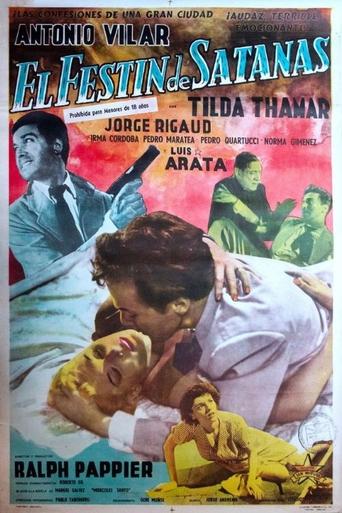
10.0With his own money, Pappier produced this ambitious adaptation of Manuel Gálvez's "Miércoles Santo", whose release was delayed for three years due to political reasons. When it finally came out, it bombed, but its formal originality was mentioned even in unfavorable reviews. Later, it became a cursed film, impossible to see due to lack of prints. To date, it remains lost in great part.
El festín de Satanás
1958
Film credits
Behind the camera
10.0The National Gendarmerie combats arms smuggling in Alto Paraná.
Operación "G"
1962
8.0A young horse breeder will show his grandfather how they can adapt to the times and prove his theory.
Native Pony
1953
6.0Contrary to the principles of his mother and sister, a boy falls in love with a woman of light life.
Pobre mi madre querida
1948
NRThe action takes place in Comodo Rivadavia, and reenacts a 1907 mission lead by José Fuchs, who was supposed to find water but found oil instead.
Allá donde el viento brama
1963
10.0With his own money, Pappier produced this ambitious adaptation of Manuel Gálvez's "Miércoles Santo", whose release was delayed for three years due to political reasons. When it finally came out, it bombed, but its formal originality was mentioned even in unfavorable reviews. Later, it became a cursed film, impossible to see due to lack of prints. To date, it remains lost in great part.
El festín de Satanás
1958
 7.8
7.8The film tells the story of the payador José Betinotti, a mythical character in Argentine music. It faithfully reconstructs the scenarios of the early twentieth century: the workers' struggles, the party meetings of the caudillos and the circus criollo, the cradle of Argentine theater and music.
El último payador
1950
 NR
NRA police officer joins a gang of smugglers to try to unmask its members.
Delito
1962
 8.0
8.0No synopsis available yet.
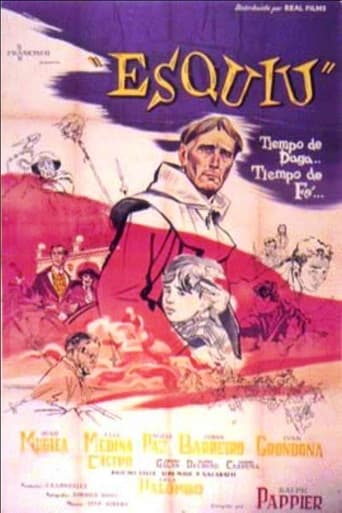
Esquiú, una luz en el sendero
1965
 10.0
10.0This short film is the most famous Peronist propaganda piece, most likely due to the expressionist visual power of Pappier's imagery. It is based on a poem by José María Fernández Unsaín in which a couple of workers (Fanny Navarro and Pedro Maratea) compares a past of explotation and misery with the new Argentina of Peronist social justice.
Ayer y hoy
1951
 9.0
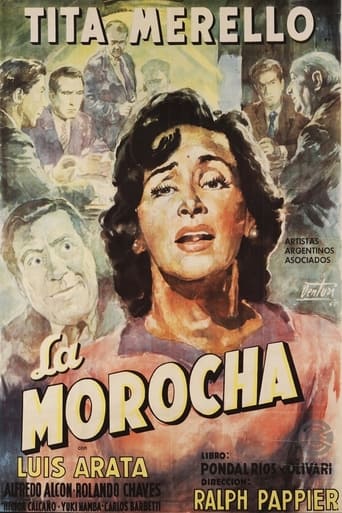
9.0A prostitute persecuted by the police, receives the interested protection of a greedy merchant. He takes refuge in his house one night and meets his nephew, a sensitive boy who wants to be a musician.
La morocha
1958
 9.0
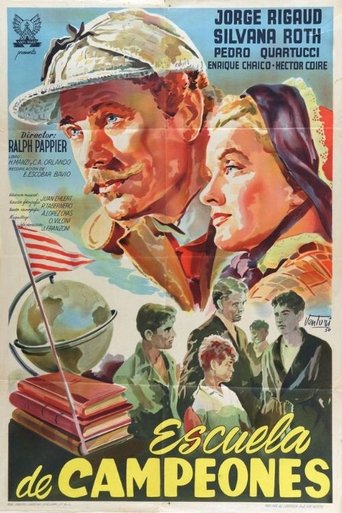
9.0It is the reconstruction of the history of the Buenos Aires English High School and of the legendary Alumni club, made up of its students, who dominated Argentine football in the first decade of the 20th century and its president, Alejandro Watson Hutton, The first president of the Argentine Football Association, considered the father of Argentine football.
Escuela de campeones
1950