
Writing
Marie-Hélène Estienne
Known for
Writing
Credits
6 titles
Known for
 5.5
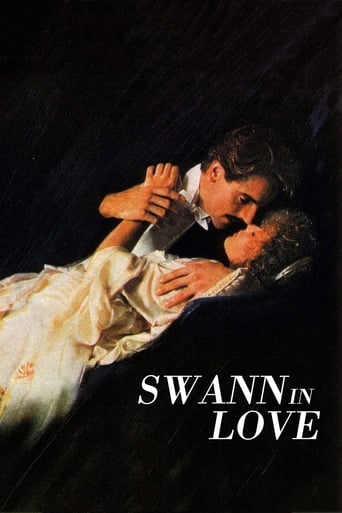
5.5In Belle Époque Paris, a 19th-century Parisian aristocrat falls in love with a lower-class prostitute who seduces him but never loves him.
Swann in Love
1984
 8.0
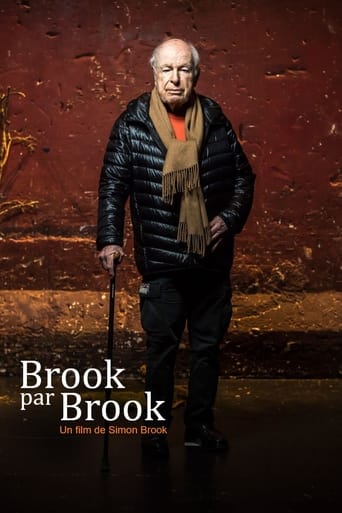
8.0An intimate portrait of director Peter Brook by his son, Simon Brook.
Brook by Brook
2002
 7.1
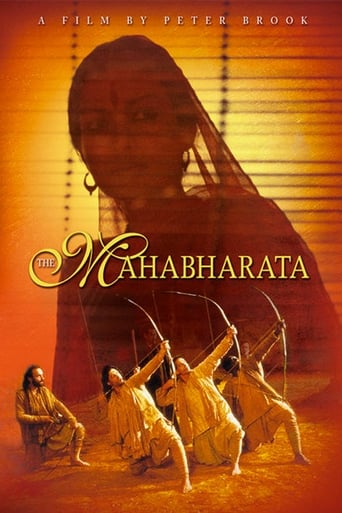
7.1Jealousy and hatred is what separates the Pandavas and Kauravas. The Kauravas fear the Pandavas are after the throne of their father. Yudhishthira of the Pandavas gets told by the deity, Krishna, that he will become king. A war is inevitable.
The Mahabharata
1990
 NR
NRWith hindsight, we can see exactly how wrong the labels given to Samuel Beckett have been, since it has been said that his writing was sad, negative and desperate. Nowadays, it can be said that several of his pieces submerge us in the reality of human existence, but with an element of humor - and it is this humor that has saved us. Beckett rejects every theory, every core belief, looking for the truth. He observes people amid the darkness and takes them into what is vast and unknown about life, so they can discover their truth by taking a look at themselves and others. Like Beckett, we share their uncertainty, their search, their pain. This theatrical reflection by the masters of European theater, Peter Brook and Marie-Hélène Estienne, incorporates parts of Fragments, a piece premiered in 2008 and filmed in 2015 and which contains the short plays Rough For Theater I, Rockaby, Act Without Words II and Neither.
Beckett by Brook
2018
In 1972, what does making a film mean? How does a movie make? What is the relationship between the producer of shows and the spectator? How does meaning travel in the story? These are the questions posed and proposed by the film.
Faire la déménageuse
1972
Film credits
Behind the camera
5.5In Belle Époque Paris, a 19th-century Parisian aristocrat falls in love with a lower-class prostitute who seduces him but never loves him.
Swann in Love
1984
7.1Jealousy and hatred is what separates the Pandavas and Kauravas. The Kauravas fear the Pandavas are after the throne of their father. Yudhishthira of the Pandavas gets told by the deity, Krishna, that he will become king. A war is inevitable.
The Mahabharata
1990
NRWith hindsight, we can see exactly how wrong the labels given to Samuel Beckett have been, since it has been said that his writing was sad, negative and desperate. Nowadays, it can be said that several of his pieces submerge us in the reality of human existence, but with an element of humor - and it is this humor that has saved us. Beckett rejects every theory, every core belief, looking for the truth. He observes people amid the darkness and takes them into what is vast and unknown about life, so they can discover their truth by taking a look at themselves and others. Like Beckett, we share their uncertainty, their search, their pain. This theatrical reflection by the masters of European theater, Peter Brook and Marie-Hélène Estienne, incorporates parts of Fragments, a piece premiered in 2008 and filmed in 2015 and which contains the short plays Rough For Theater I, Rockaby, Act Without Words II and Neither.
Beckett by Brook
2018
In 1972, what does making a film mean? How does a movie make? What is the relationship between the producer of shows and the spectator? How does meaning travel in the story? These are the questions posed and proposed by the film.
Faire la déménageuse
1972