
Acting
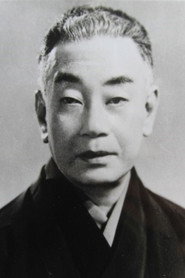
Ganjirō Nakamura II
Born — Died
1902-02-17 — 1983-04-13
Place of birth
Osaka, Japan
Known for
Acting
Credits
61 titles
Nakamura Ganjirō II was a Japanese kabuki and film actor. He appeared in more than 70 films between 1941 and 1980, directed by notable filmmakers such as Yasujirō Ozu, Kenji Mizoguchi, Akira Kurosawa, and Mikio Naruse.
Known for
 10.0
10.0Nakamura Mondo was relegated to a post in Hachioji from the Minamimachi Bugyōsho and he has retired from professional assassin. But one day he was ordered to return to the Minamimachi Bugyōsho. Shikazō worked behind the scenes to get Mondo back to the Minamimachi Bugyōsho. Shikazō asks Nakamura Mondo to kill a man, once Mondo refuses but he is blinded by big money and eventually take the offer. Mondo restarts killing villains again with Kazarishokunin no Hide and Nawate Samon.
Hissatsu Shigotonin
1979
 7.7
7.7Taking its title from an archaic Japanese word meaning "ghost story," this anthology adapts four folk tales. A penniless samurai marries for money with tragic results. A man stranded in a blizzard is saved by Yuki the Snow Maiden, but his rescue comes at a cost. Blind musician Hoichi is forced to perform for an audience of ghosts. An author relates the story of a samurai who sees another warrior's reflection in his teacup.
Kwaidan
1965
 7.5
7.5The family of an older man who runs a small sake brewery become concerned with his finances and his health after they discover him visiting an old mistress from his youth.
The End of Summer
1961
 NR
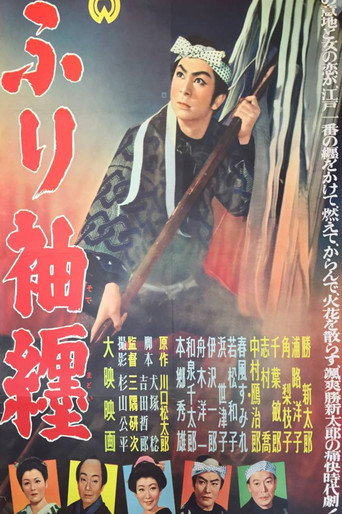
NRNo synopsis available yet.
Wearing a Long-Sleeved Kimono
1958
 7.3
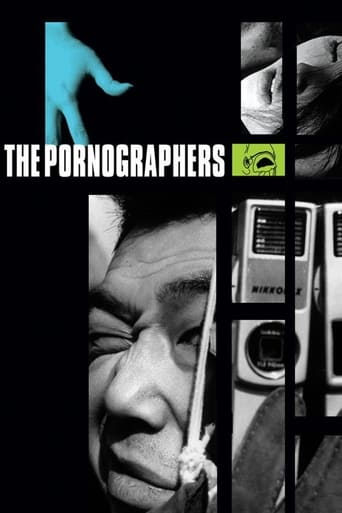
7.3A former Buddhist monk turned erotic filmmaker, Subuyan lives with hairdresser Haru and her two teenage children. Shooting two skin flicks per day, he somehow manages to stay out of the clutches of the yakuza, but real trouble starts when Haru discovers him lusting after her daughter.
The Pornographers
1966
 8.0
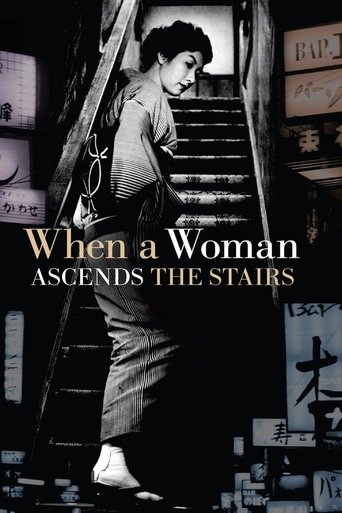
8.0Keiko, whom everyone calls Mama, narrates her story: she's a hostess on the Ginza, 30, a widow. She describes life's vicious cycle: acting cheerful around drunks, dressing and living well to convey confidence, needing money for these expenses and for her demanding mother and brother, and knowing she's growing older.
When a Woman Ascends the Stairs
1960
Film credits
1980s · 2 titles

1970s · 2 titles
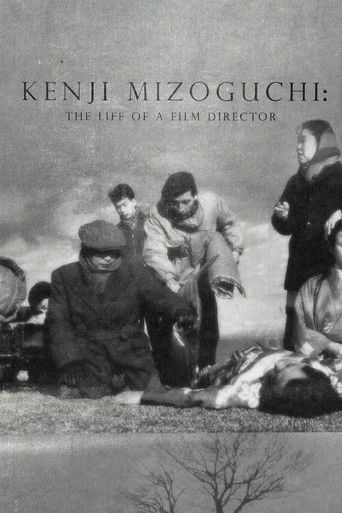 7.2
7.2In 39 interviews with actors and actresses, writers, producers and staff members, interspersed with film excerpts and stills, Shindō recounts the life and career of his friend and mentor Mizoguchi.
Kenji Mizoguchi: The Life of a Film Director
1975
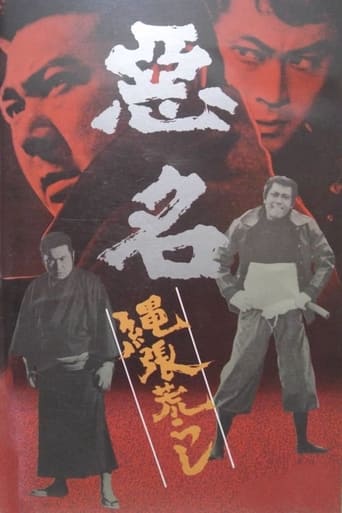 7.0
7.0About small-time gangster Asakichi's chaotic life in the 1930s. His gambling addiction means that he must not continue working in the family business. Instead he supports himself by arranging cockfights. He becomes ex-geisha Okinu's patron and lover, and falls directly into disfavor with the yakuza.
Akumyo: Notorious Dragon
1974
1960s · 36 titles
7.7Taking its title from an archaic Japanese word meaning "ghost story," this anthology adapts four folk tales. A penniless samurai marries for money with tragic results. A man stranded in a blizzard is saved by Yuki the Snow Maiden, but his rescue comes at a cost. Blind musician Hoichi is forced to perform for an audience of ghosts. An author relates the story of a samurai who sees another warrior's reflection in his teacup.
Kwaidan
1965
7.5The family of an older man who runs a small sake brewery become concerned with his finances and his health after they discover him visiting an old mistress from his youth.
The End of Summer
1961
7.3A former Buddhist monk turned erotic filmmaker, Subuyan lives with hairdresser Haru and her two teenage children. Shooting two skin flicks per day, he somehow manages to stay out of the clutches of the yakuza, but real trouble starts when Haru discovers him lusting after her daughter.
The Pornographers
1966
8.0Keiko, whom everyone calls Mama, narrates her story: she's a hostess on the Ginza, 30, a widow. She describes life's vicious cycle: acting cheerful around drunks, dressing and living well to convey confidence, needing money for these expenses and for her demanding mother and brother, and knowing she's growing older.
When a Woman Ascends the Stairs
1960
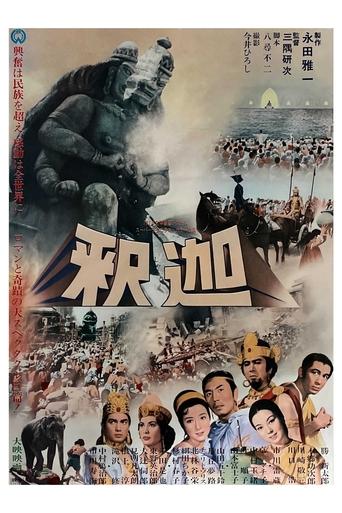 10.0
10.0An Indian prince leaves his world of comfort and riches behind to wander and meditate for six years in search of spiritual enlightenment. Siddartha (Cojoin Hong) turns his back on the old religion when people are starving needlessly and holy rituals include human sacrifices. During his meditations, he is tempted by erotic dancing women, demons, and the evil machinations of his criminal cousin. Devastate to attain the spiritual perfection and become the Buddha. He travels to convert followers by his kindness and wisdom, gaining a multitude of believers when he stops an elephant from crushing a local priest. Buddha of course goes on to become one of the great religious leaders of the world.
Buddha
1961
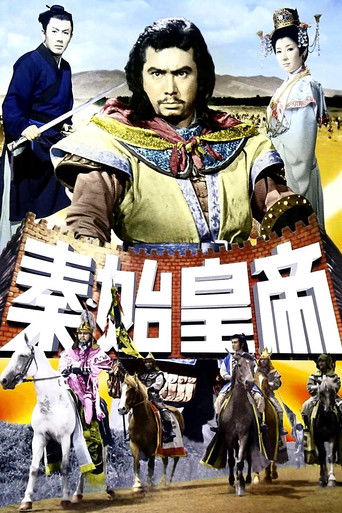 7.0
7.0In 221 BC, Qin Shihuangdi conquered the rest of China. Qin's great accomplishments and also his serious faults are showed in this film. Qin adopted autocratic dictatorship and led a luxurious life: abolition of feudalism and the centralization of power in the form of a now-hereditary bureaucracy loyal to himself; burning books and burying scholars; the construction of a sumptuous palace for his concubines and also the Great Wall.
The Great Wall
1962
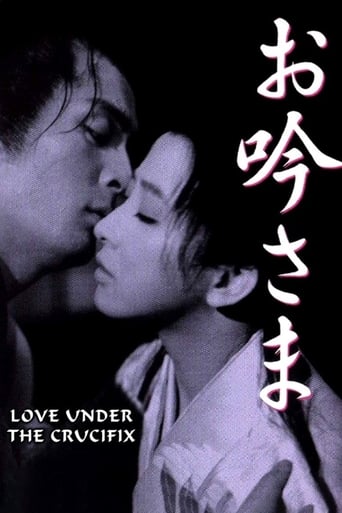 7.1
7.1A tea master and his daughter Ogin are both Christians in feudal Japan. Ogin falls in love with a married feudal prince who shares her faith. When the Shogun bans Christianity, the situation worsens.
Love Under the Crucifix
1962
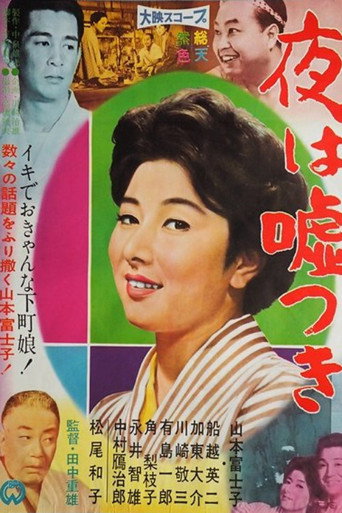 NR
NRA small restaurant tucked away in the back of Ginza is run by Keiko, the owner’s daughter. Writers, club owners, corporate executives, and others are drawn to her charm.
Yoru wa usotsuki
1960
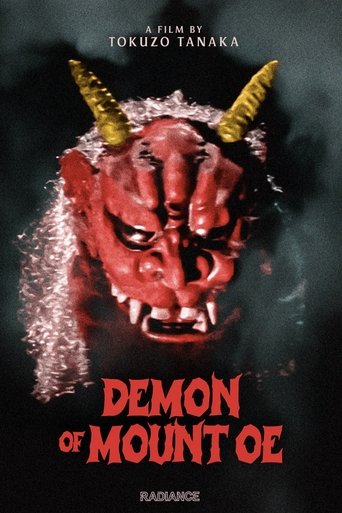 6.5
6.5A band of warriors journeys to Mount Oe to rescue abducted women from a demon, overcoming supernatural threats like a giant spider and a diabolical witch along the way.
The Demon of Mount Oe
1960
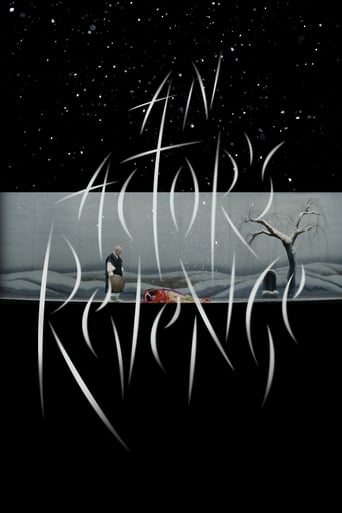 6.6
6.6In Edo Japan, a kabuki actor seeks revenge against the three men who drove his parents to their deaths years ago.
An Actor's Revenge
1963
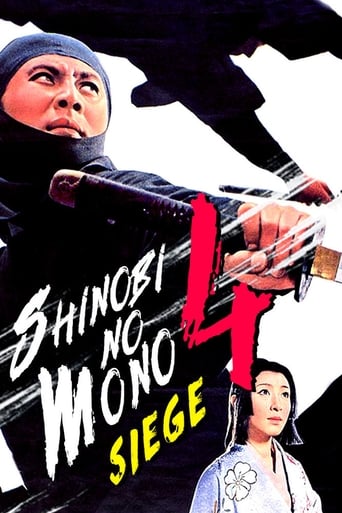 6.2
6.2[Period covered: 1614-1615] Tokugawa Ieyasu is now the ruler of all Japan. But one last loose thread must be tied up before his domination is complete -- the destruction of the Toyotomi clan, now beseiged in Osaka castle. Ieyasu's ninja are the only ones who can penetrate the fortress, but unfortunately for Ieyasu, Kirigakure Saizo and the other Toyotomi ninja can just as easily get out. As armies of samurai maneuver for battle, the fate of the nation will be decided by a desperate struggle in the dark!
Shinobi no Mono 4: Siege
1964
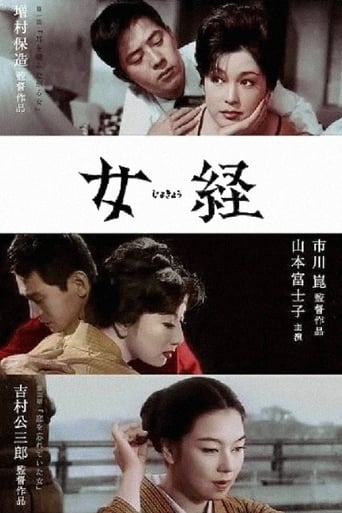 6.4
6.4The first story concerns an attractive young woman who works in a Tokyo nightclub. Her plan for a solid financial future has a double whammy. In the second story, a beautiful young woman is employed by an unscrupulous real estate agent to convince male clients to invest in worthless property. The last story is about a widowed geisha who has no real financial worries and who falls in love with a forger.
A Woman's Testament
1960
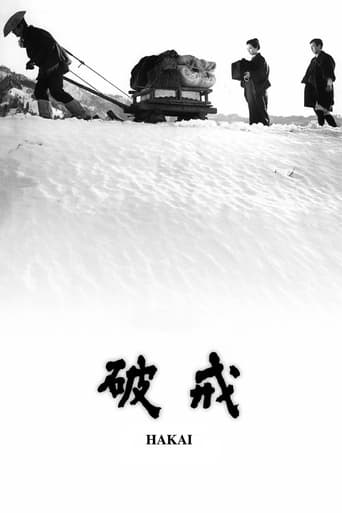 6.8
6.8Ushimatsu's father told him never to reveal his lower-caste heritage; years later, he now contemplates confiding in an activist fighting against such discrimination.
The Broken Commandment
1962
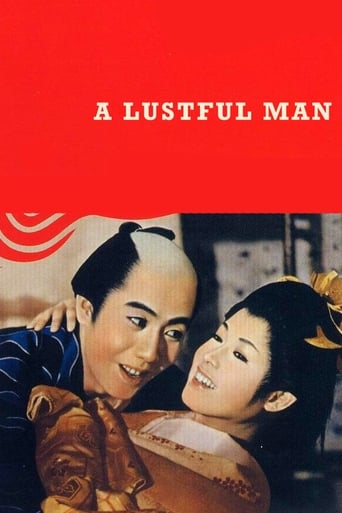 5.6
5.6Fascinated with women from an early age, Yonosuke had his first sexual encounter at the age of seven. From that day on, he recklessly and forwardly pursues women, feeding his fascination and experience. As Yonosuke's salacious behavior brings much cause for shame to the family, his father eventually breaks relations with him. Expelled from the family, 19-year-old Yonosuke embarks on a pilgrimage of lust, traveling far and wide to acquaint himself with women of all walks.
A Lustful Man
1961
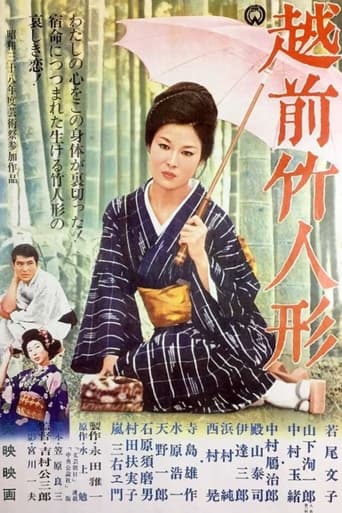 7.8
7.8Kisuke, a young bamboo worker marries Tomoe, a courtesan who was once involved with Kisuke's late father.
Bamboo Doll of Echizen
1963
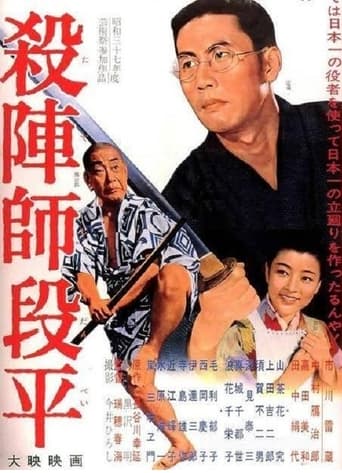 5.9
5.9The Fencing Master tells the story of a man trying to survive as the only world he knows is becoming increasingly irrelevant. Danpei Ichikawa lives for swordfighting – he was once a renowned kabuki swordfight choreographer, and as the Chairman of the New National Theatre Company, he wants nothing more than to choreograph the swordfights for the modern plays put on by the company.
The Fencing Master
1962
 6.5
6.5Satoko is a mistress by trade or fate: when her master, the silkscreen artist of the Kohoan Temple in Kyoto, dies, she is given to the temple's lascivious head priest Kikuchi. She is drawn to a melancholy young acolyte, Jinen, who has observed the profligacy of his cruel master and Satoko's utter dependence on the man. Jinen is both fascinated and disturbed by Satoko's interest in him; he is similarly caught between loathing of Kikuchi and of the dark circumstances of his birth and his own moral weakness. The story unfolds in a dreamlike manner—a flashback inspired by a now-infamous image on a silkscreen in the souvenir shop at the so-called Temple of the Wild Geese.
The Temple of Wild Geese
1962
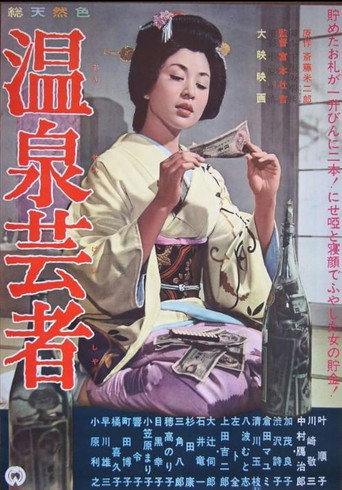 NR
NRNo synopsis available yet.
Onsen Geisha
1963
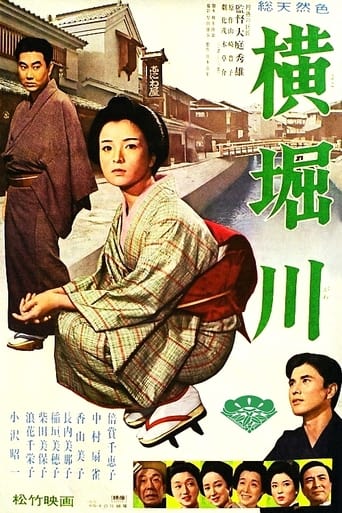 NR
NRTaka, the daughter of Naniwa-ya, a longtime Osaka store owner, married Kichisaburo Kawashima-ya, the son of a kimono wholesaler. Her husband just tried to play with her like a sweet candy, but Taka fell in love with him. One day, the father-in-law suddenly dies, and the Kawashima-ya family fortune is rapidly changing. However, the depravity of Kichisaburo does not subside...
The River Yokobori
1966
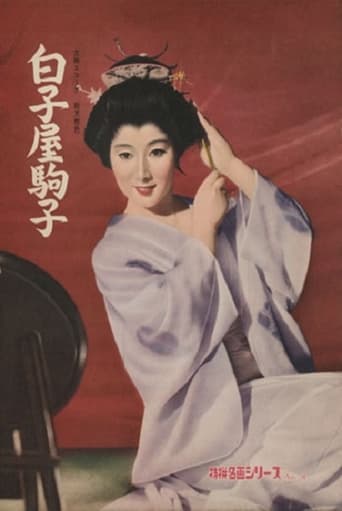 7.0
7.0Set in the middle of the Edo period (1603-1867), this tragic love story takes its cue from a celebrated historical case tried by magistrate Tadasuke Ooka, whose shrewd legal decisions became the stuff of legend. Okuma Shirokoya, the daughter of a lumber merchant in Edo (today’s Tokyo), embarked on an affair and was executed after conspiring with her maid to murder her husband. (Source: https://festival.ilcinemaritrovato.it/en/proiezione/shirokoya-komako/)
What Price Love?
1960
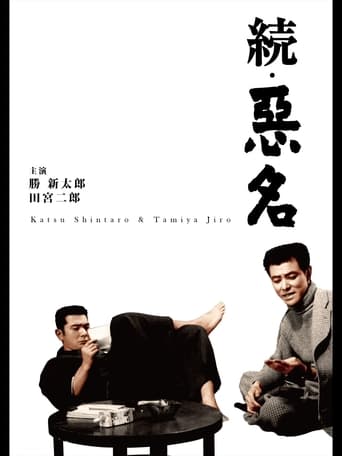 4.8
4.8No synopsis available yet.
Bad Reputation Returns
1961
 6.5
6.5Follows the murder of a money-lending masseur by an impoverished samurai. The slain masseur's daughter will also fall victim to his curse, so that she can become empowered as an agent of her father's vengeance.
Ghost Story: Depth of Kasane
1960
 7.2
7.2A touching story following young shamisen string maker, Saku. Beautiful Saku moves to Lake Yogo, known for its production of quality shamisen strings, only to find her peaceful life turned upside down when a master musician takes personal interest in her.
Koto—The Lake of Tears
1966
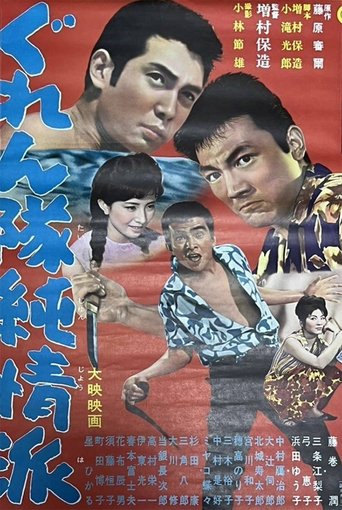 7.0
7.0A young man who followed his father's wishes and became a travel actor causes a big commotion with his fellow members of the Gurentai group during their travel destination! Innocent to cute girls and reckless to bad guys! Exciting entertainment!
Sentimental Mobsters
1963
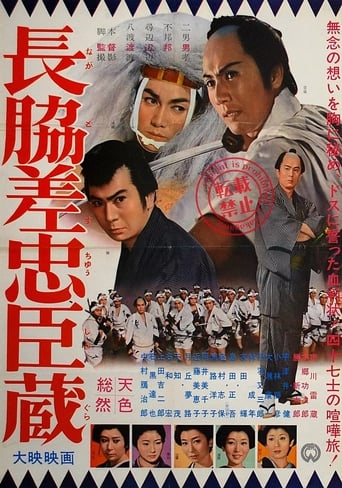 NR
NRNo synopsis available yet.
Long Swords of the Loyal Forty-Seven
1962
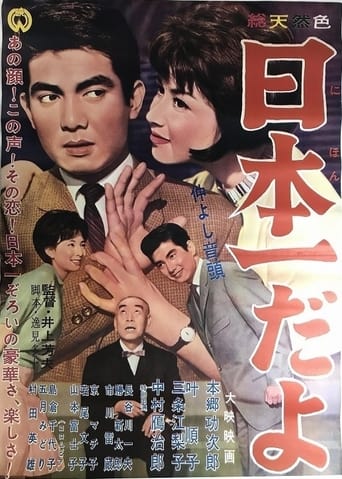 NR
NRNo synopsis available yet.
Nakayoshi ondo: Nippon ichi dayo
1962
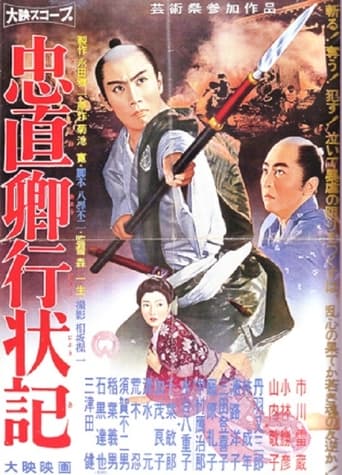 8.8
8.8No synopsis available yet.
Lord Tadanao
1960
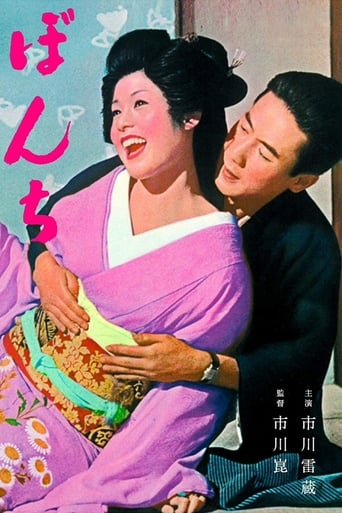 7.7
7.7Kikuji is the scion of an Osaka merchant family whose traditional power is matrilineal. Instructed by his overbearing mother and grandmother to give them an heiress for the family business, he stands by helplessly as his wife is thrown out of the house for producing a son. Driven to a life of dissipation - his mistresses also fail to produce daughters - in the end he is just too tired to care.
Bonchi
1960
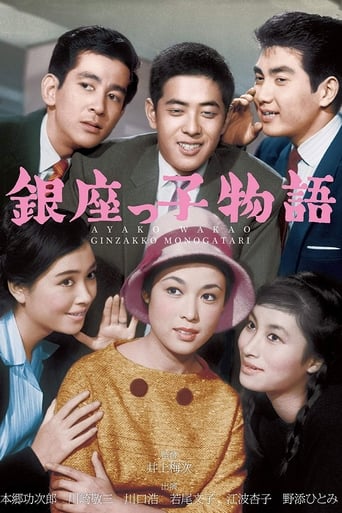 NR
NRThe story of three sportsman brothers living in the Ginza. One day, the three meet a raving beauty on separate occasions and are unaware they have met the same girl.
The Ginza Three Boys
1961
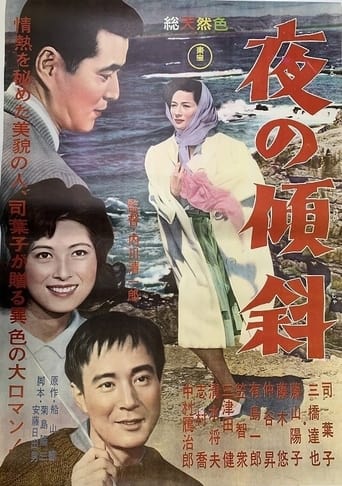 NR
NR1962 Japanese movie
Yoru no keisha
1962
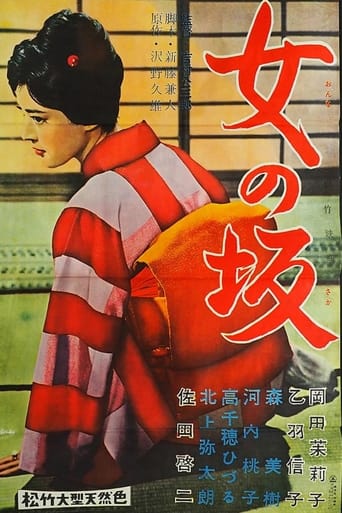 9.0
9.0Tradition and modernity clash when a young woman inherits a sweet-making firm in Kyoto.
A Woman’s Uphill Slope
1960
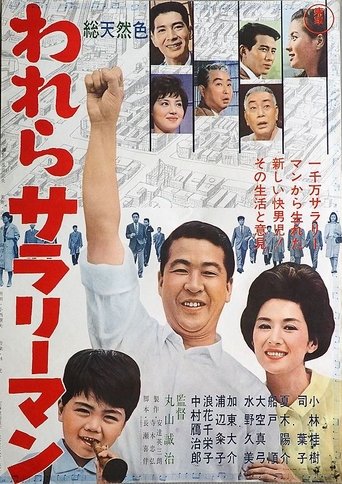 7.0
7.0Eiichiro, a talented young salesman, grows disillusioned with office politics and returns to his family’s traditional tofu business, applying skill and rational planning to modernize it. Alongside his siblings, he transforms the shop into a thriving company, while his sister Atsuko overcomes social obstacles to marry.
We Are Salarymen
1963
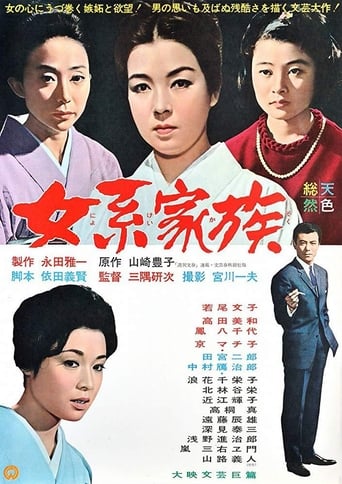 7.7
7.7AKA Family of Women. A story about a wealthy family and the greed and selfishness of three daughters and relatives, after the passing of their old father.
The Third Will
1963
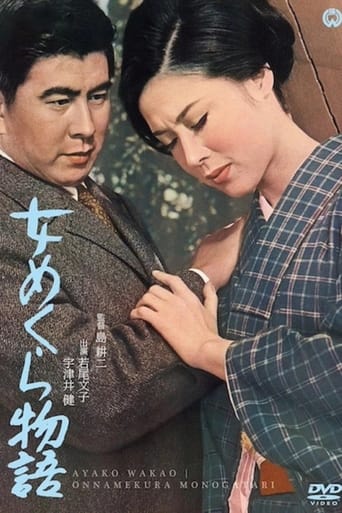 5.0
5.0At sixteen, due to illness, Tsuruko goes blind, and has no choice but to become a massage therapist. One day, stumbling on a staircase, she meets a businessman and falls in love with him.
The Story of a Blind Woman
1965
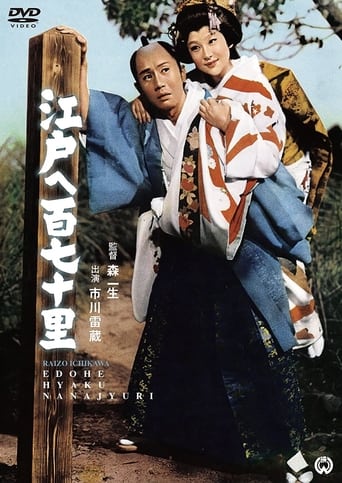 9.0
9.0No synopsis available yet.
170 Leagues to Edo
1962
 5.8
5.8During the reign of Shogun Hidetada, both Hirate Musashi and Okamoto Musashi strive to become the finest swordsman in the land by defeating the Yagyu clan's top instructors and then taking on Sasaki Kojiro!
The Two Musashis
1960
1950s · 20 titles
NRNo synopsis available yet.
Wearing a Long-Sleeved Kimono
1958
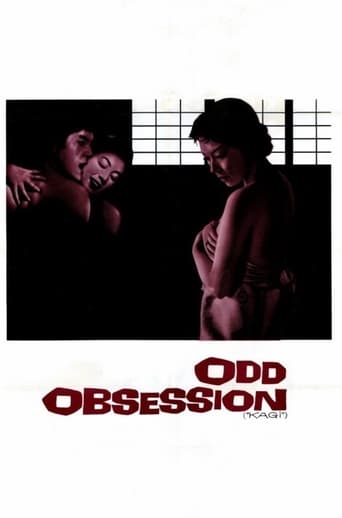 6.2
6.2A middle-aged husband of a younger woman finds her youth intimidating to the point that he cannot become aroused. His solution involves the introduction of his daughter's lover to his wife.
Odd Obsession
1959
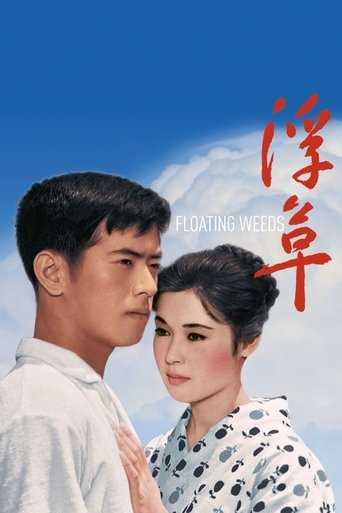 7.5
7.5A theater troupe master's visit with his old flame unintentionally sets off a chain of unexpected events with devastating consequences.
Floating Weeds
1959
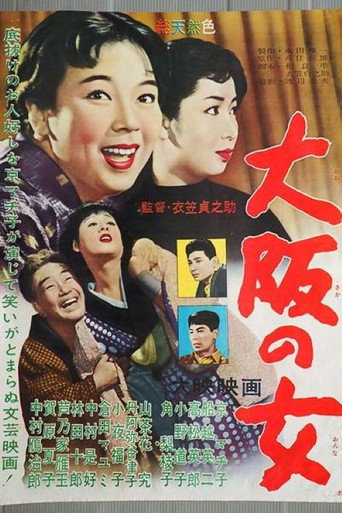 NR
NRIn the ruins of postwar Osaka, performers and drifters gather in a rundown tenement known as "Geinin Mura." Osen, a kind-hearted seamstress, supports her eccentric former-comedian father while carrying the memory of a lost love, Sо̂ji. After a misunderstanding separates them, she marries the cheerful performer Yonetaro, only for tragedy to strike soon after.
Ôsaka no onna
1958
 7.1
7.1Residents of a rundown boardinghouse in 19th-century Japan, including a mysterious old man and an aging actor, get drawn into a love triangle that turns violent. When amoral thief Sutekichi breaks off his affair with landlady Osugi to romance her younger sister, Okayo, Osugi extracts her revenge by revealing her infidelity to her jealous husband.
The Lower Depths
1957
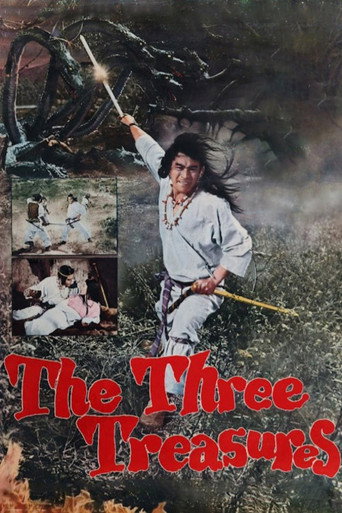 5.5
5.5The legend of the birth of Shintoism. In Fourth Century Japan, the Emperor's son Ouso expects to succeed his father on the throne, but Otomo, the Emperor's vassal, prefers Ouso's stepbrother, and conspires to have Ouso die on a dangerous mission he has contrived. But Ouso prevails in the mission and returns to his father's castle under a new name, Prince Yamato Takeru. Otomo plots to have the Prince sent into even greater danger, but Otomo is unaware that the gods have favored the Prince and the outcome is far from what any of them expected.
The Three Treasures
1959
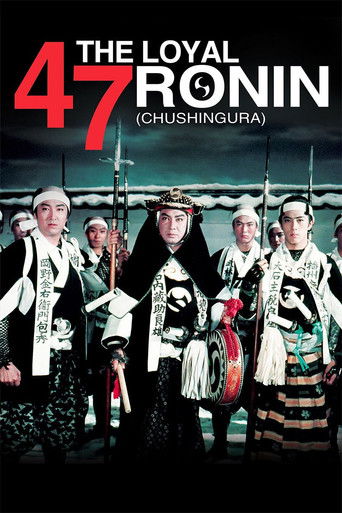 6.2
6.2Japan, 1701. A group of samurai become rônin after their lord is forced to commit seppuku for assaulting a court official, who will become the target of a merciless revenge.
The Loyal 47 Ronin
1958
 7.1
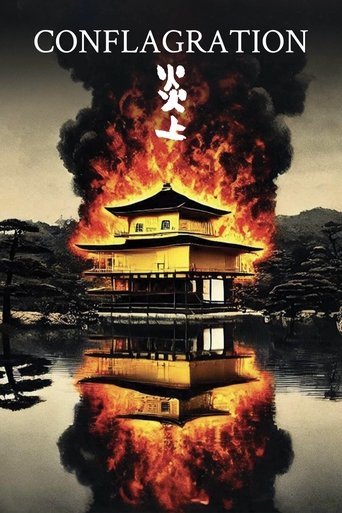
7.1Learning of his family's collapse, acolyte Goichi, sent to study silently at the Temple of the Golden Pavilion, must endure acute psychological distress.
Conflagration
1958
 6.5
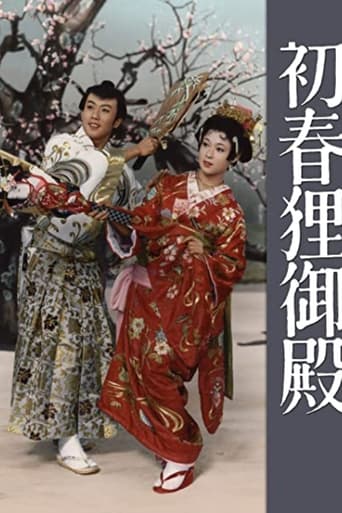
6.5Once upon a time, Okuro (Ayako Wakao), a young female racoon, lived poorly with her drunken father. One day after they disguised themselves as parasols, they were wrongly brought to the Racoon Palace, where the young racoon princess (also Ayako Wakao) made a mess of her arranged marriage with the beautiful racoon prince (Raizô Ichikawa). Pretty princess ran away. In order not to spoil the promising marriage, people tried to make use of resemblances between Okuro and the princess. Before long, Okuro and the Prince fell in love with each other...
Enchanted Princess
1959
 7.7
7.7A war widow with a young boy manages a farm with her bossy mother-in-law. When a reporter comes to interview her, the two begin an affair. He turns out to be married and won't leave his wife. Her older brother tries to marry off his children and hang on to/ extend his farm through an advantageous marriage in the face of threatened land confiscation and the desire of his children to get comfortable urban jobs instead of the backbreaking work in the paddy fields under parental control.
Summer Clouds
1958
 NR
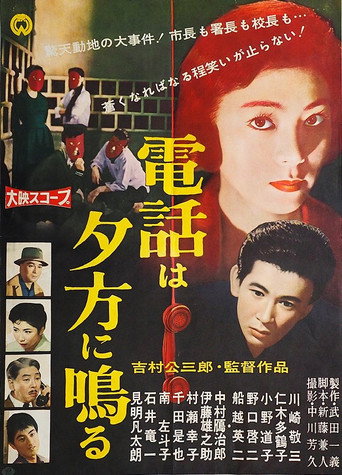
NRIn a peaceful town near the Seto Inland Sea, a threatening letter arrives along with the ringing of a telephone... A thriller-comedy that sets this stagnant town ablaze.
The Telephone Rings in the Evening
1959
 NR
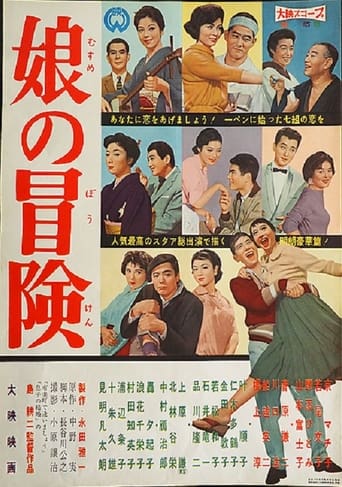
NRNo synopsis available yet.
Musume no boken
1958
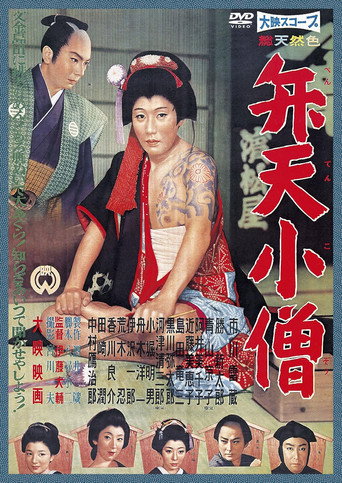 9.7
9.7The film won 1959 Blue Ribbon Awards for best actor Raizo Ichikawa and for best cinematography Kazuo Miyagawa. The film also won 1959 Kinema Junpo Award for best actor Raizo Ichikawa.
The Gay Masquerade
1958
 6.0
6.0A poor peasant, after years of scraping, becomes a rich and powerful Osaka merchant. Mizoguchi Kenji's final project; he died before completing it and directing duties turned over to Yoshimura Kozaburo.
An Osaka Story
1957
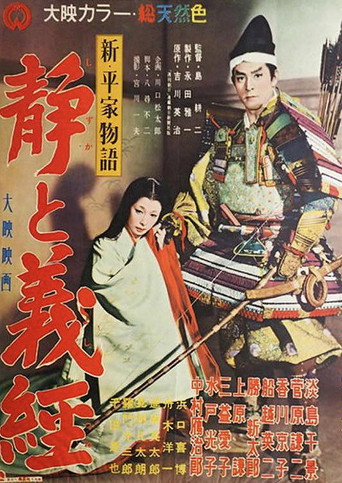 NR
NR1956 Daiei movie
New Tale of Genji: Shizuka and Yoshitsune
1956
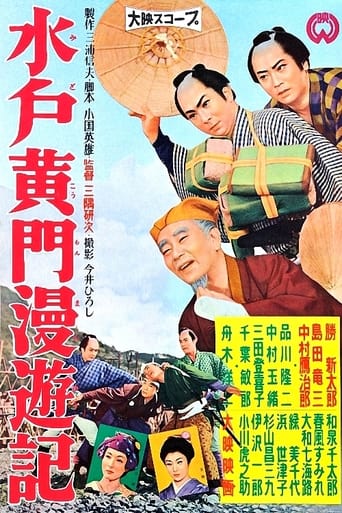 NR
NRLord Mito Mitsukuni, the vice-shogun of the whole country, left the family estate and went on a trip to various provinces with his students Sukesaburo Sasaki and Kakunoshin Atsumi. At an inn in Sunagawa, Mitsukuni exposed and punished an evil judge who had fallen in love with a townsman's wife. However, on the night he stayed at Nihonmatsu Castle, Mitsukuni found out that this incident was a performance organized especially for him…
Travels of Lord Mito
1958
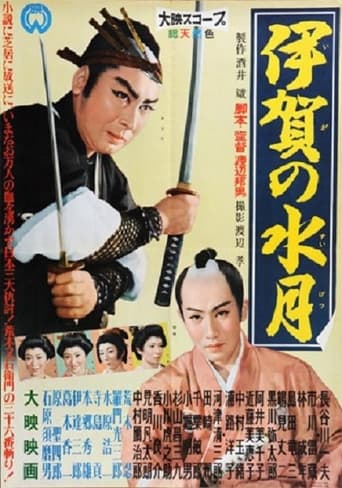 6.5
6.5No synopsis available yet.
Ambush at Iga Pass
1958
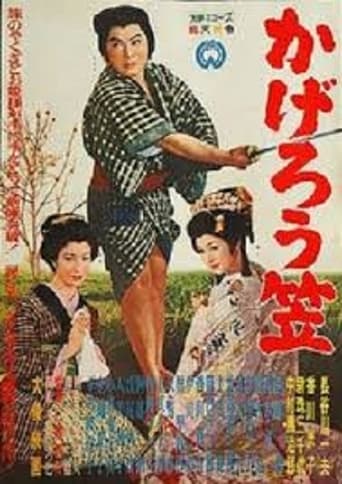 7.0
7.0Film directed by Kenji Misumi.
Gambler and the Princess
1959
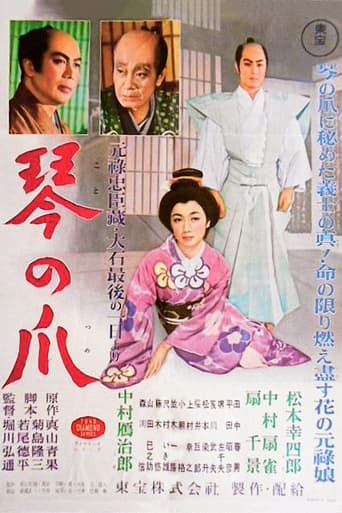 9.0
9.0Seppuku Day 17 Ako ronins, including Kuranosuke Oishi, who were entrusted to the Hosokawa family, and the events of the two days before are depicted as a tragic romance between one of the ronins, Jurozaemon Isogai, and Omino. An adaptation of Seika Mayama play "Genroku Chusingura, the Last Day of Oishi", which tells about the torments of life and death of samurai living in feudal times.
Last Days of the Samurai
1957
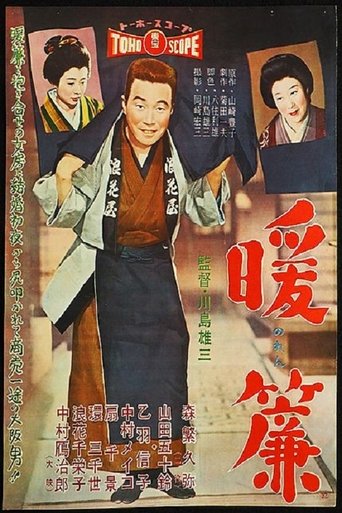 8.0
8.0The lives of a family of kelp (kombu) merchants in Osaka across three generations, spanning from the Meiji era through the aftermath of World War II.
The Shop Curtain
1958