

Directing
Grigori Kromanov
Born — Died
1926-03-08 — 1984-07-18
Place of birth
Tallinn, Harju County, Estonia
Known for
Directing
Credits
12 titles
Grigori Kromanov (March 8, 1926 in Tallinn – July 18, 1984 in Lahe, Lääne-Virumaa) was an Estonian theatre and film director. He directed some of the most known Estonian movies, including Viimne reliikvia and Hukkunud Alpinisti hotell.
Known for
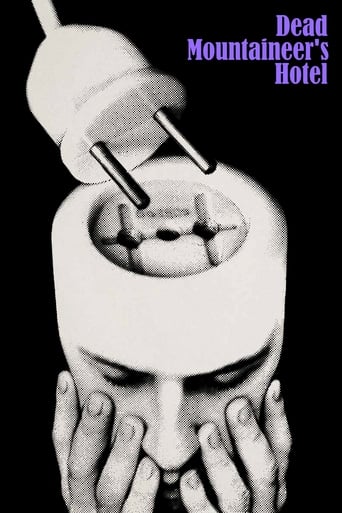 6.3
6.3The police get a call-out to a lonely hotel in the Alps. When an officer gets to the hotel everything seems to be alright. Suddenly, an avalanche cuts them off from the rest of the world and strange things start happening.
Dead Mountaineer's Hotel
1979
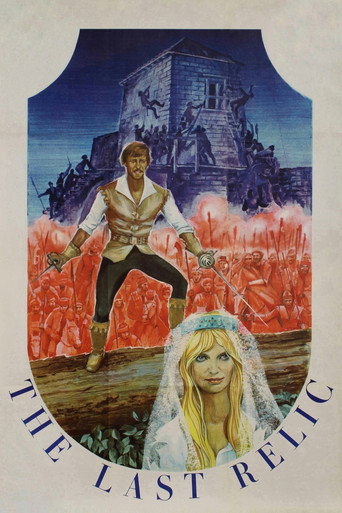 6.4
6.4A medieval love story with lots of adventures. The times are troubled - there's a revolt of peasants going on. To secure its safety a monastery chases for a relics of a holy Brigitte. A nobleman promises to get it if he gets beautiful Agnes as a reward. But she fells in love with a handsome adventurer. The monastery has to act shrewd now and play double game.
The Last Relic
1970
 7.0
7.0Throughout his long singing career, Artur Rinne went hand in hand with his audience who appreciated simplicity and heartfelt folksy songs. Singing, meeting audience like old acquaintances in large concert halls or in modest village clubs - this is the essence of his work. Artur Rinne talks about his life as a singer and as a person.
Our Artur
1968
 7.0
7.0An up-close look into the life of the often misunderstood movie director Grigori Kromanov through the lens of old friends and colleagues.
Grisha
1996
 5.0
5.0After a long night with his old war buddies, Andres Lapeteus regains consciousness in the hospital. How has confusion, bewilderment and alienation developed between these men who once fought together side by side? Is this the inevitable result of the Stalinist regime, the influence of his social climber wife, or the effect of his personal cowardliness and conformism? What happened to Andres Lapeteus?
What Happened To Andres Lapeteus?
1967
 4.2
4.2In 1921, the Cheka became aware that gold and jewelry were stolen from the treasury of Gokhran, and that a special organization was involved in transporting the stolen to Estonia. Scout Maksim Isayev is sent to this country. He establishes that the cipher of the Soviet embassy Olenetskaya works for the German resident Nolmar, with whom employees of Gokhran Kozlovskaya and an appraiser Yakov Shelekhes are associated. As a result of the provocation, Isayev was arrested. In the prison cell, he finds himself together with the famous Russian writer Nikandrov, who could not find himself in post-revolutionary Russia and went abroad. Released soon by the efforts of his comrades, Isayev continues the struggle for the fate of Nikandrov — for his return to his homeland.
Diamonds for the Dictatorship of the Proletariat
1976
Film credits
1960s · 3 titles
7.0Throughout his long singing career, Artur Rinne went hand in hand with his audience who appreciated simplicity and heartfelt folksy songs. Singing, meeting audience like old acquaintances in large concert halls or in modest village clubs - this is the essence of his work. Artur Rinne talks about his life as a singer and as a person.
Our Artur
1968
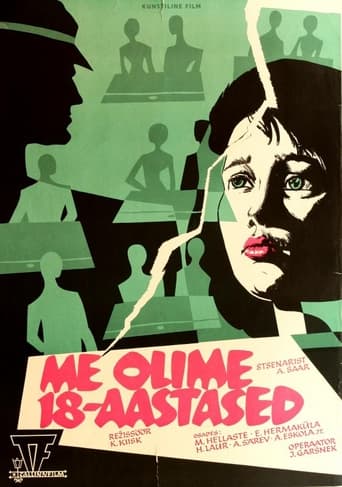 7.0
7.0It's 1940 - the first summer of the Soviet occupation on the Estonian island Saaremaa. Teenagers stepping in their lives have important decisions to make. Should they support the Soviet regime or join the resistance?
We Were Eighteen
1965
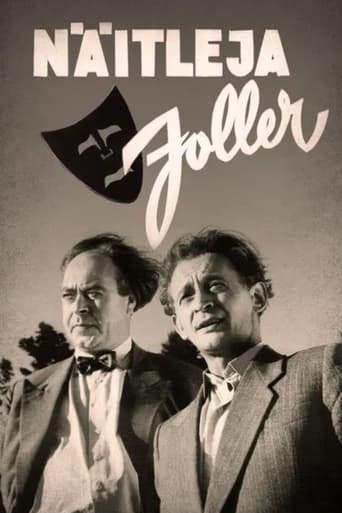 NR
NRToomas Joller has been an actor for twenty years. Joller is popular and has been awarded the honorary title of People's Artist. But Joller's star is gradually fading. He becomes egoistic and self-centered, his performances remain superficial. An actor's internal combustion requires hot water, which Joller uses in abundance together with his friend, the comedy actor Ruts.
Actor Joller
1960
Behind the camera
6.3The police get a call-out to a lonely hotel in the Alps. When an officer gets to the hotel everything seems to be alright. Suddenly, an avalanche cuts them off from the rest of the world and strange things start happening.
Dead Mountaineer's Hotel
1979
6.4A medieval love story with lots of adventures. The times are troubled - there's a revolt of peasants going on. To secure its safety a monastery chases for a relics of a holy Brigitte. A nobleman promises to get it if he gets beautiful Agnes as a reward. But she fells in love with a handsome adventurer. The monastery has to act shrewd now and play double game.
The Last Relic
1970
7.0Throughout his long singing career, Artur Rinne went hand in hand with his audience who appreciated simplicity and heartfelt folksy songs. Singing, meeting audience like old acquaintances in large concert halls or in modest village clubs - this is the essence of his work. Artur Rinne talks about his life as a singer and as a person.
Our Artur
1968
7.0Throughout his long singing career, Artur Rinne went hand in hand with his audience who appreciated simplicity and heartfelt folksy songs. Singing, meeting audience like old acquaintances in large concert halls or in modest village clubs - this is the essence of his work. Artur Rinne talks about his life as a singer and as a person.
Our Artur
1968
5.0After a long night with his old war buddies, Andres Lapeteus regains consciousness in the hospital. How has confusion, bewilderment and alienation developed between these men who once fought together side by side? Is this the inevitable result of the Stalinist regime, the influence of his social climber wife, or the effect of his personal cowardliness and conformism? What happened to Andres Lapeteus?
What Happened To Andres Lapeteus?
1967
4.2In 1921, the Cheka became aware that gold and jewelry were stolen from the treasury of Gokhran, and that a special organization was involved in transporting the stolen to Estonia. Scout Maksim Isayev is sent to this country. He establishes that the cipher of the Soviet embassy Olenetskaya works for the German resident Nolmar, with whom employees of Gokhran Kozlovskaya and an appraiser Yakov Shelekhes are associated. As a result of the provocation, Isayev was arrested. In the prison cell, he finds himself together with the famous Russian writer Nikandrov, who could not find himself in post-revolutionary Russia and went abroad. Released soon by the efforts of his comrades, Isayev continues the struggle for the fate of Nikandrov — for his return to his homeland.
Diamonds for the Dictatorship of the Proletariat
1976
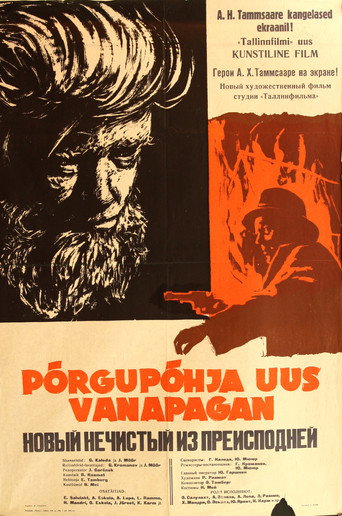 5.1
5.1The way Saint Peter explains it to the Devil who's knocking on Heaven's door to collect his share of souls: there will be no more souls, as God has come to doubt if humans are really meant to achieve salvation. If they aren't then how can they be punished posthumous and sent to Hell? There's only one way to make sure if sinning is the human nature, or is it that they simply don't want to better themselves - Devil himself must go down to Earth, in human form, and if he can achieve salvation then so can a human being... Based on A. H. Tammsaare's classic novel of the same name.
The New Devil of Hellsbottom
1965
 NR
NREstonian promotional revue-film created for EXPO 1967 in Montreal.
Black Beard Wants to Know
1967