
Production
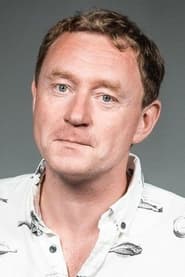
Kiur Aarma
Born
1975-06-25 (51)
Place of birth
Tallinn, Harju District, Estonian SSR, USSR [now Harju County, Estonia]
Known for
Production
Credits
22 titles
Kiur Aarma (born June 25, 1975) is an Estonian television journalist. He graduated from the University of Tartu in 1997. Aarma is also a writer and producer; among the films upon which he has worked is 2006's Sinimäed, a documentary about the Battle of Tannenberg Line, which he produced and helped write. His father was actor, musician and journalist Jüri Aarma and his mother is choral conductor Merike Aarma.
Known for
 NR
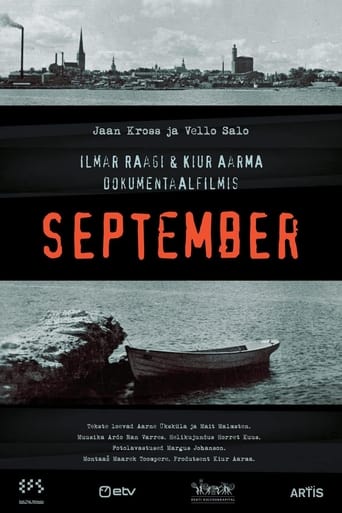
NRSeptember is a film about the complicated choices of simple people. The internationally renowned Estonian author, Jaan Kross (1920-2007) was arrested in 1944 by the Nazis. A year after the Soviet forces entered Tallinn and he was arrested again. The accusation was the same both times: conspiracy with the underground independence revolutionaries. Based on the author's journal, pieces from his oeuvre and interviews, the film creates a story about a few monumental weeks in Tallinn, in September 1944.
September
2010
 5.4
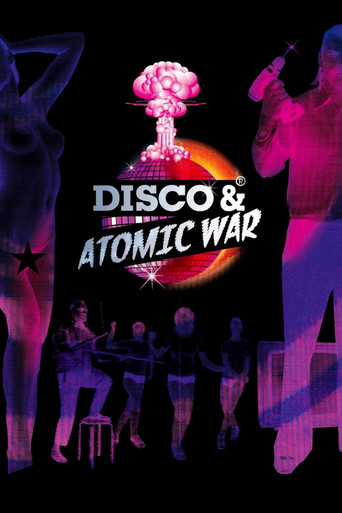
5.4A different history of the Cold War: how Estonians under Soviet tyranny began to feel the breeze of freedom when a group of anonymous dreamers successfully used improbable methods to capture the Finnish television signal, a window into Western popular culture, brave but harmless warriors who helped change the fate of an entire nation.
Disco and Atomic War
2009
“Let’s Do It!” is a story about how a national cleanup campaign in a small European country grew into an ambitious global environmental movement. The idea spread far and wide, bringing about new wave of civic activism in many countries. However, even good initiatives can hit rough spots. The important thing is not to lose hope. This documentary captures the passion to change the world over the course of 10 years, culminating in World Clean-Up Day in 2018. The movie also showcases how grass-root initiatives can grow and subside and how some ambitions can be defeated only to give rise to even more ambitious ones.
Let's Do It!
2022
 6.8
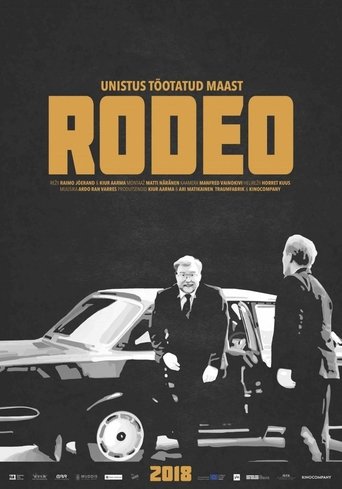
6.8A documentary exploring the difficulties the newly-independent Estonia faced in the early 1990s after emerging from decades of Soviet rule. The film focuses especially on then-32-year-old and inexperienced Mart Laar, who became country's prime minister while there still were tens of thousands of Soviet soldiers in the country.
Rodeo
2018
No synopsis available yet.
Greetings from Soviet Estonia!
2007
 NR
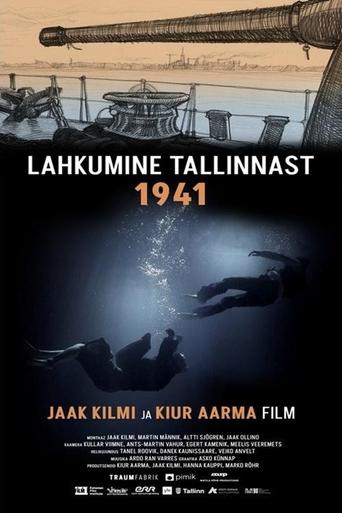
NRIn the last days of August 1941, one of the greatest maritime disasters in history took place off the northern coast of Estonia. Fleeing the invading Germans, the Soviet authorities hastily and panickedly carried out the evacuation of Tallinn. The remnants of the Red Army units, fleeing Red Army personnel, as well as mobilized Estonians and civilians were placed on more than two hundred ships, either voluntarily or forcibly. In total, over 30,000 people. The line of ships headed for Kronstadt and Leningrad, but they ran into a trap set by the German and Finnish navies near the Juminda Peninsula. 60 ships sank in mine explosions, torpedoes and aircraft bombs, and an estimated 15,000 people died, including thousands of Estonians. The film reveals how the terrible catastrophe of Juminda has been depicted, silenced, minimized or heroized in later historical accounts.
Leaving Tallinn. 1941
2025
Film credits
Behind the camera
NRSeptember is a film about the complicated choices of simple people. The internationally renowned Estonian author, Jaan Kross (1920-2007) was arrested in 1944 by the Nazis. A year after the Soviet forces entered Tallinn and he was arrested again. The accusation was the same both times: conspiracy with the underground independence revolutionaries. Based on the author's journal, pieces from his oeuvre and interviews, the film creates a story about a few monumental weeks in Tallinn, in September 1944.
September
2010
NRSeptember is a film about the complicated choices of simple people. The internationally renowned Estonian author, Jaan Kross (1920-2007) was arrested in 1944 by the Nazis. A year after the Soviet forces entered Tallinn and he was arrested again. The accusation was the same both times: conspiracy with the underground independence revolutionaries. Based on the author's journal, pieces from his oeuvre and interviews, the film creates a story about a few monumental weeks in Tallinn, in September 1944.
September
2010
5.4A different history of the Cold War: how Estonians under Soviet tyranny began to feel the breeze of freedom when a group of anonymous dreamers successfully used improbable methods to capture the Finnish television signal, a window into Western popular culture, brave but harmless warriors who helped change the fate of an entire nation.
Disco and Atomic War
2009
5.4A different history of the Cold War: how Estonians under Soviet tyranny began to feel the breeze of freedom when a group of anonymous dreamers successfully used improbable methods to capture the Finnish television signal, a window into Western popular culture, brave but harmless warriors who helped change the fate of an entire nation.
Disco and Atomic War
2009
“Let’s Do It!” is a story about how a national cleanup campaign in a small European country grew into an ambitious global environmental movement. The idea spread far and wide, bringing about new wave of civic activism in many countries. However, even good initiatives can hit rough spots. The important thing is not to lose hope. This documentary captures the passion to change the world over the course of 10 years, culminating in World Clean-Up Day in 2018. The movie also showcases how grass-root initiatives can grow and subside and how some ambitions can be defeated only to give rise to even more ambitious ones.
Let's Do It!
2022
6.8A documentary exploring the difficulties the newly-independent Estonia faced in the early 1990s after emerging from decades of Soviet rule. The film focuses especially on then-32-year-old and inexperienced Mart Laar, who became country's prime minister while there still were tens of thousands of Soviet soldiers in the country.
Rodeo
2018
6.8A documentary exploring the difficulties the newly-independent Estonia faced in the early 1990s after emerging from decades of Soviet rule. The film focuses especially on then-32-year-old and inexperienced Mart Laar, who became country's prime minister while there still were tens of thousands of Soviet soldiers in the country.
Rodeo
2018
6.8A documentary exploring the difficulties the newly-independent Estonia faced in the early 1990s after emerging from decades of Soviet rule. The film focuses especially on then-32-year-old and inexperienced Mart Laar, who became country's prime minister while there still were tens of thousands of Soviet soldiers in the country.
Rodeo
2018
No synopsis available yet.
Greetings from Soviet Estonia!
2007
No synopsis available yet.
Greetings from Soviet Estonia!
2007
NRIn the last days of August 1941, one of the greatest maritime disasters in history took place off the northern coast of Estonia. Fleeing the invading Germans, the Soviet authorities hastily and panickedly carried out the evacuation of Tallinn. The remnants of the Red Army units, fleeing Red Army personnel, as well as mobilized Estonians and civilians were placed on more than two hundred ships, either voluntarily or forcibly. In total, over 30,000 people. The line of ships headed for Kronstadt and Leningrad, but they ran into a trap set by the German and Finnish navies near the Juminda Peninsula. 60 ships sank in mine explosions, torpedoes and aircraft bombs, and an estimated 15,000 people died, including thousands of Estonians. The film reveals how the terrible catastrophe of Juminda has been depicted, silenced, minimized or heroized in later historical accounts.
Leaving Tallinn. 1941
2025
NRIn the last days of August 1941, one of the greatest maritime disasters in history took place off the northern coast of Estonia. Fleeing the invading Germans, the Soviet authorities hastily and panickedly carried out the evacuation of Tallinn. The remnants of the Red Army units, fleeing Red Army personnel, as well as mobilized Estonians and civilians were placed on more than two hundred ships, either voluntarily or forcibly. In total, over 30,000 people. The line of ships headed for Kronstadt and Leningrad, but they ran into a trap set by the German and Finnish navies near the Juminda Peninsula. 60 ships sank in mine explosions, torpedoes and aircraft bombs, and an estimated 15,000 people died, including thousands of Estonians. The film reveals how the terrible catastrophe of Juminda has been depicted, silenced, minimized or heroized in later historical accounts.
Leaving Tallinn. 1941
2025
NRIn the last days of August 1941, one of the greatest maritime disasters in history took place off the northern coast of Estonia. Fleeing the invading Germans, the Soviet authorities hastily and panickedly carried out the evacuation of Tallinn. The remnants of the Red Army units, fleeing Red Army personnel, as well as mobilized Estonians and civilians were placed on more than two hundred ships, either voluntarily or forcibly. In total, over 30,000 people. The line of ships headed for Kronstadt and Leningrad, but they ran into a trap set by the German and Finnish navies near the Juminda Peninsula. 60 ships sank in mine explosions, torpedoes and aircraft bombs, and an estimated 15,000 people died, including thousands of Estonians. The film reveals how the terrible catastrophe of Juminda has been depicted, silenced, minimized or heroized in later historical accounts.
Leaving Tallinn. 1941
2025
 6.5
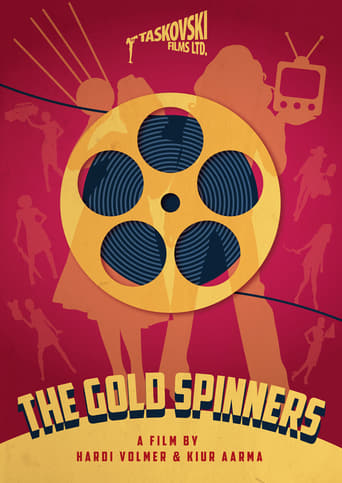
6.5The Gold Spinners is a story about the birth, glory, and disappearance of a peculiar, invisible, and mighty business empire, the film studio Eesti Reklaamfilm, the only company producing commercials in the Soviet Union.
The Gold Spinners
2013
6.5The Gold Spinners is a story about the birth, glory, and disappearance of a peculiar, invisible, and mighty business empire, the film studio Eesti Reklaamfilm, the only company producing commercials in the Soviet Union.
The Gold Spinners
2013
 NR
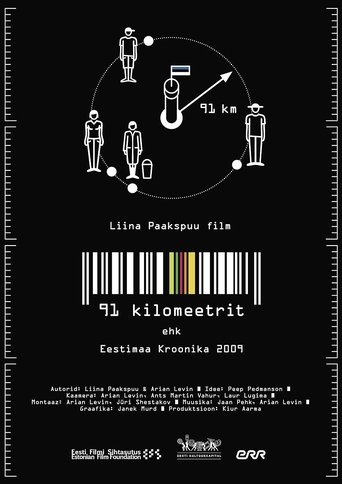
NRShows the stories of four different people with one part in common - they all live 91 km away from Tallinn, the capital of Estonia. In a peaceful manner, the film pays homage to the simple working man and shows their Estonia through fear and mercy, worries and joy.
91 kilometers. Chronicle of Estonia 2009
2010
 NR
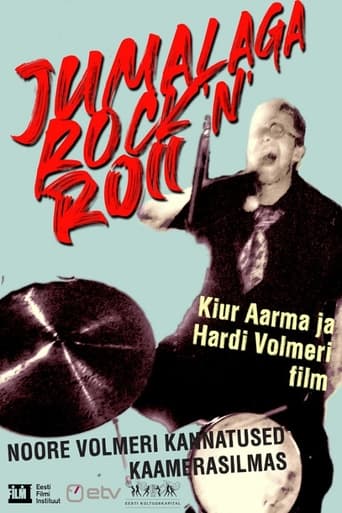
NRHardi Volmer's self-portrait to celebrate the 50th anniversary of the colorful cineast's work in the film industry. Apparently there is no other Estonian cultural figure whose life and creative process have been so thoroughly documented on film for decades.
So Long, Rock’n’Roll!
2023
NRHardi Volmer's self-portrait to celebrate the 50th anniversary of the colorful cineast's work in the film industry. Apparently there is no other Estonian cultural figure whose life and creative process have been so thoroughly documented on film for decades.
So Long, Rock’n’Roll!
2023
 10.0
10.0A documentary on the volunteer Estonian Army's defense against the Soviet Army in 1944 with an emphasis on its last stand in the region known as the Blue Hills of Estonia.
The Blue Hills
2006