

Acting
Tõnu Mikiver
Born — Died
1943-08-02 — 2017-03-21
Place of birth
Loksa, Estonian SSR, USSR [now Estonia]
Known for
Acting
Credits
17 titles
Tõnu Mikiver (August 2, 1943 Loksa – March 21, 2017 Tallinn) was an Estonian actor. In 1965 he graduated from the Tallinn State Conservatory's Performing Arts Department. From 1965 until 1977, he worked at Estonian Youth Theatre and from 1977 until 2007, at the Estonian Drama Theatre. Besides theatre roles he has played also in several films. His older brother was actor Mikk Mikiver.
Known for
 10.0
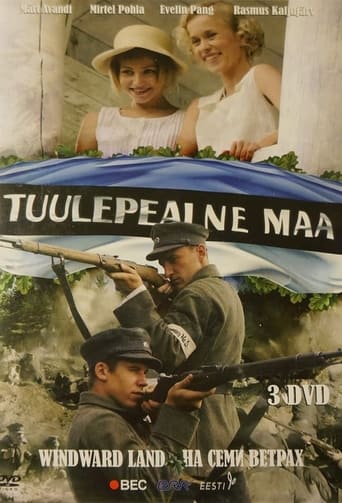
10.0Tuulepealne maa is a twelve-part Estonian television mini-series about the pre-World War II history of Estonia, its birth as a country, the Estonian War of Independence, post-war life throughout 1920 up to 1941 and World War II.
Windward Land
2008
 NR
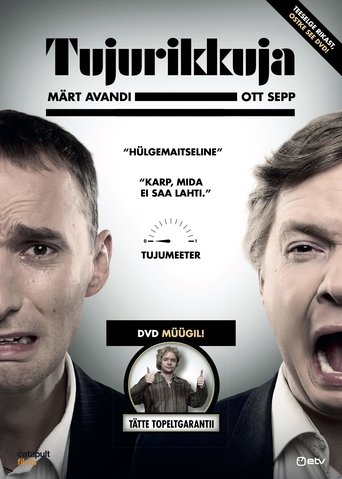
NREstonian comedy sketch show consisting of parodies of popular Estonian movies or shows.
Mood Killer
2008
 8.0
8.0Tallinn is known for its medieval old town. However, not only the old houses and streets have been preserved, we have also come down to ancient legends related to these places. The film is about the Oleviste Church and the mysterious craftsman who built one of the world's tallest towers for this church at one time.
Legends of Tallinn
1995
 6.0
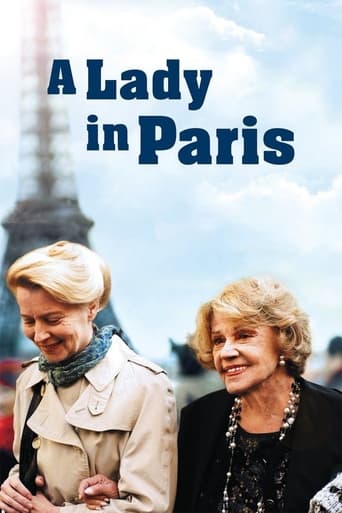
6.0Anne leaves Estonia to come to Paris as a caretaker for Frida, an elderly Estonian lady who emigrated to France long ago. Anne soon realizes that she is not wanted. All Frida wants from life is the attention of Stéphane, her younger former lover. Stéphane, however, is desperate for Anne to stay and look after Frida, even against the old lady's will. In this conflict of strangers, Anne will find her own way…
A Lady in Paris
2012
 7.0
7.0Throughout his long singing career, Artur Rinne went hand in hand with his audience who appreciated simplicity and heartfelt folksy songs. Singing, meeting audience like old acquaintances in large concert halls or in modest village clubs - this is the essence of his work. Artur Rinne talks about his life as a singer and as a person.
Our Artur
1968
 7.0
7.0Pastor Paul Lempelius comes to the island of HIiumaa that seems to be like the world's end. While serving the pastorate of Reigi in spirit and in truth, Lempelius hopes to get rid of the burden of destiny. However, the local people favour pagan traditions and distrust the strict kingdom of God that Lempelius teaches them. The pastor's beautiful yet childless wife Catharina yearns for joy of life and tenderness that she won't receive from his husband. Instead, a young assistant pastor Jonas Kempe offers her his love. Their love, disregarding all laws, and the primal lifestyle of the islanders will become the touchstone for Lempelius' redemption.
The Pastor of Reigi
1978
Film credits
2010s · 2 titles
6.0Anne leaves Estonia to come to Paris as a caretaker for Frida, an elderly Estonian lady who emigrated to France long ago. Anne soon realizes that she is not wanted. All Frida wants from life is the attention of Stéphane, her younger former lover. Stéphane, however, is desperate for Anne to stay and look after Frida, even against the old lady's will. In this conflict of strangers, Anne will find her own way…
A Lady in Paris
2012
 4.2
4.2It's the early 90's. A new currency is in circulation in Estonia - the kroon. The former federal republic has become a world leader in non-ferrous metal exports. There is a relentless struggle around this criminal business. It brings new victims every day. Estonia ranks first in Europe in terms of the number of killings. This is just the beginning...
Red Mercury
2010
1990s · 2 titles
8.0Tallinn is known for its medieval old town. However, not only the old houses and streets have been preserved, we have also come down to ancient legends related to these places. The film is about the Oleviste Church and the mysterious craftsman who built one of the world's tallest towers for this church at one time.
Legends of Tallinn
1995
 6.9
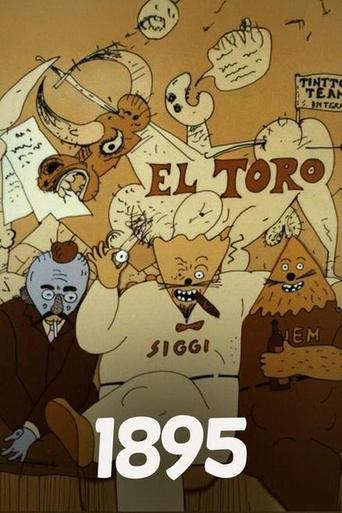
6.91895 is a picture about the life of brothers Auguste and Louis Lumiere, who have immortalized their names as inventors of cinematography. What inspired them?
1895
1995
1980s · 3 titles
 5.2
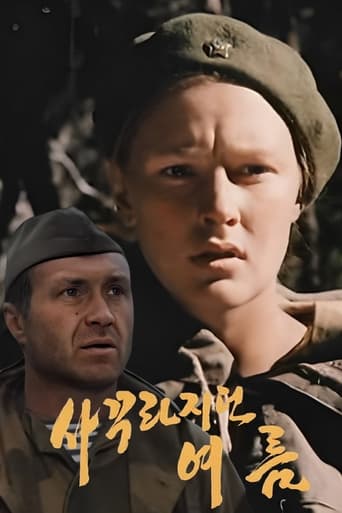
5.2This is a Democratic People’s Republic of Korea and Union of Soviet Socialist Republics co-production. This film is set during World War II, and is about a female Russian soldier named Masha. She is on a mission to discover a secret Japanese base in Korea. Everybody who accompanies her on the mission shortly dies, and she’s forced to stay with a local fisherman. She is trying to get the information about the base location back to the Russian army, because if she doesn’t, the Japanese will unleash the “Sakura Plan”, which is an all-out biological warfare assualt on the world.
From Spring to Summer
1988
 8.0
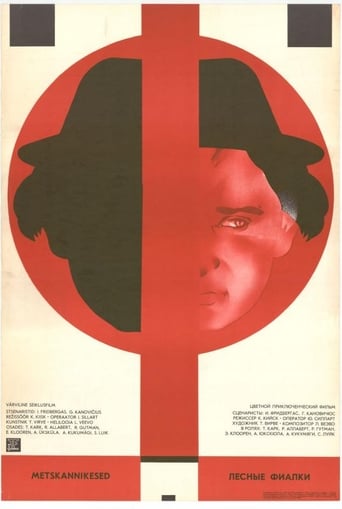
8.0It is the year 1947. The war is over but Estonian forests are still hiding armoured men. When the message comes that Western spies will arrive to support the local bushwhackers, security officer Rein Taim starts to lead the counter operation of the Communist Secret Police in order to catch the Western diversionists and the leader of the Estonian bushwhackers.
Wild Violets
1980
 NR
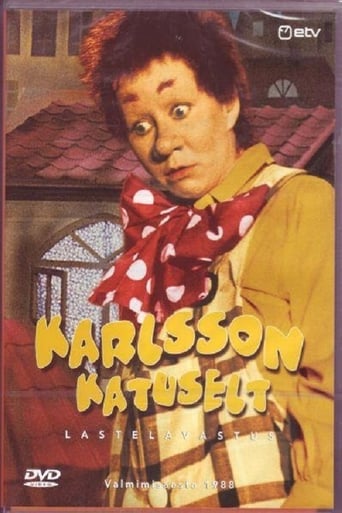
NRKarlsson is a very short, portly and overconfident man who lives in a small house hidden behind a chimney on the roof of a very ordinary apartment building on a very ordinary street in Stockholm. When Karlsson pushes a button on his stomach, it starts a clever little motor with a propeller on his back, allowing him to fly. Karlsson is the best at everything, at least by his own account. In actual fact there is one thing at which he excels: being a playmate to a young boy named Svante, nicknamed Lillebror (little brother), who lives in the apartment building with his family. Karlsson is quite mischievous, often getting Lillebror in trouble, but everyone in the end – even Lillebror's family, his cranky uncle, and their dour housekeeper – grow to like Karlsson and appreciate his sense of humour, energy, and good nature.
Karlsson-on-the-Roof
1988
1970s · 5 titles
7.0Pastor Paul Lempelius comes to the island of HIiumaa that seems to be like the world's end. While serving the pastorate of Reigi in spirit and in truth, Lempelius hopes to get rid of the burden of destiny. However, the local people favour pagan traditions and distrust the strict kingdom of God that Lempelius teaches them. The pastor's beautiful yet childless wife Catharina yearns for joy of life and tenderness that she won't receive from his husband. Instead, a young assistant pastor Jonas Kempe offers her his love. Their love, disregarding all laws, and the primal lifestyle of the islanders will become the touchstone for Lempelius' redemption.
The Pastor of Reigi
1978
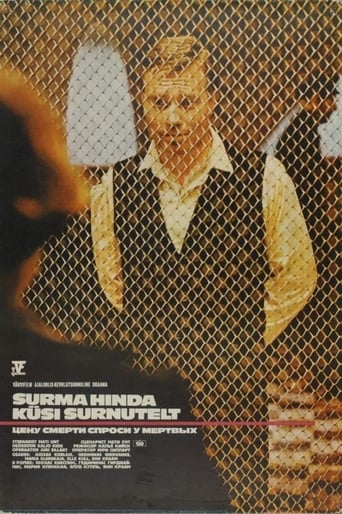 5.8
5.8The attempted coup of Estonia on Dec. 1, 1924, conducted by Comintern, staged by the Soviet Communists, failed and resulted in many lost lives on both sides. The Communists were forced underground.
Ask the Dead About the Price of Death
1977
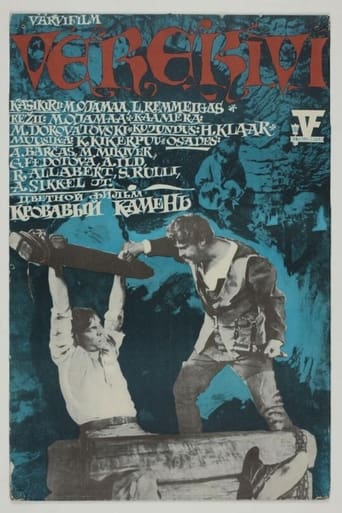 4.0
4.0A landlord chases his escaped serf but some town takes the refugee under its protection. That leads to a serious confrontation. Based on a true story.
Blood Stone
1972
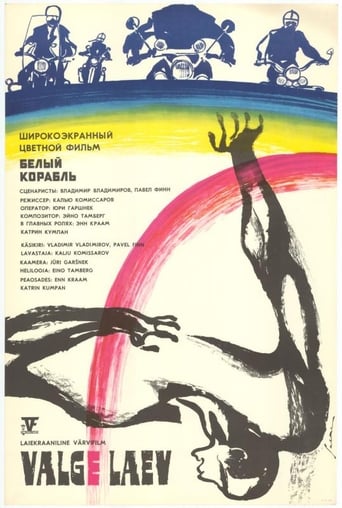 8.0
8.0Two young nationalists from Soviet Estonia falls under the influence of popular radio DJ Rudolf Talgre, who during the war collaborated with the Nazis and was proud of it and now settled in Sweden. However, one of the friends begins to doubt the correctness of the “voice”, which leads to a quarrel between friends ... After going through betrayal and murder, students - Juhan and Linda - still manage to get into the coveted Sweden, where they actually learn the price of the words of their ideological mentor.
The Lost Ones
1971
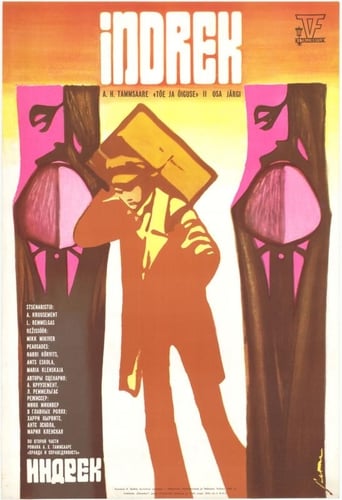 NR
NRBased on the second part of the pentalogy "Truth and Justice" by Anton H. Tammsaare.
Indrek
1976
1960s · 3 titles
7.0Throughout his long singing career, Artur Rinne went hand in hand with his audience who appreciated simplicity and heartfelt folksy songs. Singing, meeting audience like old acquaintances in large concert halls or in modest village clubs - this is the essence of his work. Artur Rinne talks about his life as a singer and as a person.
Our Artur
1968
 3.9
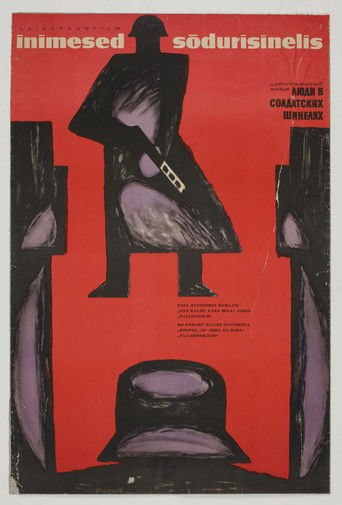
3.9The story of the war film is about paths of the Estonian Shooting Corps (formed by the Red Army) during the WW-2 and how the fight forms an usual man to a loyal soldier. Ideologic aspects of the movie are more hidden than in ordinary Soviet war films but they're still existing.
Men in Soldier's Overcoats
1968
 NR
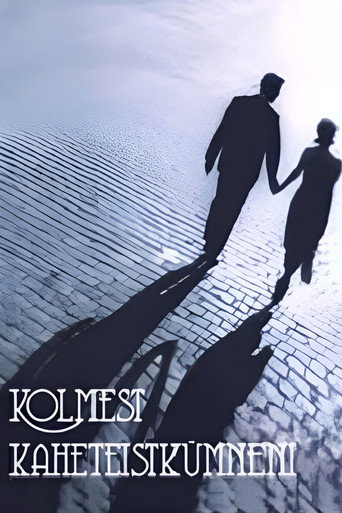
NRA film about the nighttime encounter between Sigrid and Jaan, a young couple living in the Estonian capital. Their romantic strolls through the streets, squares, and parks of Tallinn are accompanied by the glorious melodies of jazz.
From Three to Twelve
1965
Series credits
10.0Tuulepealne maa is a twelve-part Estonian television mini-series about the pre-World War II history of Estonia, its birth as a country, the Estonian War of Independence, post-war life throughout 1920 up to 1941 and World War II.
Windward Land
2008
NREstonian comedy sketch show consisting of parodies of popular Estonian movies or shows.
Mood Killer
2008