
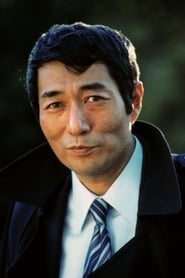
Directing
Shūji Terayama
Born — Died
1935-12-10 — 1983-05-04
Place of birth
Aomori, Japan
Known for
Directing
Credits
48 titles
From Wikipedia, the free encyclopedia. Shūji Terayama (December 10, 1935 – May 4, 1983) was an avant-garde Japanese poet, dramatist, writer, film director, and photographer. According to many critics and supporters, he was one of the most productive and provocative creative artists to come out of Japan. He was born December 10, 1935, the only son of Hachiro and Hatsu Terayama in Hirosaki city in the northern Japanese prefecture of Aomori. His father died at the end of Pacific War in Indonesia in September 1945. At the age of nine, his mother moved to Kyūshū to work at an American military base while he himself went to live with relatives in the city of Misawa, also in Aomori. At this same t…
Known for
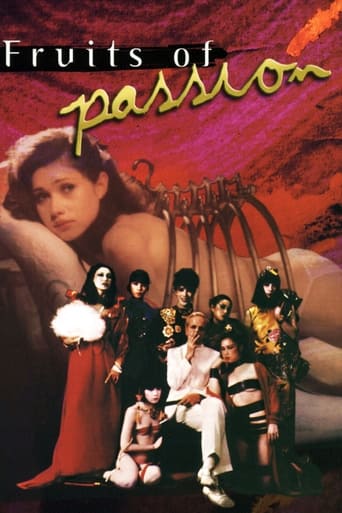 5.3
A girl named O loves a rich, and much older man. She is subjected to a variety of humiliating experiences to prove her unconditional obedience to him in a Chinese brothel. A poor boy sees her and falls in love with her. To get the money needed to sleep with her, he takes part in rebellious acts.
Fruits of Passion
1981
 7.5
A director faces creative block while working on his latest film – a reimagination of his adolescence growing up in a mountain village in rural Japan.
Pastoral: To Die in the Country
1974
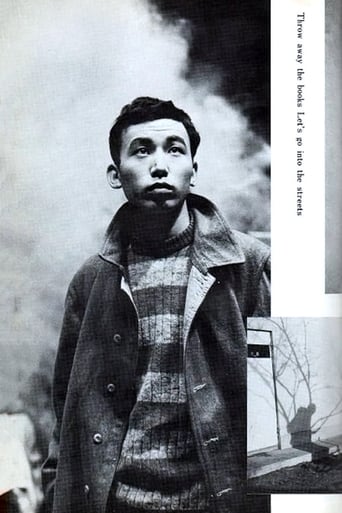 7.4
An experimental, psychedelic odyssey through Japanese subculture experienced via the eyes of a disillusioned young man, who must contend with intense familial dysfunction, psychosexual alienation, and existentialist malaise.
Throw Away Your Books, Rally in the Streets
1971
 7.1
A surreal, isolated village sees its inhabitants gradually leave behind their mutual traditions and superstitions as they leave for the city. Among them are two cousins who love each other and who get into a quarrel with other villagers.
Farewell to the Ark
1984
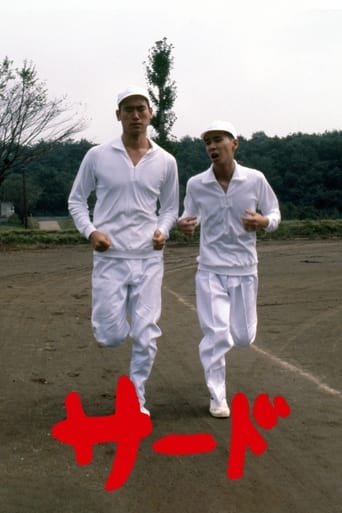 6.4
Third is an aimless young man who hangs around with a couple of girls who are amateur hookers. One day, while acting as their pimp, he gets into a conflict with a young gangster and winds up killing him.
Third Base
1978
 7.2
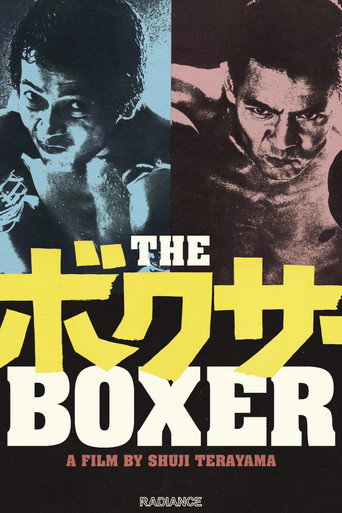
In the midst of a match, Hayato, a successful boxer, has had enough of the sport. He lets himself get knocked out, and quits boxing, leaving his wife and living alone with his mangy dog. One day a young mediocre boxer knocks at the door and wants to be Hayato's apprentice.
The Boxer
1977
Film credits
2010s · 1 titles
1970s · 3 titles
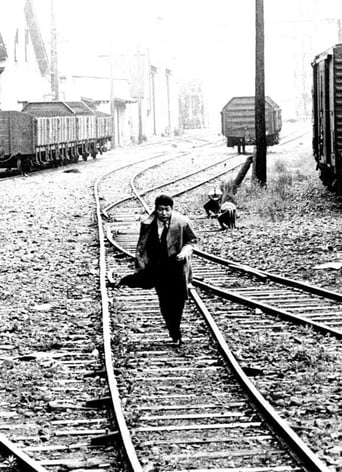
No synopsis available yet.
Children of the Gods
1978
 NR
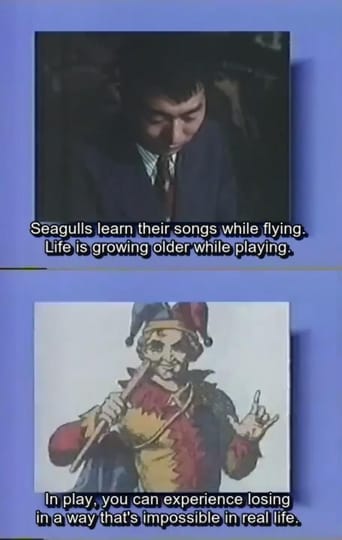
Shûji Terayama's commercial for the Japanese Racing Association.
JRA CM
1973
 NR
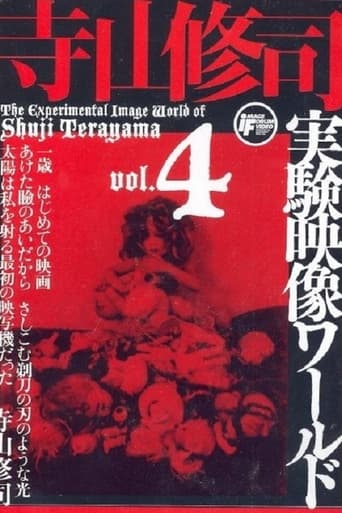
Shuji Terayama starts a poem, and then ships his pencil to Herbie Yamaguchi in the UK. Herbie ships the pencil back to Terayama, who then finishes his poem.
Catalog of Memory
1977
1960s · 2 titles
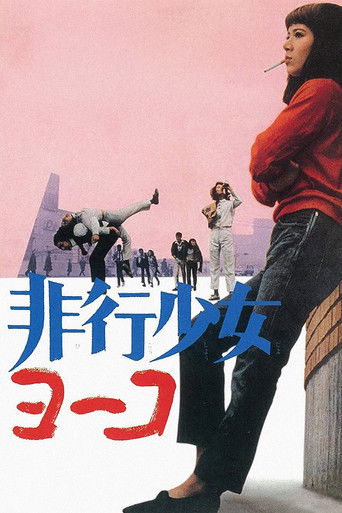 3.3
Easily bored, but still innocent and naive countryside girl discovers partying in Tokyo is a ton of fun. Yakuza-to-be is an acquaintance who tries to rape her, and the typically bland but very-good-here the first boyfriend.
Pretty Devil Yoko
1966
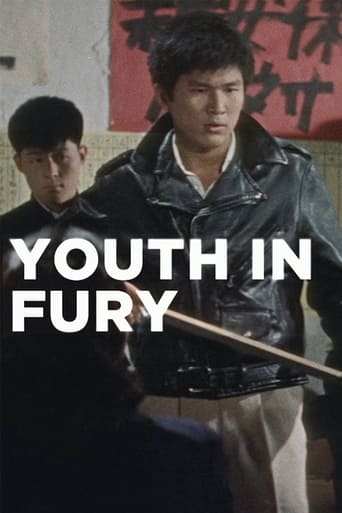 7.0
Amidst the 1960 Japanese-American mutual security treaty, alienated young nihilist Takuya struggles to find his footing between his do-nothing wealth and the outer Western extremism as major student protests take place.
Youth in Fury
1960
Behind the camera
5.3A girl named O loves a rich, and much older man. She is subjected to a variety of humiliating experiences to prove her unconditional obedience to him in a Chinese brothel. A poor boy sees her and falls in love with her. To get the money needed to sleep with her, he takes part in rebellious acts.
Fruits of Passion
1981
7.5A director faces creative block while working on his latest film – a reimagination of his adolescence growing up in a mountain village in rural Japan.
Pastoral: To Die in the Country
1974
7.5A director faces creative block while working on his latest film – a reimagination of his adolescence growing up in a mountain village in rural Japan.
Pastoral: To Die in the Country
1974
7.5A director faces creative block while working on his latest film – a reimagination of his adolescence growing up in a mountain village in rural Japan.
Pastoral: To Die in the Country
1974
7.4An experimental, psychedelic odyssey through Japanese subculture experienced via the eyes of a disillusioned young man, who must contend with intense familial dysfunction, psychosexual alienation, and existentialist malaise.
Throw Away Your Books, Rally in the Streets
1971
7.4An experimental, psychedelic odyssey through Japanese subculture experienced via the eyes of a disillusioned young man, who must contend with intense familial dysfunction, psychosexual alienation, and existentialist malaise.
Throw Away Your Books, Rally in the Streets
1971
7.4An experimental, psychedelic odyssey through Japanese subculture experienced via the eyes of a disillusioned young man, who must contend with intense familial dysfunction, psychosexual alienation, and existentialist malaise.
Throw Away Your Books, Rally in the Streets
1971
7.1A surreal, isolated village sees its inhabitants gradually leave behind their mutual traditions and superstitions as they leave for the city. Among them are two cousins who love each other and who get into a quarrel with other villagers.
Farewell to the Ark
1984
7.1A surreal, isolated village sees its inhabitants gradually leave behind their mutual traditions and superstitions as they leave for the city. Among them are two cousins who love each other and who get into a quarrel with other villagers.
Farewell to the Ark
1984
6.4Third is an aimless young man who hangs around with a couple of girls who are amateur hookers. One day, while acting as their pimp, he gets into a conflict with a young gangster and winds up killing him.
Third Base
1978
7.2In the midst of a match, Hayato, a successful boxer, has had enough of the sport. He lets himself get knocked out, and quits boxing, leaving his wife and living alone with his mangy dog. One day a young mediocre boxer knocks at the door and wants to be Hayato's apprentice.
The Boxer
1977
7.2In the midst of a match, Hayato, a successful boxer, has had enough of the sport. He lets himself get knocked out, and quits boxing, leaving his wife and living alone with his mangy dog. One day a young mediocre boxer knocks at the door and wants to be Hayato's apprentice.
The Boxer
1977
 5.9
Three stories. A solitary sailor falls from his boat and washes ashore on a tropical island. While seeking rescue, he's found by a nearly naked woman who is playful and compliant. He decides to erase his signs of distress and remain on the island. What awaits? In the second, an adolescent searches for the words of a nursery rime he remembers bits of. His journey takes him into dreams, sexual awakening, and Oedipal fantasy. Third, a man of wealth in late-nineteenth century Paris hires a prostitute for the night. She's also cabaret performer and takes him to her room. He fears he's about to be robbed. What's her secret?
Private Collections
1979
5.9Three stories. A solitary sailor falls from his boat and washes ashore on a tropical island. While seeking rescue, he's found by a nearly naked woman who is playful and compliant. He decides to erase his signs of distress and remain on the island. What awaits? In the second, an adolescent searches for the words of a nursery rime he remembers bits of. His journey takes him into dreams, sexual awakening, and Oedipal fantasy. Third, a man of wealth in late-nineteenth century Paris hires a prostitute for the night. She's also cabaret performer and takes him to her room. He fears he's about to be robbed. What's her secret?
Private Collections
1979
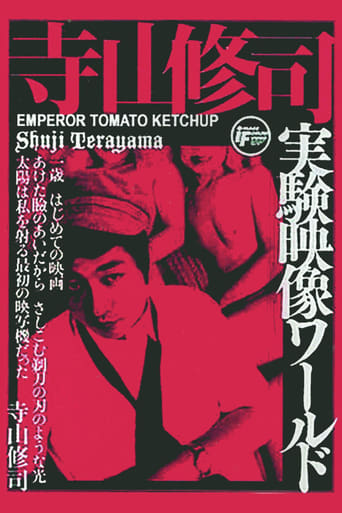 5.4
In a Japanese colony, children overthrow their parental guardians and attempt to form a new society. Their plan spirals out of control and they are soon lost in a web of sexual deviation and violence.
Emperor Tomato Ketchup
1971
5.4In a Japanese colony, children overthrow their parental guardians and attempt to form a new society. Their plan spirals out of control and they are soon lost in a web of sexual deviation and violence.
Emperor Tomato Ketchup
1971
 7.0
Gang of robbers quarrel about the loot, but when one of them gets killed, his younger brother seeks them out to ice them one by one.
Get 'em All
1960
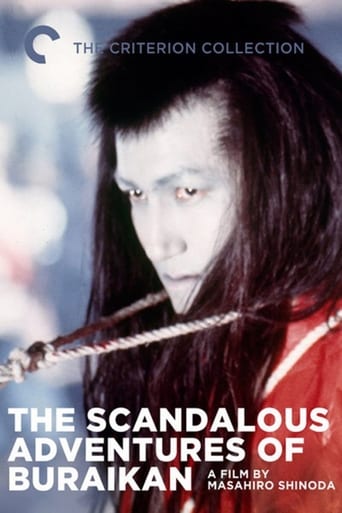 7.1
An outlaw pushes the residents of Edo's red light district to rebel against a growing number of stifling, moralistic laws.
The Scandalous Adventures of Buraikan
1970
 7.3
Akira is haunted by a "bouncing ball" song that he remembers his mother singing when he was a small child, and now on the verge of a sexually active adulthood, he wants to find the origins of the song. The young man ostensibly wanders into a time-warp in which aspects from his childhood and adulthood mix together. In this never-never land he comes across a beautiful woman/witch who is lost inside the labyrinth of her mansion, just as the young man is lost in the labyrinth of time — and on some levels, perhaps the labyrinth of his subconscious.
Grass Labyrinth
1979
7.3Akira is haunted by a "bouncing ball" song that he remembers his mother singing when he was a small child, and now on the verge of a sexually active adulthood, he wants to find the origins of the song. The young man ostensibly wanders into a time-warp in which aspects from his childhood and adulthood mix together. In this never-never land he comes across a beautiful woman/witch who is lost inside the labyrinth of her mansion, just as the young man is lost in the labyrinth of time — and on some levels, perhaps the labyrinth of his subconscious.
Grass Labyrinth
1979
7.0Amidst the 1960 Japanese-American mutual security treaty, alienated young nihilist Takuya struggles to find his footing between his do-nothing wealth and the outer Western extremism as major student protests take place.
Youth in Fury
1960
 NR
Yukichi Matsumoto's 2013 stage adaptation of Shuji Terayama's "Lemmings". Two cooks share a room, one of which talks with his mother's head: it lives beneath their tatami mats. On the other side of their room's wall, lives a wife who desperately cares for her feverish husband. As more and more walls are tore down movie studios, hospitals and prisons are revealed, destroying the physical boundaries between their boarding house and the city.
Lemming
2013
 7.0
A teenage goldsmith with a dark past tragically falls in love with a young nude model.
Nanami: The Inferno of First Love
1968
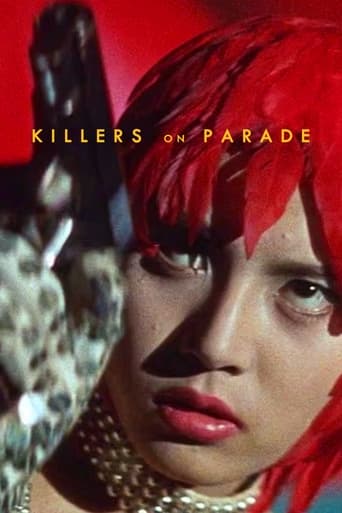 6.5
A vengeful contractor hires a series of young killers to target a woman muckraker. Trouble brews when an amateur marksman shows up his eclectic competition.
Killers on Parade
1961
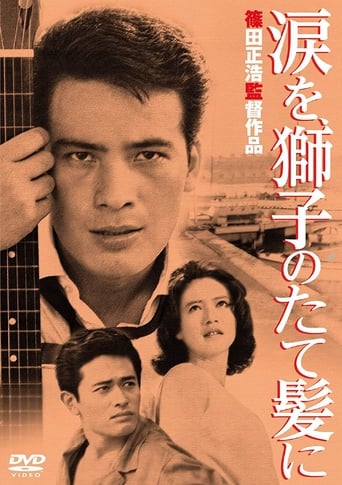 6.1
A union-busting Yokohama dockworker learns that the loyalties that rule his life are based on shaky foundations. Believing that his manager was responsible for saving his life as a baby, he falls victim to a manipulative cycle of deceit and revenge.
A Flame at the Pier
1962
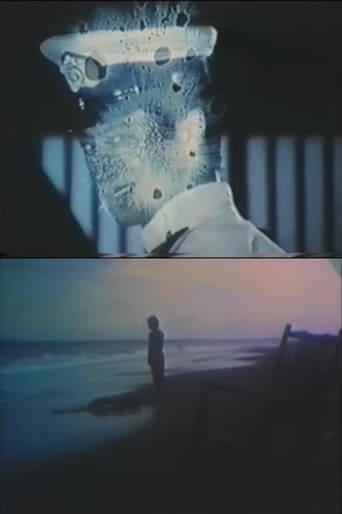 4.0
Visions of characters by the seaside from one's memory are erased by the filmmaker's hand.
The Eraser
1977
4.0Visions of characters by the seaside from one's memory are erased by the filmmaker's hand.
The Eraser
1977
 5.0
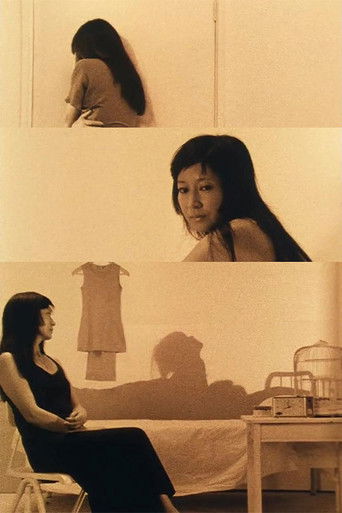
As a family goes on with their day, the shadows on their walls lead a completely different life.
The Woman with Two Heads
1977
5.0As a family goes on with their day, the shadows on their walls lead a completely different life.
The Woman with Two Heads
1977
 7.8
A young reporter falls for a beautiful waitress, but fate conspires against their burgeoning romance when the latter is involved in a car accident and loses her memory.
Epitaph to My Love
1961
 8.2
This remarkable compilation follows an exchange of video letters that took place between Shuji Terayama and Shuntaro Tanikawa in the months immediately preceding Terayama's death. It can be thought of as a home video produced by two preeminent poets and inter-laid with highly abstract philosophizing, slightly aberrant behavior and occasionally flamboyant visuals.
Video Letter
1983
8.2This remarkable compilation follows an exchange of video letters that took place between Shuji Terayama and Shuntaro Tanikawa in the months immediately preceding Terayama's death. It can be thought of as a home video produced by two preeminent poets and inter-laid with highly abstract philosophizing, slightly aberrant behavior and occasionally flamboyant visuals.
Video Letter
1983
 NR
A man claiming to be the heir of an estate in northern japan finds himself at the doors of his mansion, only to find it overrun by servants and maids playing pretend as master or mistress, while the real master is nowhere to be found. As he makes his way down the many rooms of the mansion and witnesses the staff's strange antics, he gradually loses his own role and sense of identity. In this subversive play performed by Tenjo Sajiki, the spectator is asked to question their own role as hierarchical structures are reversed and walls between character and actor, actor and audience gradually break down.
Directions to Servants
1978
NRA man claiming to be the heir of an estate in northern japan finds himself at the doors of his mansion, only to find it overrun by servants and maids playing pretend as master or mistress, while the real master is nowhere to be found. As he makes his way down the many rooms of the mansion and witnesses the staff's strange antics, he gradually loses his own role and sense of identity. In this subversive play performed by Tenjo Sajiki, the spectator is asked to question their own role as hierarchical structures are reversed and walls between character and actor, actor and audience gradually break down.
Directions to Servants
1978
 6.4
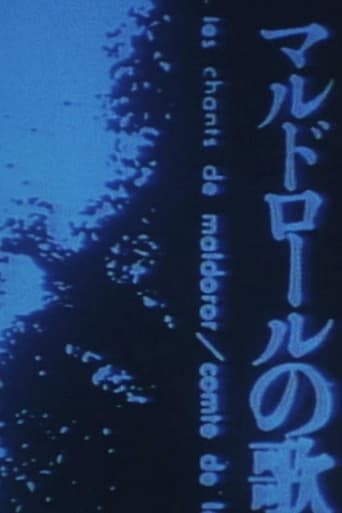
A “reading film” of delirious image and text, Les chants de Maldoror takes its title and inspiration from Comte de Lautréamont’s 1869 proto-Surrealist poetic novel which, for instance, describes beauty as the chance encounter of a sewing machine and an umbrella on an operating table. In the novel’s six cantos, a young misanthrope indulges in depraved and destructive acts. Unexpected encounters abound, with turtles and birds joining Terayama’s regular cast of snails and dogs to wander over books and bare torsos. Feverish video processing posterizes, inverts and overlays images that are further colored by sound—pushing the limits of his literary adaptation. Terayama wrote that the only tombstone he wanted was his words, but, as Les chants de Maldoror demonstrates, words need not be confined to carved monuments or bound hardcopies.
Les chants de Maldoror
1978
6.4A “reading film” of delirious image and text, Les chants de Maldoror takes its title and inspiration from Comte de Lautréamont’s 1869 proto-Surrealist poetic novel which, for instance, describes beauty as the chance encounter of a sewing machine and an umbrella on an operating table. In the novel’s six cantos, a young misanthrope indulges in depraved and destructive acts. Unexpected encounters abound, with turtles and birds joining Terayama’s regular cast of snails and dogs to wander over books and bare torsos. Feverish video processing posterizes, inverts and overlays images that are further colored by sound—pushing the limits of his literary adaptation. Terayama wrote that the only tombstone he wanted was his words, but, as Les chants de Maldoror demonstrates, words need not be confined to carved monuments or bound hardcopies.
Les chants de Maldoror
1978
 6.0
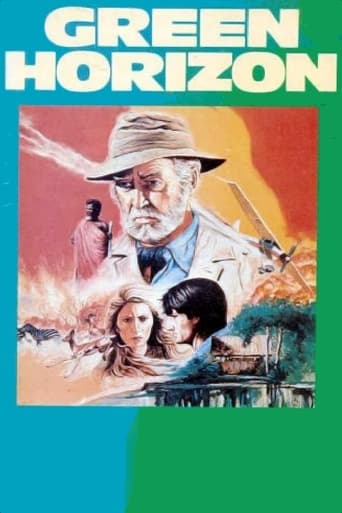
A pilot crash-lands in the African wilds, and loses his memory. He finds an old man living in the jungle with his grand-daughter. He falls in love with the young girl and settles down happily with them; their idyllic life broken only by a visit from his long forgotten fiancee.
A Tale of Africa
1980
 4.6
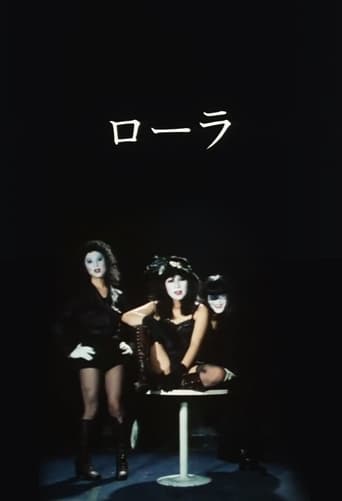
Three showgirls playfully mock the audience for attending a projection of an art film.
Laura
1974
This sumptuous-yet-austere liberal re-working of Cien años de soledad by Gabriel García Márquez, arranged on a five-part stage surrounded by the audience, was historically the latest production of Tenjo Sajiki.
100 Years of Solitude
1981