
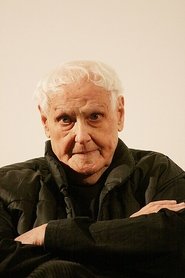
Directing
Miklós Jancsó
Born — Died
1921-09-27 — 2014-01-31
Place of birth
Vác, Hungary
Known for
Directing
Credits
53 titles
Miklós Jancsó (27 September 1921 – 31 January 2014) was a Hungarian film director and screenwriter. Jancsó achieved international prominence from the mid-1960s onwards, with works including The Round Up (Szegénylegények, 1965), The Red and the White (Csillagosok, katonák, 1967) and Red Psalm (Még kér a nép, 1971). Jancsó's films are characterized by visual stylization, elegantly choreographed shots, long takes, historical periods, rural settings, and a lack of psychoanalyzing. A frequent theme of his films is the abuse of power. His works are often allegorical commentaries on Hungary under Communism and the Soviet occupation, although some critics prefer to stress the universal dimensions o…
Known for
 7.0
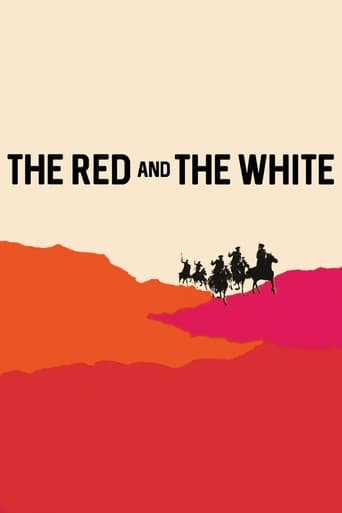
7.0In 1919, Hungarian Communists aid the Bolsheviks' defeat of Czarists, the Whites. Near the Volga, a monastery and a field hospital are held by one side and then the other.
The Red and the White
1967
 5.2
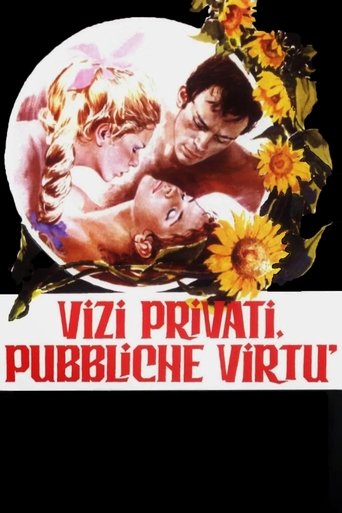
5.2The setting is a Central European kingdom, near the turn of the century. Bored by his very proper wife, the youthful heir to the throne spends his time in amorous dalliances at a sprawling country estate. His wife departs at the arrival of his friends, and they organize a celebration which becomes a wild orgy and culminates in death and tragedy.
Private Vices, Public Virtues
1976
 6.3
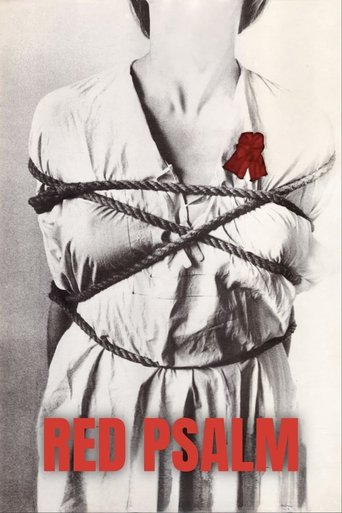
6.3Set in the 1890s on the Hungarian plains, a group of farm workers go on strike in which they face harsh reprisals and the reality of revolt, oppression, morality and violence.
Red Psalm
1972
 6.5
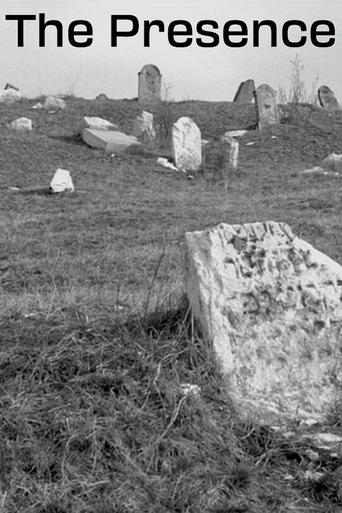
6.5Two old men enter an abandoned synagogue, look at the decay around them, and pray.
The Presence
1965
 7.2
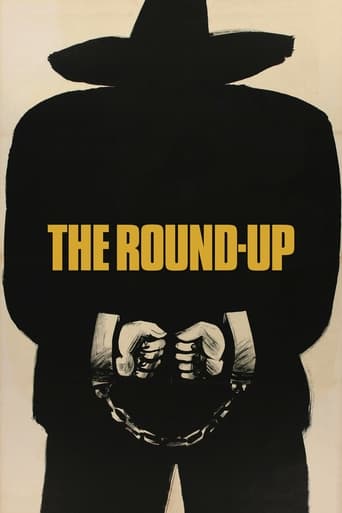
7.2After the failure of the Kossuth's revolution of 1848, people suspected of supporting the revolution are sent to prison camps. Years later, partisans led by outlaw Sándor Rózsa still run rampant. Although the authorities do not know the identities of the partisans, they round up suspects and try to root them out by any means necessary.
The Round-Up
1966
 5.0
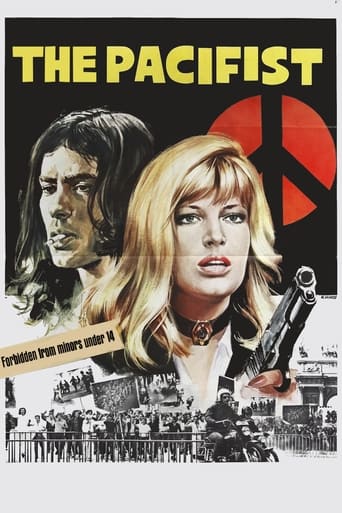
5.0A journalist preparing a story on extremist youth falls in love with a young radical who fears being killed by his companions when he is unable to commit a political assassination.
The Pacifist
1970
Film credits
2000s · 9 titles
 8.0
8.0No synopsis available yet.
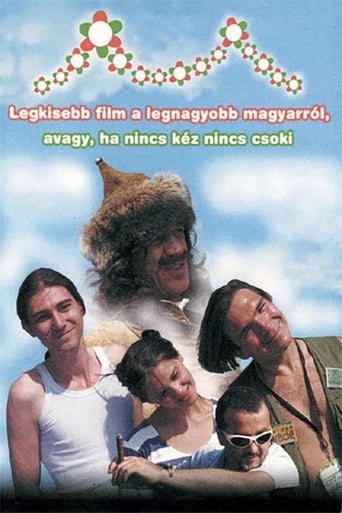
Legkisebb film a legnagyobb magyarról
2002
A collective film made by ten prominent Hungarian filmmakers to express what each of them wishes to bring with them of their own culture and personal experience with Hungary's accession to the European Union.
From Europe Into Europe
2004
A making-of documentary shot on the set of Miklós Jancsó's 2003 film "Wake Up, Mate, Don’t You Sleep".
Jancsó Shoots
2002
 4.2
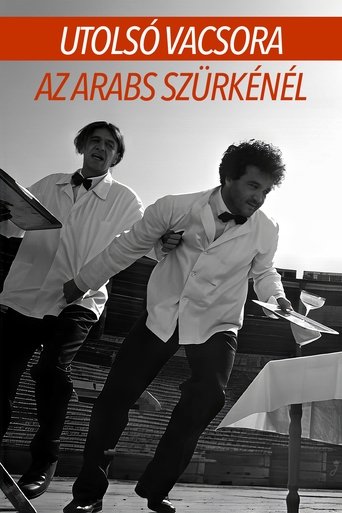
4.2Waiters’ competition at Heroes’ Square in the late thirties. Dressed as waiters, Kapa and Pepe awake in the bronze chariot of the millennial sculpture group. They drive along the Danube promenade, and on the concrete reinforcement of the demolished Budapest rondella hotel they get involved in a showdown of political background. In the burnt-down Sports Hall the waiters train for a last supper, Pepe and Kapa run around the big laid table with trays in their hands. While doing so, Pepe keeps crying out: "I am the best one, I am the most beautiful one, I am the king, I am the god..." Sitting in a boat on the Danube, a ship goes past them, and the Niagara falls, majestic and breathtaking, resound in their ears. On each passing away something new will come to life – as rapped by Sub Bass Monster.
Last Supper at the Arabian Gray Horse
2001
 7.0
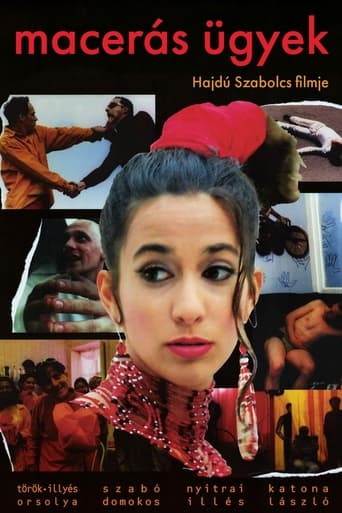
7.0A girl is on the skids because of love. A short tempered and passionate young man falls in love with the girl. His emotions are so powerful that he is prepared to surrender his whole personality. The boy has a good friend, who is not sure whether their bond is friendly or homosexual. Before the girl arrived, the friendship was close, but now she has thrown a spanner in the works. How do they react to the new situation?
Sticky Matters
2001
 NR
NRA documentary about the Democratic Opposition of socialist Hungary.
A Kádár-korszak demokratikus ellenzéke
2009
 5.6
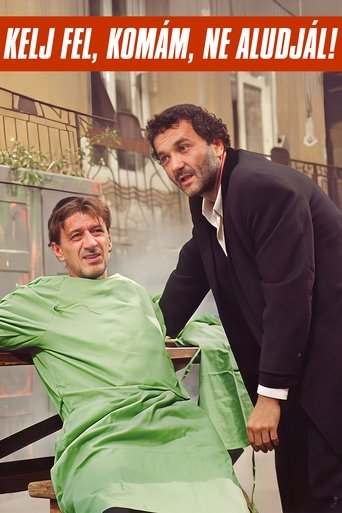
5.6This time, Kapa and Pepe are first of all prisoners of war – and convicts taken to forced labor service, Jews, Hungarian soldiers, German soldiers. Once they are to be executed, then again they are to perform executions. The film tells in spectacular episodes about the fact that in the past more than one century and a half we kept marching from war to war; occupation and liberation turned out to be indifferent, and why couldn’t the Jews execute the SS-guys? Our heroes hover about dilapidated barracks, then again on the bridges of the capital they guess whose satellites or eternal friends for all times we might be just now. In the cupboard, among the preserved fruit bottles, Stalin is still hiding. The authors of the film are cited before court, then in a showcase hospital they are waiting for the end to come. A Soviet soldier-maid closes the film with a Péter Nádas-quote.
Wake Up, Mate, Don't You Sleep
2003
 4.9
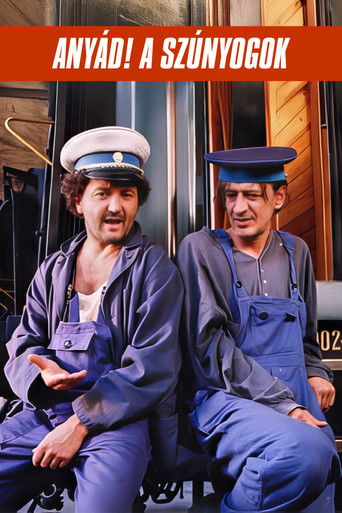
4.9Kapa, Pepe and Mesi would like to buy a scrapyard of trains, to start a nostalgia train and earn a lot of money. The capital to start with they want to get from grandpa, who has come home from America with a suitcase full of money. Everybody wants Mesi to approach the old man, because she is the only one he would speak to. But Mesi is more concerned with the idea that she wants a child, by now from anyone, while Pepe is jealous. Kapa’s alleged son emerges, with the mafia behind him: they, too, are eager to get grandpa’s money. After threats and blackmailing, poisoned apples are sent, with only one side of them poisonous. Those dead, by the way, are resurrected by the sound of a song. At last, nobody manages to get the money, but it wouldn’t make sense anyway: it’s all fake. The Statue of Liberty, however, turns out to be blind.
Damn You! the Mosquitoes
2000
 5.2
5.2Jancsó’s farce, similar to the previous ones, is about our time and about death. Pepe marries into a family of mafiosi, with the father-in-law rolling in money. In a joint venture they establish the first Hungarian Prison Limited company, where there is a menu, the prisoners are residents, and they furnish the place of execution for those volunteering to execute themselves. It turns out that the first voluntary hanging should be demonstrated on Pepe. In 180 AD Emperor Marcus Aurelius is dying in Vindobona, being fed with blades of hay by uncle Miki himself, and his son Kornél Mundruczó. Kapa provides for communication: he insists on telling lies, lies and again lies. Furthermore, there are several to die and to revive, to win and to lose, and Melancholy Béla is still alive.
Ed's Eaten Elevenses
2006
1990s · 2 titles
 6.4
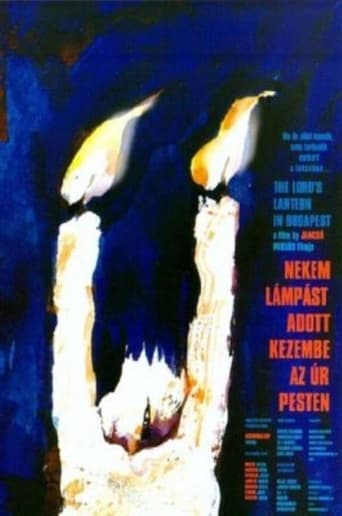
6.4In the Kerepesi Street cemetery, three grave diggers contemplate the fate of the world, then they step out of this role and in a sequence of episodes they play the typical figures of contemporary Hungarian reality, the fat cat, the swashbuckler, the victim, underworld chieftains, and present little absurd dramas of love, marriage, friendship, public order and legal safety. The author and the film director walk among them all the time, contemplating, laughing at their plays. The stories starting from the graveyard and returning there warn of the inevitability of death. The author and the director (Gyula Hernádi and Miklós Jancsó) wisely make friends with death.
The Lord's Lantern in Budapest
1999
 10.0
10.0The Third film in Miklós Jancsó's documentary series Message of Stones.
Message of Stones: Hegyalja
1994
Behind the camera
7.0In 1919, Hungarian Communists aid the Bolsheviks' defeat of Czarists, the Whites. Near the Volga, a monastery and a field hospital are held by one side and then the other.
The Red and the White
1967
7.0In 1919, Hungarian Communists aid the Bolsheviks' defeat of Czarists, the Whites. Near the Volga, a monastery and a field hospital are held by one side and then the other.
The Red and the White
1967
5.2The setting is a Central European kingdom, near the turn of the century. Bored by his very proper wife, the youthful heir to the throne spends his time in amorous dalliances at a sprawling country estate. His wife departs at the arrival of his friends, and they organize a celebration which becomes a wild orgy and culminates in death and tragedy.
Private Vices, Public Virtues
1976
5.2The setting is a Central European kingdom, near the turn of the century. Bored by his very proper wife, the youthful heir to the throne spends his time in amorous dalliances at a sprawling country estate. His wife departs at the arrival of his friends, and they organize a celebration which becomes a wild orgy and culminates in death and tragedy.
Private Vices, Public Virtues
1976
6.3Set in the 1890s on the Hungarian plains, a group of farm workers go on strike in which they face harsh reprisals and the reality of revolt, oppression, morality and violence.
Red Psalm
1972
6.5Two old men enter an abandoned synagogue, look at the decay around them, and pray.
The Presence
1965
7.2After the failure of the Kossuth's revolution of 1848, people suspected of supporting the revolution are sent to prison camps. Years later, partisans led by outlaw Sándor Rózsa still run rampant. Although the authorities do not know the identities of the partisans, they round up suspects and try to root them out by any means necessary.
The Round-Up
1966
5.0A journalist preparing a story on extremist youth falls in love with a young radical who fears being killed by his companions when he is unable to commit a political assassination.
The Pacifist
1970
 NR
NRAnthology film made as an act of protest against Hungarian government of Viktor Orban.
Hungary 2011
2012
NRAnthology film made as an act of protest against Hungarian government of Viktor Orban.
Hungary 2011
2012
7.5The second film in Miklós Jancsó's documentary series Message of Stones.
Message of Stones: Máramaros
1994
6.4In the Kerepesi Street cemetery, three grave diggers contemplate the fate of the world, then they step out of this role and in a sequence of episodes they play the typical figures of contemporary Hungarian reality, the fat cat, the swashbuckler, the victim, underworld chieftains, and present little absurd dramas of love, marriage, friendship, public order and legal safety. The author and the film director walk among them all the time, contemplating, laughing at their plays. The stories starting from the graveyard and returning there warn of the inevitability of death. The author and the director (Gyula Hernádi and Miklós Jancsó) wisely make friends with death.
The Lord's Lantern in Budapest
1999
6.4In the Kerepesi Street cemetery, three grave diggers contemplate the fate of the world, then they step out of this role and in a sequence of episodes they play the typical figures of contemporary Hungarian reality, the fat cat, the swashbuckler, the victim, underworld chieftains, and present little absurd dramas of love, marriage, friendship, public order and legal safety. The author and the film director walk among them all the time, contemplating, laughing at their plays. The stories starting from the graveyard and returning there warn of the inevitability of death. The author and the director (Gyula Hernádi and Miklós Jancsó) wisely make friends with death.
The Lord's Lantern in Budapest
1999
 6.3
6.3The movie portrays a peasant revolt in Hungary in the early twentieth century.
Hungarian Rhapsody
1979
6.3The movie portrays a peasant revolt in Hungary in the early twentieth century.
Hungarian Rhapsody
1979
 6.1
6.1It has been fifteen years since the death of her father, Agamemnon, and Elektra still burns with hatred for Aegisztosz, who conspired with Elektra's mother to kill him.
Electra, My Love
1974
A collective film made by ten prominent Hungarian filmmakers to express what each of them wishes to bring with them of their own culture and personal experience with Hungary's accession to the European Union.
From Europe Into Europe
2004
 NR
NRA documentary about director Luca Ronconi. He is asked about his life and his choice to devote himself to theater and in particular, at that precise moment in his career, to undertake the production of Pier Paolo Pasolini's Calderon as part of the Prato theater workshop.
Laboratorio teatrale di Luca Ronconi
1977
No synopsis available yet.
A 8. szabad május 1
1952
 8.0
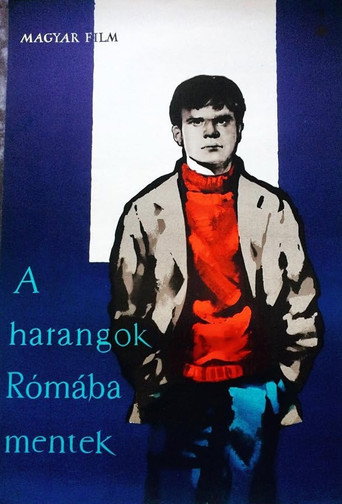
8.0The movie addresses the anti-fascist theme taken from a moral perspective. The movie tells the story of a group of teenagers who were drafted to the front in the last weeks of World War II and found refuge on a small island.
The Bells Have Gone to Rome
1958
10.0The Third film in Miklós Jancsó's documentary series Message of Stones.
Message of Stones: Hegyalja
1994
 7.0
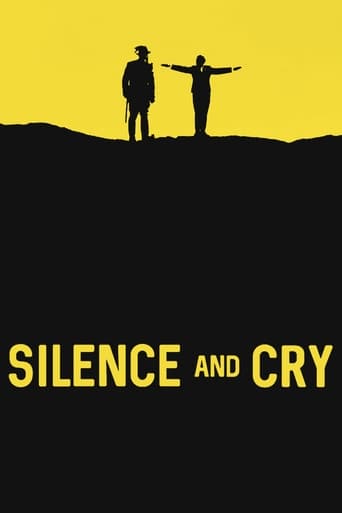
7.0Set during a turbulent era of disquiet, fear, persecution and terror, which permeates every corner of post-WWI Hungarian society. In 1919, after just a few months of communist rule the Hungarian Republic of Councils falls victim to a nationalist counter-revolution. Admiral Horthy, leader of the nationalist far right movement, becomes the self-proclaimed regent of Hungary, and assumes power as the legal Head of State. Soldiers of the short-lived Hungarian Red Army are now on the run from relentless secret policemen and patrol units of the nationalist Royal Gendarme. If caught, ex-Red Army soldiers are executed without mercy or proper trial. István Cserzi, a former soldier of the Red Army has fled to the Great Hungarian Plains and has taken refuge on a farm, which is run by two sympathetic women.
Silence and Cry
1968
7.0Set during a turbulent era of disquiet, fear, persecution and terror, which permeates every corner of post-WWI Hungarian society. In 1919, after just a few months of communist rule the Hungarian Republic of Councils falls victim to a nationalist counter-revolution. Admiral Horthy, leader of the nationalist far right movement, becomes the self-proclaimed regent of Hungary, and assumes power as the legal Head of State. Soldiers of the short-lived Hungarian Red Army are now on the run from relentless secret policemen and patrol units of the nationalist Royal Gendarme. If caught, ex-Red Army soldiers are executed without mercy or proper trial. István Cserzi, a former soldier of the Red Army has fled to the Great Hungarian Plains and has taken refuge on a farm, which is run by two sympathetic women.
Silence and Cry
1968
 6.8
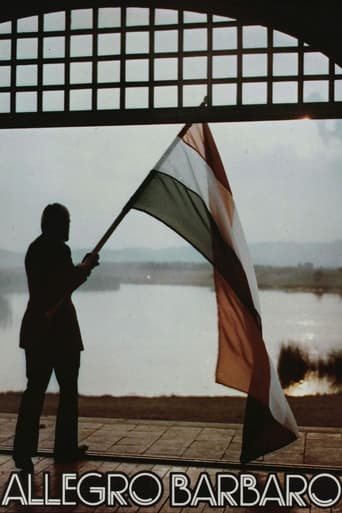
6.8Zsadányi flees from the authorities with his goddaughter, Bankós Mari, and they escape into the forest. The film then skips ahead thirty-fold years: Zsadány and Mari are now lovers, with the sound of war in the background halting their romance. The old friends of Zsadányi have joined with the Nazis, and the landowner living with his peasants in a socialist community grows distant from them. Zsadányi is held responsible for political problems in the country, and will pay with his life.
Allegro Barbaro
1979
6.8Zsadányi flees from the authorities with his goddaughter, Bankós Mari, and they escape into the forest. The film then skips ahead thirty-fold years: Zsadány and Mari are now lovers, with the sound of war in the background halting their romance. The old friends of Zsadányi have joined with the Nazis, and the landowner living with his peasants in a socialist community grows distant from them. Zsadányi is held responsible for political problems in the country, and will pay with his life.
Allegro Barbaro
1979
 5.2
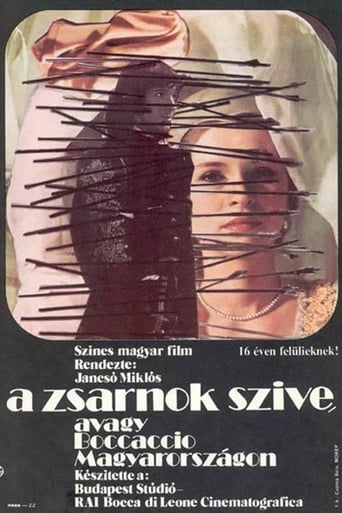
5.2A historical drama set in the 1400s, a young man sent to Italy but is forced back after his father's mysterious death.
The Tyrant's Heart, or Boccaccio in Hungary
1981
5.2A historical drama set in the 1400s, a young man sent to Italy but is forced back after his father's mysterious death.
The Tyrant's Heart, or Boccaccio in Hungary
1981
 5.6
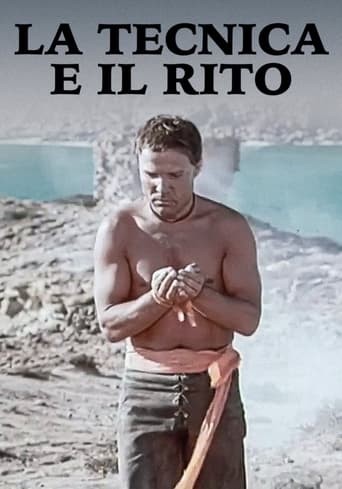
5.6The narrative concerns the barbaric exploits of Attila The Hun and yet none of the characters ever leave the remote seaside stretch of land on which the film is set or do much of anything – with the ensuing moralizing interrupted only by the occasional (and equally obscure) music-infused rites.
The Technique and the Rite
1972
5.6The narrative concerns the barbaric exploits of Attila The Hun and yet none of the characters ever leave the remote seaside stretch of land on which the film is set or do much of anything – with the ensuing moralizing interrupted only by the occasional (and equally obscure) music-infused rites.
The Technique and the Rite
1972
 7.1
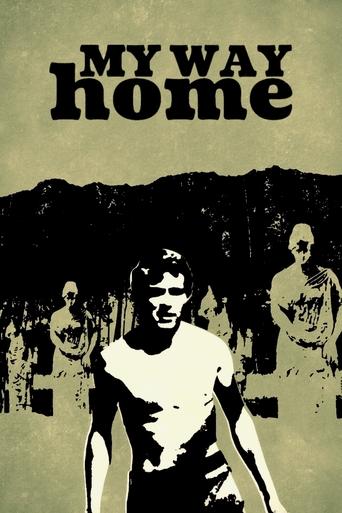
7.1In the aftermath of World War II, a Hungarian teenager, captured by Soviet troops, forms an unlikely bond with a Russian soldier in a remote prison camp.
My Way Home
1965
One of the earliest works of the outstanding Hungarian director Miklós Jancso was filmed by him in collaboration with Dezho Koza and Gyula Meszáros as a documentary short film dedicated to the propaganda of building socialism in Hungary.
We Took Over the Cause of Peace
1950
One of the earliest works of the outstanding Hungarian director Miklós Jancso was filmed by him in collaboration with Dezho Koza and Gyula Meszáros as a documentary short film dedicated to the propaganda of building socialism in Hungary.
We Took Over the Cause of Peace
1950
4.2Waiters’ competition at Heroes’ Square in the late thirties. Dressed as waiters, Kapa and Pepe awake in the bronze chariot of the millennial sculpture group. They drive along the Danube promenade, and on the concrete reinforcement of the demolished Budapest rondella hotel they get involved in a showdown of political background. In the burnt-down Sports Hall the waiters train for a last supper, Pepe and Kapa run around the big laid table with trays in their hands. While doing so, Pepe keeps crying out: "I am the best one, I am the most beautiful one, I am the king, I am the god..." Sitting in a boat on the Danube, a ship goes past them, and the Niagara falls, majestic and breathtaking, resound in their ears. On each passing away something new will come to life – as rapped by Sub Bass Monster.
Last Supper at the Arabian Gray Horse
2001
4.2Waiters’ competition at Heroes’ Square in the late thirties. Dressed as waiters, Kapa and Pepe awake in the bronze chariot of the millennial sculpture group. They drive along the Danube promenade, and on the concrete reinforcement of the demolished Budapest rondella hotel they get involved in a showdown of political background. In the burnt-down Sports Hall the waiters train for a last supper, Pepe and Kapa run around the big laid table with trays in their hands. While doing so, Pepe keeps crying out: "I am the best one, I am the most beautiful one, I am the king, I am the god..." Sitting in a boat on the Danube, a ship goes past them, and the Niagara falls, majestic and breathtaking, resound in their ears. On each passing away something new will come to life – as rapped by Sub Bass Monster.
Last Supper at the Arabian Gray Horse
2001
 5.0
5.0Allegory of the suppression of the 1919 revolution and the advent of fascism in Hungary; in the countryside, a unit of the revolutionary army spares the life of father Vargha, a fanatical priest. He comes back and leads massacres. A new force, represented by Feher, apparently avenges the people, but only to impose a different, more refined and effective kind of repression.
Agnus Dei
1971
5.0Allegory of the suppression of the 1919 revolution and the advent of fascism in Hungary; in the countryside, a unit of the revolutionary army spares the life of father Vargha, a fanatical priest. He comes back and leads massacres. A new force, represented by Feher, apparently avenges the people, but only to impose a different, more refined and effective kind of repression.
Agnus Dei
1971
 7.6
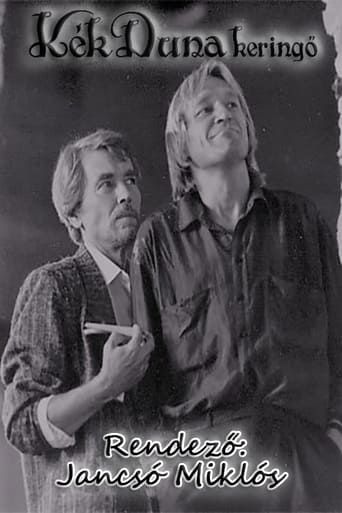
7.6When Hungary's newest prime minister is shot and killed at a reception, the resulting investigation is necessarily swift and comprehensive. This compelling political thriller uncovers two prime suspects: the woman who guns the leader down, and a man who was friends with both the prime minister and his murderer. Using video surveillance footage, as well as other more artful and symbolic imagery, the noted "visualist" director Miklos Jancso, who is known for his craft in getting his points across non-verbally, combines fantasy and reality in a highly ironic manner.
The Blue Danube Waltz
1992
7.6When Hungary's newest prime minister is shot and killed at a reception, the resulting investigation is necessarily swift and comprehensive. This compelling political thriller uncovers two prime suspects: the woman who guns the leader down, and a man who was friends with both the prime minister and his murderer. Using video surveillance footage, as well as other more artful and symbolic imagery, the noted "visualist" director Miklos Jancso, who is known for his craft in getting his points across non-verbally, combines fantasy and reality in a highly ironic manner.
The Blue Danube Waltz
1992
 6.5
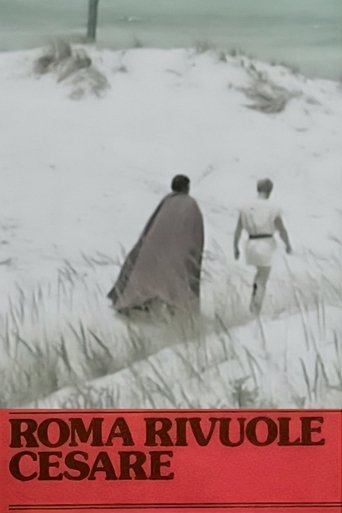
6.5In this costume epic, the last days of Julius Caesar are chronicled.
Rome Wants Another Caesar
1974
6.5In this costume epic, the last days of Julius Caesar are chronicled.
Rome Wants Another Caesar
1974