

Directing
Lưu Trọng Ninh
Known for
Directing
Credits
8 titles
Lưu Trọng Ninh (born 1956) is a Vietnamese director and winner of two Golden Kite awards. His works are noted for a focus on young people during the transitive Đổi Mới era of 1990s - early 2000s and the use of non-professional, inexperienced actors (often university students). He is the son of the famous poet Lưu Trọng Lư with đàn tranh artist Tôn Nữ Lệ Minh.
Known for
The film recounts the life of Ly Cong Uan from his youth as a Buddhist disciple to his ascension to Emperor of Vietnam in 1010 AD. The Prince and the Pagoda Boy was released in 2010 to mark the 100th anniversary of the city of Thang Long (today's Ha Noi).
The Prince and the Pagoda Boy
2010
 8.0
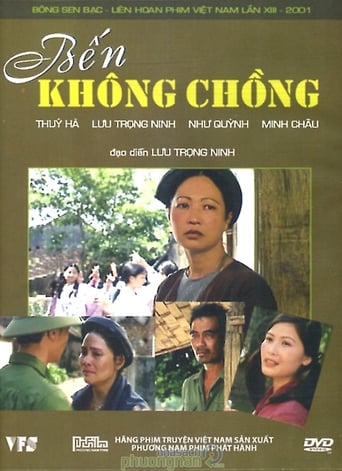
8.0At a rural village where most men have perished in the revolutions against French colonisers, their remaining widows and grieving mothers must bear the brunt of rigid patriarchal expectations placed upon them.
Wharf of Widows
2001
 NR
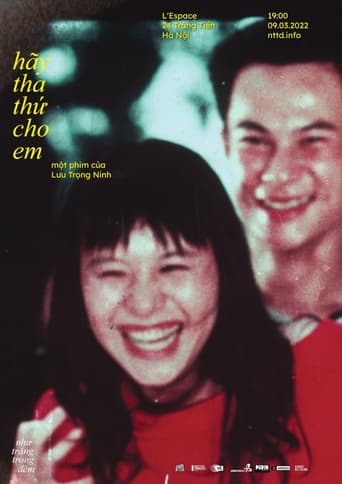
NRMai is an art student who is invited to act in a movie set in the war. Along with acting and studying, she is in the midst of the complexities of her family background, social life and personal ambitions. Powerful, free-spirited, rebellious, struggling and thoughtful, Forgive Me is like a chorus of young people living in the early 90s in Hanoi.
Please Forgive Me
1993
 NR
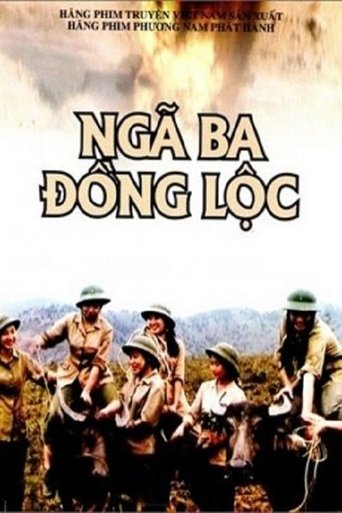
NRBased on a true story of 10 young women, who volunteered to help with logistic activities at Đồng Lộc junction, a strategic junction of Ho Chi Minh trail during the Vietnam War.
Đồng Lộc Junction
1997
Struggling to secure a job and make ends meet after her graduation, a young woman slowly gives way to advances made towards her from a well-off company director.
Tears in the New Era
1996
 5.3
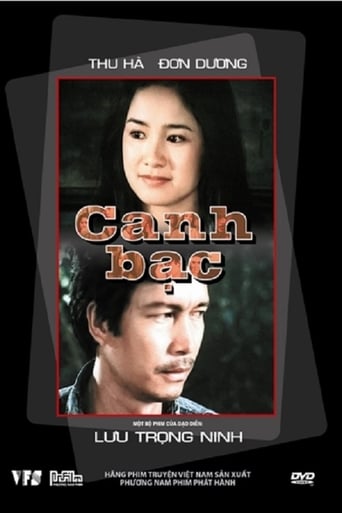
5.3Don Duong stars as a truck driver who falls in love with a young student girl in a roadside border canteen. Unsure about him, she returns to school but finally decides to throw in her lot with him. This decision forms the gambling motif in the film, a decision which causes her grief, when she later becomes the subject of his gamble.
The Gamble
1991
Film credits
Behind the camera
The film recounts the life of Ly Cong Uan from his youth as a Buddhist disciple to his ascension to Emperor of Vietnam in 1010 AD. The Prince and the Pagoda Boy was released in 2010 to mark the 100th anniversary of the city of Thang Long (today's Ha Noi).
The Prince and the Pagoda Boy
2010
The film recounts the life of Ly Cong Uan from his youth as a Buddhist disciple to his ascension to Emperor of Vietnam in 1010 AD. The Prince and the Pagoda Boy was released in 2010 to mark the 100th anniversary of the city of Thang Long (today's Ha Noi).
The Prince and the Pagoda Boy
2010
8.0At a rural village where most men have perished in the revolutions against French colonisers, their remaining widows and grieving mothers must bear the brunt of rigid patriarchal expectations placed upon them.
Wharf of Widows
2001
NRMai is an art student who is invited to act in a movie set in the war. Along with acting and studying, she is in the midst of the complexities of her family background, social life and personal ambitions. Powerful, free-spirited, rebellious, struggling and thoughtful, Forgive Me is like a chorus of young people living in the early 90s in Hanoi.
Please Forgive Me
1993
NRBased on a true story of 10 young women, who volunteered to help with logistic activities at Đồng Lộc junction, a strategic junction of Ho Chi Minh trail during the Vietnam War.
Đồng Lộc Junction
1997
Struggling to secure a job and make ends meet after her graduation, a young woman slowly gives way to advances made towards her from a well-off company director.
Tears in the New Era
1996
5.3Don Duong stars as a truck driver who falls in love with a young student girl in a roadside border canteen. Unsure about him, she returns to school but finally decides to throw in her lot with him. This decision forms the gambling motif in the film, a decision which causes her grief, when she later becomes the subject of his gamble.
The Gamble
1991