

Directing
Adriaan Ditvoorst
Born — Died
1940-01-23 — 1987-10-18
Place of birth
Bergen op Zoom, Netherlands
Known for
Directing
Credits
20 titles
Adriaan Ditvoorst was a screenwriter and director, educated at the Netherlands Film Academy. He was well-known for his experimental films. In 1967, Paranoia was selected for the 17th Berlin International Film Festival. Ditvoorst grew up in a Catholic family. When he was only ten years old, his father died in a car accident. Both death and Catholicism became important themes in Ditvoorst’s work, as in Carna (1969), shot in his birthplace Bergen op Zoom, Netherlands.
Known for
 5.1
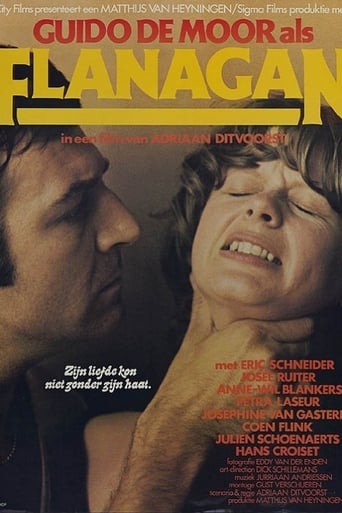
5.1Paul Flanagan is released from jail after serving for 8 years. He only has two things on his mind. First: to retrieve the money from the robbery he was convicted for. Secondly: to get revenge on his partners in crime (his half-brother Paul and his ex-lover Cathy), who got away Scot free and never once visited him in jail.
Flanagan
1975
 5.3
5.3A man is under the illusion he is a wanted war criminal.
Paranoia
1967
 7.0
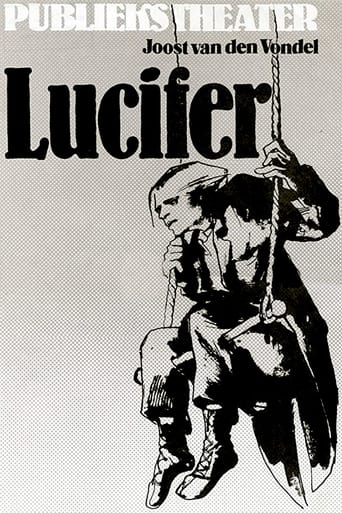
7.0Afraid that man will in time become a threat to the inhabitants of heaven, governor angel Lucifer leads a rebellion against God. Registration of Joost van den Vondel's classic stage play, performed by the Publiekstheater.
Lucifer
1981
 6.5
6.5The toxic, suffocating relationship between a dominant mother and her estranged son, Lazlo. Lazlo lives a reclusive life in a squat, spending his time painting taxidermied animals and using heroin. When his mother is involved in a serious accident and calls for him, he is forced to confront the world he tried to leave behind, leading to a grim collision between her delusions of control and his self-destructive addiction.
White Madness
1984
 9.0
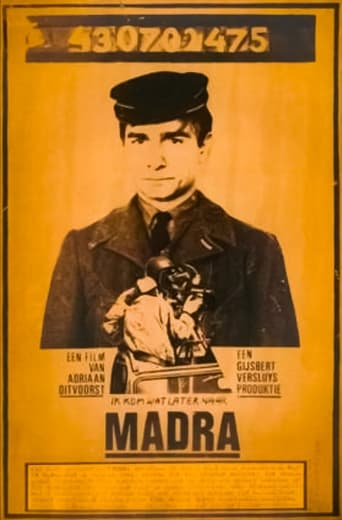
9.0A conscript is given leave to visit his wife who has been admitted to hospital after a road accident. Dutch student film in the vein of the French Nouvelle Vague, praised at the time by directors like Godard and Bertolucci.
That Way to Madra
1965
De Mantel der Liefde is a bizarre, over the top and at times hilarious settling of scores with the Catholic Church, commercial movie culture and 1970's petit bourgeois Dutch culture in general.
The Mantle of Love
1978
Film credits
Behind the camera
5.1Paul Flanagan is released from jail after serving for 8 years. He only has two things on his mind. First: to retrieve the money from the robbery he was convicted for. Secondly: to get revenge on his partners in crime (his half-brother Paul and his ex-lover Cathy), who got away Scot free and never once visited him in jail.
Flanagan
1975
5.3A man is under the illusion he is a wanted war criminal.
Paranoia
1967
5.3A man is under the illusion he is a wanted war criminal.
Paranoia
1967
7.0Afraid that man will in time become a threat to the inhabitants of heaven, governor angel Lucifer leads a rebellion against God. Registration of Joost van den Vondel's classic stage play, performed by the Publiekstheater.
Lucifer
1981
6.5The toxic, suffocating relationship between a dominant mother and her estranged son, Lazlo. Lazlo lives a reclusive life in a squat, spending his time painting taxidermied animals and using heroin. When his mother is involved in a serious accident and calls for him, he is forced to confront the world he tried to leave behind, leading to a grim collision between her delusions of control and his self-destructive addiction.
White Madness
1984
6.5The toxic, suffocating relationship between a dominant mother and her estranged son, Lazlo. Lazlo lives a reclusive life in a squat, spending his time painting taxidermied animals and using heroin. When his mother is involved in a serious accident and calls for him, he is forced to confront the world he tried to leave behind, leading to a grim collision between her delusions of control and his self-destructive addiction.
White Madness
1984
9.0A conscript is given leave to visit his wife who has been admitted to hospital after a road accident. Dutch student film in the vein of the French Nouvelle Vague, praised at the time by directors like Godard and Bertolucci.
That Way to Madra
1965
9.0A conscript is given leave to visit his wife who has been admitted to hospital after a road accident. Dutch student film in the vein of the French Nouvelle Vague, praised at the time by directors like Godard and Bertolucci.
That Way to Madra
1965
De Mantel der Liefde is a bizarre, over the top and at times hilarious settling of scores with the Catholic Church, commercial movie culture and 1970's petit bourgeois Dutch culture in general.
The Mantle of Love
1978
De Mantel der Liefde is a bizarre, over the top and at times hilarious settling of scores with the Catholic Church, commercial movie culture and 1970's petit bourgeois Dutch culture in general.
The Mantle of Love
1978
 5.8
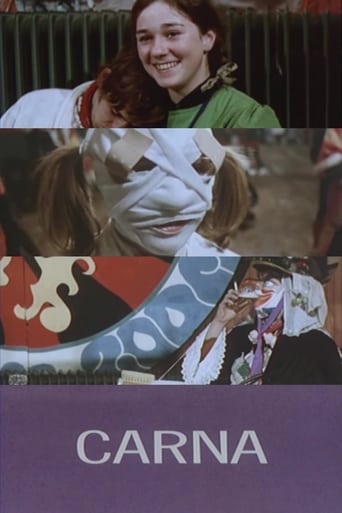
5.8Although it was actually an impersonal commissioned film, the director's style is clearly recognizable. Once again he manages to make something that is normal very strange: the dancing people in costumes are filmed in such a way that they look bizarre and absurd. Jan de Bont's camerawork shows a series of color images of dancing people, edited to the rhythm of the music. Halfway through the film, a lonely clown can be seen among the dancing crowd, accompanied by sad music. This clown is played by Ditvoorst himself.
Carna
1969
5.8Although it was actually an impersonal commissioned film, the director's style is clearly recognizable. Once again he manages to make something that is normal very strange: the dancing people in costumes are filmed in such a way that they look bizarre and absurd. Jan de Bont's camerawork shows a series of color images of dancing people, edited to the rhythm of the music. Halfway through the film, a lonely clown can be seen among the dancing crowd, accompanied by sad music. This clown is played by Ditvoorst himself.
Carna
1969
5.8Although it was actually an impersonal commissioned film, the director's style is clearly recognizable. Once again he manages to make something that is normal very strange: the dancing people in costumes are filmed in such a way that they look bizarre and absurd. Jan de Bont's camerawork shows a series of color images of dancing people, edited to the rhythm of the music. Halfway through the film, a lonely clown can be seen among the dancing crowd, accompanied by sad music. This clown is played by Ditvoorst himself.
Carna
1969
 10.0
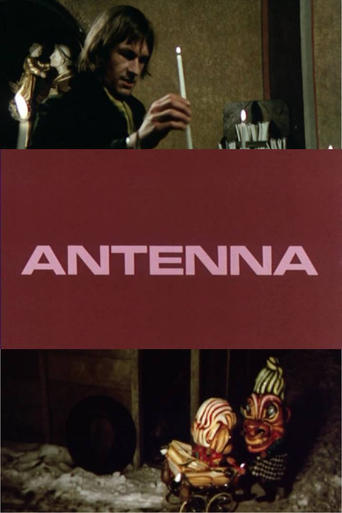
10.0Antenna gives a snapshot of the 1970s. The film is a typical work by Ditvoorst: freedom of the individual, the desire for a utopia that does not come true, the lonely and misunderstood artist, the aversion to the state, bureaucracy and religious authorities, absurd side characters etc. The film has little dialogue and is largely told through the images of cameraman Jan de Bon
Antenna
1970
10.0Antenna gives a snapshot of the 1970s. The film is a typical work by Ditvoorst: freedom of the individual, the desire for a utopia that does not come true, the lonely and misunderstood artist, the aversion to the state, bureaucracy and religious authorities, absurd side characters etc. The film has little dialogue and is largely told through the images of cameraman Jan de Bon
Antenna
1970
10.0Antenna gives a snapshot of the 1970s. The film is a typical work by Ditvoorst: freedom of the individual, the desire for a utopia that does not come true, the lonely and misunderstood artist, the aversion to the state, bureaucracy and religious authorities, absurd side characters etc. The film has little dialogue and is largely told through the images of cameraman Jan de Bon
Antenna
1970
 6.6
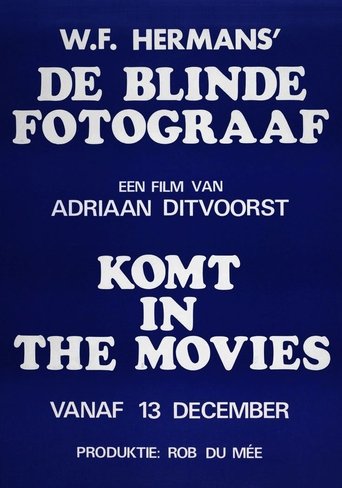
6.6A journalist has to interview a blind photographer.
De blinde fotograaf
1973
6.6A journalist has to interview a blind photographer.
De blinde fotograaf
1973
Based on the novel by Albert Camus
The Fall
1970