
Directing
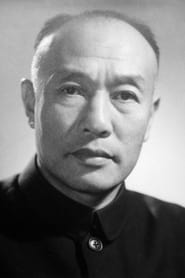
Cui Wei
Born — Died
1912-10-14 — 1979-02-07
Place of birth
Qingdao, Shandong Province, China
Known for
Directing
Credits
21 titles
Cui Wei (14 October 1912 – 7 February 1979), born Cui Jingwen, was a Chinese film director and actor. In 1962, Cui won the Hundred Flowers Award for Best Actor as Zhu Laogong in Keep Red Flag Flying (1960). Cui Jingwen was born on 14 October, 1912 into a poor peasant family. He started working at the age of twelve. Cui was able to attend a school in Qingdao due to the help of a relative but was expelled due to his Communist political activities. In 1930, having briefly studied scriptwriting at Shandong Provincial Experimental Theatre, he organized the Seagull Theatrical Troupe and wrote stage play scripts. In 1932, he joined the League of Left-Wing Dramatists and traveled to the east and n…
Known for
 7.4
7.4No synopsis available yet.
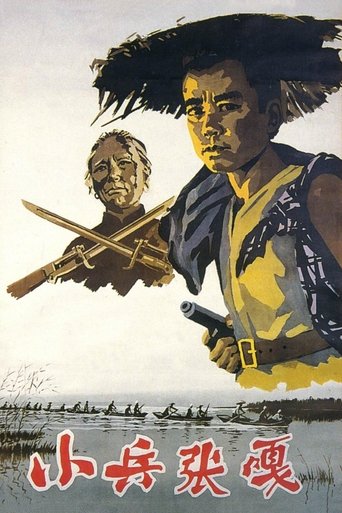
Zhang Ga the Soldier Boy
1963
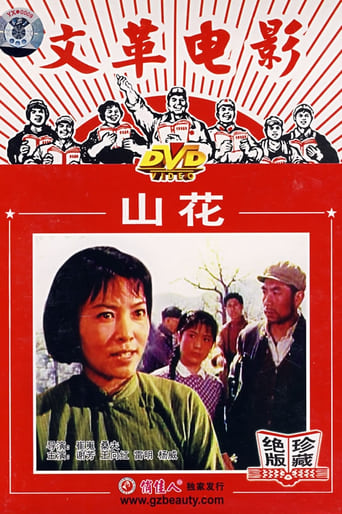
In a concerted effort to learn from Dazhai in agriculture, Shan Hua, a village girl, who sticks to the importance of rice leads the masses of Shitan to reclaim mountains, dig rivers, build dams and open up wasteland by overcoming natural disasters and unmask the hidden enemies' ulterior motives.
Mountain Flower
—
 NR
NRNo synopsis available yet.
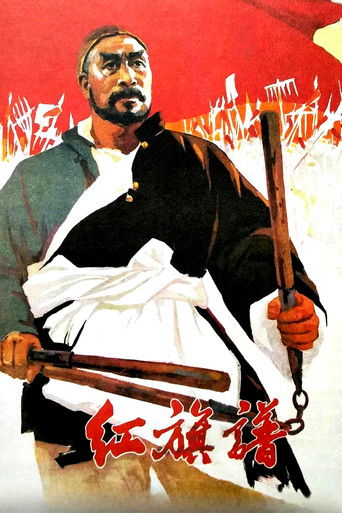
Keep the Red Flag Flying
1960
 7.0
7.0In 1959, in the Kazakh animal husbandry production team of Dongfeng Commune at the foot of Tianshan Mountain in Xinjiang, the members elected their captain – Ayigul, a Kazakh female Communist Party member who loves the party and the collective and dares to fight against all evil forces.
Safflower of Tianshan
1964
 NR
NRNo synopsis available yet.
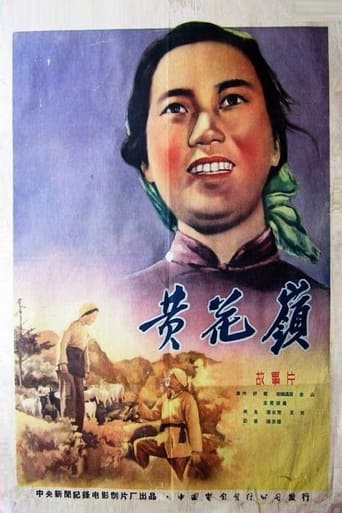
黄花岭
1956
 NR
NRNo synopsis available yet.
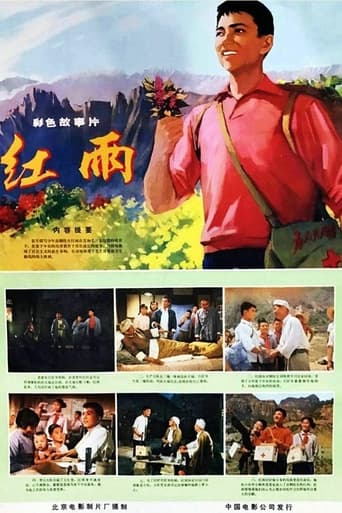
Red Rain
1975
Film credits
1960s · 1 titles
1950s · 5 titles
NRNo synopsis available yet.
黄花岭
1956
 NR
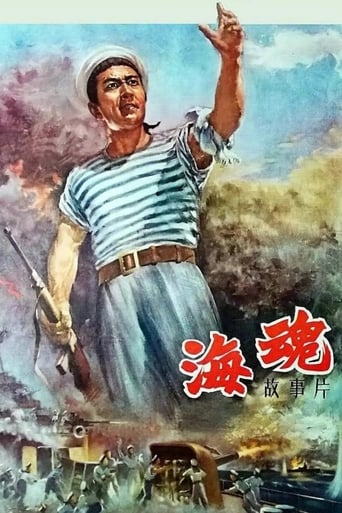
NRThe sailors on a Kuomintang warship revolt, arrest their officers and defect to the Chinese People's Liberation Army.
Soul of the Sea
1958
 NR
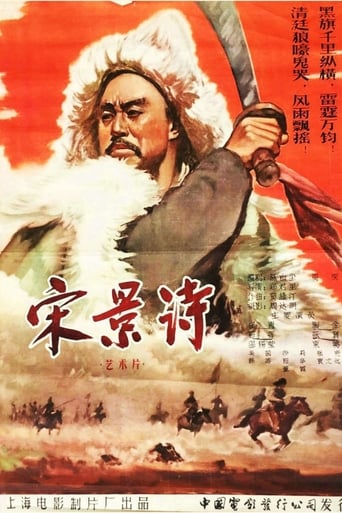
NRIn the mid-19th century, at the height of the Opium War, the Chinese people rose up against the feudal system and the Manchu dynasty, which had capitulated to foreign invaders. ... With their heads bowed, peasants in chains trudge along, those who refused to give money to crush their rebellious brothers. Suddenly, their path is blocked. It is Song Jing-shi who has come to their rescue with his detachment. The freed peasants joined Song Jing-shi. This is how the core of the Black Flag Army was formed. The first historical film made in socialist China in the 1950s. The script is based on authentic material collected in villages in Shandong Province. Legends about the cruelty of Sen Gelinzin and the bravery of Sun Jing-shi, who is called the "Chinese Spartacus," still live on among the people.
Song Jing Shi
1955
 6.0
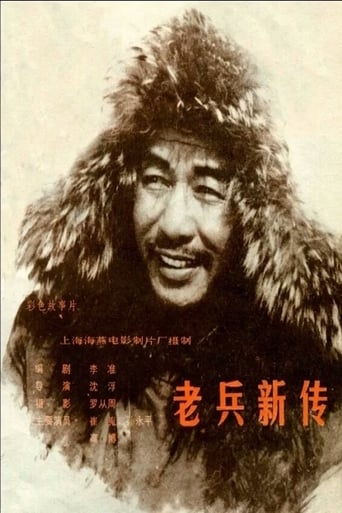
6.0A soldier finds his new role in the transition from war time to the construction era.
New Story of an Old Soldier
1959
 6.7
6.7No synopsis available yet.
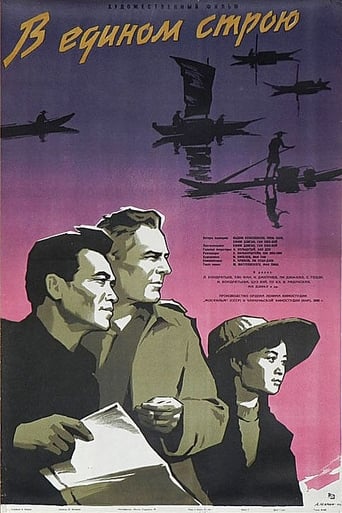
Wind from the East
1959

Behind the camera
7.4No synopsis available yet.
Zhang Ga the Soldier Boy
1963
In a concerted effort to learn from Dazhai in agriculture, Shan Hua, a village girl, who sticks to the importance of rice leads the masses of Shitan to reclaim mountains, dig rivers, build dams and open up wasteland by overcoming natural disasters and unmask the hidden enemies' ulterior motives.
Mountain Flower
—
7.0In 1959, in the Kazakh animal husbandry production team of Dongfeng Commune at the foot of Tianshan Mountain in Xinjiang, the members elected their captain – Ayigul, a Kazakh female Communist Party member who loves the party and the collective and dares to fight against all evil forces.
Safflower of Tianshan
1964
NRNo synopsis available yet.
Red Rain
1975
 NR
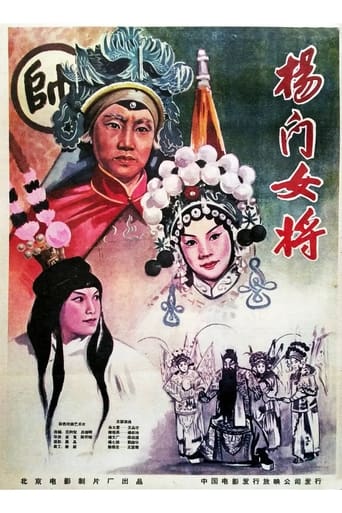
NRNo synopsis available yet.
Yang Female Warriors
1960
 NR
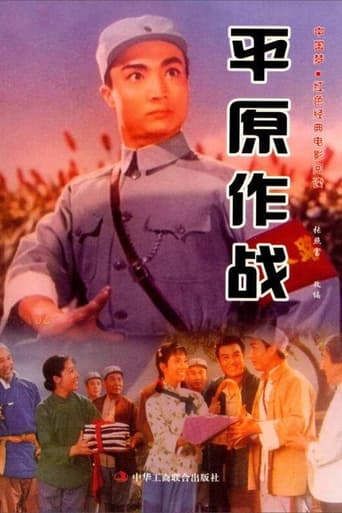
NRNo synopsis available yet.
Ping yuan zuo zhan
1974
 6.4
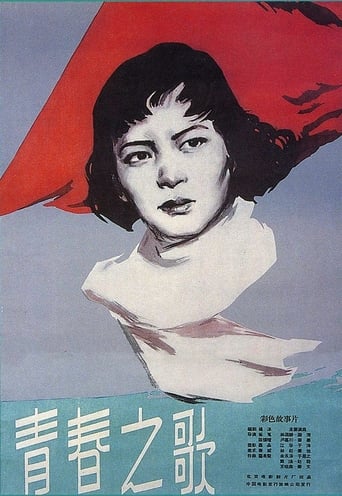
6.4Adapted from a novel of the same title, this film depicts a young woman’s transformation from housewife to loyal Communist. This process is presented as “natural” – possessed of inherent logic rather than merely “incidental”. Hence, the film is really about Communist revolution that won over the hearts and minds of Chinese youth.
Song of Youth
1959
 NR
NRNo synopsis available yet.
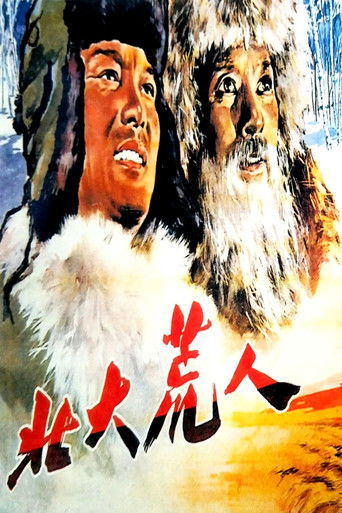
北大荒人
1961
 7.0
7.0No synopsis available yet.
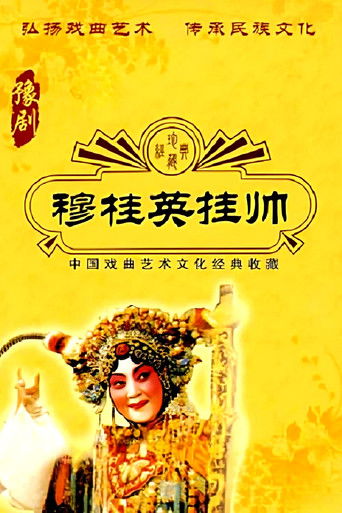
穆桂英挂帅
1958
 NR
NRNo synopsis available yet.
Shan hua
1976
 NR
NRNo synopsis available yet.
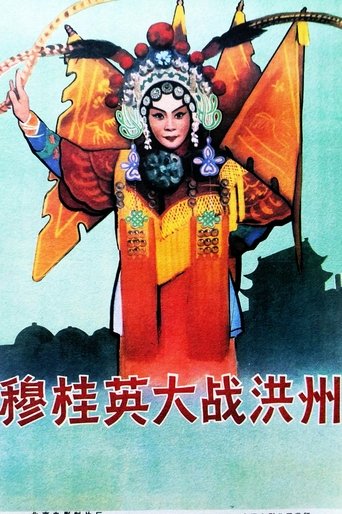
穆桂英大战洪州
1963
 NR
NRNo synopsis available yet.
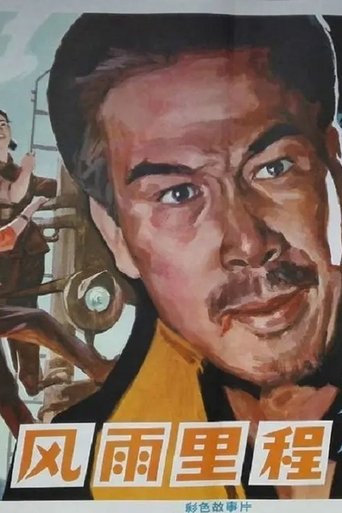
风雨里程
1978
 NR
NRNo synopsis available yet.
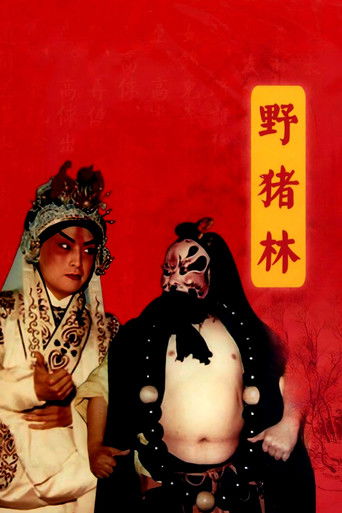
Wild Boar Forest
1962
No synopsis available yet.
Old Man
2010