

Directing
Dušan Hanák
Born
1938-04-27 (88)
Place of birth
Bratislava, Slovak Republic
Known for
Directing
Credits
42 titles
Dušan Hanák (April 27, 1938 in Bratislava) is a Slovak film director. He graduated from the FAMU (Film and TV School of the Academy of Performing Arts) in Prague in 1965.
Known for
Television series Golden Sixties examines new insights into Czech and Slovak cinema of the 1960s and the role of the Czechoslovak New Wave. Each episode focuses on a different filmmaker.
Golden Sixties
2009
A documentary portrait that captures Dušan Hanák in the process of working on a musical-poetic piece consisting of his guitar improvisations and reading personal texts. Through interviews with his former student Marek Šulík and during meetings with various people in iconic places, we learn about the themes and influences that shaped not only his life, but also about the social circumstances that accompanied his creative search and the creation of films. Those realized and not realized.
Life or Film
—
 6.4
6.4Jakub, a dreamer and budding magician, juggles between parcels and services rendered to the villagers. His eyes cross that of the beautiful gypsy Jolanka. Together, they will try to live a first and big love, despite the pressure of their respective communities.
Rose Tinted Dreams
1977
Documentary film about apprentice youth about to enter real life.
Learning
1965
A documentary féerie about the problems with tourists from abroad. How foreigners “invade” our homeland. A series of minute observations on life under so-called “real socialism” provokes sparkling ironic and satirical commentary—a broadside against the bankrupt Communist system.
Old Shatterhand Came to See Us
1966
 5.5
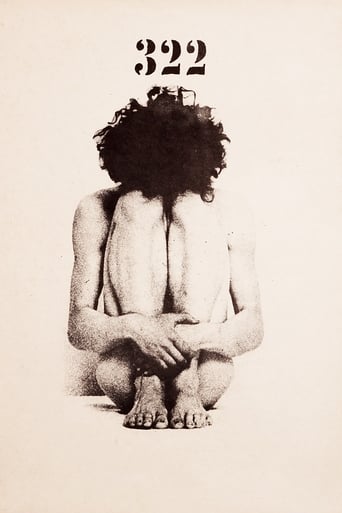
5.5A story of a man threatened by a fatal illness evaluating his life (the number 322 in the film title stands for the diagnosis of one kind of cancer). He understands his illness as a form of punishment for his cruel deeds in the 1950s. In the face of reality and his efforts to cleanse himself he hits a barrier of indifference, lack of interest, and individual and collective selfishness. He has to find his own reconciliation with his illness and his past and present life.
322
1970
Film credits
2010s · 2 titles
 6.5
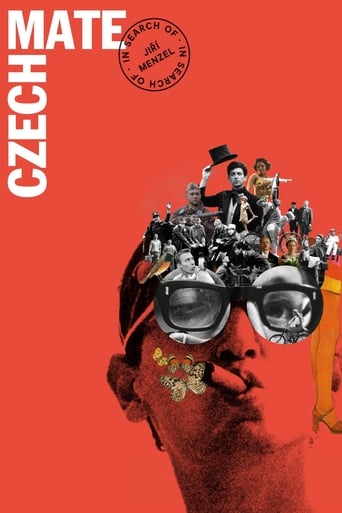
6.5An epic exploration of the Czechoslovak New Wave cinema of the 1960s and 70s, structured around a series of conversations with one of its most acclaimed exponents - Closely Observed Trains director Jiří Menzel.
CzechMate: In Search of Jiří Menzel
2018
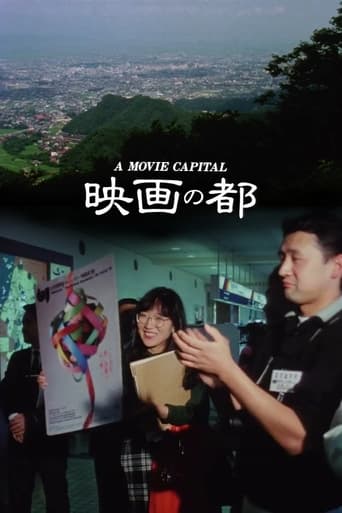
No synopsis available yet.
Milan Čorba
2014
1960s · 2 titles
No synopsis available yet.
„Od štvrtka do zmŕtvychvstania...“
1969
 8.5
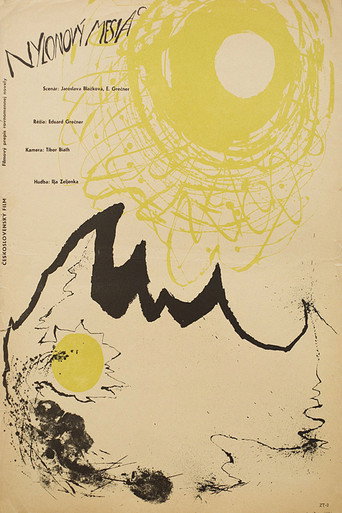
8.5Set in 1960s Bratislava, the film follows a cynical, thirty-year-old architect named Andrej who unexpectedly falls deeply in love with Vanda, a free-spirited and spontaneous young woman. However, their burgeoning relationship is quickly strained by his growing possessiveness and desire for a traditional marriage.
Nylon Moon
1966
Series credits
Behind the camera
6.4Jakub, a dreamer and budding magician, juggles between parcels and services rendered to the villagers. His eyes cross that of the beautiful gypsy Jolanka. Together, they will try to live a first and big love, despite the pressure of their respective communities.
Rose Tinted Dreams
1977
6.4Jakub, a dreamer and budding magician, juggles between parcels and services rendered to the villagers. His eyes cross that of the beautiful gypsy Jolanka. Together, they will try to live a first and big love, despite the pressure of their respective communities.
Rose Tinted Dreams
1977
Documentary film about apprentice youth about to enter real life.
Learning
1965
Documentary film about apprentice youth about to enter real life.
Learning
1965
A documentary féerie about the problems with tourists from abroad. How foreigners “invade” our homeland. A series of minute observations on life under so-called “real socialism” provokes sparkling ironic and satirical commentary—a broadside against the bankrupt Communist system.
Old Shatterhand Came to See Us
1966
A documentary féerie about the problems with tourists from abroad. How foreigners “invade” our homeland. A series of minute observations on life under so-called “real socialism” provokes sparkling ironic and satirical commentary—a broadside against the bankrupt Communist system.
Old Shatterhand Came to See Us
1966
5.5A story of a man threatened by a fatal illness evaluating his life (the number 322 in the film title stands for the diagnosis of one kind of cancer). He understands his illness as a form of punishment for his cruel deeds in the 1950s. In the face of reality and his efforts to cleanse himself he hits a barrier of indifference, lack of interest, and individual and collective selfishness. He has to find his own reconciliation with his illness and his past and present life.
322
1970
5.5A story of a man threatened by a fatal illness evaluating his life (the number 322 in the film title stands for the diagnosis of one kind of cancer). He understands his illness as a form of punishment for his cruel deeds in the 1950s. In the face of reality and his efforts to cleanse himself he hits a barrier of indifference, lack of interest, and individual and collective selfishness. He has to find his own reconciliation with his illness and his past and present life.
322
1970
Dušan Hanák's final film: a bitter documentary about the history of Communism in Czechoslovakia.
Paper Heads
1996
Dušan Hanák's final film: a bitter documentary about the history of Communism in Czechoslovakia.
Paper Heads
1996
 7.8
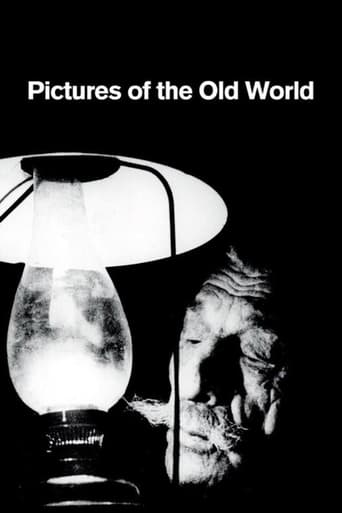
7.8A raw and telling portrait of a people left behind by the modern world, inspired by the work of photographer Martin Martinček - whose pictures of the inhabitants of the Liptov region in central Slovakia, encompassed by the Tatra mountains, distilled entire lifetimes into luminous and intransient images. Dušan Hanák's continuation of these photographs takes the shape of a poetic visual essay, capturing more comprehensive vignettes of their isolated human experiences.
Pictures of the Old World
1972
7.8A raw and telling portrait of a people left behind by the modern world, inspired by the work of photographer Martin Martinček - whose pictures of the inhabitants of the Liptov region in central Slovakia, encompassed by the Tatra mountains, distilled entire lifetimes into luminous and intransient images. Dušan Hanák's continuation of these photographs takes the shape of a poetic visual essay, capturing more comprehensive vignettes of their isolated human experiences.
Pictures of the Old World
1972
 5.4
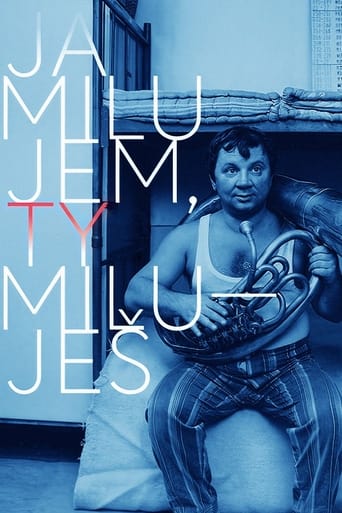
5.4The drama called I Love, You Love was made in 1980 but because of the absurd ideological ban, the film entered cinemas nine years later. Pišta is an unmarried man who works at a freight wagon which carries letters and parcels. Alcohol helps him to overcome his handicap of being short and not good-looking. He wishes he had a woman, but the woman he really wants, ageing Viera who reloads the cargoes, has a soft spot for another man. So, Pišta has nobody and nothing, except for senile mother who sometimes fails to recognize him. The film received Silver Bear for Best Director at the International Film Festival in Berlin.
I Love, You Love
1988
5.4The drama called I Love, You Love was made in 1980 but because of the absurd ideological ban, the film entered cinemas nine years later. Pišta is an unmarried man who works at a freight wagon which carries letters and parcels. Alcohol helps him to overcome his handicap of being short and not good-looking. He wishes he had a woman, but the woman he really wants, ageing Viera who reloads the cargoes, has a soft spot for another man. So, Pišta has nobody and nothing, except for senile mother who sometimes fails to recognize him. The film received Silver Bear for Best Director at the International Film Festival in Berlin.
I Love, You Love
1988
 7.0
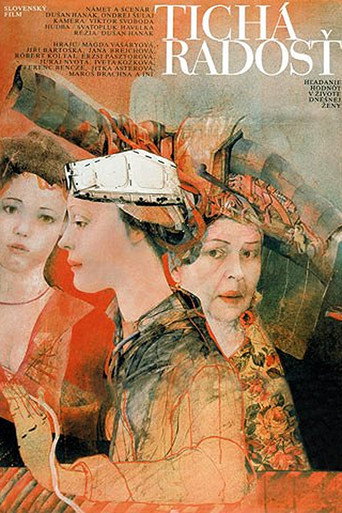
7.0Soňa, an emotionally unfulfilled nurse trapped in a monotonous marriage, decides to break away from her routine to escape her surroundings. Despite facing personal failures and ideological conflicts with her husband, she undergoes a process of self-discovery.
Quiet Happiness
1986
7.0Soňa, an emotionally unfulfilled nurse trapped in a monotonous marriage, decides to break away from her routine to escape her surroundings. Despite facing personal failures and ideological conflicts with her husband, she undergoes a process of self-discovery.
Quiet Happiness
1986
A portrait of the master potter Ján Frankovič from Bardejov, from 1970.
To Leave a Mark
1970
A portrait of the master potter Ján Frankovič from Bardejov, from 1970.
To Leave a Mark
1970
 NR
NRA documentary about the cycle of human life and the eternity of nature.
Variations of Tranquility
1966
NRA documentary about the cycle of human life and the eternity of nature.
Variations of Tranquility
1966
 7.2
7.2A traditional Advent mass filmed in a church in the historical town of Spisska Sobota (Northern Slovakia), featuring authentic liturgical texts and songs.
The Mass
1967
7.2A traditional Advent mass filmed in a church in the historical town of Spisska Sobota (Northern Slovakia), featuring authentic liturgical texts and songs.
The Mass
1967
 8.0
8.0A documentary about the artistic and verbal expressions of mentally ill people.
Call into Silence
1965
8.0A documentary about the artistic and verbal expressions of mentally ill people.
Call into Silence
1965
No synopsis available yet.
Doktor Jorge
1978
 10.0
10.0Poetic documentary about works of several artists from ideas to “births” of works of art.
Analógie
1965
10.0Poetic documentary about works of several artists from ideas to “births” of works of art.
Analógie
1965
 8.0
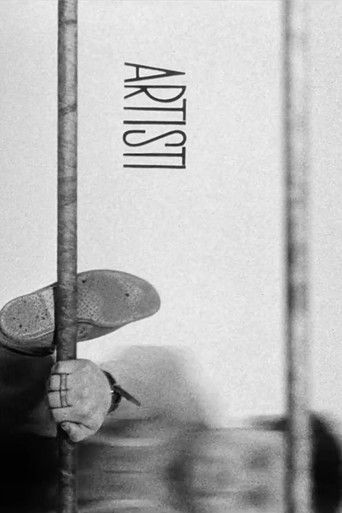
8.0Documentary portrait of the life of circus artists during their winter break.
Artists
1965
8.0Documentary portrait of the life of circus artists during their winter break.
Artists
1965
In Bratislava at the end of the 1980s, two estranged sisters try to make up with each other while balancing their private lives and careers.
Private Lives
1991
No synopsis available yet.
Lilli Marlen
1970
This film is a playful depiction of the festivities around the performance If All Trains of the World by Alex Mlynárčik on June 12, 1971. Deň radosti shows Hanák using the 'inter-genre' style of documentary which made his feature film Obrazy stareho sveta (1971) a masterpiece. Still photography, live action, interviews, old etchings and archive footage of old train journeys are skilfully blended to create a sympathetic and humorous portrait of the romance of an old steam train and the joy of artists and the general public in participating in this children's game for adults. Once again, the avant-garde is imaginatively used to eulogise over traditional values and the past. Deň radosti is important not just for the considerable pleasure it brings; it is the first of a series of films in which artists use film to document happenings. (http://www.ce-review.org/kinoeye/kinoeye3old.html)
A Day of Joy
1972
This film is a playful depiction of the festivities around the performance If All Trains of the World by Alex Mlynárčik on June 12, 1971. Deň radosti shows Hanák using the 'inter-genre' style of documentary which made his feature film Obrazy stareho sveta (1971) a masterpiece. Still photography, live action, interviews, old etchings and archive footage of old train journeys are skilfully blended to create a sympathetic and humorous portrait of the romance of an old steam train and the joy of artists and the general public in participating in this children's game for adults. Once again, the avant-garde is imaginatively used to eulogise over traditional values and the past. Deň radosti is important not just for the considerable pleasure it brings; it is the first of a series of films in which artists use film to document happenings. (http://www.ce-review.org/kinoeye/kinoeye3old.html)
A Day of Joy
1972