
Directing
Aleksander Hertz
Born — Died
1879-01-01 — 1928-01-26
Place of birth
Warsaw, Poland, Russian Empire [now Warsaw, Mazowieckie, Poland]
Known for
Directing
Credits
27 titles
Known for
No synopsis available yet.
Powrót
1920
Directed by Zbigniew Gniazdowski and Aleksander Hertz.
Promised Land
1927
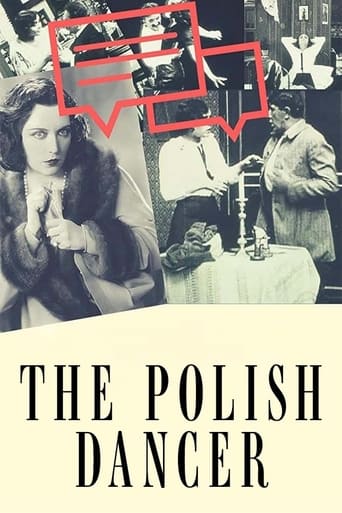 5.7
A wild young girl runs away from her parents' house to support herself and attracts the attentions of a married man, who is prepared to abandon his wife and child for her.
The Polish Dancer
1917
 NR
Halina works as a nurse in a hospital. One day she catches her husband in an affair. Irena, his jealous mistress, decides to get rid of her rival and accuses her of spying. Halina is arrested and sentenced to death, leaving Irena tormented by guilt. The Spy is the oldest surviving film by Aleksander Hertz, one of the pioneers of Polish cinema. It was produced by the Sfinks studio, regarded as Poland’s first film company. As with other Sfinks productions, the cast features the most popular actors from Warsaw’s musical and dramatic theatres. The film remained unknown to the wider public for decades and was long considered lost. Only in 2001 was an incomplete copy with Russian intertitles rediscovered in a Russian film archive.
The Spy
1915
 7.0
Part 1 of the Mysteries of Warsaw trilogy. The film’s protagonist, a wealthy man, is poisoned by his valet, who hopes to seize his fortune. No copies of the film have survived.
Arabella
1917
The story follows two young students, Ładnowski and Paszkowski. Bound by honour, Ładnowski marries the woman he loves. Paszkowski, however, abandons his lover the moment she tells him she is pregnant. Left alone and unable to support herself, she dies, leaving behind a baby daughter named Pola. Years later, Pola has grown into a beautiful young woman working in a fashion salon. One day she delivers a dress to the home of her unknown father, the engineer Paszkowski. Captivated by her charm, he takes her under his wing. Pola soon becomes a celebrated dancer. After the death of his wife, Paszkowski falls madly in love with her and wishes to marry her. Out of gratitude, Pola is prepared to make this sacrifice—even though she herself loves the young painter Henryk, who is Ładnowski’s son. Thus life, more vivid and intricate than any poet’s invention, creates a tangled and tragic dilemma. No copies of the film have survived.
Students
1916
Film credits
Behind the camera
No synopsis available yet.
Powrót
1920
Directed by Zbigniew Gniazdowski and Aleksander Hertz.
Promised Land
1927
5.7A wild young girl runs away from her parents' house to support herself and attracts the attentions of a married man, who is prepared to abandon his wife and child for her.
The Polish Dancer
1917
5.7A wild young girl runs away from her parents' house to support herself and attracts the attentions of a married man, who is prepared to abandon his wife and child for her.
The Polish Dancer
1917
5.7A wild young girl runs away from her parents' house to support herself and attracts the attentions of a married man, who is prepared to abandon his wife and child for her.
The Polish Dancer
1917
NRHalina works as a nurse in a hospital. One day she catches her husband in an affair. Irena, his jealous mistress, decides to get rid of her rival and accuses her of spying. Halina is arrested and sentenced to death, leaving Irena tormented by guilt. The Spy is the oldest surviving film by Aleksander Hertz, one of the pioneers of Polish cinema. It was produced by the Sfinks studio, regarded as Poland’s first film company. As with other Sfinks productions, the cast features the most popular actors from Warsaw’s musical and dramatic theatres. The film remained unknown to the wider public for decades and was long considered lost. Only in 2001 was an incomplete copy with Russian intertitles rediscovered in a Russian film archive.
The Spy
1915
7.0Part 1 of the Mysteries of Warsaw trilogy. The film’s protagonist, a wealthy man, is poisoned by his valet, who hopes to seize his fortune. No copies of the film have survived.
Arabella
1917
7.0Part 1 of the Mysteries of Warsaw trilogy. The film’s protagonist, a wealthy man, is poisoned by his valet, who hopes to seize his fortune. No copies of the film have survived.
Arabella
1917
The story follows two young students, Ładnowski and Paszkowski. Bound by honour, Ładnowski marries the woman he loves. Paszkowski, however, abandons his lover the moment she tells him she is pregnant. Left alone and unable to support herself, she dies, leaving behind a baby daughter named Pola. Years later, Pola has grown into a beautiful young woman working in a fashion salon. One day she delivers a dress to the home of her unknown father, the engineer Paszkowski. Captivated by her charm, he takes her under his wing. Pola soon becomes a celebrated dancer. After the death of his wife, Paszkowski falls madly in love with her and wishes to marry her. Out of gratitude, Pola is prepared to make this sacrifice—even though she herself loves the young painter Henryk, who is Ładnowski’s son. Thus life, more vivid and intricate than any poet’s invention, creates a tangled and tragic dilemma. No copies of the film have survived.
Students
1916
Majority of the film is lost, only 5-7 minutes remain to this day. Two influential Jewish families: The Ezofovichs, famous for their modern views advocating the assimilation of Jews, and the Todros, Karaites preaching a return to the teachings of the Bible live in the same town.
Meir Ezofowicz
1911
No synopsis available yet.
Krysta
1919
Part 2 of the Mysteries of Warsaw trilogy. The plot is unknown, no copies of the film have survived.
Room Number 13
1917
No synopsis available yet.
Mężczyzna
1918
No synopsis available yet.
Przesądy
1912
A silent film directed by Aleksander Hertz.
Carat i jego sługi
1917
The film was described as a “hilarious tragicomedy.” The plot is unknown, and no copies have survived.
The Furious Rival
1916
No synopsis available yet.
Spodnie jaśnie pana
1912
No synopsis available yet.
Córka pani X
1920
A comedy-melodrama depicting the life of Warsaw’s working class, weaving in themes from popular songs and cabaret sketches. No copies of the film have survived.
Antek Klawisz, Bohater Powiśla
1911
Part 3 of the Mysteries of Warsaw trilogy. This film is based on a true incident involving the W. family and a notorious, treacherous murder that took place at the time in a seedy hotel in the centre of our city. The settings and streets where the action unfolds were carefully matched to the details recorded in the court chronicles. No copies of the film have survived.
Mystery of Uyazdovsky Lane
1917
Hilka, a snake charmer, is engaged to perform at the Palace Garden. She is romantically involved with Baron Ilfingren. The circus director and Holfer decide to get rid of the gambler by accusing him of cheating, as they have their own designs on Hilka. The film was also known for its abundance of special effects—among them a manhunt for a bandit and scenes set in Apache dens—while particular emphasis was placed on its painterly visual style. No copies of the film have survived.
His Last Gesture
1917
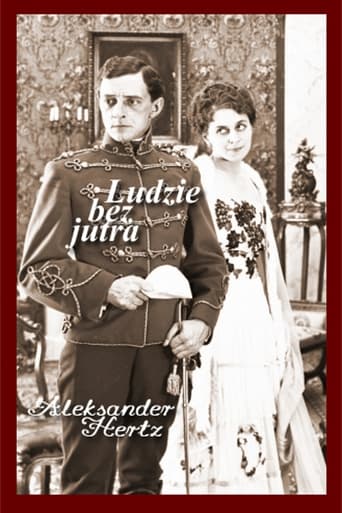 5.0
A bleak tale of an affair between an actress and a Russian officer, based on the real story of the affair between Maria Wisnowska and Aleksandr Barteniew.
Ludzie bez jutra
1921
5.0A bleak tale of an affair between an actress and a Russian officer, based on the real story of the affair between Maria Wisnowska and Aleksandr Barteniew.
Ludzie bez jutra
1921
'The Yellow Pass' An early version of Der Gelbe Schein (The Yellow Ticket).
Czarna ksiazeczka
1915
No synopsis available yet.
Książę Józef Poniatowski
1918