
Writing
Natto Wada
Born — Died
1920-09-13 — 1983-02-18
Place of birth
Himeji, Hyogo, Japan
Known for
Writing
Credits
37 titles
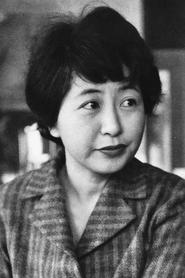
Natto Wada (和田 夏十, Wada Natto, 13 September 1920 – 18 February 1983), also known as Natsuto Wada, was a Japanese script writer and film columnist. Wada graduated with an English degree from Tokyo Women's College in 1946. She started her career at the Fujimoto Cinema Production company, where she met her husband, Kon Ichikawa, a filmmaker who promoted her script work to colleagues and collaborated with her on several films. She began writing, or co-writing, scripts in 1951, and continued until 1965. Wada's scripts included the 1953 film Puu-san, a satirical comedy based on the manga of Yokoyama Taizo; the 1956 film Shokei no Heya, based on a novel by Ishihara Shintaro. That year, Wada also …
Known for
 7.8
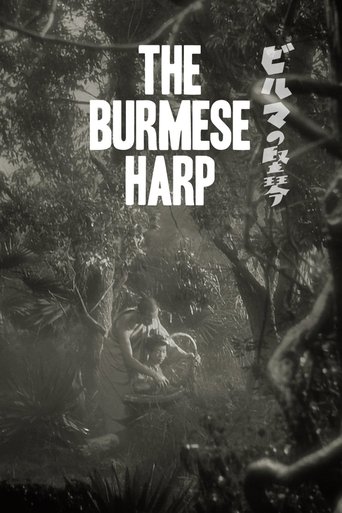
7.8In Burma during the closing days of WWII, a Japanese soldier separated from his unit disguises himself as a Buddhist monk to escape imprisonment as a POW.
The Burmese Harp
1956
 6.2
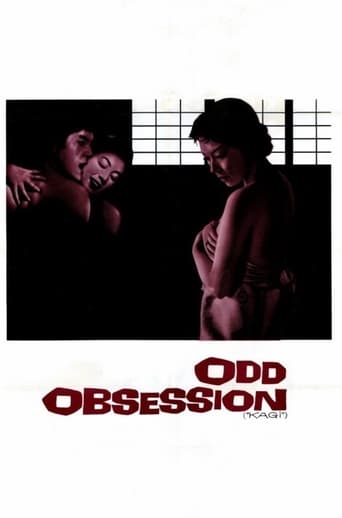
6.2A middle-aged husband of a younger woman finds her youth intimidating to the point that he cannot become aroused. His solution involves the introduction of his daughter's lover to his wife.
Odd Obsession
1959
 7.6
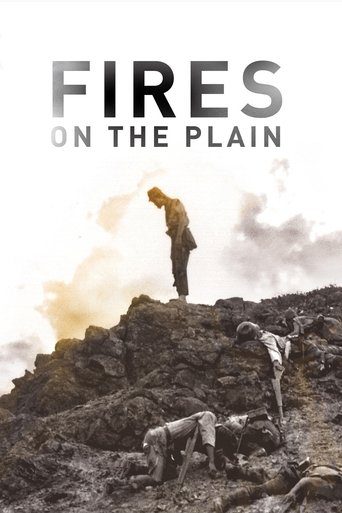
7.6In the closing days of WWII, a Japanese soldier afflicted with tuberculosis is abandoned by his company and left to wander the Philippine island of Leyte.
Fires on the Plain
1959
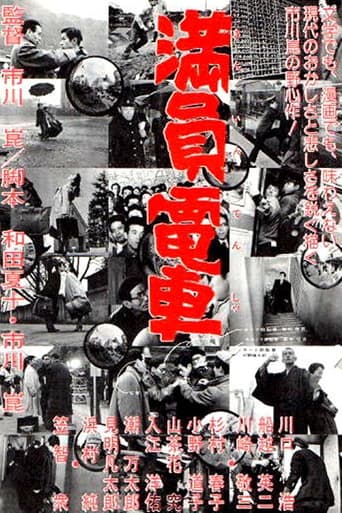 6.8
6.8Tamio Moroi, a young university graduate, works at a large brewery where he is taught to do nothing but look busy. When his father goes insane, he is told to send money for medical research into the condition. This prompts him to pay his father a visit, leading to a series of mishaps that leaves him at the bottom of the heap in what he once expected to be a promising lifetime career.
The Crowded Train
1957
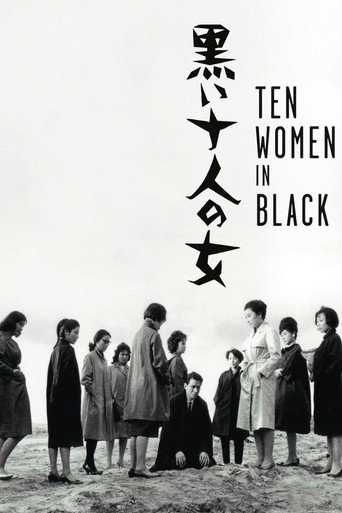 5.9
5.9Kaze is a philandering TV producer. His wife and nine of his mistresses conspire to kill him. However each woman would rather keep him alive, as long as she was the only woman in his life.
Ten Women in Black
1961
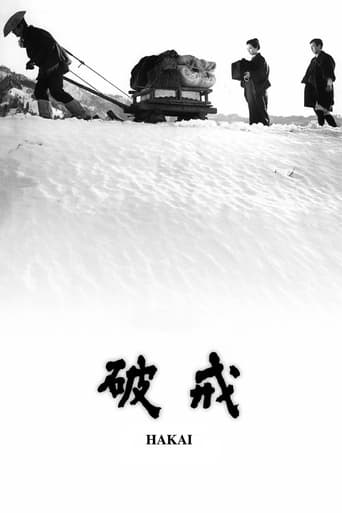 6.8
6.8Ushimatsu's father told him never to reveal his lower-caste heritage; years later, he now contemplates confiding in an activist fighting against such discrimination.
The Broken Commandment
1962
Film credits
Behind the camera
7.8In Burma during the closing days of WWII, a Japanese soldier separated from his unit disguises himself as a Buddhist monk to escape imprisonment as a POW.
The Burmese Harp
1956
6.2A middle-aged husband of a younger woman finds her youth intimidating to the point that he cannot become aroused. His solution involves the introduction of his daughter's lover to his wife.
Odd Obsession
1959
7.6In the closing days of WWII, a Japanese soldier afflicted with tuberculosis is abandoned by his company and left to wander the Philippine island of Leyte.
Fires on the Plain
1959
6.8Tamio Moroi, a young university graduate, works at a large brewery where he is taught to do nothing but look busy. When his father goes insane, he is told to send money for medical research into the condition. This prompts him to pay his father a visit, leading to a series of mishaps that leaves him at the bottom of the heap in what he once expected to be a promising lifetime career.
The Crowded Train
1957
5.9Kaze is a philandering TV producer. His wife and nine of his mistresses conspire to kill him. However each woman would rather keep him alive, as long as she was the only woman in his life.
Ten Women in Black
1961
6.8Ushimatsu's father told him never to reveal his lower-caste heritage; years later, he now contemplates confiding in an activist fighting against such discrimination.
The Broken Commandment
1962
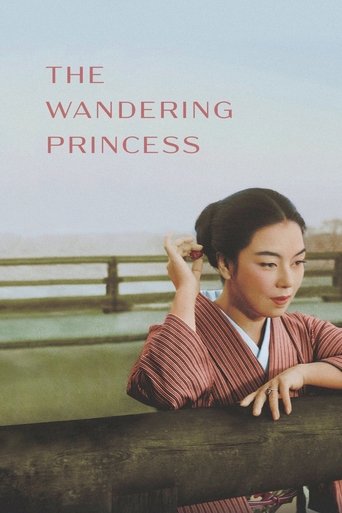 6.5
6.5Pu Zhe, younger brother of the Emperor of Manchukuo, marries Ryuko, daughter of an aristocratic family. To the surprise of all, a deep love between Pu Zhe and Ryuko develops and is put to the test when Japan loses the war.
The Wandering Princess
1960
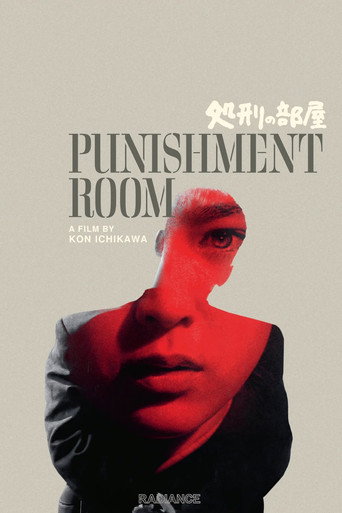 6.9
6.9Shimada is a student of U College. When the college's baseball team wins the day, he and his friend Ito drug two girls they met at the game.
Punishment Room
1956
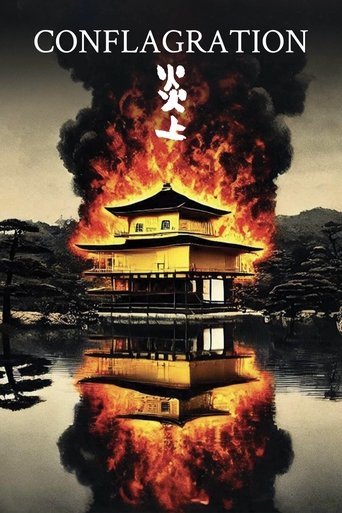 7.1
7.1Learning of his family's collapse, acolyte Goichi, sent to study silently at the Temple of the Golden Pavilion, must endure acute psychological distress.
Conflagration
1958
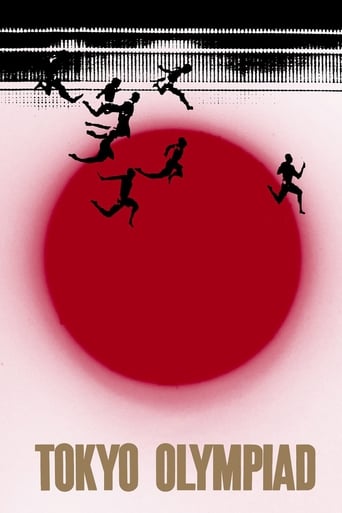 7.7
7.7This impressionistic portrait of the 1964 Tokyo Summer Olympics pays as much attention to the crowds and workers as it does to the actual competitive events. Highlights include an epic pole-vaulting match between West Germany and America, and the final marathon race through Tokyo's streets. Two athletes are highlighted: Ethiopian marathon runner Abebe Bikila, who receives his second gold medal, and runner Ahamed Isa from Chad, representing a country younger than he is.
Tokyo Olympiad
1965
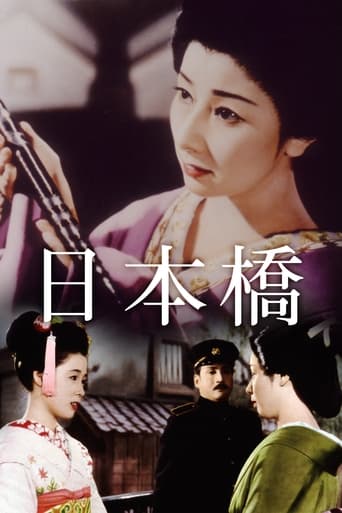 7.8
7.8Ichikawa's 1956 adaptation of Nihonbashi was the first to take the work of Kyoka Izumi— until then regarded as a writer of common tragic melodramas—and re-evaluate it as a tanbi-ha work of decadence, aestheticism, and intrigue. Ichikawa's film presents the tragic plot of the young geisha who is unable to enact her love for a man publicly in any way other than a histrionic story of torment, a heart-rending tale of lovers being crushed by fate. Instead, Ichikawa shows the contest of wills that transpires as two geisha, Oko and Kiyoha fight for the top spot in Nihonbashi, the pinnacle of the Tokyo geisha world. Nihonbashi is an elegant, if steely, exposition of manners. The young doctor, Shinzo Katsuragi, is the object of affection for both women, but appears to be more the choice reward for the plotting and thieving of these two early modern superwomen, than a lover they swoon over.
Bridge of Japan
1956
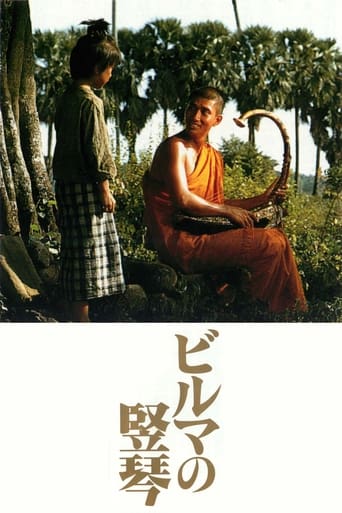 5.6
5.6In the War's closing days, when a conscience-driven Japanese soldier fails to get his countrymen to surrender to overwhelming force, he adopts the lifestyle of a Buddhist monk.
The Burmese Harp
1985
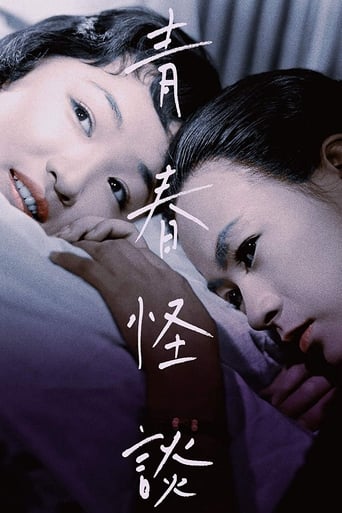 10.0
10.0A melodrama of the ups and downs of youth, based on Bunroku Shishi’s popular novel. Chiharu, a ballerina, and Shinichi, a thorough rationalist and childhood friend. A woman named Tomi Funakoshi appears in front of the two, who are thinking of getting married someday.
Ghost Story of Youth
1955
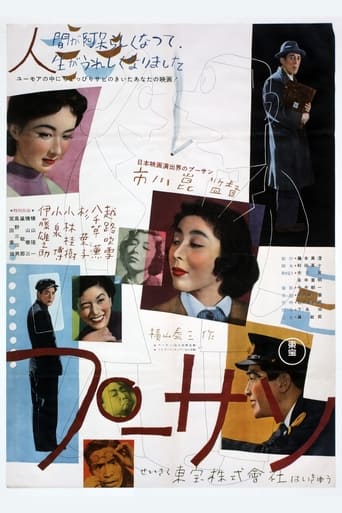 6.5
6.5A math teacher loses his job while falling in love with a local girl.
Mr. Pu
1953
 8.0
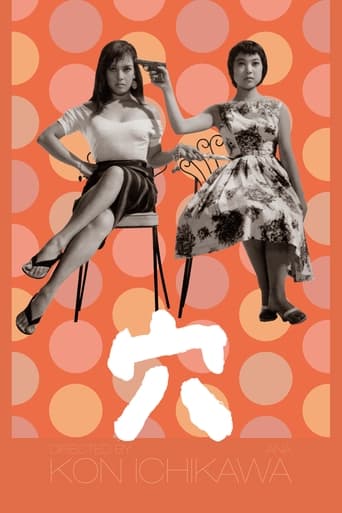
8.0A female reporter is fired for writing about police corruption; to make money while hiding from the press, she posts a bounty upon herself.
Hole in One
1957
 7.0
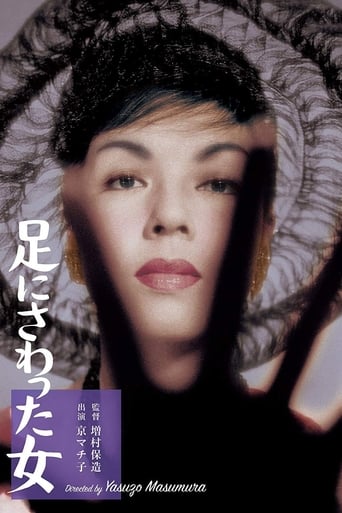
7.0Detective Katahachi meets a young and beautiful pickpocket and doesn’t arrest her because she was not in the act. Instead, he listens to the story about her parents who killed himself and died for overwork to feel sorry about her.
The Woman Who Touched Legs
1960
 8.0
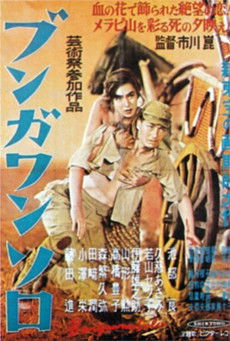
8.0War film by Kon Ichikawa
Bengawan Solo
1951
 6.9
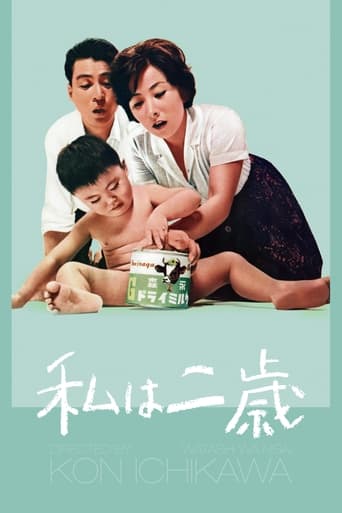
6.9The days leading up to a toddler's second birthday are seen alternately from the child's point of view as well as that of his parents.
Being Two Isn't Easy
1962
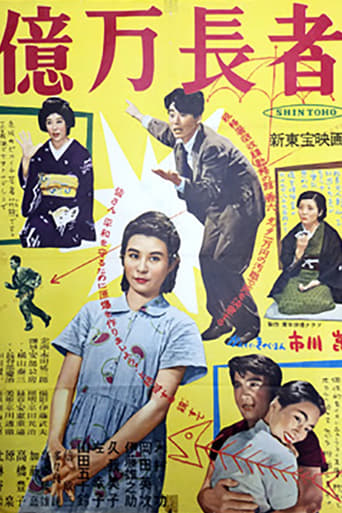 6.8
6.8An ethical, young tax collector new to his area encounters increasingly absurd individuals and groups coping with their post-war woes.
A Billionaire
1954
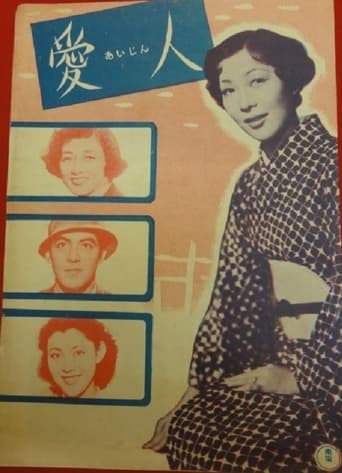 8.0
8.0Comedy about a 50-something movie director, his new bride, a classical dancer, and his adult son and daughter and their loves.
The Lovers
1953
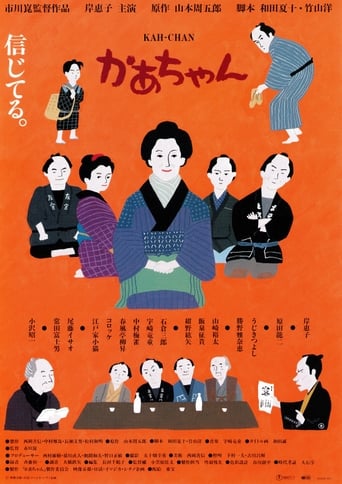 8.0
8.0Okatsu is a widow raising five children - adults but still mama-dependent - in mid-eighteenth century Edo, Japan. Her frugality attracts unflattering comment even amid national tough times (the region is in famine) What Okatsu tells no one is that she saves so that a friend can start his own business once he's released from prison.
Kah-chan
2001
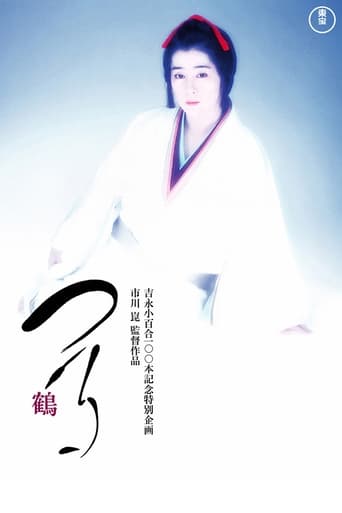 6.8
6.8Based on the folk tales "Repayment from a crane". One snowy night a beautiful woman named Tsuru (Crane) visits poor peasant Taiju and says she will become his wife...
Crane
1988
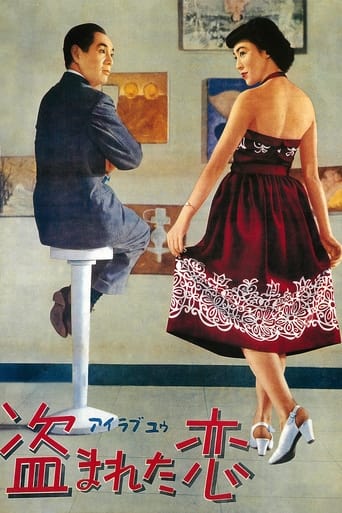 10.0
10.0Romantic melodrama
Stolen Love
1951
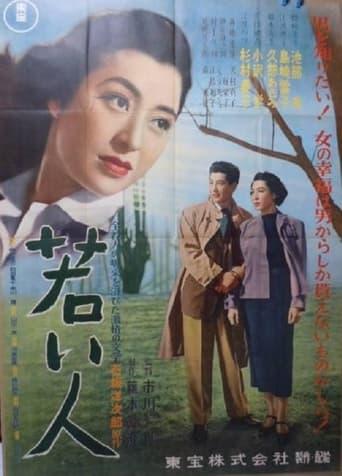 8.0
8.0No synopsis available yet.
Forbidden Path
1952
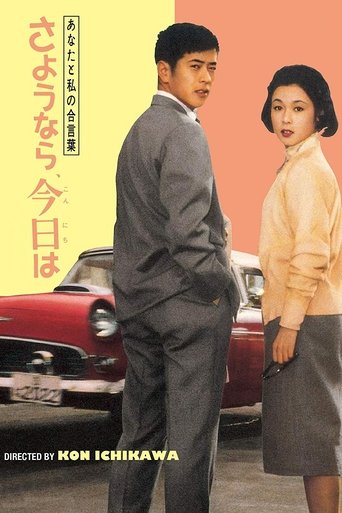 7.5
7.5Kazuko and Umeko have been friends since college. They are modern businesswomen who have many obligations in life and are not ready for marriage. Their families think differently and strive to arrange their personal happiness.
Goodbye, Hello
1959
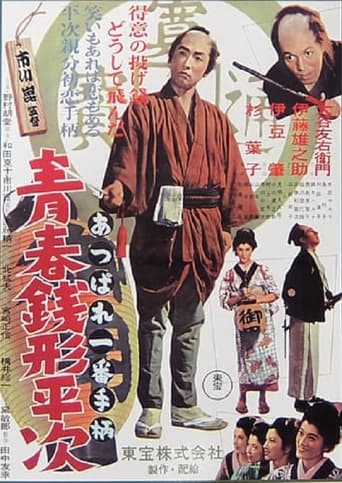 7.0
7.0No synopsis available yet.
Brilliant! The First Detective: Zenigata Heiji in His Youth
1953
 7.0
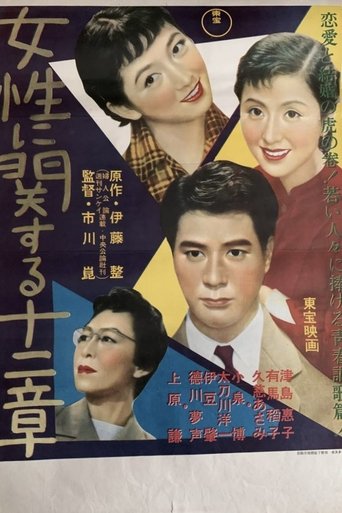
7.0Minako, a ballerina who has been dating since her school days, and Koheta, a banker. It was Koheta who was finally about to get married as a result of his promotion, but just then, a big change occurs in Minako's body..
12 Chapters About Women
1954
 7.0
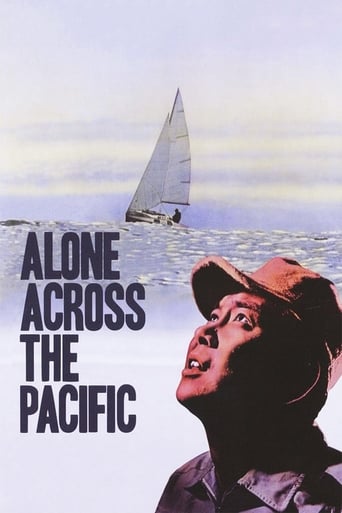
7.0Kenichi Horie is determined to challenge his family, the law and the nature crossing the Pacific to America in a small sailboat. Despite his careful planning, many unforeseen events will test his determination.
Alone Across the Pacific
1963
 8.0
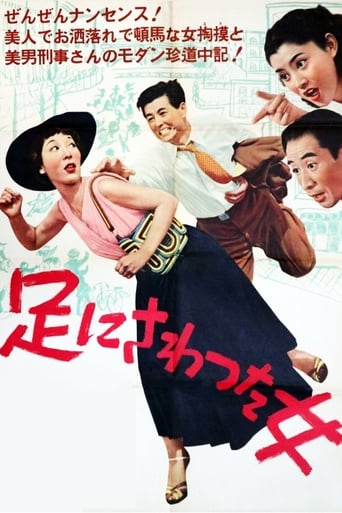
8.0A screwball tale of a suspected “lady thief” and the detective who is on her trail, following her from Osaka to her home village, where she is going to hold a memorial service for her father. Of course, the detective falls in love with his prey.
The Woman Who Touched the Legs
1952
 8.5
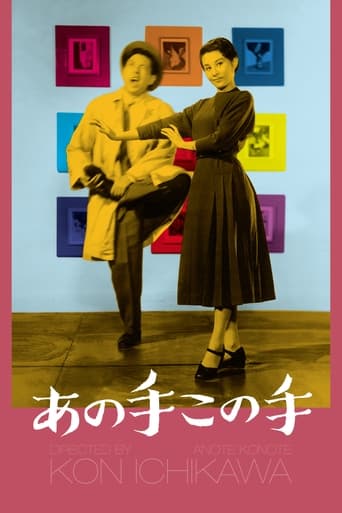
8.5An intellectual couple in a staid and tedious marriage are surprised when the wife’s niece, who has run away from home, turns up unexpectedly to stay with them. Their mundane lives are sent into disarray by the emotional and energetic Ako.
This Way, That Way
1952
 7.7
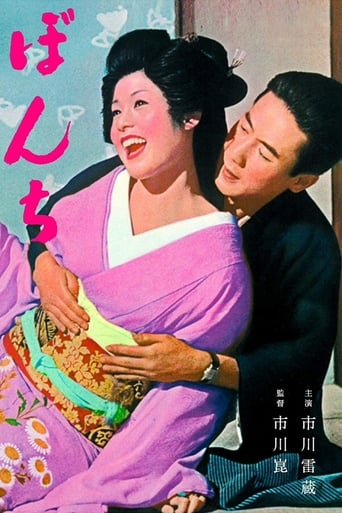
7.7Kikuji is the scion of an Osaka merchant family whose traditional power is matrilineal. Instructed by his overbearing mother and grandmother to give them an heiress for the family business, he stands by helplessly as his wife is thrown out of the house for producing a son. Driven to a life of dissipation - his mistresses also fail to produce daughters - in the end he is just too tired to care.
Bonchi
1960
 8.0
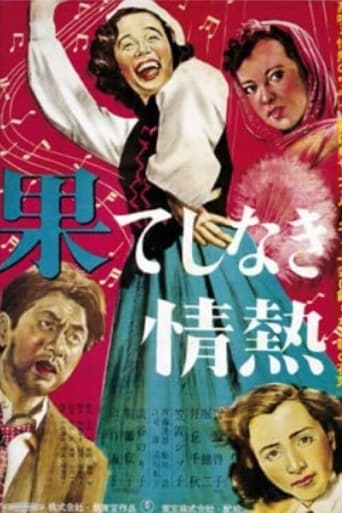
8.0No synopsis available yet.
Endless Passion
1949
 6.0
6.0No synopsis available yet.
Koibito
1951
 10.0
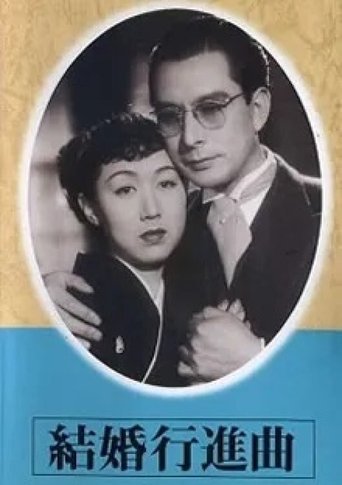
10.0Melodrama by Kon Ichikawa
Wedding March
1951
 NR
NRA TV movie by Kon Ichikawa, remaking of Ten Dark Women (1961)
Ten Dark Women
2002
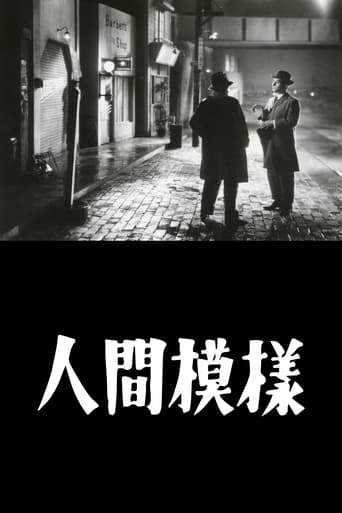 7.0
7.0A love triangle among a girl, her poor boyfriend, and a rich company president.
Ningen moyo
1949