
Acting
Maria Antonietta Macciocchi
Born — Died
1922-07-23 — 2007-04-15
Place of birth
Isola del Liri, Lazio, Italy
Known for
Acting
Credits
2 titles
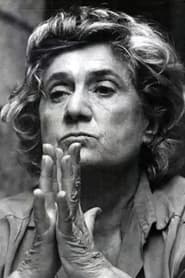
Maria Antonietta Macciocchi (23 July 1922 – 15 April 2007) was an Italian journalist, writer, feminist and politician, elected to the Italian Parliament in 1968 as an Italian Communist Party candidate and to the European Parliament in 1979 as a candidate of the Radical Party. Macciocchi was born in Isola del Liri, the child of anti-fascists. She joined the underground Italian Communist Party (PCI) during the German occupation of Rome. In 1950 she became editor of the party's women's magazine Vie Nuove. Then she edited a feminist magazine financed by the PCI, Noi donne. She joined l'Unità, the paper founded by Antonio Gramsci, becoming their foreign correspondent in Algiers and Paris. In the…
Known for
 8.5
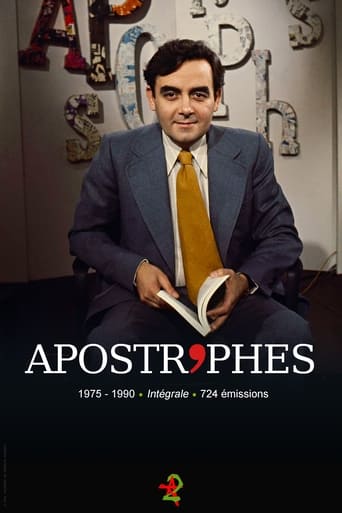
Apostrophes was a live, weekly, literary, prime-time, talk show on French television created and hosted by Bernard Pivot. It ran for fifteen years (724 episodes) from January 10, 1975, to June 22, 1990, and was one of the most watched shows on French television (around 6 million regular viewers). It was broadcast on Friday nights on the channel France 2 (which was called "Antenne 2" from 1975 to 1992). The hourlong show was devoted to books, authors and literature. The format varied between one-on-one interviews with a single author and open discussions between four or five authors.
Apostrophes
1975
 5.7
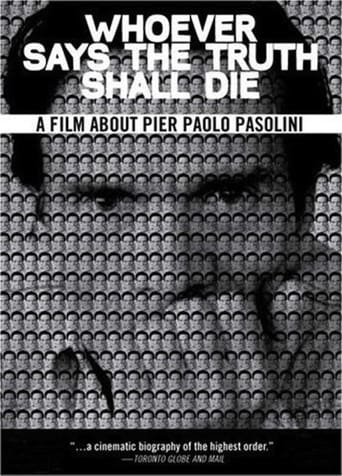
Philo Bregstein tells us this film looks at Pasolini's life and art to explain why he died. The film traces Pasolini's life chronologically - family roots, hiding during World War II, teaching, moving to Rome, being arrested and acquitted many times, publishing poems, getting into film, being provocative, and being murdered. Interviews with Alberto Moravia, Laura Betti, Maria Antonietta Macciocch, and Bernard Bertolucci are inter-cut with readings of Pasolini's poems and with clips from four films - primarily the Gospel According to St. Matthew - to illustrate his changing ideas and points of view. Bregstein makes a case for Pasolini's being lynched.
Whoever Says the Truth Shall Die
1981