
Acting
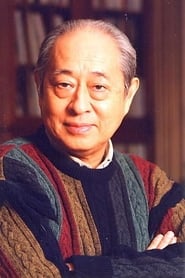
Hiroyuki Nagato
Born — Died
1934-01-10 — 2011-05-21
Place of birth
Kyoto, Kyoto, Japan
Known for
Acting
Credits
81 titles
From Wikipedia, the free encyclopedia Hiroyuki Nagato (January 10, 1934 – May 21, 2011) was a Japanese actor. Nagato was born in Kyoto. He starred in Season of the Sun, Endless Desire, My Second Brother, Stolen Desire, and Sukeban Deka, and Yo-Yo Girl Cop. He died in Tokyo on May 21, 2011. Description above from the Wikipedia article Hiroyuki Nagato, licensed under CC-BY-SA, full list of contributors on Wikipedia.
Known for
 7.5
7.5Detective Ukyo Sugishita confronts crime on the basis of his own convictions. He has a partner that works for him in the Special Task Unit. For the first 7 seasons, Ukyo’s first partner is Kaoru Kameyama. He is a good-natured, hot-tempered, straightforward and somewhat scattered detective. Beginning in Season 8, Takeru Kanbe replaces Kameyama. Contrary to his predecessor, Takeru is a lanky, cool, conceited and confident detective. From Season 11 to Season 13, Ukyo’s partner is a young detective Toru Kai. Toru is a son of Deputy Director-General of The National Police Agency. But he became a detective by his own effort. And starting with Season 14, Ukyo’s current partner is Wataru Kaburagi, an elite bureaucrat who came to the Metropolitan Police Department on temporary assignment. As the first partner without any career of a police officer, he will face challenging cases together with Ukyo.
AIBOU: Tokyo Detective Duo
2002
 7.8
7.8Hasegawa is a chief police of big heart who leads a band of samurai police and cultivates reformed criminals as informants to solve difficult crimes.
Onihei Hankachō
1989
 NR
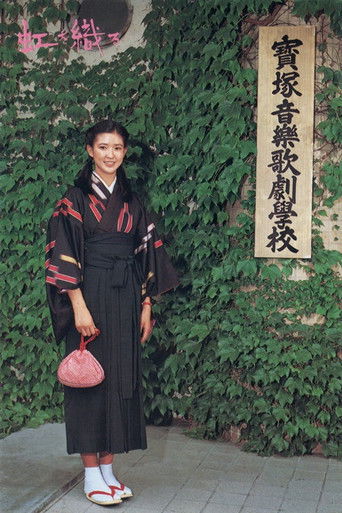
NRThe 26th NHK Asadora. Shimazaki Kayo is a woman from Hagi, Yamaguchi, who joins the Takarazuka Revue, a Japanese all-female musical theater troupe based in Takarazuka, Hyougo Prefecture, Japan. Women play all roles in lavish, Broadway-style productions of Western-style musicals, and sometimes stories adapted from shoujo manga and Japanese folktales.
Niji wo Oru
1980
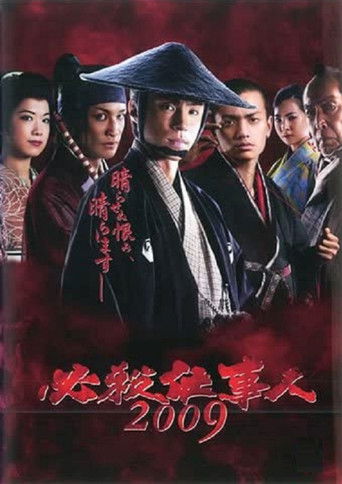 7.0
7.0Continuation of the popular series of films about the assassins in Edo. This show marks the return of the jidaigeki series "Hissatsu Shigotonin," which has had several seasons between the 1970s and the 1990s. The franchise came back in 2007 with a one-shot special, but this is its first full season since 1992. Makoto Fujita returns as the protagonist Nakamura Mondo, one of the "shigotonin," a team of hired assassins.
Mission To Kill
2009
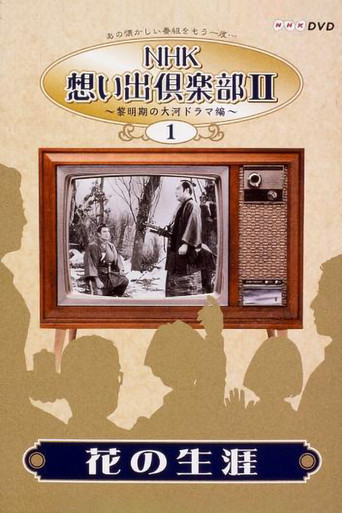 7.0
7.0The story chronicles the life of Ii Naosuke.
Life of a Flower
1963
 7.0
7.0No synopsis available yet.
Stewardess Story
1983
Film credits
2010s · 2 titles
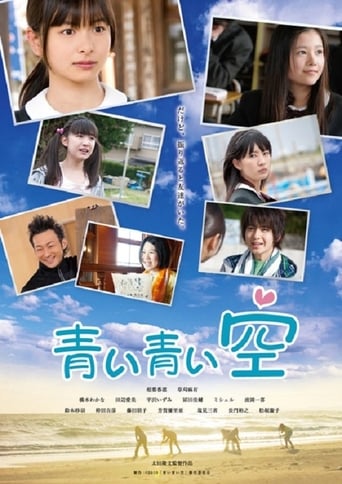 7.0
7.0Shinko (Karin Aiba) is a high school student from Hamamatsu. Due to university admission pressures, she struggles with her mother. She hasn't really made conversation with her mom in a year. Shinko's friend Misato (Mayuu Kusakari) then recommends to her to join the school's calligraphy club. Shinko is impressed by Teacher Yatsushiro's (Kazuki Namioka) words. Teacher Yatsushiro is the one who takes care of the calligraphy club. Shinko decides to join the calligraphy club.
Shodo Girls: Blue Blue Sky
2011
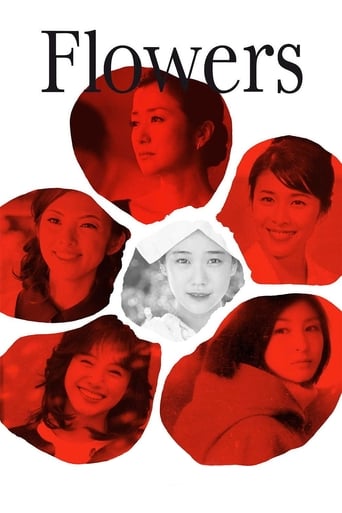 7.0
7.0Flowers examines the lives of six women across three generations, from the Show period all the way through to the present day.
Flowers
2010
2000s · 12 titles
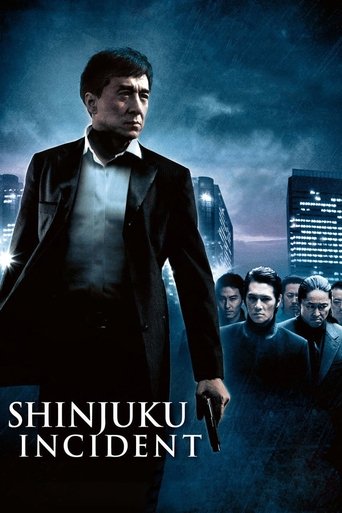 6.6
6.6A simple Chinese immigrant wages a perilous war against one of the most powerful criminal organizations on the planet.
Shinjuku Incident
2009
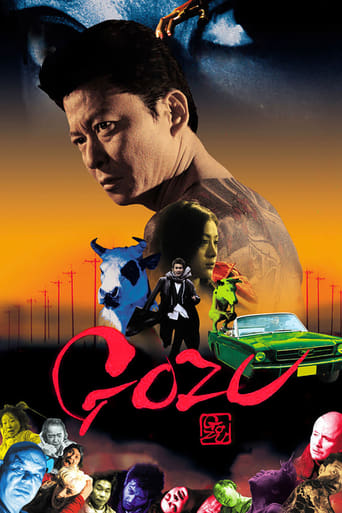 6.8
6.8Minami mistakenly kills a gangster associate of his named Brother. Almost as soon as the murder takes place, the body of the deceased man is gone, prompting Minami to conduct a search. While looking, he finds a mysterious isolated hotel where he decides to take a rest. Not only are the front desk clerks a bit strange, but even the ambiance feels unusual. Minami soon realizes he may have gotten more than he bargained for.
Gozu
2003
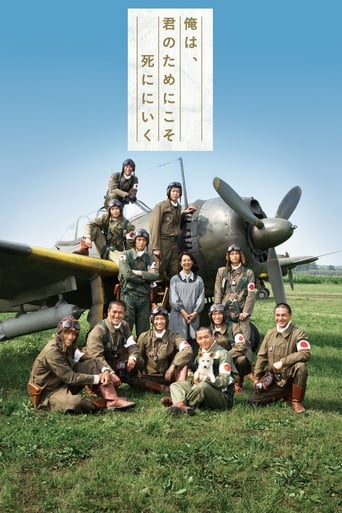 6.1
6.1In 1943, as Japan's WWII effort falters, a vice-admiral proposes training squadrons of "volunteer" flyers to crash their armed planes into Allied warships. Yarn follows the lives of kamikaze pilots, as remembered by an aging Kyushu restaurateur who cherishes their memory. Honoring the dead and multiple military anthems may stir the soul of some Japanese, but elsewhere auds will make a one-way trip for exits. Battle scenes are well-executed and script delivers some memorable scenes, but overall competent helming and thesping are powerless over writer-cum-Tokyo governor Shintaro Ishiara's repetitive storytelling. A post-war postscript adds considerable length to an already over-extended narrative. Tech credits are good quality.
For Those We Love
2007
 6.1
6.1A celebration of the ancient art of Japanese rakugo, roughly translated as “comic storytelling”. The film is interspersed with numerous funerals and wakes, songs, dances, and often disgustingly crude jokes.
A Hardest Night!!
2005
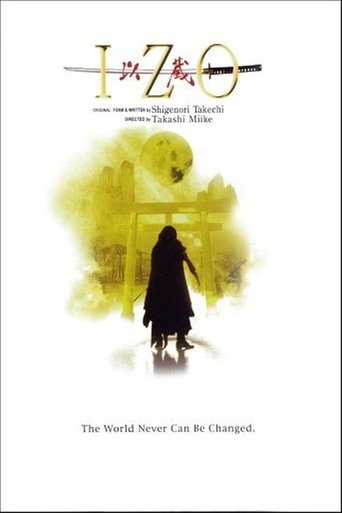 6.0
6.0Izo is an assassin in the service of a Tosa lord and Imperial supporter. After killing dozens of the Shogun's men, Izo is captured and crucified. Instead of being extinguished, his rage propels him through the space-time continuum to present-day Tokyo. Here Izo transforms himself into a new, improved killing machine.
Izo
2004
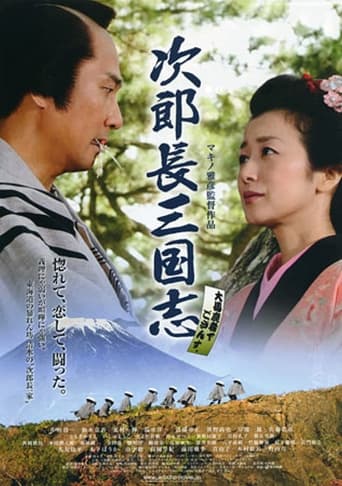 NR
NRJirocho (Kiichi Nakai), a fledgling bakuto who left his wife, goes on a year-long training with his minions: right-hand man and military master Ohmasa (Kishibe Ittoku); stinky priest Daigoro (Takashi Sasano); well-known stranger Ishimatsu Mori (Yoichi Nukumizu); beautiful Masagoro Oiwake (Kazuki Kitamura); and others. As Jirocho's fame spreads, he gains more enemies. Among them are Katsuzo Kurokoma (Koichi Sato), who is one of the most powerful in Koshu, and the villain who is also Ishimatsu's nemesis, Masaru Mima (Riki Takeuchi). A traitor also emerges from the family, Yoshikazu Ebisu (Yoshikazu Ebisu). Meanwhile, Jirocho's wife falls ill and other terrible situations occur. Jirocho falls into a pinch of absolute despair. What on earth will he do? What is the fate of his minions? The Jirocho family will face a fierce battle...
Samurai Gangsters
2008
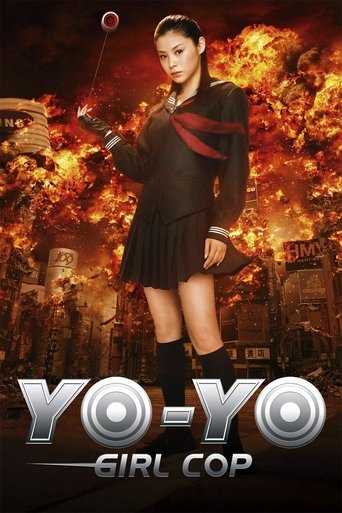 5.6
5.6Recruited by a clandestine police organization, "K" must stop a plot by student radicals to create anarchy in Japan. Armed with a hi-tech steel yo-yo, and a new name (Asamiya Saki), she must infiltrate an elite high school to find the terrorists but finds an even more sinister plan is about to unfold.
Yo-Yo Girl Cop
2006
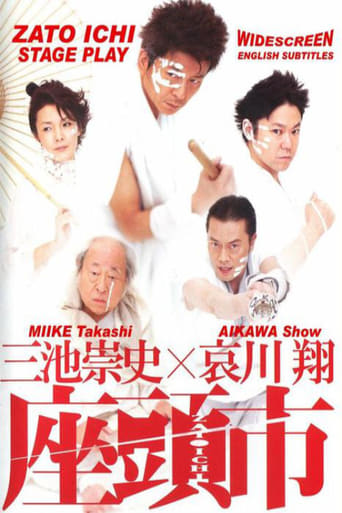 NR
NRTakashi Miike directs a stage version of Zatoichi, the tale of the blind swordsman.
Zatoichi Live
2008
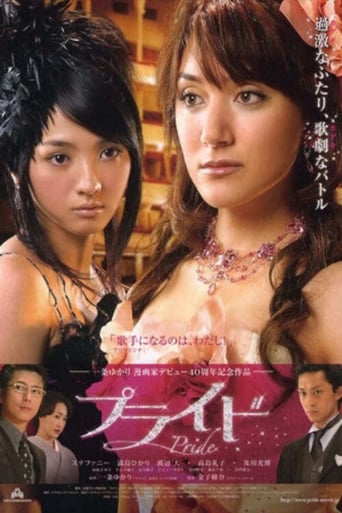 5.0
5.0Shio Asami (Stephanie) was brought up in a wealthy family whose mother is a prominent opera singer. However, the bankruptcy of her father’s business forced her to give up becoming an opera singer. Moe Midorikawa (Hikari Mitsushima) entrapped Shio and claimed a victory in an opera contest. A competition of two heroines ensues, placing their pride on the line.
Pride
2009
 6.6
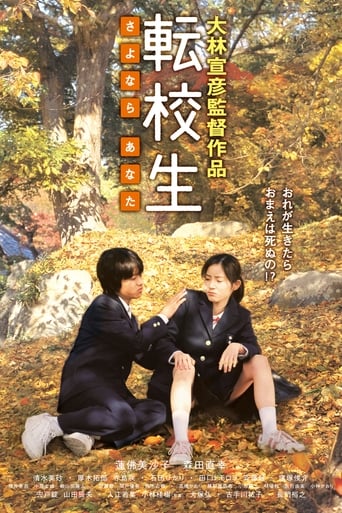
6.6After his parent's divorce, Kazuo Saito moves with his mother from Onomichi and must leave his girlfriend behind. At his new school, Kazuo is surprised to reunite with his childhood friend Kazumi.
Switching – Goodbye Me
2007
 8.8
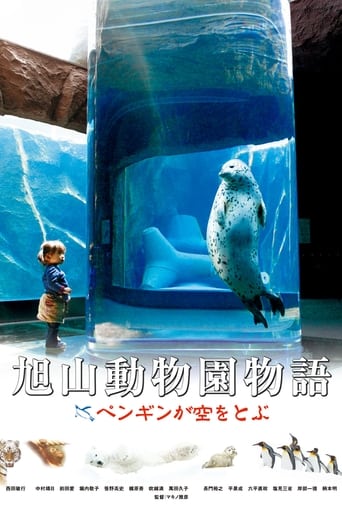
8.8Asahiyama Zoo in Hokkaido, is the northernmost zoo in Japan. The unpopular zoo welcomes a new zoo keeper, young Yoshida (Yasuhi Nakamura), who has more affection for insects than people after years of being bullied at school when he was young. Yoshida soon realizes that Asahiyama Zoo is facing a financial crisis and the zoo director Takizawa (Toshiyuki Nishida) has been doing everything in his power to save the zoo from closing down. Moved by Takizawa's passion, Yoshida and other zoo keepers came to share the zoo director's belief that one's dreams can come true, and together they tackle this seemingly impossible task of revitalizing Asahiyama. A breakthrough arrives in the form of “Behavioral Exhibition,†a method that is pioneered by Ashiyama's zoo keepers and which eventually makes the zoo renowned throughout the world.
Asahiyama Zoo Story: Penguins in the Sky
2009
 6.0
6.0A rowdy, young yakuza takes revenge against a gang of thousands for the death of his boss.
The Man in White Part 2: Requiem for the Lion
2003
1990s · 8 titles
 6.2
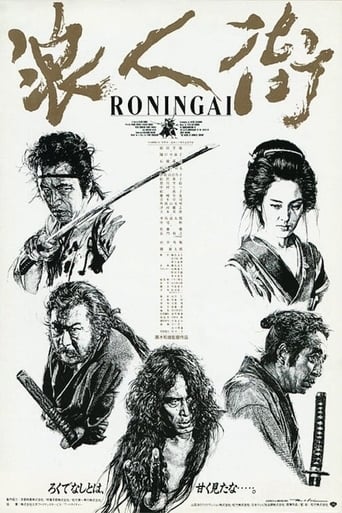
6.2Near the end of Japanese civil war, several disgraced ronin living in Edo's red light district attempt to regain their honor by defending a brothel from a hostile militia bent on wiping out local prostitutes.
Ronin-gai
1990
 6.0
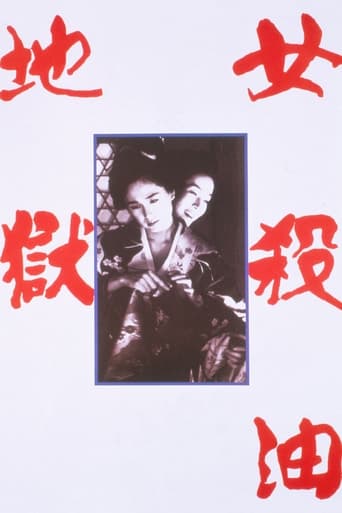
6.0The indolent son of an oil vendor becomes a regular customer of a prostitute, racks up a mountain of debt, and is disowned by his parents.
The Oil-Hell Murder
1992
 10.0
10.0Set during the Meiji period (1868-1912), Kaede is the former mistress of a wealthy merchant. When he dies, she is forced out on the street and forced to give up her young daughter to the merchant’s family.
Yearning
1993
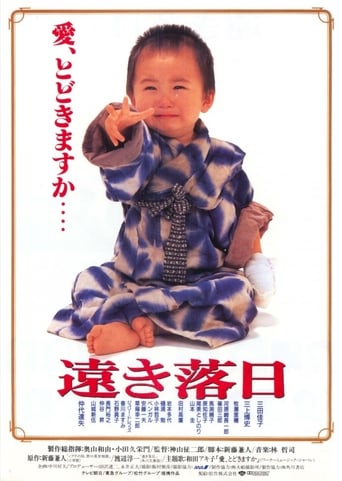 10.0
10.0Faraway Sunset tells the story of the famed bacteriologist who is known to have discovered the agent that cause syphilis, and for his relentless search for a cure to yellow fever. As a toddler, his mother's neglect had caused an accident to his left hand, fusing together all the fingers in a bizarre twist of fate. Naturally extremely remorseful for being the cause of her son's handicap, she does everything she could to ensure that he gets to lead a normal life, despite having to fend off bullies and unfair prejudices.
Faraway Sunset
1992
 7.5
7.5The rise to power of the famed Lady Kasuga no Tsubone, who established the 'Ooku' (the women's quarters at Edo castle) and acted as nursemaid to Tokugawa Iemitsu, the future 3rd Shogun is chronicled in this historical drama. Intrigue and suspicion abound as the two brothers Iemitsu and Tadanaga vie for the post of Shogun, while behind the scenes the remnants of the defeated Toyotomi faction, lead by Lord Ishida Mitsunari attempt to discredit the Tokugawa Shogunate and regain their former position as rulers of the nation. The hidden battles between Shogun Hidetada's wife and mistresses of the 'Ooku' come to light as they force the two brothers into a life or death struggle.
She-Shogun
1990
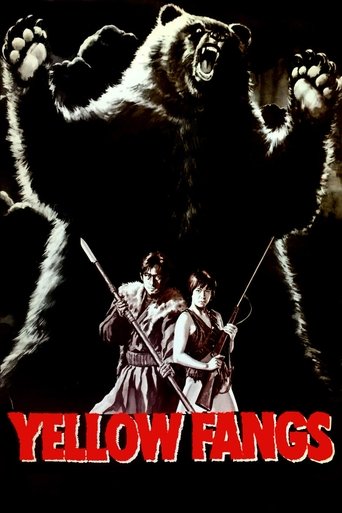 7.1
7.1Based on actual events that occurred in Hokkaido, Japan, 1915. Rimeinzu: Utsukushiki yuusha-tachi tells the story of a group of bear hunters that are tracking a 900 pound brown bear nicknamed Red Spots that is terrorising the area. It attacks and kills men, but it feasts only on women.
Yellow Fangs
1990
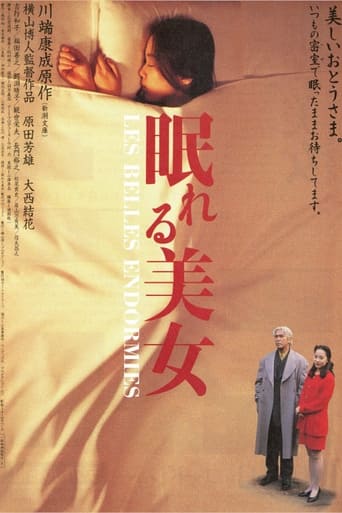 8.5
8.5About an establishment where old men pay to sleep besides young girls that had been narcotized and happen to be naked, the sleeping beauties. The old men are expected to take sleeping pills and share the bed for a whole night with a girl without attempting anything of bad taste like putting a finger inside their mouths.
House of Sleeping Beauties
1995
 5.7
5.7Sawako, working in a bank, tired of the usual everyday life, once she met the chef of French cuisine Yukio Goto and spent the night with him. Sawako pretends to be the daughter of an upscale hotel owner and has an affair with Yukio.
Love of Sawako
1990
1980s · 8 titles
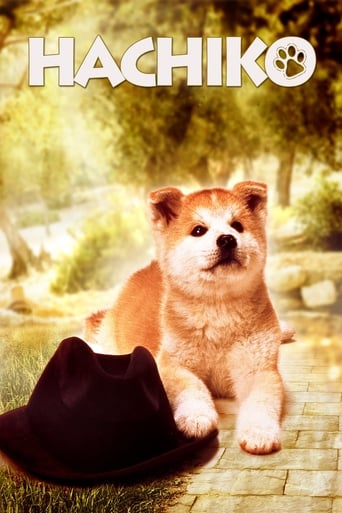 7.8
7.8The tragic, true story about Hachikō, an Akita dog who was loyal to his master, Professor Ueno, even after Ueno's death.
Hachiko
1987
 NR
NRA tragic love story between a prostitute and a young trainee monk.
May Love Be Restored
1980
 7.3
7.3Based on the "2.26 Incident", an attempted coup d'état in Japan 1936, launched by radical ultra-nationalist parts of the military. Several leading politicians were killed and the center of Tokyo was briefly held by the insurgents before the coup was suppressed.
Four Days of Snow and Blood
1989
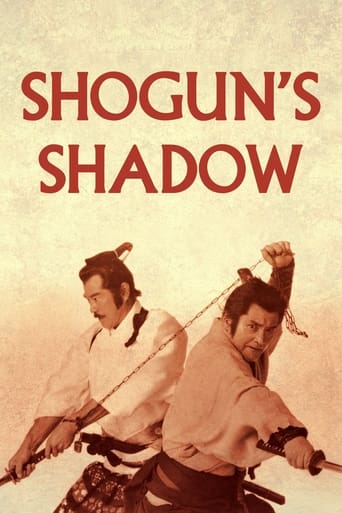 6.9
6.9A shogun's eldest son must do whatever it takes to survive a series of attempts on his life. He receives much-needed aid from seven warriors who are led by a strong leader.
Shogun's Shadow
1989
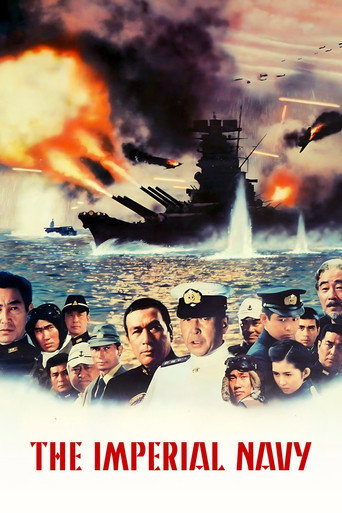 6.6
6.6A lavish retelling of the true story of the final voyage and ultimate destruction and sinking of the battleship Yamato, Japan's greatest flagship during the Second World War.
The Imperial Navy
1981
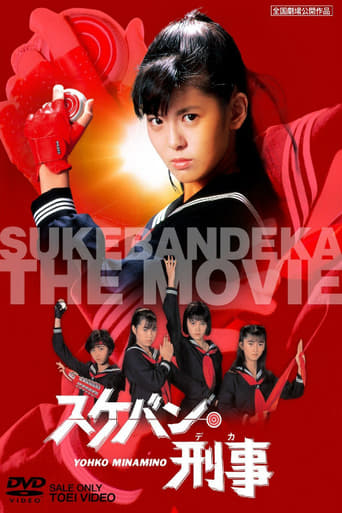 6.5
6.5After the events of the TV series, the 18 year old Yoko Godai has abandoned her special agent Saki Asamiya name to return to her normal life, and is now studying for college entrance exams. However, she accidentally bumps into a young man named Kazuo Hagiwara trying to escape from a group of hitmen, and learns that he comes from Sanko Academy, a private school located in a remote island known as Hell's Castle. The school is ruled by a former revolutionary thought to be dead named Hattori who is trying to brainwash students into terrorists to help him stage a fascist coup d'etat in Japan.
Sukeban Deka: The Movie
1987
 7.0
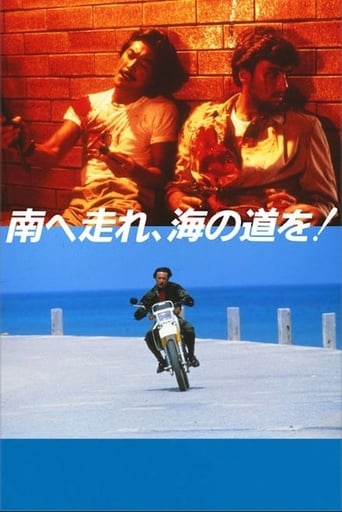
7.0Tetsu gets into an argument with some Okinawa yakuza and is murdered by them. His brother Ryo comes to Okinawa shortly thereafter and teams up with Tetsu's girlfriend and Max an ex US soldier to extract revenge.
South to the Horizon
1986
 8.0
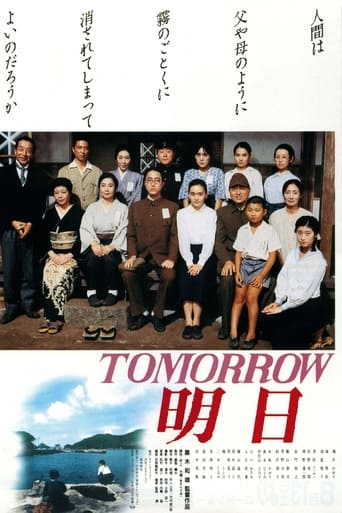
8.0On August 9, 1945, the Americans dropped an atomic bomb on Nagasaki. This film, based on a story by Mitsukaru Inoue, describes the daily life of people in Nagasaki the day before that fateful event. It presents the human drama of people's lives, and their feelings of joy and sadness. These include a newlywed couple, an expectant mother, and lovers who must say farewell because the boy is called to serve in the army. Each of these people, like others in the city, hoped to live with their dreams for ‘tomorrow’. But tomorrow never comes for them, as their lives are brought to an abrupt and unexpected end. Knowing how the story ends, in this case, doesn't detract from it at all; rather, it enhances the emotional impact, which is further heightened by the poignant musical score from Teizo Matsumura. 'Ashita' is the first film in Kazuo Kuroki's 'War Requiem Trilogy,' which also includes 'Utsukushii Natsu Kirishima' (2002) and 'Chichi to Kuraseba' (2004).
Tomorrow
1988
1970s · 6 titles
 7.0
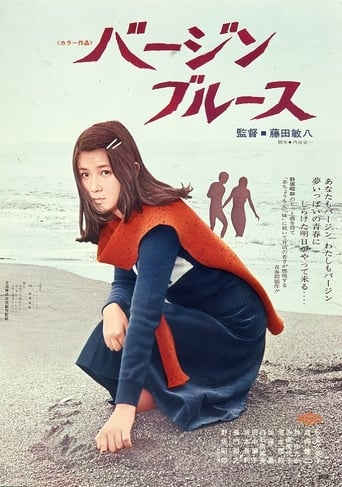
7.0Teenagers are rebels without a cause. Let it be for stress relief or just a way to kill time, Mami (Kumiko Akiyoshi) and Chiaki were always up to no good – but their luck runs out when they shoplift with some other girls at a local supermarket. They flee from the scene and head back home, only to find detectives at their front door.
Virgin Blues
1974
 7.8
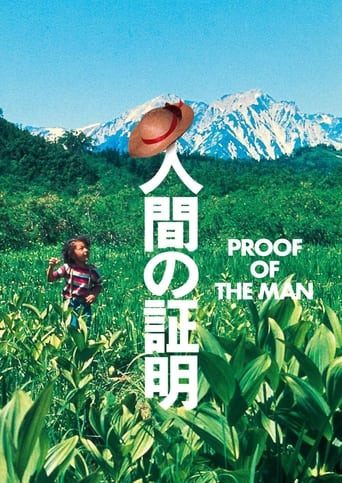
7.8When an American is murdered in a Japanese inn, Tokyo police detective Munesue follows the trail of the killer to New York. There he is joined by a New York City detective named Shuftan and together they sort out the crime.
Proof of the Man
1977
 6.8
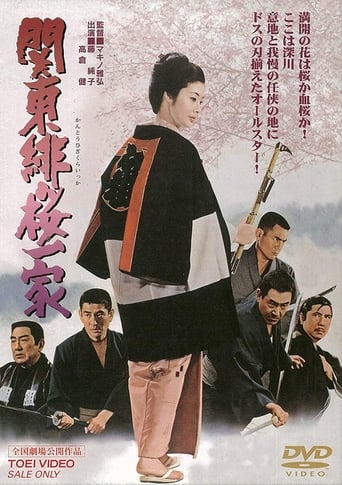
6.8The Ni Family is the most well know and respected group of firefighters in the Kanto region. When their leader dies and the successor disappears, Tsuruji, a beautiful yet tough geisha, becomes the boss. But will she be able to confront a yakuza gang trying to take over the area?
The Kanto Scarlet Cherry Gang
1972
 6.1
6.1Kumokiri Nizaemon, a former samurai warrior, has abandoned his class to become the leader of a gang of thieves. He leads his outlaws in an attempt to rob the castle of his former clan.
Bandits vs. Samurai Squadron
1978
 6.6
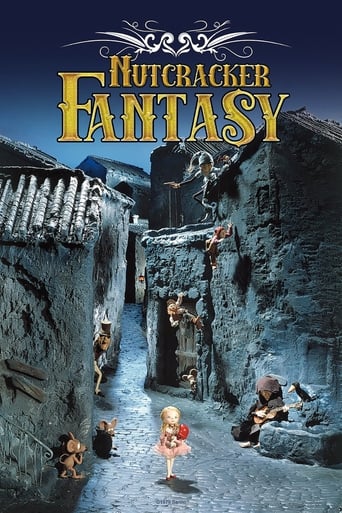
6.6Based off of the novel, "The Nutcracker and the Mouse King" and the ballet "The Nutcracker" Sanrio shows their take on the classic story in a stop-motion animated film.
Nutcracker Fantasy
1979
 7.2
7.2A young and newly-married couple in Tokyo lives a hard life moving repeatedly because of their unfamiliar relationships with their surroundings.
Red Paper Lantern
1974
1960s · 18 titles
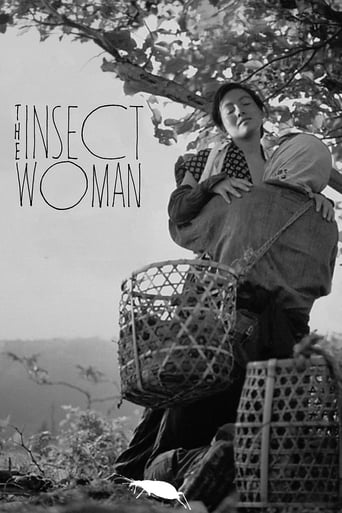 7.2
7.2A woman, Tome, is born to a lower class family in Japan in 1918. The title refers to an insect, repeating its mistakes, as in an infinite circle. Imamura, with this metaphor, introduces the life of Tome, who keeps trying to change her poor life.
The Insect Woman
1963
 7.1
7.1In the city of Yokosuka, Kinta and his lover Haruko, both involved with yakuza, brave the post-occupation period with a goal to be together.
Pigs and Battleships
1961
 6.6
6.6The industrial revolution comes to Japan with the introduction of the railroad system. This led to clashes between boatmen, who livelihoods are threatened, and the railroad construction workers. Oryu the Red Peony returns to her home in Kumamoto to accept her position as second generation leader of the Yano Family. But the ceremony is interrupted by fighting between local boatmen and railroad works. And it seems a rival family is pulling the strings behind the clashes.
Red Peony Gambler: Second Generation Ceremony
1969
 7.5
7.5Because of trickery, the Jinya Group has only seven days to complete a mountain road project or it will forfeit a major dam construction job to the scheming Ojika Group.
Code of Ruffians
1965
 8.0
8.0Unlike traditional gangster movies, it is a gangster swashbuckler that mixes romance and humanity with a yakuza lover as the main character. A young man who heard that his former boss was killed is imprisoned by slashing his family's minions, and his lover is tortured by the enemy, but rescued by the imprisoned young man's nemesis.
Ruthless Gambler
1969
 6.8
6.8A newspaper reporter's search for his girlfriend's missing father lead him into heart of the criminal underworld of Yokohama's Chinatown.
The Sleeping Beast Within
1960
 6.5
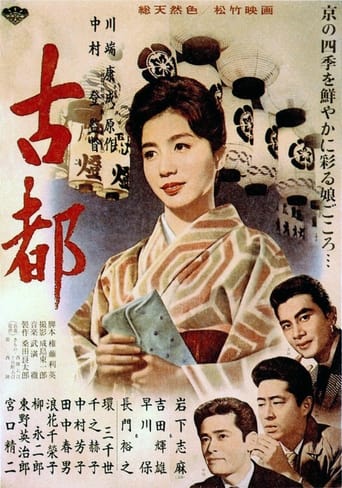
6.5In this Japanese drama, a dry goods merchant's daughter is surprised to discover that she has a twin sister. In rural Japan it was thought that twins bring bad luck, so the sister was abandoned at birth. Later her parents tell her that her sister was kidnapped. The woman doesn't believe this and when she eventually meets her twin, both women are involved in love affairs. The merchant's daughter is seeing an educated fellow. Trouble ensues when she begins suspecting that he may be more interested in her sister.
Twin Sisters of Kyoto
1963
 7.0
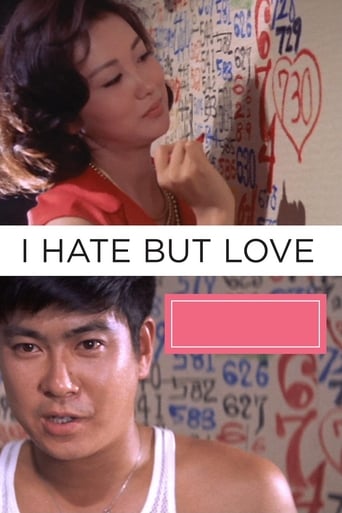
7.0A celebrity, dissatisfied with his personal and professional lives, impulsively leaves fast-paced Tokyo to deliver a much-needed jeep to a remote village. When his controlling manager, the woman he loves, follows, the two must reconcile while dodging reporters.
I Hate But Love
1962
 6.8
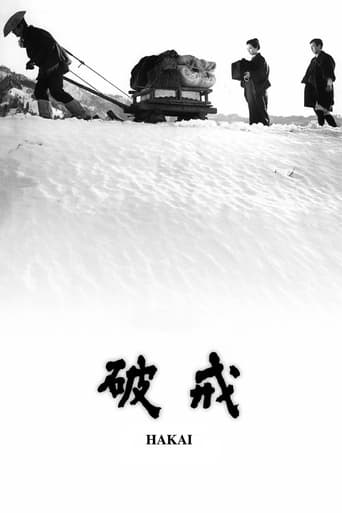
6.8Ushimatsu's father told him never to reveal his lower-caste heritage; years later, he now contemplates confiding in an activist fighting against such discrimination.
The Broken Commandment
1962
 6.5
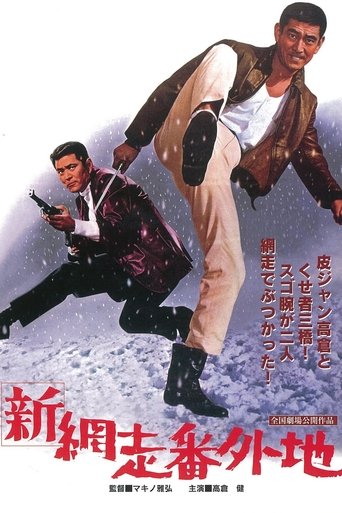
6.5Former soldier, Suehiro Katsuji, fights violent gangs and powerful Chinese merchants during the post-war period in Japan.
New Prison Walls of Abashiri
1968
 6.3
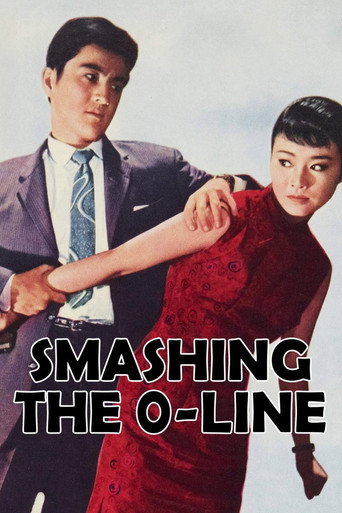
6.3Katiri is a reporter so ambitiously amoral that he’ll sell out anyone—including his partner and the drug dealer he’s sleeping with—to get a scoop. But what happens when an even more ruthless female gang boss kidnaps his sister?
Smashing the 0-Line
1960
 6.5
6.5Just after WW2, a romance between an innkeeper and a man with tuberculosis unravels near a thermal spring.
Akitsu Hot Springs
1962
 6.9
6.9After a young boy captures a rare butterfly in Nagasaki, a caterpillar begins a relay-trip toward the northern tip of Hokkaido, serving as a silent witness to a series of vignettes featuring people struggling with the psychological and social scars of post-war Japan.
Silence Has No Wings
1966
 NR
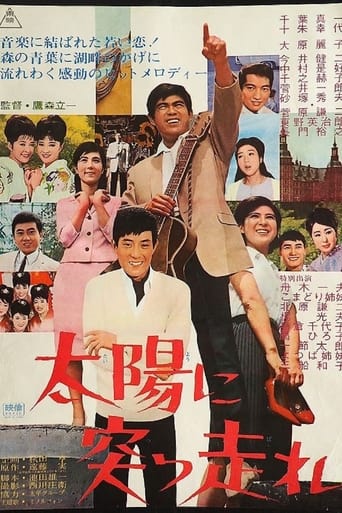
NRA song drama based on the autobiographical song "The sun is laughing" by composer Endo Minoru. It tells the story of a young man who moves to Tokyo with a big dream of becoming a composer, and despite the unfamiliar city life, sticks to his original intentions with the gentle encouragement of his young wife, and takes the music world by storm.
Dash to the Sun
1966
 8.0
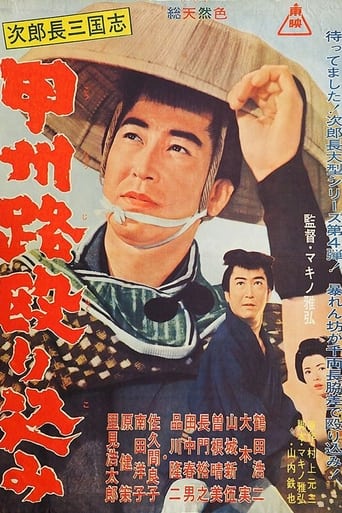
8.0The continuing adventures of the Jirocho gang.
The Kingdom of Jirocho 4
1965
 7.0
7.0Joe, Okita, and Serizawa hear of the armed robbery of a truck carrying one billion eighty million yen's worth of Mint paper. Knowing that the thugs will now need a counterfeiter to make the bogus bills, they each decide to cash in on it by selling them the idea that they need Sakamoto, the best counterfeiter in Japan. A seesaw game unfolds between the three men as each tries to outdo the other two in handing over Sakamoto for one million yen to Hijikata, the big boss, who intends to make counterfeit money with the stolen paper. A little belatedly, they realize it needs their combined forces to outwit Hijikata and they raid his place together. Outnumbered, however, they are thrown into a basement room and the gas is turned on. Certain death stares them in the face, but the three men are not ones to take things lying down....
Danger Pays
1962
 6.5
6.5The feud between two rival delivery companies, Kibamasa and Okiyama, heats up as the head of Kibamasa falls ill.
The Domain
1964
 7.0
7.0Story of a nineteen-year-old office girl who loses her virginity.
Lost Virgin
1968
1950s · 6 titles
 NR
NRNo synopsis available yet.
Nice Day, Cloudy Day Part II
1954
 6.8
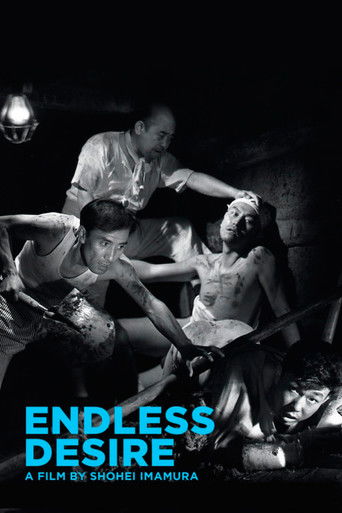
6.8Set in post-war Japan, a group of five, four men and one woman, gathers in the basement of a butcher shop to dig up a cache of morphine buried during the war. A grimly humorous tale of twisted relationships as one by one each of the group is eliminated.
Endless Desire
1958
 NR
NRNo synopsis available yet.
Super Hawk Volume II
1954
 NR
NRNo synopsis available yet.
Super Hawk Volume III
1954
 NR
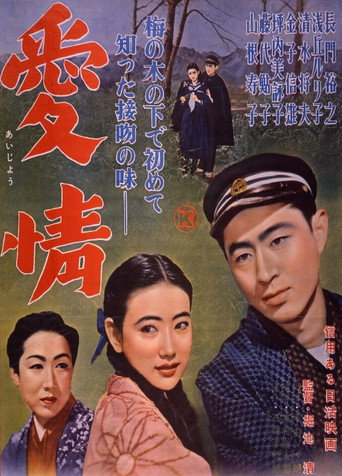
NREisuke Narita, a painter, visits a hot spring town in Tohoku, and for some reason, he is reminded of the events of ten years ago.
Lovers
1956
 6.6
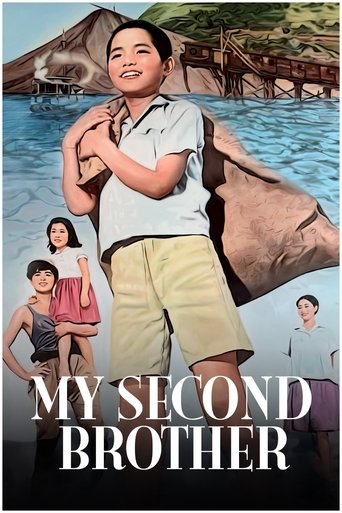
6.6The film tells the story of four orphans living in an impoverished mining town. An adaptation of a best-selling book based on the diary of a ten-year-old zainichi (ethnic Korean Japanese) girl, it was one of the first films to deal with the subject of zainichi identity and struggles in Japan.
My Second Brother
1959
Series credits
7.5Detective Ukyo Sugishita confronts crime on the basis of his own convictions. He has a partner that works for him in the Special Task Unit. For the first 7 seasons, Ukyo’s first partner is Kaoru Kameyama. He is a good-natured, hot-tempered, straightforward and somewhat scattered detective. Beginning in Season 8, Takeru Kanbe replaces Kameyama. Contrary to his predecessor, Takeru is a lanky, cool, conceited and confident detective. From Season 11 to Season 13, Ukyo’s partner is a young detective Toru Kai. Toru is a son of Deputy Director-General of The National Police Agency. But he became a detective by his own effort. And starting with Season 14, Ukyo’s current partner is Wataru Kaburagi, an elite bureaucrat who came to the Metropolitan Police Department on temporary assignment. As the first partner without any career of a police officer, he will face challenging cases together with Ukyo.
AIBOU: Tokyo Detective Duo
2002
7.8Hasegawa is a chief police of big heart who leads a band of samurai police and cultivates reformed criminals as informants to solve difficult crimes.
Onihei Hankachō
1989
NRThe 26th NHK Asadora. Shimazaki Kayo is a woman from Hagi, Yamaguchi, who joins the Takarazuka Revue, a Japanese all-female musical theater troupe based in Takarazuka, Hyougo Prefecture, Japan. Women play all roles in lavish, Broadway-style productions of Western-style musicals, and sometimes stories adapted from shoujo manga and Japanese folktales.
Niji wo Oru
1980
7.0Continuation of the popular series of films about the assassins in Edo. This show marks the return of the jidaigeki series "Hissatsu Shigotonin," which has had several seasons between the 1970s and the 1990s. The franchise came back in 2007 with a one-shot special, but this is its first full season since 1992. Makoto Fujita returns as the protagonist Nakamura Mondo, one of the "shigotonin," a team of hired assassins.
Mission To Kill
2009
7.0The story chronicles the life of Ii Naosuke.
Life of a Flower
1963
7.0No synopsis available yet.
Stewardess Story
1983
 NR
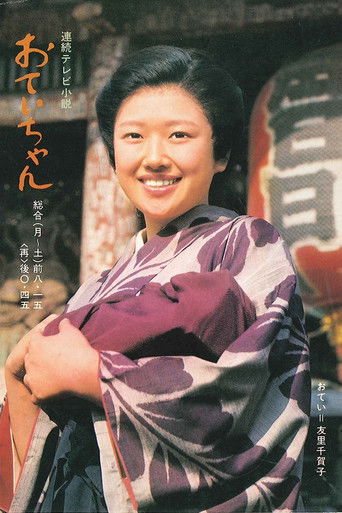
NRThe 21st NHK Asadora. Starring Chikako Yuri in a dramatization of the life of Sadako Sawamura.
Otei-chan
1978
 8.3
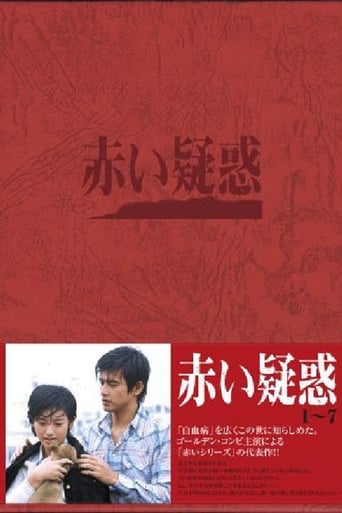
8.3Sachiko is the 17-year old daughter of radiotherapist Professor Oshima. After exposure to radiation in the hospital, she develops leukemia. As if that was not enough trouble for one lifetime, discovers that Oshima is not her real father, and that her boyfriend is really her half brother.
Red Suspicion
1975
 NR
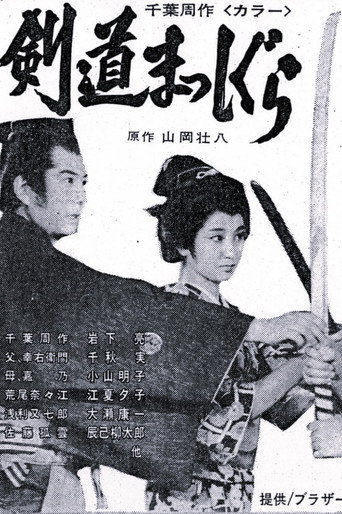
NRChiba Shusaku: Kendo Masshigura is a Japanese period drama that aired on the TBS network from November 2, 1970 to August 30, 1971 in the "Brother Gekijo" slot. It ran for 44 colour episodes of 30 minutes each. Based on Sohachi Yamaoka's novel "Chiba Shusaku", it depicts the youth of Chiba Shusaku, founder of the Hokushin Itto-ryu school of swordsmanship. A hot-blooded young man who calls himself Shusaku enters the dojo of Asari Matashichiro and, through encounters with all kinds of people, grows rapidly both in swordsmanship and in character. Produced by TBS and Shochiku. Rerun on the Japanese CS channel Jidaigeki Senmon Channel from March 17, 2025.
Chiba Shusaku: Kendo Masshigura
1970
 7.1
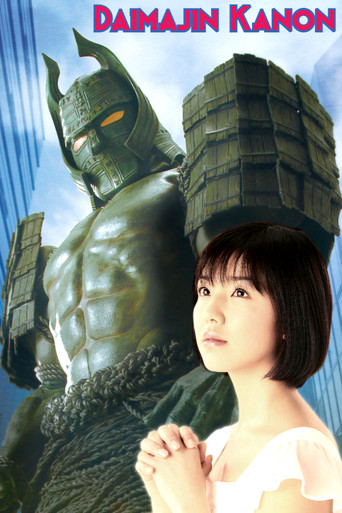
7.1Misaki Kanon is a young woman who comes to the big city with dreams of becoming a singer. At first everything goes well, she falls in love and works towards her dream. But then her boyfriend betrays her and Kanon loses her faith in people and sight of her dream. Once upon a time, as a small child in a remote mountain village where the Daimajin rests, she sang the song of prayer. Now she has to regain her song to find herself and maybe save the world too. A mysterious man from the village is searching for her so that she may help him and his comrades when the time comes.
Daimajin Kanon
2010
 6.0
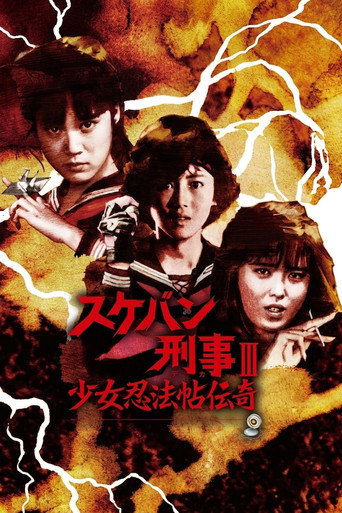
6.0Kazama Yui, a country girl from Kyushu who was recruited by the Dark Director and given the role of the third Saki Asamiya. In the story, Yui was sent to Tokyo to meet up with her long lost sisters, Yuka and Yuma, and they inherited the family's ninja art in order to solve the menace of a psychic terrorist known as the Emperor. Now turned into a trio of kunoichi, they would battle the villain and his army, helped by their mentor Kazuya Yoda and the agents Reia Kido and Obiwan Osho. Yui herself rarely used the Saki Asamiya moniker and showed a very different personality compared to Saki and Yoko, and the series was more focused in fantasy than serious urban crime drama. NOTE: although it has 3 in the title and is loosely related to the other two Sukeban Deka shows this should not be treated as a direct continuation but rather as a standalone show.
Sukeban Deka III: Romance of the Ninja Girls
1986
 7.6
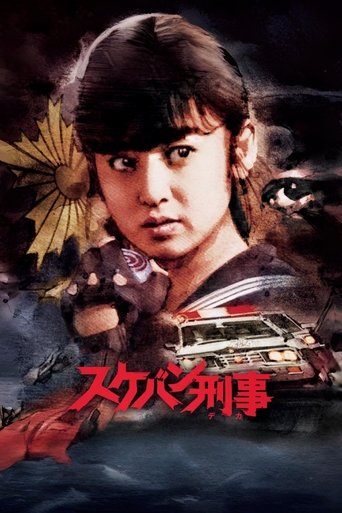
7.6A juvenile delinquent code-named Saki Asamiya is taken in by the government and forced to fight crime to redeem her actions. She is sent to various high schools to infiltrate and neutralize gangs and other forms of crime as a police officer using her metal yo-yo badge as a weapon.
Sukeban Deka
1985
 10.0
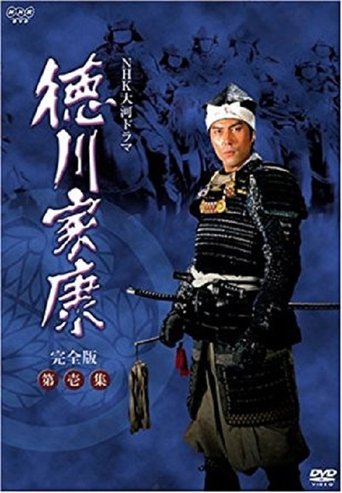
10.0The story chronicles the life of Tokugawa Ieyasu.
Tokugawa Ieyasu
1983
 7.0
7.0A track and field athlete falls in love with a cop. After being paralyzed by a bullet from a detective investigating her father's crimes, a high school sprinter finds unexpected love and navigates a web of family secrets and forbidden love.
Akai Shougeki
1976
 NR
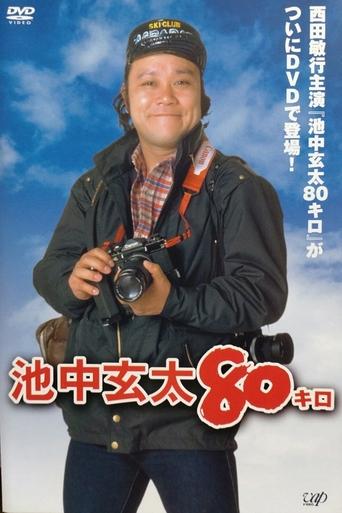
NRA heartwarming and hilarious story about a photographer, Genta Ikenaka, who goes to live with the three daughters left by his wife, Tsuruko, who died shortly after their marriage.
Ikenaka Genta 80 kilo
1980
 5.0
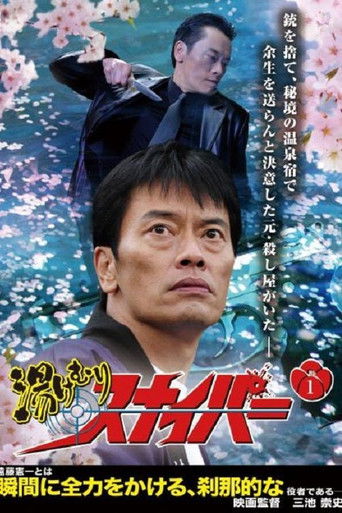
5.0"Yukemuri Sniper" ("The Sniper in the Vapor") stars Kenichi Endo as an assassin who has decided to leave the business and try to go straight. Gen figures the best way to escape his violent past is to retire somewhere that is remote and quiet, so he takes a job as a lowly attendant at a mountain hot-springs resort called Tsubaki-ya. He strikes up a friendship with one of his colleagues, a housekeeper named Suzuyo (Shoko Ikezu). One day, Suzuyo's ex-husband, Tagawa (Kohei Mashiba), comes to the inn and roughs her up. Gen learns that Tagawa is a gangster and that he shows up at the inn every so often to take the money that Suzuyo has earned. Gen feels sorry for Suzuyo and calls Tagawa to try and reason with him.
Yukemuri Sniper
2009
 NR
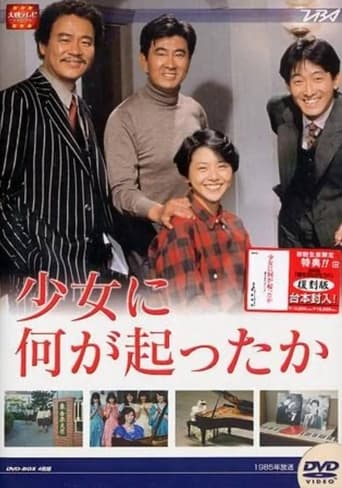
NRNo synopsis available yet.
Shoujo ni Nani ga Okotta ka
1985
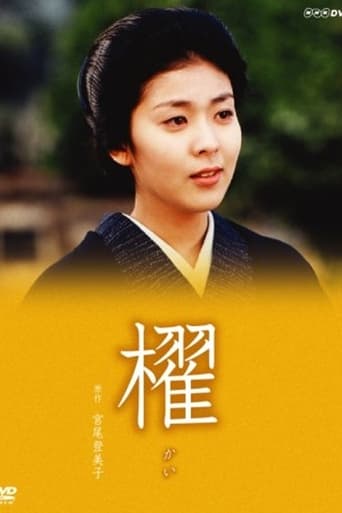 NR
NRKiwa is Iwago’s devoted wife. A former wrestling champion, he has become a ‘zegen’: He buys young girls from poor families and sells them to geisha houses. He is quite successful but Kiwa, although she accepts his money, loathes his work. One day Iwago comes back with a young girl he’s bought from a man who wanted to sell her in China. They adopt her and Kiwa raises her, as a respectable girl, with her two sons. But Iwago wants to manage the career of a singer who becomes his mistress and the situation becomes very tense for the couple.
The Oar
1999
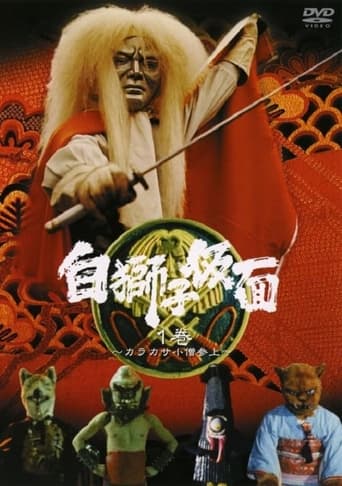 8.0
8.0Set during the Kyoho Period of the Edo Era (1716-1735), the city of Edo (now Tokyo) is under the terror of Okami Kamen (Wolf Mask). Town Magistrate, Echisen Ooka, send his top man in the Kage Yoriki (Shadow Police), Hyoma Tsurugi (Kyotaka Mitsugi), to investigate. He unveils the evil pulling the strings of a Yokai army, Kaen Daimaoh (Infernal Devil), but is mortally wounded by the creature. Suddenly, another apparition appears, Shiro Jishi Kamen (White Lion Mask), who spares his life — and now Tsurugi must fight as the human form of this agent of righteousness to preserve justice!
Shiro Jishi Kamen
1973
No synopsis available yet.
後鳥羽伝説殺人事件
1982
No synopsis available yet.
人形佐七捕物帳 佐七一番手柄
1990