
Known for
A comedy loosely based on the life story of Johann Friedrich Böttger, the inventor of Meissen porcelain: In Berlin, the pharmacist Fritz Böttger gains a reputation for being able to make gold and is imprisoned on the orders of the Prussian king. Following in the footsteps of a young lady, he flees to Saxony, but is also imprisoned in Dresden and forced to make gold. Although he does not succeed in this, by chance he discovers how to make porcelain instead. Augustus the Strong appoints him baron and director of the royal porcelain manufactory.
The King's Prisoner
1935
No synopsis available yet.
Liebeserwachen
1936
Violanta lives with her parents in a poor cottage in the mountains in Austria. Her family is frowned upon by the local population since her father is a drunk and suspected by the villagers to have caused the death of one of the farmers. One day handsome Marianus Renner comes along. He sees Violanta and immediately starts courting her, They become involved in a relationship, until one day he suddenly does not come to her usual appointment.
Violanta
1942
No synopsis available yet.
Heideschulmeister Uwe Karsten
1933
 6.3
Warsaw 1831: The young music student Frédéric Chopin falls in love with the singer Constantia. When his professor learns that Polish revolutionaries want to persuade Chopin to take part in their uprising, he and Constantia hatch a plan to keep Chopin away from the revolution: Constantia pretends that she no longer loves him, so that Chopin accepts an offer to go to a concert in Paris. There, however, he meets the famous writer George Sand and falls in love with her.
Farewell Waltz
1934
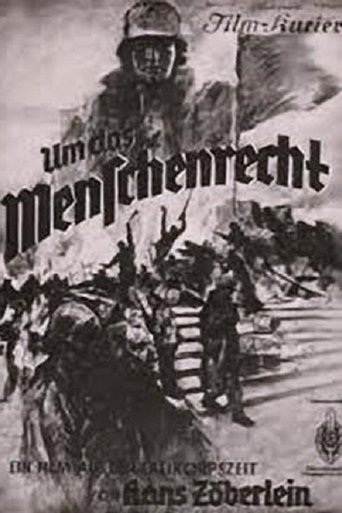 6.6
This Nazi propaganda film tells about the "freikorps" movement in post-World War I Germany. Freikorps were armed extreme-right-wing paramilitary groups, often composed of street thugs, ex-convicts and unemployed veterans, who engaged in street battles and assassinations of political opponents, usually leftist or Communist groups. Many of these "freikorps" were absorbed into the S.A. (Storm Troopers) and, later, the SS after Adolf Hitler came to power
For the Rights of Man
1934
Film credits

1930s · 10 titles
A comedy loosely based on the life story of Johann Friedrich Böttger, the inventor of Meissen porcelain: In Berlin, the pharmacist Fritz Böttger gains a reputation for being able to make gold and is imprisoned on the orders of the Prussian king. Following in the footsteps of a young lady, he flees to Saxony, but is also imprisoned in Dresden and forced to make gold. Although he does not succeed in this, by chance he discovers how to make porcelain instead. Augustus the Strong appoints him baron and director of the royal porcelain manufactory.
The King's Prisoner
1935
No synopsis available yet.
Liebeserwachen
1936
No synopsis available yet.
Heideschulmeister Uwe Karsten
1933
6.3Warsaw 1831: The young music student Frédéric Chopin falls in love with the singer Constantia. When his professor learns that Polish revolutionaries want to persuade Chopin to take part in their uprising, he and Constantia hatch a plan to keep Chopin away from the revolution: Constantia pretends that she no longer loves him, so that Chopin accepts an offer to go to a concert in Paris. There, however, he meets the famous writer George Sand and falls in love with her.
Farewell Waltz
1934
6.6This Nazi propaganda film tells about the "freikorps" movement in post-World War I Germany. Freikorps were armed extreme-right-wing paramilitary groups, often composed of street thugs, ex-convicts and unemployed veterans, who engaged in street battles and assassinations of political opponents, usually leftist or Communist groups. Many of these "freikorps" were absorbed into the S.A. (Storm Troopers) and, later, the SS after Adolf Hitler came to power
For the Rights of Man
1934
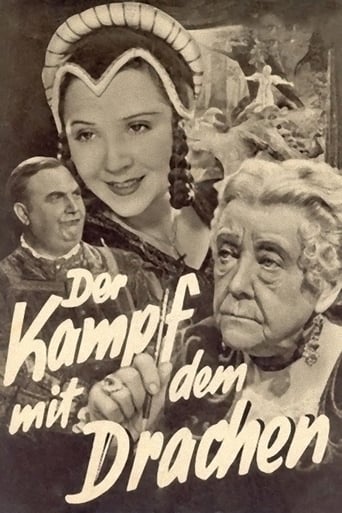 7.2
Countess von Drachenstein, owner of the traditional Drachenstein Castle Brewery, where the famous Drachenbräu beer has been brewed for 300 years, stubbornly refuses to agree to a merger between the Drachen and Sonnen breweries. Trude, the niece, and Fritz, the son of the manager of the Sonnenbrauerei, try in vain to poach Bachmeier, the master brewer at the Drachenbrauerei. But then Trude falls in love with Bachmeier, and Fritz with Countess Helene, the niece of the Countess von Drachenstein. And so the family businesses end up merging after all.
The Fight with the Dragon
1935
 8.0
No synopsis available yet.
Susanne im Bade
1936
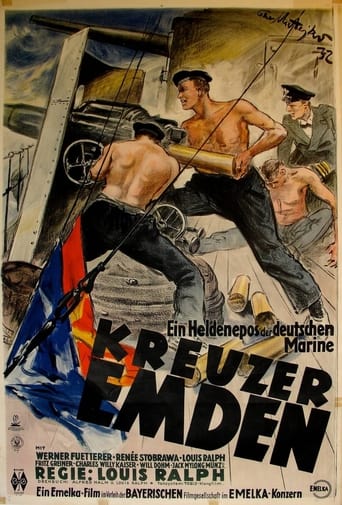 9.0
Story of the Kreuzer (cruiser) Emden and his men during WWI, garnished with a love Story, rivalry and heroism.
Cruiser Emden
1932
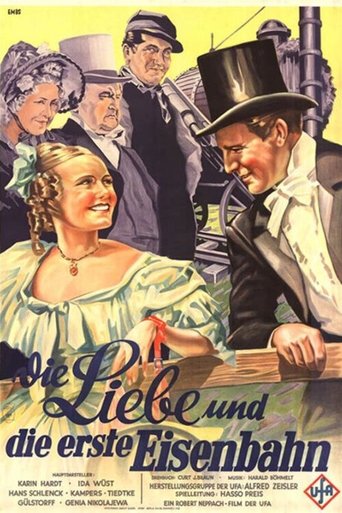 5.8
'Love and the First Railway' is what this movie's title would mean in English. This is one of those films that depicts fictional characters participating in an historic incident. The actual first railway was built in England, of course. But according to this movie, the first railway (in Germany, at least) was built from Berlin to Potsdam, in 1838. I haven't the faintest idea if that's correct, but the people who made this movie do seem to take a great deal of interest in historical accuracy, so I'll take their word for it. Anyway, a title at the beginning establishes that this movie is set in 1838.
Love and the First Railroad
1934
 5.5
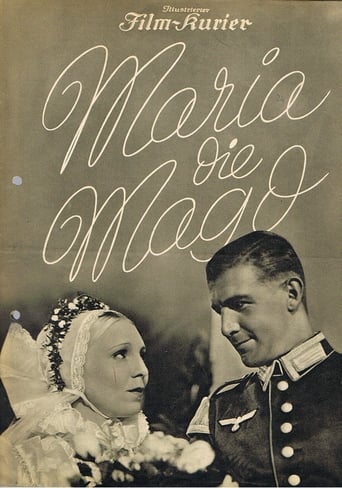
An actress and her lawyer husband are so busy that their maid becomes the real mother to their six year old boy and at one point causes consternation by taking the child away to her home village.
Maria, the Servant
1936