

Writing
Hélène Cixous
Born
1937-06-05 (89)
Place of birth
Oran, France [now Algeria]
Known for
Writing
Credits
10 titles
Hélène Cixous (born 5 June 1937) is a French writer, playwright and literary critic. During her academic career, she was primarily associated with the Centre universitaire de Vincennes (today's University of Paris VIII), which she co-founded in 1969 and where she created the first centre of women's studies at a European university. Known for her experimental writing style and great versatility as a writer and thinker, she has written more than seventy books dealing with multiple genres: theater, literary and feminist theory, art criticism, autobiography and poetic fiction. She first gained attention in 1969 with her first work of fiction, Dedans (Inside), a semi-autobiographical novel which…
Known for
 8.5
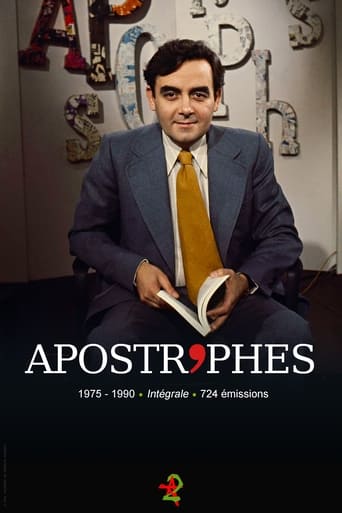
Apostrophes was a live, weekly, literary, prime-time, talk show on French television created and hosted by Bernard Pivot. It ran for fifteen years (724 episodes) from January 10, 1975, to June 22, 1990, and was one of the most watched shows on French television (around 6 million regular viewers). It was broadcast on Friday nights on the channel France 2 (which was called "Antenne 2" from 1975 to 1992). The hourlong show was devoted to books, authors and literature. The format varied between one-on-one interviews with a single author and open discussions between four or five authors.
Apostrophes
1975
 NR
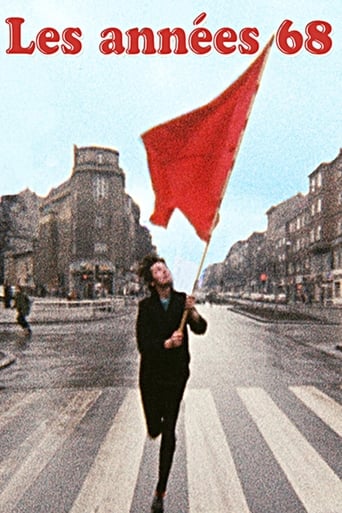
In 1968, young people from Berkeley to Paris and from Prague to Tokyo rose up against the world they were being offered. In this sprawling but riveting two-part documentary, veteran filmmaker Don Kent tracks the development, decline and legacy of this global movement against the fiery backdrop of the Vietnam War, civil rights struggles, dueling ideologies, and international coup d’états. A time capsule full of evocative sights and sounds, narrated by leading historians and political activists, Les années 68 effortlessly connects apparently discrete events to form a blazingly timely analysis of a decade that shaped the way we live now.
1968 - The Global Revolt
2018
 NR
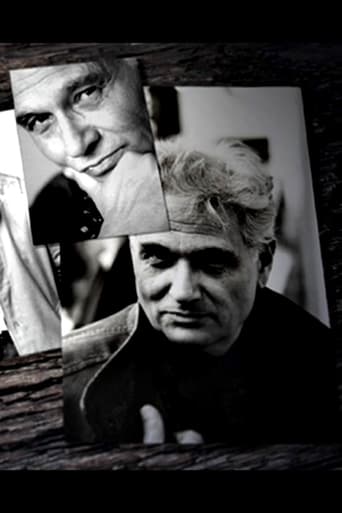
A look back at the life of Jacques Derrida, on the 10th anniversary of the philosopher's death.
Jacques Derrida, le courage de la pensée
2014
 6.2
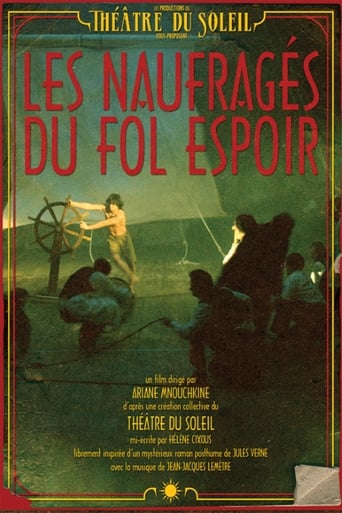
A film-crew in the early twentieth century, the cabaret known as ‘Le Fol Espoir’ has been transformed into an amateur soundstage. The motion picture tells the story of a ship and its passengers – from the famous opera singer down to the petty criminal. The film is an optimistic political fable intended to educate the masses. There’s comedy aplenty – slapstick punches, custard pies and gags reminiscent of Buster Keaton and Fatty Arbuckle; there’s adventure, high drama moments of great bravura , and passionate love stories. The filming begins on June 28th 1914, the day of the Archiduke Franz Ferdinand’s assassination in Sarajevo, the gunpowder that sets Europe alight. It ends with news of another assassination – that of Jean Jaures on July 31st followed by the general conscription of August 1st, heralded by church bells across France. The allegory of the shipwreck is filmed at breakneck pace during the last five weeks before war breaks out.
The Castaways of the Fol Espoir
2014
 7.0
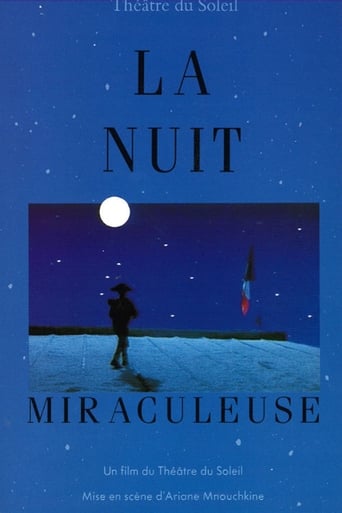
To celebrate the bicentennial of the French revolution, an exposition of mannequins representing the deputies brought together in 1789 to discuss the Declaration of the rights of man, is held in the the French National Assembly. The mannequins come to life suddenly and are joined by other historical figures who fought for human rights.
La nuit miraculeuse
1989
 8.5
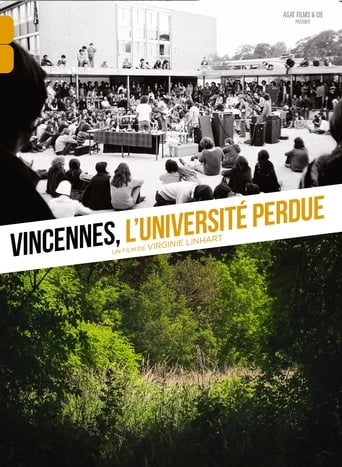
Recounts the epic of Vincennes Experimental University Center, from its creation after the events of May 68 until its demolition in the summer of 1980. To talk about Vincennes is to relive unique ten years of intense intellectual and political extravaganza, educational and artistic inventiveness, utopias, hopes, and betrayals that marked the history in a unique place, the forest with the eponymous name.
Vincennes, l'université perdue
2016
Film credits
2010s · 4 titles
NRA look back at the life of Jacques Derrida, on the 10th anniversary of the philosopher's death.
Jacques Derrida, le courage de la pensée
2014
8.5Recounts the epic of Vincennes Experimental University Center, from its creation after the events of May 68 until its demolition in the summer of 1980. To talk about Vincennes is to relive unique ten years of intense intellectual and political extravaganza, educational and artistic inventiveness, utopias, hopes, and betrayals that marked the history in a unique place, the forest with the eponymous name.
Vincennes, l'université perdue
2016
 2.7
In Paris in 1928 American Djuna Barnes writes a farcical novel about the lovers, friends and publishing elite that make up "lesbian Don Juan" Natalie Clifford Barney's sordid salon. Dolly Wilde, Elizabeth Gramont, Romaine Brooks, Mimi Franchetti, Colette, Gertrude Stein, Liane de Pougy, Radclyffe Hall, Mina Loy, Janet Flanner and many more of the finest minds of her time enter her colorful book. Concocted to cheer up Barnes' ailing girlfriend, Thelma Wood, who is sick in the hospital, the story ultimately outlives the romance.
The Ladies Almanack
2017
No synopsis available yet.
Les juifs d'Afrique du Nord pendant la Seconde Guerre mondiale
2014
Series credits
8.5Apostrophes was a live, weekly, literary, prime-time, talk show on French television created and hosted by Bernard Pivot. It ran for fifteen years (724 episodes) from January 10, 1975, to June 22, 1990, and was one of the most watched shows on French television (around 6 million regular viewers). It was broadcast on Friday nights on the channel France 2 (which was called "Antenne 2" from 1975 to 1992). The hourlong show was devoted to books, authors and literature. The format varied between one-on-one interviews with a single author and open discussions between four or five authors.
Apostrophes
1975
NRIn 1968, young people from Berkeley to Paris and from Prague to Tokyo rose up against the world they were being offered. In this sprawling but riveting two-part documentary, veteran filmmaker Don Kent tracks the development, decline and legacy of this global movement against the fiery backdrop of the Vietnam War, civil rights struggles, dueling ideologies, and international coup d’états. A time capsule full of evocative sights and sounds, narrated by leading historians and political activists, Les années 68 effortlessly connects apparently discrete events to form a blazingly timely analysis of a decade that shaped the way we live now.
1968 - The Global Revolt
2018
Behind the camera
6.2A film-crew in the early twentieth century, the cabaret known as ‘Le Fol Espoir’ has been transformed into an amateur soundstage. The motion picture tells the story of a ship and its passengers – from the famous opera singer down to the petty criminal. The film is an optimistic political fable intended to educate the masses. There’s comedy aplenty – slapstick punches, custard pies and gags reminiscent of Buster Keaton and Fatty Arbuckle; there’s adventure, high drama moments of great bravura , and passionate love stories. The filming begins on June 28th 1914, the day of the Archiduke Franz Ferdinand’s assassination in Sarajevo, the gunpowder that sets Europe alight. It ends with news of another assassination – that of Jean Jaures on July 31st followed by the general conscription of August 1st, heralded by church bells across France. The allegory of the shipwreck is filmed at breakneck pace during the last five weeks before war breaks out.
The Castaways of the Fol Espoir
2014
7.0To celebrate the bicentennial of the French revolution, an exposition of mannequins representing the deputies brought together in 1789 to discuss the Declaration of the rights of man, is held in the the French National Assembly. The mannequins come to life suddenly and are joined by other historical figures who fought for human rights.
La nuit miraculeuse
1989
 10.0
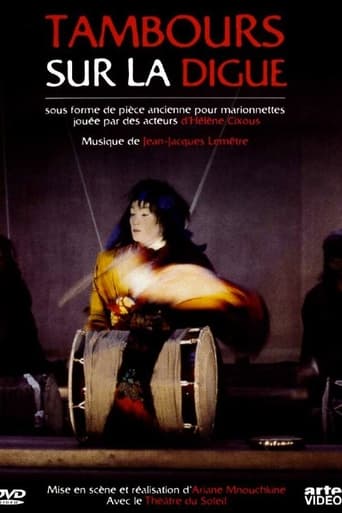
Based on the play by Hélène Cixous, filmed in 2002, Tambours sur la Digue is a story written by Hélène Cixous based on an ancient Asian fable about who shall be saved during a flood and presented by live actors as puppets and puppeteers, evoking the theatrical traditions of Japanese Noh and bunraku.
The Flood Drummers
2003
 9.0
To get beaten or give a beating, to beat oneself up. To beat the odds. Metal is forged by beating. Birds beat their wings, the sun beats down, and our hearts - Under this central trope of 'beating', with its combined negative and positive implications, the film brings together the individual personally lived and the communal, historic perspective; hatred and forgiveness; laughing and crying.
beating
1994