
Acting
Eduardo Notari
Born — Died
1903-01-01 — 1986-12-31
Place of birth
Naples, Italy
Known for
Acting
Credits
44 titles
Eduardo Notari (1903–1986) was an Italian film actor of the silent era. Notari came from Naples, and most of the films he starred in were set in or around the city. His parent Elvira Notari and Nicola Notari ran the Dora Film studio. He began his career in 1912 as one of the first professional child actors in Italy. From Wikipedia, the free encyclopedia
Known for
 5.8
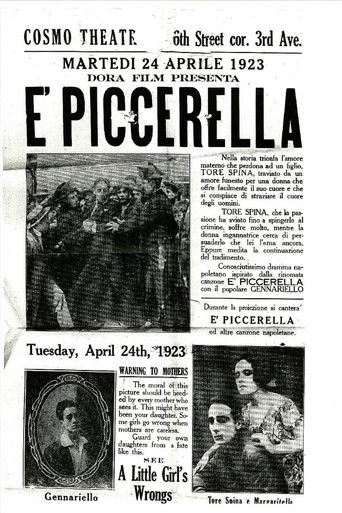
5.8In order to conquer Margaretella with expensive presents, a young man called Tore steals his mother's jewels but Margaretella seems to prefer Carluccio who challenges Tore to a duel and wounds him. Forgiven by his mother just before she dies, Tore takes revenge by killing Margaretella, but even in prison he can't stop thinking to his victim.
È piccerella
1922
Lost Dora Film production
The House Spirit
1921
Lost Dora Film production based on the hagiographical tale of Saint Pellegrino
Christian Triumph
1930
Lost Gennariello Film production based on the song "Piange Pierrot" by Cesare Andrea Bixio
Pierrot Cries
1924
 5.5
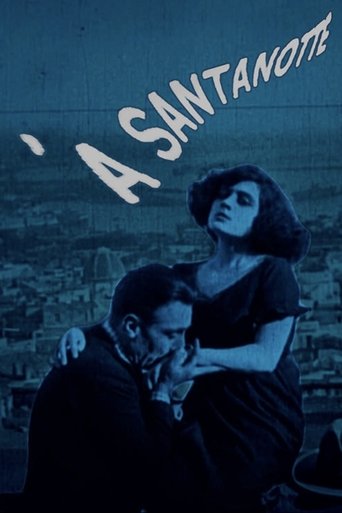
5.5Nanninella, a young girl, is exploited and abused by her father, whom she maintains with her waitress salary. She falls madly in love with Tore, a handsome and upright man, whose friend Carluccio plots to have Nanninella for himself. Based on a popular Neapolitan song, ‘A Santanotte is the earliest extant feature film by Elvira Notari, Italy's first and most prolific female filmmaker.
'A Santanotte
1922
Maria, a destitute madwoman dies in a fire at the insane asylum. The unwanted corpse of her is donated to the academy for an anatomy lesson. The film ends in the anatomy dissection theatre, where the female body lies on the table surrounded by male doctors and students.
Urchins
1917
Film credits
1930s · 1 titles
1920s · 23 titles
5.8In order to conquer Margaretella with expensive presents, a young man called Tore steals his mother's jewels but Margaretella seems to prefer Carluccio who challenges Tore to a duel and wounds him. Forgiven by his mother just before she dies, Tore takes revenge by killing Margaretella, but even in prison he can't stop thinking to his victim.
È piccerella
1922
Lost Dora Film production
The House Spirit
1921
Lost Gennariello Film production based on the song "Piange Pierrot" by Cesare Andrea Bixio
Pierrot Cries
1924
5.5Nanninella, a young girl, is exploited and abused by her father, whom she maintains with her waitress salary. She falls madly in love with Tore, a handsome and upright man, whose friend Carluccio plots to have Nanninella for himself. Based on a popular Neapolitan song, ‘A Santanotte is the earliest extant feature film by Elvira Notari, Italy's first and most prolific female filmmaker.
'A Santanotte
1922
Lost Dora Film production
At Piedigrotta
1920
Lost Dora Film production
Luciella
1922
 NR
NRLost Dora Film production based on a Neapolitan popular song
Infamous Woman
1925
Lost Dora Film production
Mary the Crazy Woman
1922
Only a fragment of this film survives (175m from the original 1820m).
L'Italia s'è desta
1927
Lost Dora Film based on the song "Carcere" by Libero Bovio
Beneath the Prison
1923
Lost Gennariello Films production
Gennariello the Policeman
1922
Lost Dora Film remake of the homonymous 1913 film
At Marechiaro There is a Window
1924
Lost Dora Film production under the subsidiary studio "Gennariello Films"
Gennariello the Son of the Convict
1921
Lost Dora Film production
The Carriage of Death
1924
Lost Dora Film production based on the 1853 drama "Gabriele il lampionaio di porto" by Nicola de Lise
Gabriele the Lamplighter of the Harbor
1920
Lost Dora Film production
Naples, Singing Mermaid
1929
Lost Dora Film based on the 1902 text by Libero Bovio
The New Criminal Underworld
1921
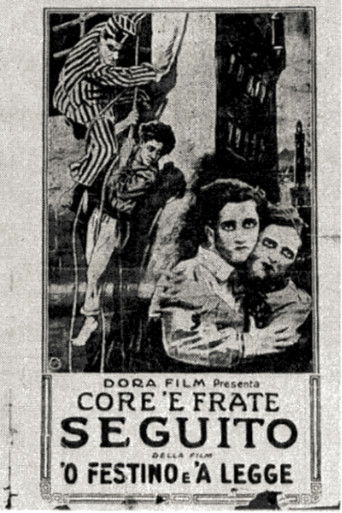
Lost Dora Film production based on the songs "'O Festino" and "'A legge" by Pacifico Vento
The Feast and the Law
1921
Lost Dora Film production
Naples, Land of Love
1929
Lost Dora Film production based on the novel "La Medea di Porta Medina" (1882) by Francesco Mastriani
The Medea of Porta Medina
1920
 9.0
9.0No synopsis available yet.
Brother's Heart
1924
Lost Dora Film production
Get a Lawyer
1925
A feature film by Elvira Notari, Italy's earliest and most prolific female filmmaker.
Soldier's Fantasy
1927
1910s · 20 titles
Maria, a destitute madwoman dies in a fire at the insane asylum. The unwanted corpse of her is donated to the academy for an anatomy lesson. The film ends in the anatomy dissection theatre, where the female body lies on the table surrounded by male doctors and students.
Urchins
1917
Lost Dora Film based on the 1906 song of the same title by Salvatore Gambardella, with music by Ernesto Murolo.
Angry Posillipo
1919
Lost Film Dora production
Nomadic People
1912
 NR
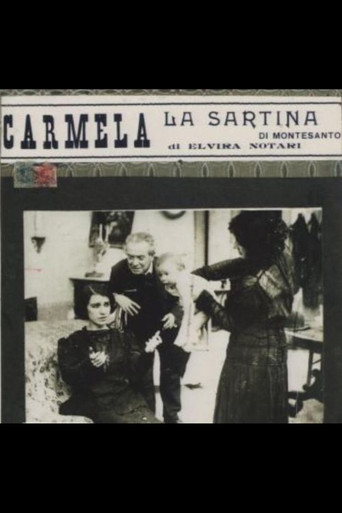
NRCarmela becomes the obsession of the young Count Luigi, heir to the recently deceased's estate, who moves into the decrepit villa nearby. The count is an inveterate womanizer and ends up snatching Carmela from her boyfriend, deceiving her with his lies. Wounded in a duel over another woman, the nobleman is assisted night and day by Carmela, who witnesses a number of moments of delirium in which the man accuses the butler, Giangrande, of an unspecified blunder.
Carmela the Dressmaker of Montesanto
1916
No synopsis available yet.
Farewell, My Dear, Farewell... the Army is Going
1915
Based on the song "A Marechiare" by Francesco Paolo Tosti
At Marechiaro There is a Window
1913
Lost Dora Film production based on the novel by Francesco Mastriani
Ciccio, the Pizzamaker of Carmine
1917
Lost Dora Film based on a novel by Carolina Invernizio
Chiarina the Milliner
1919
Lost Film Dora production possibly featuring Elvira Notari herself
Heroism of an Aviator in tripoli
1912
Lost Dora FIlm based on the novel "Il barcaiulo d'Amalfi" (1882) by Francesco Mastriani
The Boatman of Amalfi
1918
Lost Dora Film production
The Mask of Vice
1917
Lost Film Dora production
Poor Consumptive! Poor Mother!
1913
Probably based on a short story by Roberto Bracco
Escape of the Cat
1910
Lost Dora Film based on the novel "Raffaella o i misteri del vecchio mercato" (1905) by Carolina Invernizio
The Red Dwarf
1917
 NR
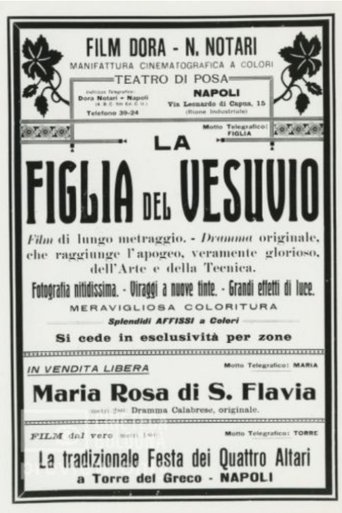
NRFilm Dora production possibly featuring Elvira Notari
The Daughter of Vesuvius
1912
Lost Dora Film production
Son of the Regiment
1915
Lost Dora Film production
Glory to the Fallen Soldiers
1916
Lost Dora Film production
Forward, Savoia
1915
 NR
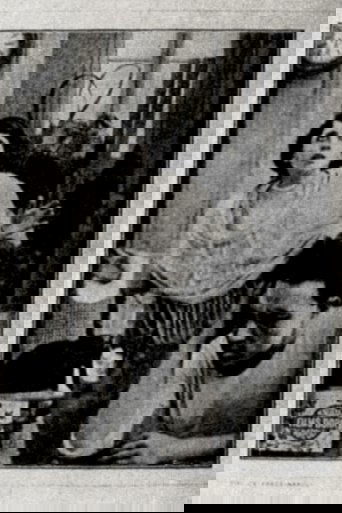
NRLost Film Dora production
Return to the Wave
1912
Lost Dora Film based on the drama "Gnesella" (1899) by Francesco Gabriele Starace
Gnesella
1919