
Known for
 7.7
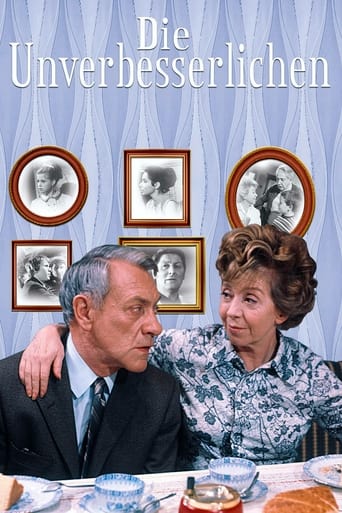
7.7Die Unverbesserlichen is a German television series.
Die Unverbesserlichen
1965
No synopsis available yet.
Familie Bergmann
1969
 8.0
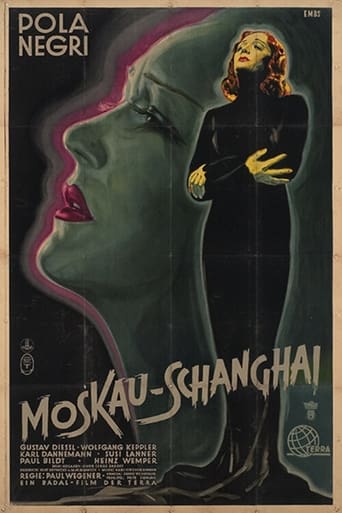
8.0Spanning the years between the Bolshevik Revolution and 1930, this Negri vehicle focuses on an exiled Russian noblewoman who has lost track of her daughter and of a young officer she pined for.Until she finds them both again and together.
Moscow Shanghai
1936
 7.0
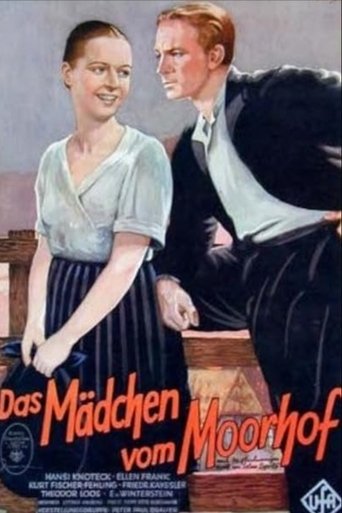
7.0A farm boy betrothed to a socialite falls in love with his maid - an impoverished girl from the marsh.
The Girl from the Marsh Croft
1935
A waitress takes all the gossip of a small town on the Rhine in stride, in spite of a distinguished composer being a loving husband and father for her illegitimate child.
Kornblumenblau
1939
No synopsis available yet.
Zwei glückliche Tage
1932
Film credits
1970s · 2 titles
No synopsis available yet.
Zwei Briefe an Pospischiel
1971
Frau Kutzer und andere Bewohner der Naunystraße features the war-widow Frau Kutzer, the philosopher-guest worker Niyazi, as well as other characters passing through the street. The street itself bears silent witness to the deferred good life of the laborer. If Germany is “a little America,” as the narrator tells us, could there have been a “German Dream” for the migrant worker? Or is Berlin-Kreuzberg rather the site of an ongoing nightmare filled with the specters of Germany’s past? How do stories of place and of people converge on Naunystrasse? And how does this documentary speak to us today?
Frau Kutzer und andere Bewohner der Naunynstraße
1973
1960s · 2 titles
1940s · 4 titles
 8.0
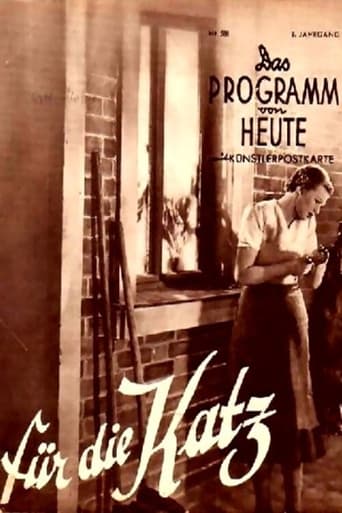
8.0He who loves, torments himself: This turn of phrase works for the big farmer Gerd Tapken and his landlady Katrin Geerken. For more than 30 years, the two have fought at every opportunity, although they secretly love one another. But things seem to have come to a serious breach when Tapken shoots Katrin’s cat, because it allegedly ate three of his hens. The woman is so enraged over this brutality, that she contacts her lawyer. Thus begins a court case, in which the farmer might be fined or even go to jail!
Für die Katz'
1940
Movie based on the novel by Christel Broehl-Delhaes
Aus erster Ehe
1940
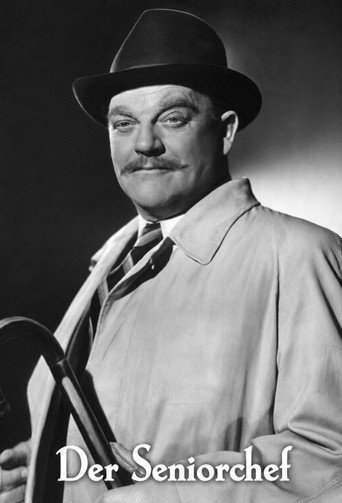 9.0
9.0A horse trader from Berlin, once a farmer in Southwest Africa, manages to drive his children out of the house and anger his wife. After serious complications with his heart, which he tried to hide at first, he realizes how much he needs the love and support of his family. The oldest son returns from Argentina and proves his abilities.
The Old Boss
1942
 8.0
8.0Musician Eduard Boeckel wants to settle down and marries laundry owner Lisbeth Timm. He brings his friend August Garfs into the marriage, and the housekeeper Alwine quickly sets her sights on him. In his new position, Boeckel invents a laundry detergent with unfortunately disastrous consequences: the laundry becomes brittle, and the first major marital spat ensues. Eduard flees to his fellow musicians, gets drunk, and seeks solace with Alwine. When she drives him away, he returns contritely to his wife, who forgives him. And now she also knows what is truly wrong with their marriage: her Eduard misses his profession. From now on, he makes music, and she does the laundry.
Weiße Wäsche
1942
1930s · 17 titles
8.0Spanning the years between the Bolshevik Revolution and 1930, this Negri vehicle focuses on an exiled Russian noblewoman who has lost track of her daughter and of a young officer she pined for.Until she finds them both again and together.
Moscow Shanghai
1936
7.0A farm boy betrothed to a socialite falls in love with his maid - an impoverished girl from the marsh.
The Girl from the Marsh Croft
1935
A waitress takes all the gossip of a small town on the Rhine in stride, in spite of a distinguished composer being a loving husband and father for her illegitimate child.
Kornblumenblau
1939
No synopsis available yet.
Zwei glückliche Tage
1932
 6.2
6.2Businessman and shameless social climber, Julius Lampe, is subjected to a cruel April Fools’ Day prank when he is led to believe a noble prince intends to personally inspect his pasta factory.
April, April!
1935
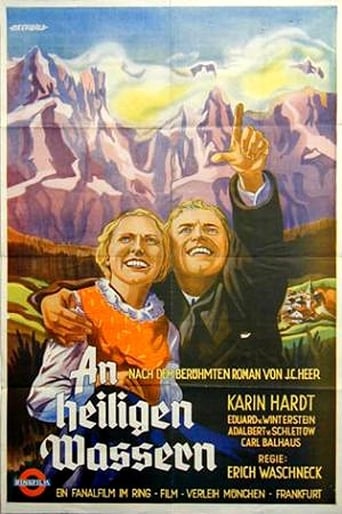 10.0
10.0For centuries, the water supply of a mountain village has depended on an endangered, wooden water pipe. The young engineer Josi blows a channel in the rock. After initial resistance, the villagers are excited about it. The film was based on a novel by Jakob Christoph Heer.
Sacred Waters
1932
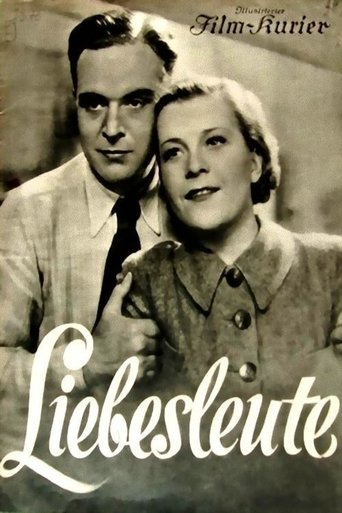 5.8
5.8Baron von Goret is an impoverished landowner, whose estate is about to go into receivership. And so, for that reason, he wishes to marry off his son Hermann with his well-off girlfriend Helga. But Hermann is in love with the farmer’s daughter Dorothea. He leaves his father’s estate with her and makes his way to Berlin to make a name for himself. He’s not successful in this and, so as not to stand in his way, Dorothea leaves him. Hermann’s aunt brings him back to his father’s estate, where, depressed over losing Dorothea, works tirelessly to clear the estate of all its debts.
Liebesleute
1935
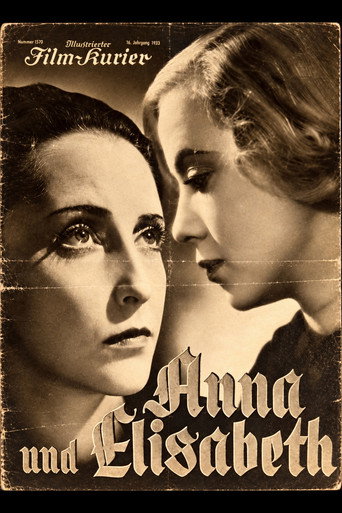 4.4
4.4The two main people in the story are Anna, a young girl, who is thought of having the ability to heal people mysteriously. Elisabeth is a young - middle aged aristocratic woman, that is disabled and puts all her hopes in meeting Anna and having her disability heal by her. A strange ambivalent relationship develops between the two women.
Anna and Elizabeth
1933
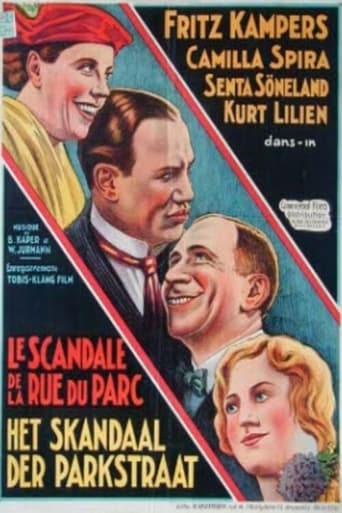 7.0
7.0No synopsis available yet.
Skandal in der Parkstraße
1932
No synopsis available yet.
Ein Kind, ein Hund, ein Vagabund
1934
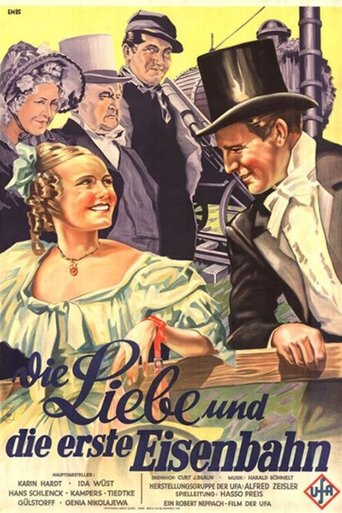 5.8
5.8'Love and the First Railway' is what this movie's title would mean in English. This is one of those films that depicts fictional characters participating in an historic incident. The actual first railway was built in England, of course. But according to this movie, the first railway (in Germany, at least) was built from Berlin to Potsdam, in 1838. I haven't the faintest idea if that's correct, but the people who made this movie do seem to take a great deal of interest in historical accuracy, so I'll take their word for it. Anyway, a title at the beginning establishes that this movie is set in 1838.
Love and the First Railroad
1934
1938 German film.
Was tun, Sybille?
1938
No synopsis available yet.
Die Nacht im Forsthaus
1933
No synopsis available yet.
Die fremde Frau
1939
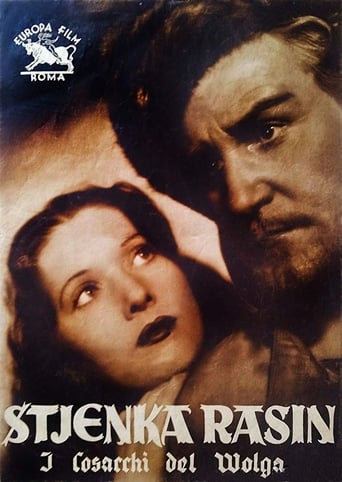 8.0
8.0Russia, 1667: The Cossacks, led by Rasin, are ill-treated by Prince Dolgoruki who arrests and sentences Rasin to forced labor on the ship that brings the Prince and his daughter to her arranged wedding. But the Princess falls for Rasin.
Stjenka Rasin
1936
 7.5
7.5Winemaker Peter Vierkottel and his son Bartel love to talk about their wines, which Anna, Peter's wife, doesn't get off on, because she controls the family money. She wants order and to marry off her son to Binchen, the daughter of the gardener Jupp Spriestersbach. The problem is Binchen has long had her eyes on the young gardener Bock.
The Embarrassment Child
1938
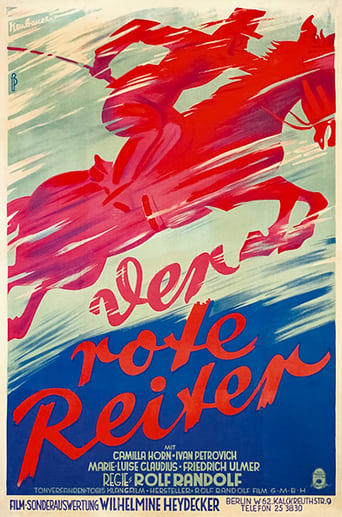 10.0
10.0No synopsis available yet.
The Red Rider
1935