
Acting
Mehtab
Born — Died
1918-04-28 — 1997-04-10
Place of birth
Sachīn, Surat, India
Known for
Acting
Credits
15 titles
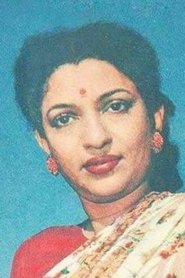
Mehtab, born Najma Khan, was an Indian actress of Hindi/Urdu films who worked from 1928 to 1969.
Known for
 7.0
Aziz, an unemployed graduate, turns to crime after his brother’s death and ends up in prison. Years later, he escapes, becomes a gang leader, and unknowingly falls in love with his long-lost sister, leading to a tragic confrontation with the police.
Qaidi
1940
 10.0
A classic modernization melodrama exploring the consequences of female autonomy.
Miss 1933
1933
 9.0
"Journeys End" a traditional tale told by one of the pioneers in Indian cinema, Jaddanbai Hussain (1892-1949).
Jeevan Swapna
1937
 9.0
A mythological tale tells the cherished tale of Lord Krishna, the divine king of Dwarka, and his impoverished childhood friend, Sudama. Despite their vastly different lives, their pure bond of friendship endures. The story portrays Sudama's reluctant visit to Dwarka and Krishna's miraculous, selfless blessing upon his devoted friend.
Krishna Sudama
1933
 7.0
A class division melodrama centred on Mehtab’s histrionics. Kiran (Mehtab) is the daughter of a courtesan. Her lowly origins first destroy her marriage and then threaten to jeopardise her son Prakash’s (Singh) ambitions. She is blackmailed for keeping her son’s parentage a secret from him, forcing her to return to her ancestral profession. The film was a commercial success.
Parakh
1944
 9.0
A man is executed for a crime he did not commit. Is his ghost seeking revenge?
Ek Hi Bhool
1940
Film credits
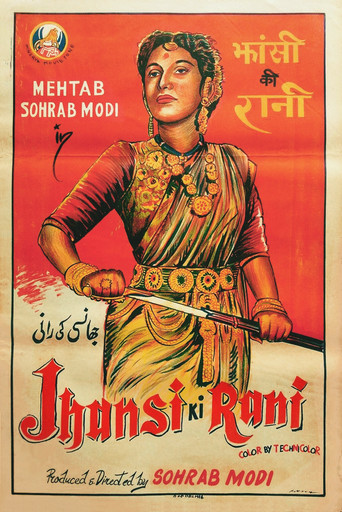
1940s · 8 titles
7.0Aziz, an unemployed graduate, turns to crime after his brother’s death and ends up in prison. Years later, he escapes, becomes a gang leader, and unknowingly falls in love with his long-lost sister, leading to a tragic confrontation with the police.
Qaidi
1940
7.0A class division melodrama centred on Mehtab’s histrionics. Kiran (Mehtab) is the daughter of a courtesan. Her lowly origins first destroy her marriage and then threaten to jeopardise her son Prakash’s (Singh) ambitions. She is blackmailed for keeping her son’s parentage a secret from him, forcing her to return to her ancestral profession. The film was a commercial success.
Parakh
1944
9.0A man is executed for a crime he did not commit. Is his ghost seeking revenge?
Ek Hi Bhool
1940
 8.0
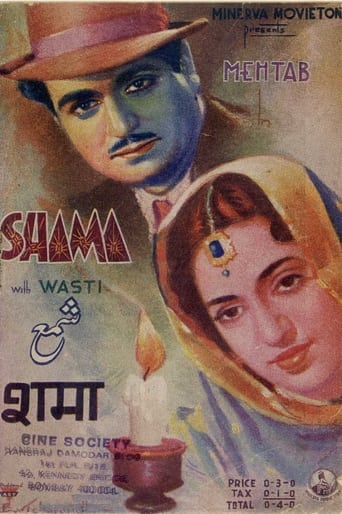
Film starring Mehtab and Wasti.
Shama
1946
 10.0
Chitralekha is a 1941 Indian Hindi-language film, directed by Kidar Sharma and based on the 1934 Hindi novel of the same name by Bhagwati Charan Verma.
Chitralekha
1941
 8.0
Desperate for work, Deepak's accidental impersonation of a rich man leads to unexpected romance with Bina. But when his secret unravels, it shatters alliances and leaves hearts broken. Discover if love can truly conquer all, even after a grand deception.
Sharda
1942
 10.0
A commoner and a noblewoman fall in love after he saves her from a fire, but her father is against their marriage.
Ek Din Ka Sultan
1945
 9.0
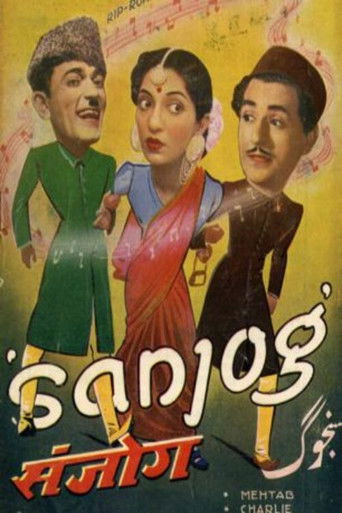
Deepak goes for an interview and mistaken as possible groom for Rajasaheb's daughter Bina. They fall in love but afraid of dire consequences Deepak runs away. They meet again and Rajasaheb get Bina married off to Deepak.
Sanjog
1943
1930s · 5 titles
10.0A classic modernization melodrama exploring the consequences of female autonomy.
Miss 1933
1933
9.0"Journeys End" a traditional tale told by one of the pioneers in Indian cinema, Jaddanbai Hussain (1892-1949).
Jeevan Swapna
1937
9.0A mythological tale tells the cherished tale of Lord Krishna, the divine king of Dwarka, and his impoverished childhood friend, Sudama. Despite their vastly different lives, their pure bond of friendship endures. The story portrays Sudama's reluctant visit to Dwarka and Krishna's miraculous, selfless blessing upon his devoted friend.
Krishna Sudama
1933
 9.0
The first Gujarati feature film is a saint film about the life of Narasinh Mehta (1408-75), played by Master Manhar. Mehta is known for his evocative Prabhatiyan (morning hymns) and especially for his composition Vaishnava jana to ('The Vaishnav is he who knows the pain of others') made popular by Gandhi, who also adapted the poet's term Harijan (children of god) for the nation's Untouchables. The film adheres to the Gandhian interpretation of Narasinh Mehta's work, avoiding e.g. miracle scenes.
Narasinh Mehta
1932
 9.0
"Moti Ka Haar" (1937), also known as "Pearl Necklace," is an early Hindi film directed by Jaddanbai, a pioneering woman in Indian cinema. Classified as both a fantasy and a social film, its plot likely explores the significance of a pearl necklace within a narrative that touches upon societal themes of the era. Featuring actors like Mehtab and a young Nargis, this film is a notable example from the nascent stages of Indian talkies.
Pearl Necklace
1937
