
Acting
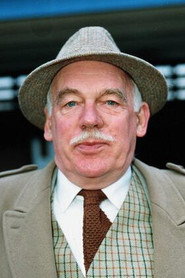
Arthur Pentelow
Born — Died
1924-02-14 — 1991-08-06
Place of birth
Rochdale, Lancashire, England, UK
Known for
Acting
Credits
49 titles
Known for
 5.3
5.3The residents of Coronation Street are ordinary, working-class people, and the show follows them through regular social and family interactions at home, in the workplace, and in their local pub, the Rovers Return Inn. Britain's longest-running soap.
Coronation Street
1960
 4.3
4.3The lives of several families in the Yorkshire Dales revolve around a farm and the nearby village. With murders, affairs, lies, deceit, laughter and tears, it's all there in the village.
Emmerdale
1972
 6.6
6.6Play for Today is a British television anthology drama series, produced by the BBC and transmitted on BBC1 from 1970 to 1984. During the run, more than three hundred programmes, featuring original television plays, and adaptations of stage plays and novels, were transmitted. The individual episodes were between fifty and a hundred minutes in duration.
Play for Today
1970
 7.8
7.8A quirky spy show of the adventures of eccentrically suave British Agent John Steed and his predominantly female partners. Jonathan Steed - an urbane, proper gentleman spy - teams with various assistants throughout the series' run, including Dr. David Keel, Cathy Gale, Emma Peel and Tara King, to repeatedly save the world from diabolical schemes plotted by equally diabolical evil-doers (among them robots and man-eating monsters).
The Avengers
1961
 7.0
7.0ITV Playhouse is a British comedy-drama TV series that ran from 1967 to 1983, which featured contributions from playwrights such as Dennis Potter, Rhys Adrian and Alan Sharp. The series began in black and white, but was later shot in colour and was produced by various companies for the ITV network, a format that would inspire Dramarama. Actors appearing in the series included Leslie Anderson, Gwen Nelson, Ricky Alleyne, Pat Heywood, Michael Elphick, Ian Hendry, Edward Woodward, Margaret Lockwood, Jessie Matthews and Lloyd Peters.
ITV Playhouse
1967
 7.2
7.2Theatre 625 is a British television drama anthology series, produced by the BBC and transmitted on BBC2 from 1964 to 1968. It was one of the first regular programmes in the line-up of the channel, and the title referred to its production and transmission being in the higher-definition 625-line format, which only BBC2 used at the time.
Theatre 625
1964
Film credits
1970s · 4 titles
 NR
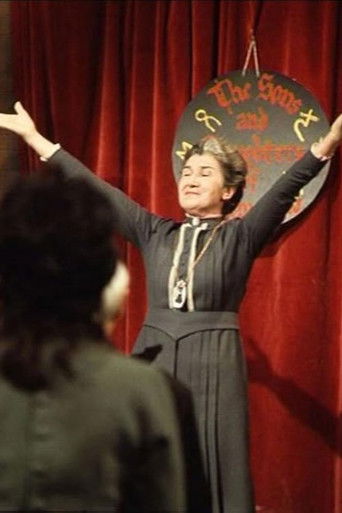
NRThe small East Anglian village of Plampton has one distinction - a famous unsolved murder. A cynical journalist decides to go there to see what he can stir up. But Plampton is a community linked by telepathy and led by a witch.
The Sons and Daughters of Tomorrow
1971
Set in the 19th-century in France Georges Duroy cynically exploits women and his position working as a journalist to try and gain power.
Bel Ami
1971
 9.0
9.0A quick drink in the buffet before going home. Freddie's nerves are taking a hammering lately; the economy is in dire trouble and who can blame a businessman for the occasional drink? His wife and mistress for a start.
Buffet
1976
 6.0
6.0A short film on telephone etiquette in business and in the office.
The Telephone at Work
1972
1960s · 5 titles
 6.6
6.6Charlie Bubbles, a writer, up from the working class of Manchester, England, who, in the course of becoming prematurely rich and famous, has mislaid a writer's basic tool – the capacity to feel and to respond. Now he must visit his estranged wife and son, whom he has set up on a farm outside his native city. His journey accidentally becomes an attempt to reestablish his connections with life, people, and his own history.
Charlie Bubbles
1968
 6.1
6.1Some time in the future, East and West have stopped maintaining standing armies and nuclear weapons. Instead, to settle their differences they pit different teams of crack combat specialists against each other.
The Gladiators
1969
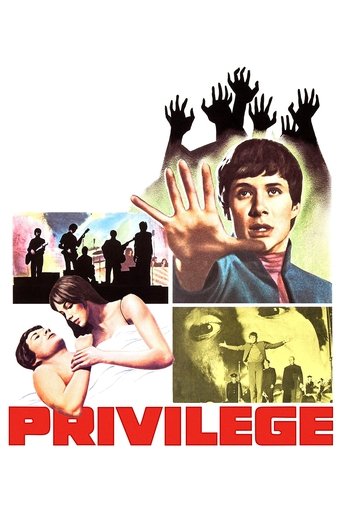 6.7
6.7Britain's biggest pop singer, Steven Shorter, receives unwavering adulation and possesses total control over his rabid fans, which includes nearly the entire population. Yet Shorter is not an autonomous performer -- he is little more than a puppet for the government, promoting whatever agenda they see fit. When a beautiful artist, Vanessa Ritchie, is commissioned to paint his portrait, she pushes Shorter to question his obedience to his manipulative handlers.
Privilege
1967
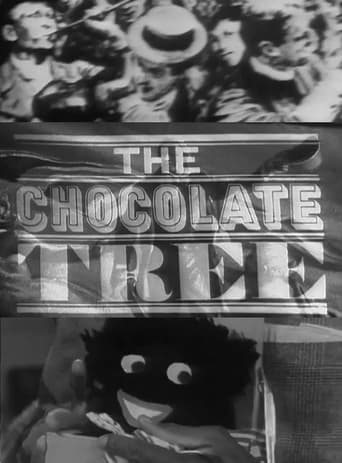 NR
NRAs independence for Africa draws near, a wealthy British trading family welcomes a future president of one country into their home, in an uneasy conversation that is tinged by condescension and racism, grudges and militant anger.
The Chocolate Tree
1963
Elizabeth Cane arrives in Mexico and starts to take an interest in a bull fighter, but he can find only contempt for this refined American woman and what she represents.
None of That
1967
Series credits
5.3The residents of Coronation Street are ordinary, working-class people, and the show follows them through regular social and family interactions at home, in the workplace, and in their local pub, the Rovers Return Inn. Britain's longest-running soap.
Coronation Street
1960
5.3The residents of Coronation Street are ordinary, working-class people, and the show follows them through regular social and family interactions at home, in the workplace, and in their local pub, the Rovers Return Inn. Britain's longest-running soap.
Coronation Street
1960
4.3The lives of several families in the Yorkshire Dales revolve around a farm and the nearby village. With murders, affairs, lies, deceit, laughter and tears, it's all there in the village.
Emmerdale
1972
6.6Play for Today is a British television anthology drama series, produced by the BBC and transmitted on BBC1 from 1970 to 1984. During the run, more than three hundred programmes, featuring original television plays, and adaptations of stage plays and novels, were transmitted. The individual episodes were between fifty and a hundred minutes in duration.
Play for Today
1970
7.8A quirky spy show of the adventures of eccentrically suave British Agent John Steed and his predominantly female partners. Jonathan Steed - an urbane, proper gentleman spy - teams with various assistants throughout the series' run, including Dr. David Keel, Cathy Gale, Emma Peel and Tara King, to repeatedly save the world from diabolical schemes plotted by equally diabolical evil-doers (among them robots and man-eating monsters).
The Avengers
1961
7.0ITV Playhouse is a British comedy-drama TV series that ran from 1967 to 1983, which featured contributions from playwrights such as Dennis Potter, Rhys Adrian and Alan Sharp. The series began in black and white, but was later shot in colour and was produced by various companies for the ITV network, a format that would inspire Dramarama. Actors appearing in the series included Leslie Anderson, Gwen Nelson, Ricky Alleyne, Pat Heywood, Michael Elphick, Ian Hendry, Edward Woodward, Margaret Lockwood, Jessie Matthews and Lloyd Peters.
ITV Playhouse
1967
7.2Theatre 625 is a British television drama anthology series, produced by the BBC and transmitted on BBC2 from 1964 to 1968. It was one of the first regular programmes in the line-up of the channel, and the title referred to its production and transmission being in the higher-definition 625-line format, which only BBC2 used at the time.
Theatre 625
1964
7.2Theatre 625 is a British television drama anthology series, produced by the BBC and transmitted on BBC2 from 1964 to 1968. It was one of the first regular programmes in the line-up of the channel, and the title referred to its production and transmission being in the higher-definition 625-line format, which only BBC2 used at the time.
Theatre 625
1964
7.2Theatre 625 is a British television drama anthology series, produced by the BBC and transmitted on BBC2 from 1964 to 1968. It was one of the first regular programmes in the line-up of the channel, and the title referred to its production and transmission being in the higher-definition 625-line format, which only BBC2 used at the time.
Theatre 625
1964
 4.2
4.2An anthology of short plays shown on BBC Television between 1965 and 1973, used in part at least as a training ground for new writers, on account of its short length, and which therefore attracted many writers who later became well known.
Thirty-Minute Theatre
1965
BBC anthology drama series that ran over four seasons and replaced the previous BBC Sunday Night Theatre series.
Sunday-Night Play
1960
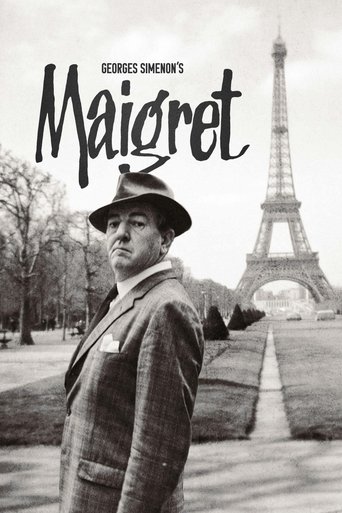 7.1
7.1BBC series based on the novels by Georges Simenon which starred Rupert Davies as Inspector Maigret, a French police detective who preferred to watch and listen in order to solve crimes. The series ran from 1960-63 on British television.
Maigret
1960
7.1BBC series based on the novels by Georges Simenon which starred Rupert Davies as Inspector Maigret, a French police detective who preferred to watch and listen in order to solve crimes. The series ran from 1960-63 on British television.
Maigret
1960
 7.5
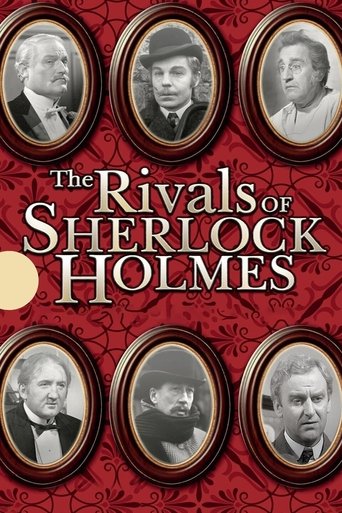
7.5An anthology series produced by Thames Television, comprised of short mystery, suspense or crime adaptations featuring, as the title suggests, detectives who were literary contemporaries of Arthur Conan Doyle's Sherlock Holmes.
The Rivals of Sherlock Holmes
1971
 7.3
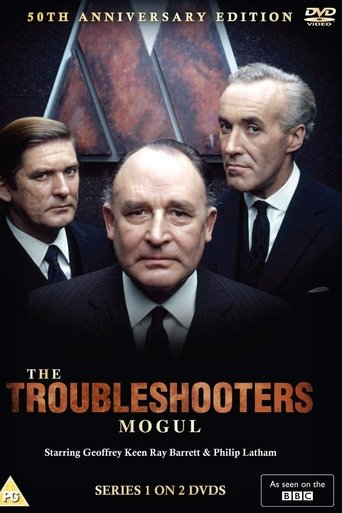
7.3The Troubleshooters is a British television series made by the BBC between 1965 and 1972, created by John Elliot. During its run, the series made the transition from black and white to colour transmissions. The series was based around an international oil company – the "Mogul" of the title. The first series was mostly concerned with the internal politics within the Mogul organisation, with episodes revolving around industrial espionage, internal fraud and negligence almost leading to an accident on a North Sea oil rig.
The Troubleshooters
1965
7.3The Troubleshooters is a British television series made by the BBC between 1965 and 1972, created by John Elliot. During its run, the series made the transition from black and white to colour transmissions. The series was based around an international oil company – the "Mogul" of the title. The first series was mostly concerned with the internal politics within the Mogul organisation, with episodes revolving around industrial espionage, internal fraud and negligence almost leading to an accident on a North Sea oil rig.
The Troubleshooters
1965
7.3The Troubleshooters is a British television series made by the BBC between 1965 and 1972, created by John Elliot. During its run, the series made the transition from black and white to colour transmissions. The series was based around an international oil company – the "Mogul" of the title. The first series was mostly concerned with the internal politics within the Mogul organisation, with episodes revolving around industrial espionage, internal fraud and negligence almost leading to an accident on a North Sea oil rig.
The Troubleshooters
1965
7.3The Troubleshooters is a British television series made by the BBC between 1965 and 1972, created by John Elliot. During its run, the series made the transition from black and white to colour transmissions. The series was based around an international oil company – the "Mogul" of the title. The first series was mostly concerned with the internal politics within the Mogul organisation, with episodes revolving around industrial espionage, internal fraud and negligence almost leading to an accident on a North Sea oil rig.
The Troubleshooters
1965
 7.1
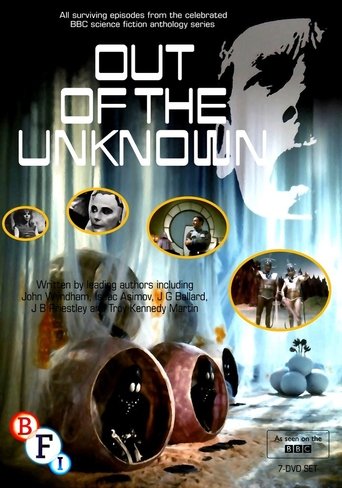
7.1Out of the Unknown is a British television science fiction anthology drama series, produced by the BBC and broadcast on BBC2 in four series between 1965 and 1971. Each episode was a dramatisation of a science fiction short story; some were created for the series, but most were adaptations of already published stories. The first three years were exclusively science fiction, but that genre was abandoned in the final year in favour of horror and fantasy. A number of episodes were wiped during the early 1970s, as was standard procedure at the time.
Out of the Unknown
1965
 8.2
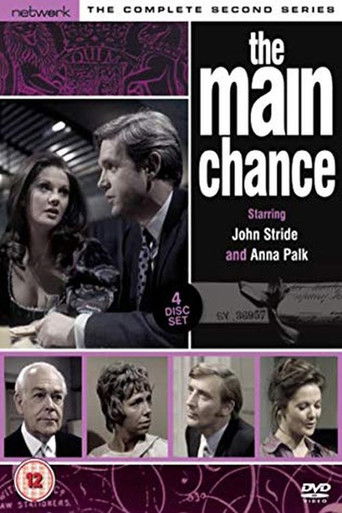
8.2The Main Chance was a British television series which first aired on ITV between 1969,1970,1972 and 1975. A drama, it depicts the sudden transformation in the life of solicitor David Main who relocates from London to Leeds.
The Main Chance
1969
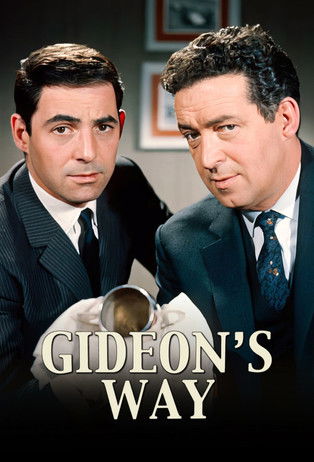 7.0
7.0Gideon's Way is a British television crime series made by ITC Entertainment in 1964/65, based on the novels by John Creasey. The series was made at Elstree in twin production with The Saint TV series. It starred Liverpudlian John Gregson in the title role as Commander George Gideon of Scotland Yard, with Alexander Davion as his assistant, Detective Chief Inspector David Keen, Reginald Jessup as Det. Superintendent LeMaitre, Ian Rossiter as Detective Chief Superintendent Joe Bell and Basil Dignam as Commissioner Scott-Marle. The show did not acknowledge any help from Scotland Yard, any other police force or advisor. Daphne Anderson starred as his wife, Kate with Giles Watling as young son, Malcolm, Richard James as older son, Matthew who seemed to have a lot of new girlfriends and Andrea Allan as daughter, Pru. Unusually for police stories, Gideon was shown as a family man at home though urgent phone calls from his bosses tend to disrupt family plans too often. However, he did admit in "State Visit" that his wife had walked out on him for a while years ago when he put the job first and her second. They live in an expensive detached house in Chelsea.
Gideon's Way
1965
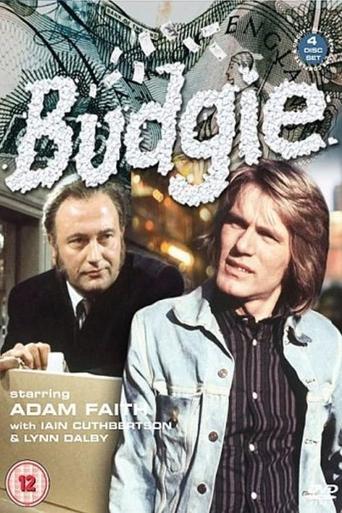 7.2
7.2Budgie is a popular British television series starring former popstar Adam Faith which was produced by ITV company London Weekend Television and broadcast on the ITV network between 1971 and 1972. The series was created by Keith Waterhouse and Willis Hall . The show was produced by Verity Lambert, Rex Firkin was the Executive producer.
Budgie
1971
Story Parade specialized in adaptations of modern novels. It was broadcast on June 5, 1964 and repeated on August 28, 1964. The teleplay was by Terry Nation (who invented "Blake's 7" and the Daleks in Dr. Who), and Elijah Baley was played by the late Peter Cushing. It also starred John Carson John Carson as R. Daneel Olivaw and Kenneth J. Warren. The master tapes of the program were erased, however a few clips from the production have turned up in various documentaries about Isaac Asimov's work.
Story Parade
1964
Story Parade specialized in adaptations of modern novels. It was broadcast on June 5, 1964 and repeated on August 28, 1964. The teleplay was by Terry Nation (who invented "Blake's 7" and the Daleks in Dr. Who), and Elijah Baley was played by the late Peter Cushing. It also starred John Carson John Carson as R. Daneel Olivaw and Kenneth J. Warren. The master tapes of the program were erased, however a few clips from the production have turned up in various documentaries about Isaac Asimov's work.
Story Parade
1964
Story Parade specialized in adaptations of modern novels. It was broadcast on June 5, 1964 and repeated on August 28, 1964. The teleplay was by Terry Nation (who invented "Blake's 7" and the Daleks in Dr. Who), and Elijah Baley was played by the late Peter Cushing. It also starred John Carson John Carson as R. Daneel Olivaw and Kenneth J. Warren. The master tapes of the program were erased, however a few clips from the production have turned up in various documentaries about Isaac Asimov's work.
Story Parade
1964
An anthology of single plays offering up adaptations of either of prominent stage plays or novels.
Festival
1963
 6.7
6.7Anthology series telling suspenseful tales.
Suspense
1962
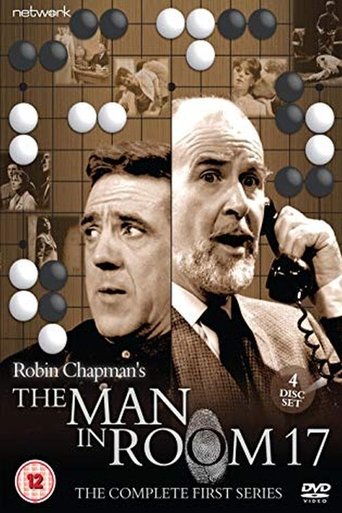 6.2
6.2The Man in Room 17 is a British television series which ran for two seasons in the mid-1960s, produced by the Northern ITV franchise, Granada Television. Key to the series' success was the involvement of writer/producer Robin Chapman. The show was set in Room 17 of the Department of Social Research, where former wartime agent-turned-criminologist Edwin Oldenshaw solved difficult police cases through theory and discussions with his assistants. The novelty of the series was that Oldenshaw and his colleagues never needed to leave their office in order to resolve cases, preferring to spend their time playing the Japanese board game of Go. They simply provided their prognosis and left the police to do the cleaning up. Different directors were often appointed to film the Room 17 and outside-world scenes independently, to maintain a sense of distance between the two worlds.
The Man in Room 17
1965
 8.0
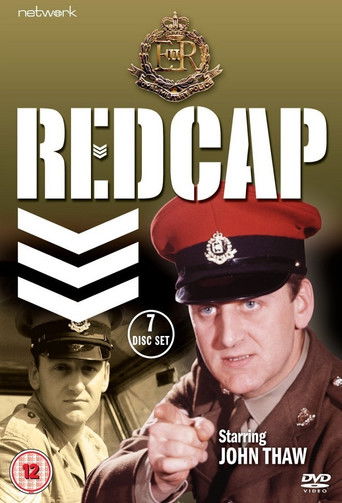
8.0Redcap is a British television series produced by ABC Weekend Television for ITV. John Thaw stars as Sergeant John Mann, a member of the Special Investigation Branch of the Royal Military Police. It ran for 26 episodes over two series between 1964 and 1966, being about 50 minutes in a 60 minute time slot. Surprisingly for a 1960s ABC Weekend Television programme, 23 of the 26 episodes still exist.
Redcap
1964
 9.0
9.0A BBC anthology series featuring adaptations of detective stories over 45 episodes in three seasons that ran from 1964 to 1969. As with many BBC programmes made before the early 1970s, many of its episodes no longer exist. Of the eighteen episodes from the first season only twelve are currently known to exist; likewise six of the sixteen editions from the second run are considered lost, and just one of the final ten survives in the archives.
Detective
1964
9.0A BBC anthology series featuring adaptations of detective stories over 45 episodes in three seasons that ran from 1964 to 1969. As with many BBC programmes made before the early 1970s, many of its episodes no longer exist. Of the eighteen episodes from the first season only twelve are currently known to exist; likewise six of the sixteen editions from the second run are considered lost, and just one of the final ten survives in the archives.
Detective
1964
Armchair Mystery Theatre is a 60-minute United Kingdom television anthology mystery series. Thirty-four episodes aired from 1960-65. It was hosted by Donald Pleasence and produced by Leonard White.
Armchair Mystery Theatre
1960
 7.8
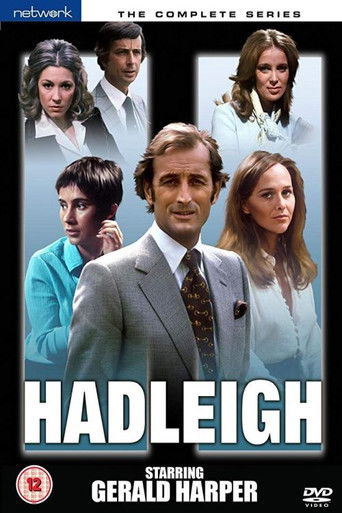
7.8Hadleigh was a British television series made by Yorkshire Television which originally ran from 1969 to 1976. Developed by Robert Barr, it was a sequel to the writer's earlier Gazette for the same company. The theme music was composed by Alan Moorhouse and, from series 3, Tony Hatch. James Hadleigh played by Gerald Harper, was "the perfect squire, paternalistically careful of his tenantry's welfare, beloved in the village, respected in the council." A "knight in a shining white Aston Martin V8, he sets about correcting local injustices." His wife, from a lower-class background, was played by Hilary Dwyer. The series attracted around 17 million viewers at its peak.
Hadleigh
1969
An anthology series based on the varied stories by W. Somerset Maugham divided into three categories: "Rule Britannia" about colonial life, "Women of the World" which focus on female characters, and "Victims of Fate".
W. Somerset Maugham
1969
This Granada series featured seven new plays by young Northern writers, including Anthony Linter, Jack Rosenthal, Dennis Woolf, David Halliwell and Peter Eckersley.
Friday Night
1963
 6.0
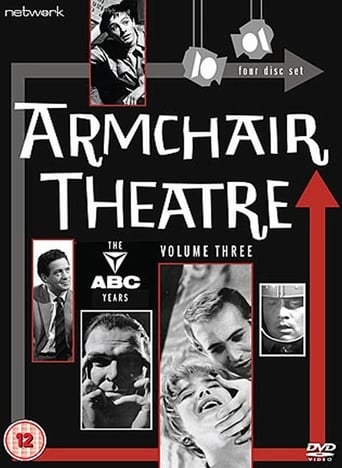
6.0Armchair Theatre is a British television drama anthology series of single plays that ran on the ITV network from 1956 to 1974. It was originally produced by Associated British Corporation, and later by Thames Television from mid-1968.
Armchair Theatre
1956
6.0Armchair Theatre is a British television drama anthology series of single plays that ran on the ITV network from 1956 to 1974. It was originally produced by Associated British Corporation, and later by Thames Television from mid-1968.
Armchair Theatre
1956
6.0Armchair Theatre is a British television drama anthology series of single plays that ran on the ITV network from 1956 to 1974. It was originally produced by Associated British Corporation, and later by Thames Television from mid-1968.
Armchair Theatre
1956
6.0Armchair Theatre is a British television drama anthology series of single plays that ran on the ITV network from 1956 to 1974. It was originally produced by Associated British Corporation, and later by Thames Television from mid-1968.
Armchair Theatre
1956
Georges Duroy cynically exploits women - and his position as a journalist - to gain power in 19th-century France.
Bel Ami
1971