
Acting
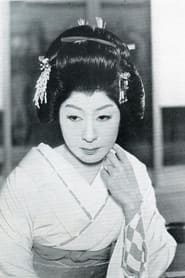
Shōtarō Hanayagi
Born — Died
1894-05-24 — 1965-01-06
Place of birth
Tokyo, Tokyo Prefecture, Japan
Known for
Acting
Credits
7 titles
Japanese kabuki and film actor.
Known for
 7.8
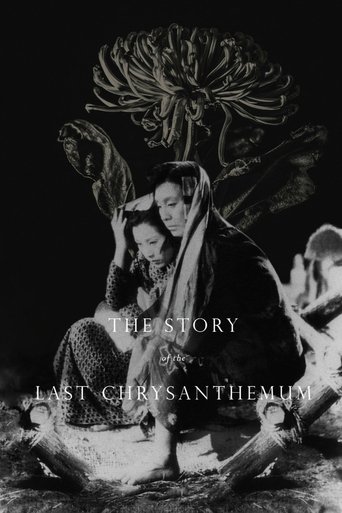
7.8In late 19th-century Tokyo, Kikunosuke Onoue, the adopted son of a legendary actor, himself an actor specializing in female roles, discovers that the praise he receives is only due to his status as his father's heir. Devastated, he turns to Otoku, a servant of his family, for comfort, and they fall in love. Kikunosuke becomes determined to leave home and develop as an actor on his own merits, and Otoku faithfully joins him.
The Story of the Last Chrysanthemum
1939
 NR
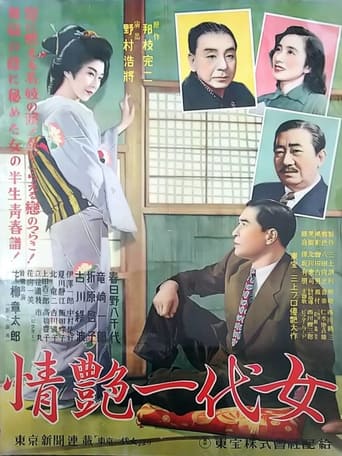
NRBased on the serialized story "東京一代女" which appeared in Tokyo Shinbun. A geisha known for her dancing begins training with the Onnagata Kikugoro VI as a dancer. She leaves her geisha life to pursue this new path, but falls in love with a naval officer who is the younger brother of Kikugoro and who saves her from a stalker monk. Kikugoro hears of this and becomes enraged. The naval officer dies in the Second Sino-Japanese War, causing the lead to go back home to her mother where she meets, and falls in love with, a poet who resembles her now-deceased fiancé. This poet leaves her in order to force her to dedicate her entire life to dancing, which he sees as her true pursuit.
情艶一代女
1951
 6.1
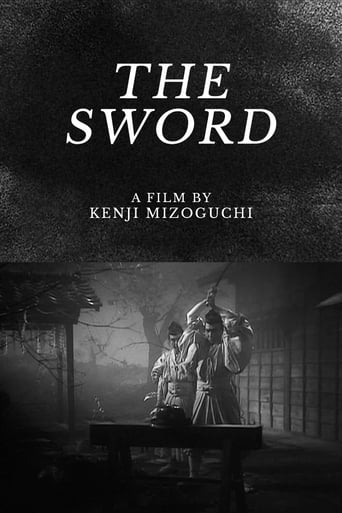
6.1In 19th-century Japan, a young swordsmith is determined to make the best sword possible after an inferior one he made indirectly led to the death of his guardian.
The Famous Sword Bijomaru
1945
 NR
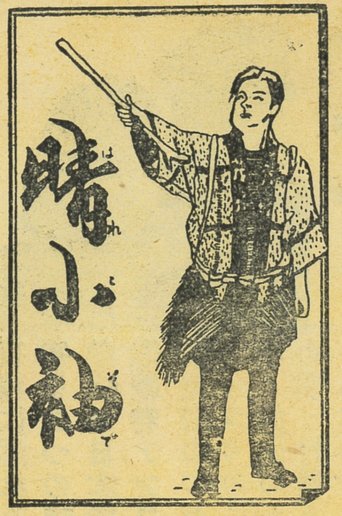
NRA lost film directed by Ushihara Kiyohiko based on a story published in the Mainichi Sunday Newspaper entitled '恋女扇.' It stars a wild man who falls passionately in love with a woman.
晴小袖
1940
 10.0
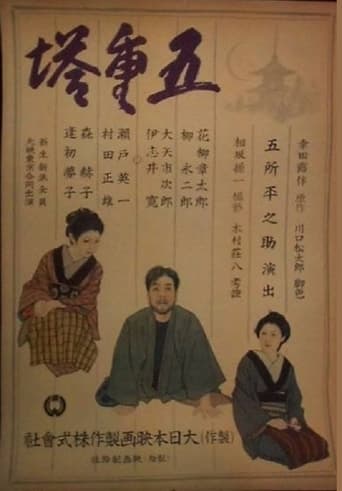
10.0Based on Kōda Rohan's novella The Five-Storied Pagoda.
Goju no to
1944
 NR
NRA lost film directed by Mori Kazuo.
夫婦太鼓
1941
Film credits
1940s · 5 titles
6.1In 19th-century Japan, a young swordsmith is determined to make the best sword possible after an inferior one he made indirectly led to the death of his guardian.
The Famous Sword Bijomaru
1945
NRA lost film directed by Ushihara Kiyohiko based on a story published in the Mainichi Sunday Newspaper entitled '恋女扇.' It stars a wild man who falls passionately in love with a woman.
晴小袖
1940
10.0Based on Kōda Rohan's novella The Five-Storied Pagoda.
Goju no to
1944
NRA lost film directed by Mori Kazuo.
夫婦太鼓
1941
 7.3
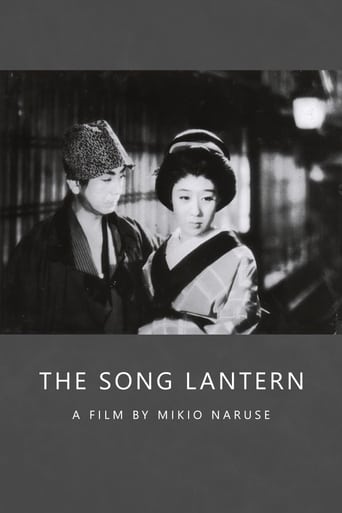
7.3A self-absorbed young actor humiliates an elderly Noh performer, who then commits suicide. His act of cruelty compels his father to disown him, leading the once promising actor to a life on the streets. But his desire to win back the respect of his father and the affection of the dead actor's daughter pushes him toward a more noble existence. Naruse employed a delicately structured mise-en-scene in this family melodrama, which evokes the work of Josef von Sternberg.
The Song Lantern
1943