
Acting
Midori Komatsu
Born — Died
1891-09-09 — 1982-10-26
Place of birth
Tokyo, Japan
Known for
Acting
Credits
55 titles
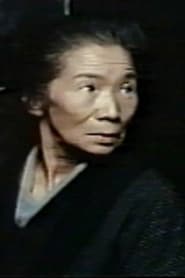
Komatsu Midori was born in Tokyo in 1891. From the age of five she studied at the Bando dance school and in 1911 joined a female theater which had just been formed, the Nakasu Masagoza. In 1912 at the age of 21 she made her stage debut. In 1913 upon the invitation of Shochiku Gomei, she participated in the female theater group the Kyoto City Second Kyogoku Taishoza where she continued her activities until 1915, when she chose to take the path leading towards action pictures. In 1919 she negotiated with Kunikatsu films and the following year joined the company. She was aiming to be a real movie star. At Kunikatsu she appeared in Shoshurei, Minashi Go and Chishio no Naruto. After the Great Kan…
Known for
 8.1
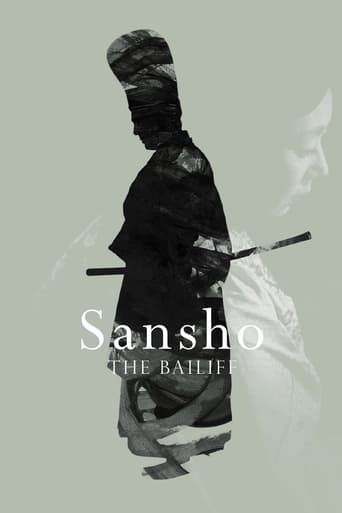
8.1In 11th-century feudal Japan, following the exile of an idealistic governor, his wife and children are separated by slave traders; the children, Zushio and Anju, are sold into brutal servitude under the cruel bailiff Sansho.
Sansho the Bailiff
1954
 7.2
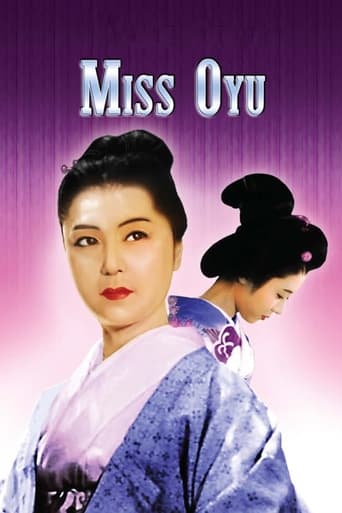
7.2Shinnosuke is introduced to Shizu as a prospective marriage partner, but he falls in love with her widowed sister Oyu. Convention forbids Oyu to marry because she has to raise her son as the head of her husband's family. Oyu convinces Shinnosuke and Shizu to marry so that she can remain close to Shinnosuke.
Miss Oyu
1951
 7.8
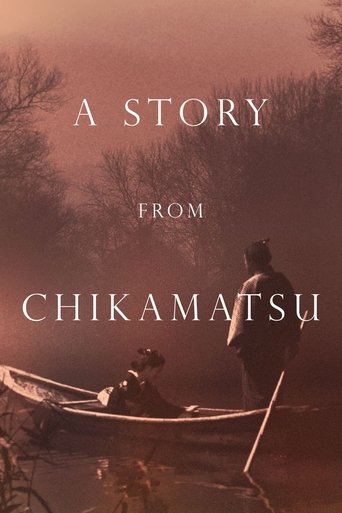
7.8When the wife of a 17th-century Kyoto scrollmaker is falsely accused of having an affair with his best employee, the pair flee the city and find themselves truly falling for one another.
Chikamatsu Monogatari
1954
 6.5
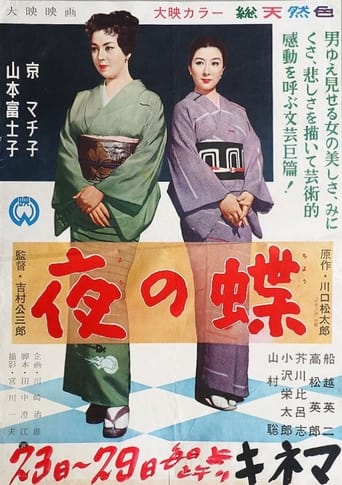
6.5A traditional bar mistress in Kyoto clashes with her Tokyo rival.
Night Butterflies
1957
 NR
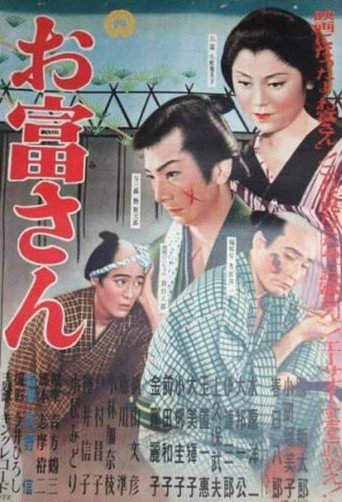
NRA period drama that depicts the romance between Otomi and Yosaburo.
Otomi-san
1954
 NR
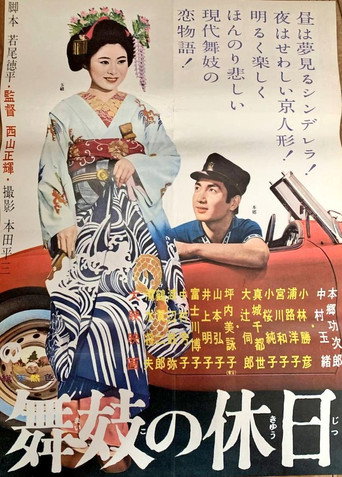
NRMitsuko, a maiko from Gion, met Haruki by chance and had a fun time with him, but is stunned when he discovers her secret. This is a love story that cheerfully portrays the life of a modern maiko.
A Maiko's Holiday
1961
Film credits
1960s · 11 titles
NRMitsuko, a maiko from Gion, met Haruki by chance and had a fun time with him, but is stunned when he discovers her secret. This is a love story that cheerfully portrays the life of a modern maiko.
A Maiko's Holiday
1961
 5.6
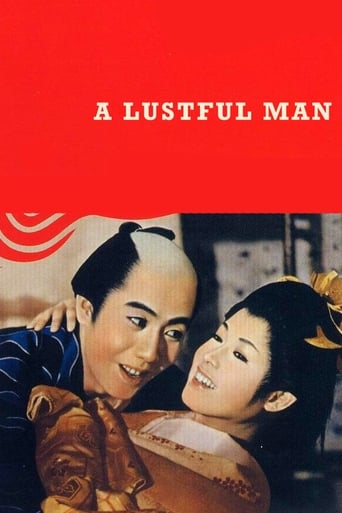
5.6Fascinated with women from an early age, Yonosuke had his first sexual encounter at the age of seven. From that day on, he recklessly and forwardly pursues women, feeding his fascination and experience. As Yonosuke's salacious behavior brings much cause for shame to the family, his father eventually breaks relations with him. Expelled from the family, 19-year-old Yonosuke embarks on a pilgrimage of lust, traveling far and wide to acquaint himself with women of all walks.
A Lustful Man
1961
 4.8
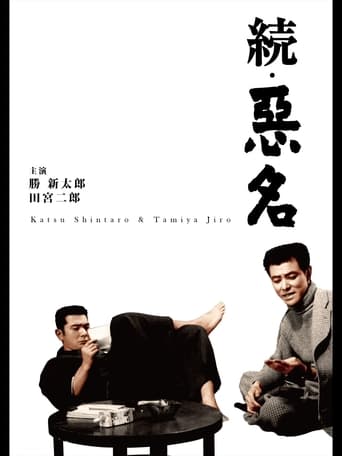
4.8No synopsis available yet.
Bad Reputation Returns
1961
 6.7
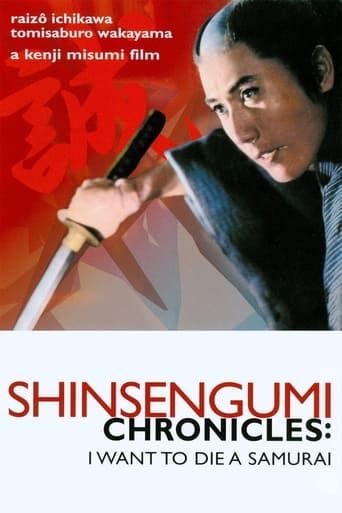
6.7As winds of change sweep Japan, an honest man joins the Shinsengumi out of admiration for its leader, and because he wants to live and die as a samurai. However, as his involvement grows, reality and idealism come into deadly conflict.
Shinsengumi Chronicles
1963
 8.0
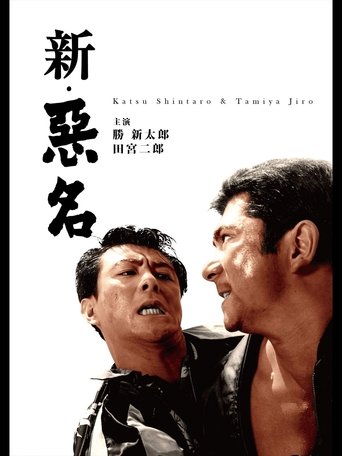
8.0No synopsis available yet.
The Notorious Man's Return
1962
 6.9
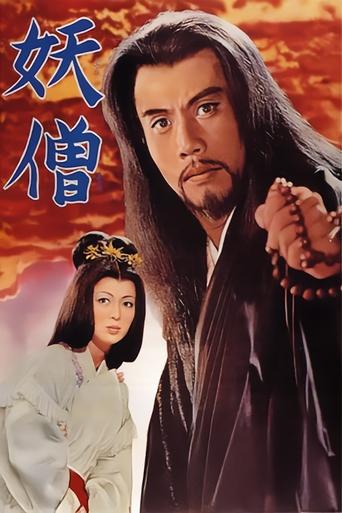
6.9A story loosely based on the affair between Empress Kōken-Shōtoku and the monk Dōkyō, set during the Nara period (710–794 A.D.).
Bronze Magician
1963
 NR
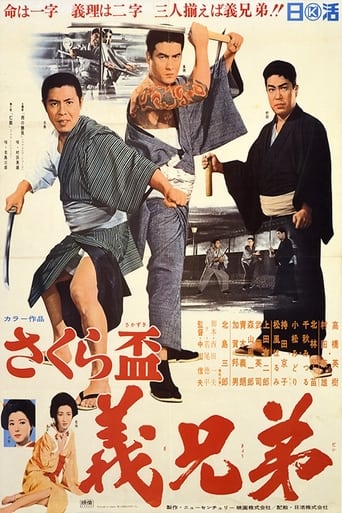
NRSecond movie in the Sakura Code series.
Sakura sakazuki: gikyōdai
1969
 NR
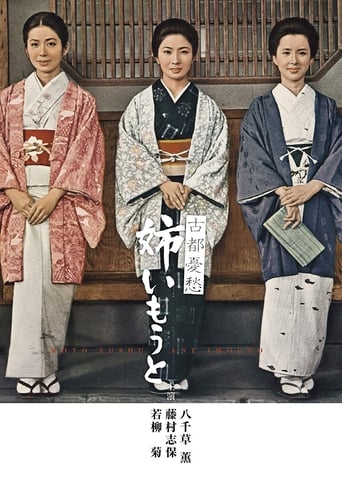
NRTwo sisters, Kyoko and Hisako, run a restaurant in Kyoto. But an incident with the latter's fiancé puts their relationship, and the future of their cuisine in jeopardy...
The Sisters and I
1967
 6.0
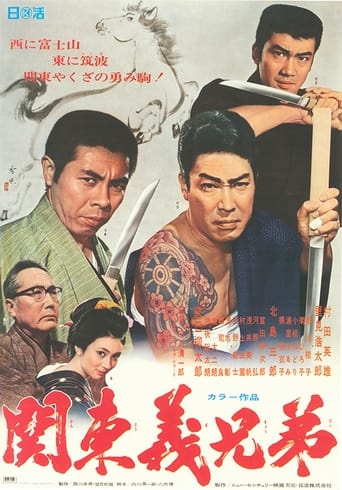
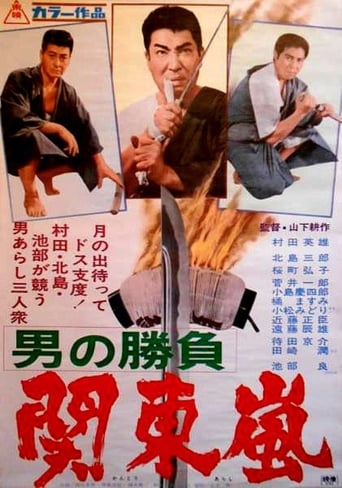
6.0After being bailed out of trouble by a member of the Kaijima Clan, Ryuhei dedicates himself to saving the Kajima’s lucrative lumber business.
Showdown of Men 3
1967
 NR
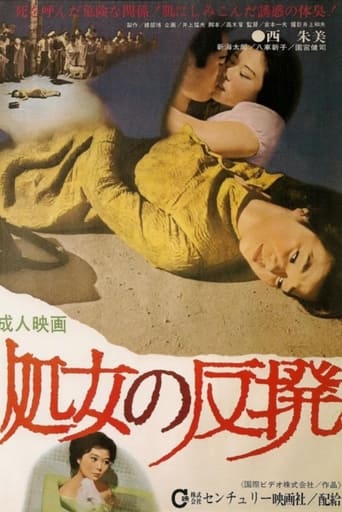
NRPinku from 1965.
Shôjo no hanpatsu
1965
Pinku from 1965.
Onna no hayashi
1965
1950s · 25 titles
8.1In 11th-century feudal Japan, following the exile of an idealistic governor, his wife and children are separated by slave traders; the children, Zushio and Anju, are sold into brutal servitude under the cruel bailiff Sansho.
Sansho the Bailiff
1954
7.2Shinnosuke is introduced to Shizu as a prospective marriage partner, but he falls in love with her widowed sister Oyu. Convention forbids Oyu to marry because she has to raise her son as the head of her husband's family. Oyu convinces Shinnosuke and Shizu to marry so that she can remain close to Shinnosuke.
Miss Oyu
1951
7.8When the wife of a 17th-century Kyoto scrollmaker is falsely accused of having an affair with his best employee, the pair flee the city and find themselves truly falling for one another.
Chikamatsu Monogatari
1954
6.5A traditional bar mistress in Kyoto clashes with her Tokyo rival.
Night Butterflies
1957
NRA period drama that depicts the romance between Otomi and Yosaburo.
Otomi-san
1954
 6.2
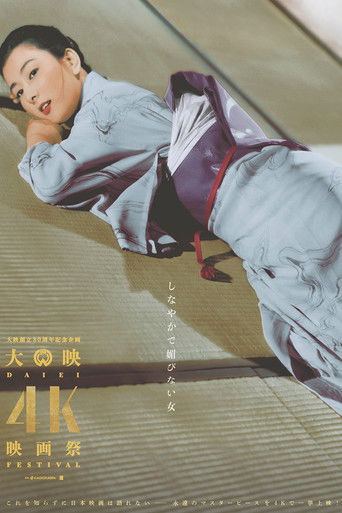
6.2In Kyoto a young kimono maker with traditional ideas gets involved with a married professor.
Undercurrent
1956
 NR
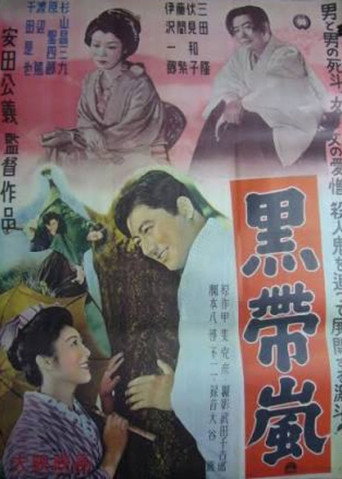
NRA young judoka investigates the mysterious death of his best friend.
Kuro obi arashi
1953
 7.6
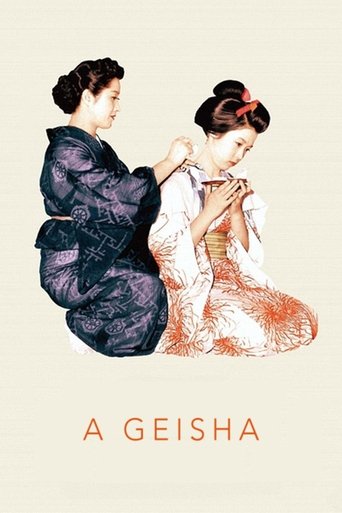
7.6Fleeing a distressing family situation, Eiko, a very young girl, becomes an apprentice to Miyoharu, a veteran geisha. Both, determined to preserve their professional integrity, must face the selfishness and ambition of several petty people.
A Geisha
1953
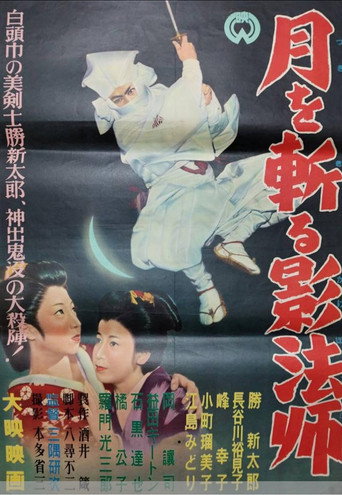 NR
NRBy day, he is a young master whose beauty melts women’s hearts. By night, he is the elusive “White Hood.”
The Shadow That Kills the Moon
1955
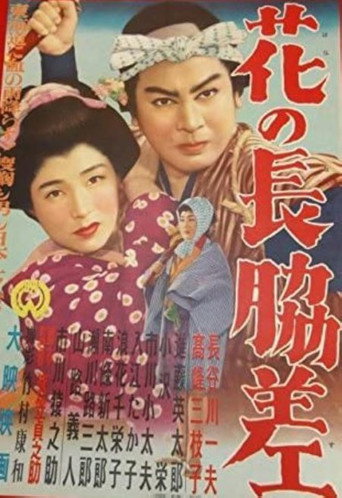 NR
NRNo synopsis available yet.
Hana no nagadosu
1954
No synopsis available yet.
Suna-e jubaku
1953
 NR
NRNo synopsis available yet.
Kisoji no Komori-uta
1953
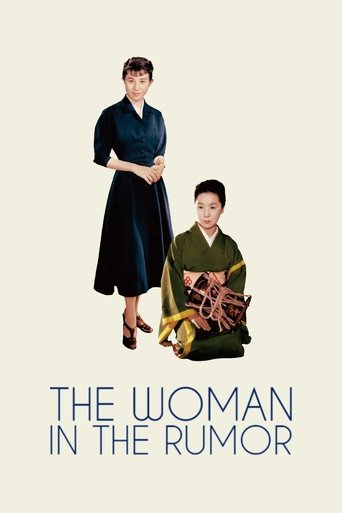 7.3
7.3After living a traumatic experience in Tokyo, Yukiko returns to Kyoto, where Hatsuko, her mother, runs a brothel, which upsets Yukiko very much.
The Woman in the Rumor
1954
No synopsis available yet.
Aizenbashi
1951
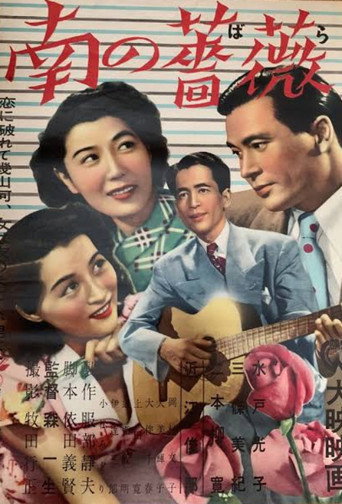 NR
NRAfter a broken heart, the woman lives a lonely life in a dormitory, while the man is now a popular singer at the height of his fame.
Minami no bara
1950
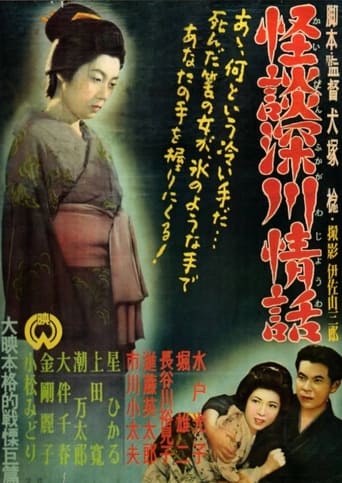 9.0
9.0A ghost story about a woman who dies a violent death and appears to the man she loves as a vengeful spirit. This film marked the turning point in Daiei's shift in emphasis from thrillers to ghost stories.
Ghost Story: Passion in Fukagawa
1952
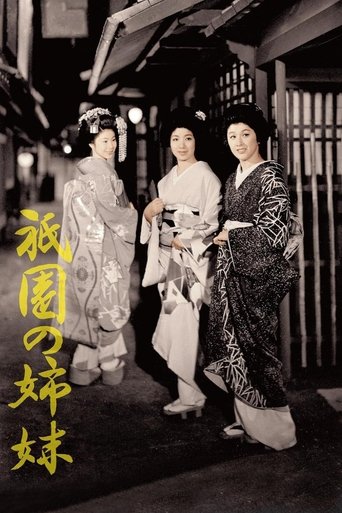 NR
NRNo synopsis available yet.
Sisters of Gion
1956
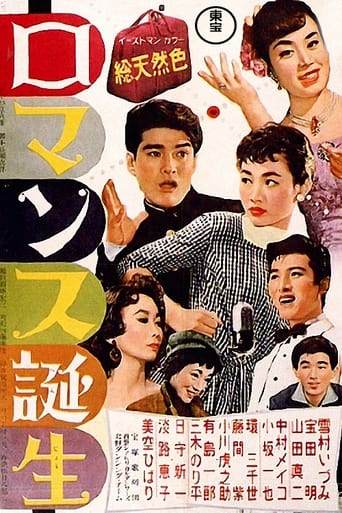 NR
NRThe cabaret «Romance», run by Masami Daisaku's father, is experiencing financial difficulties, and Masami is betting on changes and asks singer Hibari Misora to perform. Musical youth comedy with young actors, passion, funny songs and laughter. Hibari Misora appears as herself.
Birth of Romance
1957
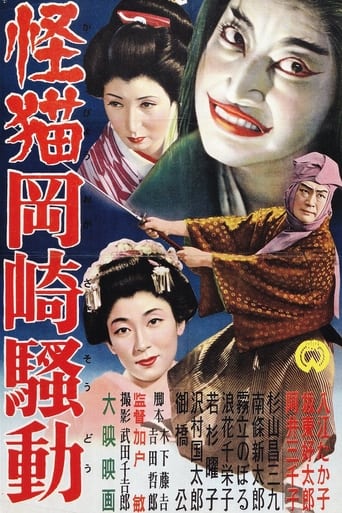 9.0
9.0The Lord of Okazaki is killed by his brother-in-law. Although the Lord's widow bears a child, she is also killed. Then, a ghost cat begins stalking in the castle.
Terrible Ghost Cat of Okazaki
1954
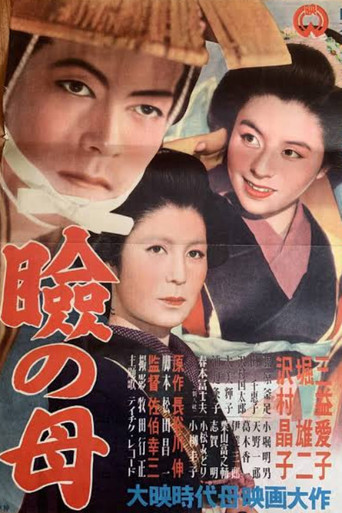 NR
NRNo synopsis available yet.
Mabuta no haha
1952
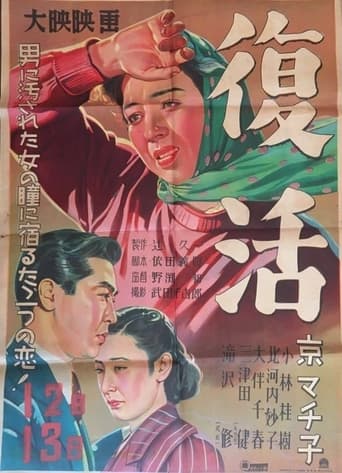 9.0
9.0No synopsis available yet.
Resurrection
1950
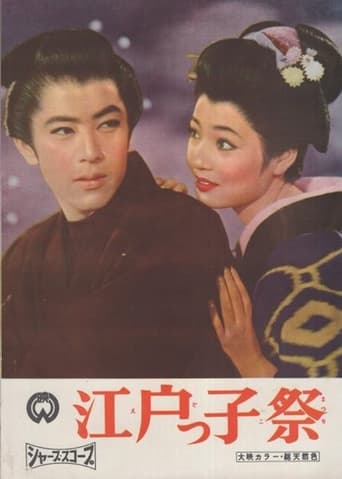 NR
NRDuring the reign of Hidetada, the second shogun of the Tokugawa dynasty, the advisor Okubo Hikozaemon (Ganjiro Nakamura) entrusts the young Takechiyo (Hiroshi Kawaguchi) to the fishmonger Isshin Tasuke (Kazuo Hasegawa) to help him understand the world. Tasuke, who does not know that Takechiyo is the shogun's heir, trains him harshly. Tasuke's wife Naka (Michiko Ai) is concerned about his harsh teaching style, but Takechiyo gains strength day by day and adapts to his new life. Soon, Takechiyo begins secretly talking about love with a city girl named Otoyo (Hitomi Nozoe), but...
Shogun's Holiday
1958
 7.0
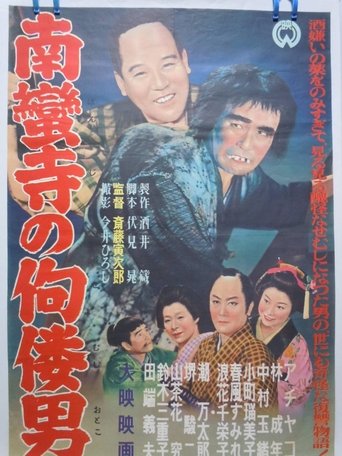
7.0A revenge comedy directed by Torajiro Saito (Oedo's most Popular Man) from a script by Chao Fushimi (The Millionaire of a Night) and shot by Hiro Imai (Akado Suzunosuke (1957)). Starring Achako Hanabishi (Segedei Momoshiki Goten), Tamao Nakamura (Akado Suzunosuke (1957)), Seinen Hayashi (Nijunin no Kenka-jou) and Sumire Harukaze (Harukaze Sumire). Also Rumiko Komachi, Shunji Sakai, Yoshio Tabata and Mieko Suzuki.
The Tower of Nanzenji aka Return to Manhood
1957
 NR
NRNo synopsis available yet.
Maiko monogatari
1954
 NR
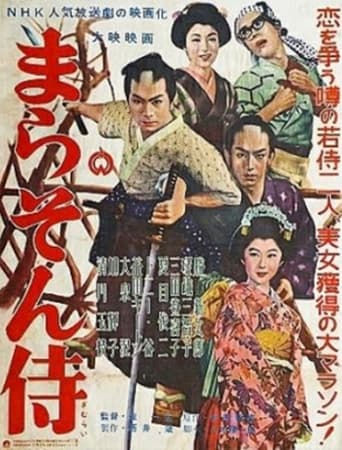
NRThe TV drama of Ima Harube was adapted by Yagi Ryuichiro ("Komuso Henge"), directed by Mori Issei ("I Am Fujikichirou"), and cinematographed by Honda Shozo ("The Return of the Ghost"). The main cast includes Katsu Shintaro ("Flower of the Wandering Bird"), Saga Michiko and Mita Tokiko ("Matashirou's Fighting Journey")
Marathon Samurai
1956
1940s · 9 titles
 9.0
9.0Adaptation of Junichiro Tanizaki's novel whit the same name. It is perversely erotic relationship between a young salaryman and his teenage wife whom he 'adopted' at first as to 'train' her to be his idealistic modern woman.
A Fool's Love
1949
 NR
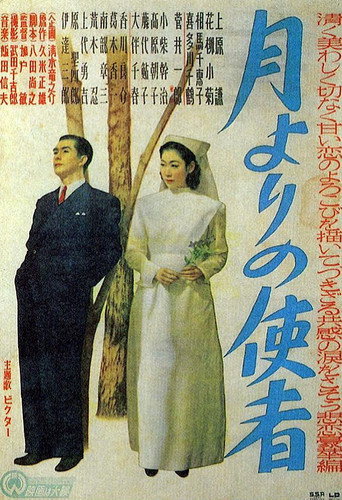
NRIt was a sanatorium in the highlands. Patients such as Totsuka, Hirota, and Hashida were battling their illnesses under the devoted care of Michiko, a nurse so beautiful and noble that she was nicknamed “The Messenger from the Moon.” When Totsuka learned that Hirota, who was about to be discharged, secretly loved Michiko, he devised a plan and arranged for them to spend some time alone in a birch grove. Hirota and Michiko made a firm vow for their future, but around that time, an unexpected visitor arrived at Hirota’s hospital room.
Messenger from the Moon
1949
 NR
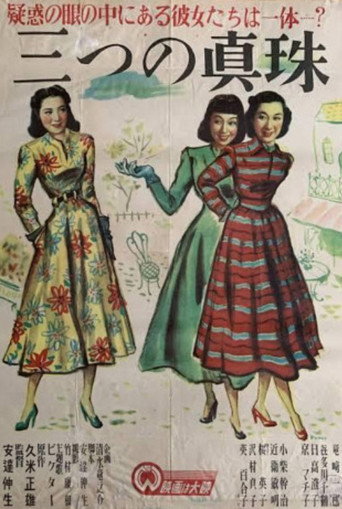
NRExpressing the distinct personalities of the three daughters.
Three Pearls
1949
Depicting the lives and spirit of geisha during and after the war.
Oshiroi jō
1947
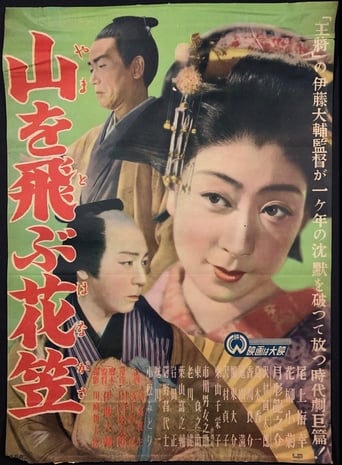 NR
NRNo synopsis available yet.
The Flower That Crossed the Mountain
1949
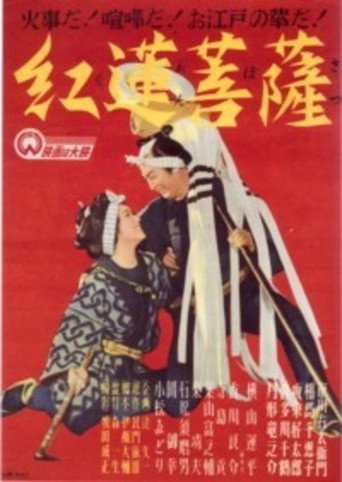 NR
NRSet against the backdrop of the Great Fire of Edo, this story depicts the conflict between the town fire brigades and the daimyo’s fire brigades.
Guren bosatsu
1949
 10.0
10.01942 Japanese movie
Miyamoto musashi Ichijōji kettō
1942
A film adaptation of the story “Gonzo and Sukejū” from a new perspective.
Yoimatsuri happyaku yachō
1947
 7.0
7.0Second part of director Hiroshi Inagaki's 1940 adaptation of the story of Musashi Miyamoto.
Miyamoto Musashi - Dai-ichi-bu: Kusawake no hitobito - Dai-ni-bu: Eitatsu no mon
1940
1930s · 5 titles
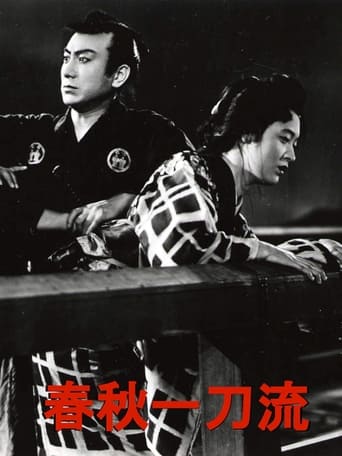 8.0
8.0After being expelled from the Chiba Dojo , Hirate Zoshu , along with his acquaintances Tadaki Ganryu and Tamon Jubei, were hired as bodyguards by Sasagawa Shigezo, and became embroiled in a gamblers' feud known as the "Tenpo Suikoden.
Shunjû ittôryû
1939
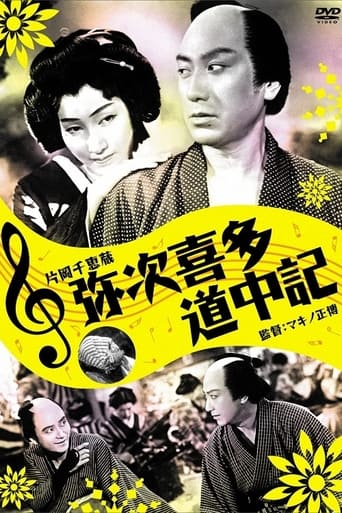 9.0
9.0A captivating operetta by Masahiro Makino based on Juppensha Ikku's humorous novel "Tōkaidōchū Hizakurige" starring Chiezo Kataoka and Kyoji Sugi.
Yaji And Kita's Traveling Diary
1938
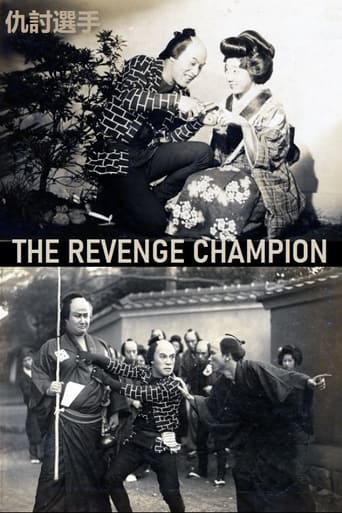 7.0
7.0Lost film, directed by Tomu Uchida. This film is a very funny comedy that makes fun of the moral code of the samurai Bushido, which has become obsolete and turned into an empty form during the period of feudalism.
The Revenge Champion
1931
The film recounts the tragedy of a young outlaw. Considered a lost film.
Ishimatsu from the Forest
1937
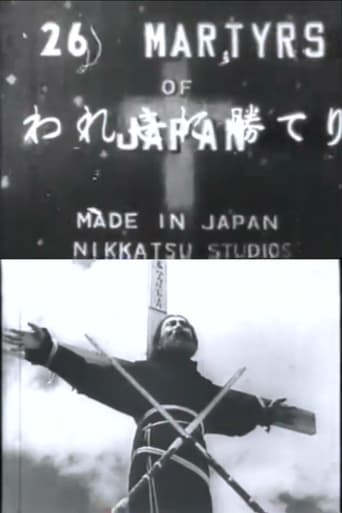 7.0
7.0Jesuit priests in Japan during the 17th century are persecuted by the shogunate to for trying to spread Christianity.
The 26 Martyrs of Japan
1931
1920s · 3 titles
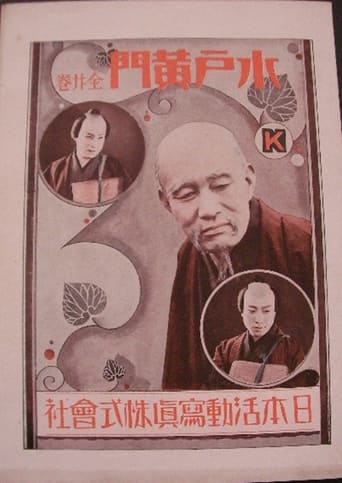 NR
NRNo synopsis available yet.
Mito Kōmon
1926
 6.0
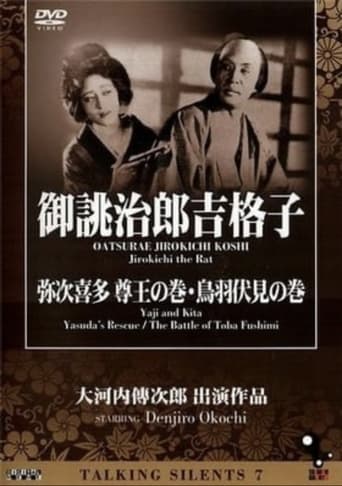
6.0Yaji and Kita: Yasuda's Rescue is a 1927 black and white Japanese silent film directed by Tomiyasu Ikeda.[1] This comedy film showcases the comic talent of Denjiro Okochi, which contrasts markedly with his heroic performance in Oatsurae Jirokichi Koshi. The humorous exchanges with Goro Kawabe, his senior at Nikkatsu, can be priceless, with the expressions and movements of the two goofy characters making for pure, hilarious slapstick comedy. A 15-minute remnant of the film was released on DVD by Digital Meme with benshi accompaniment by Midori Sawato and Ryubi Kato.
Yaji and Kita: Yasuda's Rescue
1927
Directed by Kichiro Tsuji.
Jigoku ni ochita mitsuhide
1926