Acting
Shōzō Nanbu
Born
1898-06-26 (128)
Place of birth
Hiji, Ōita Prefecture, Japan
Known for
Acting
Credits
61 titles
Known for
 8.0
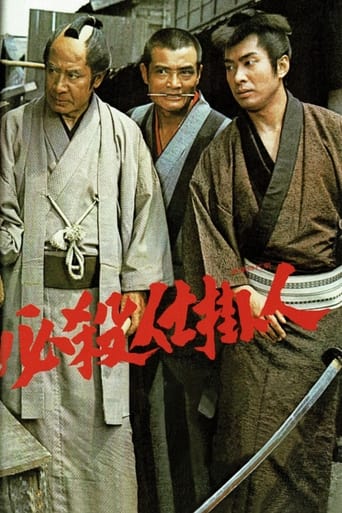
8.0A shikakenin was an under-the-cover trade that undertook killing in Edo. Hanemon of Otowa, an agency that introduced laborers and maids, was also one of these. Katsugoro Iseya was a timber dealer who had come in as a client. His target was the constructions magistrate Hanno, and the Tatsumiya who sipped on the benefits. Hanemon who had a stong code towards killing, where he would only kill those who do no good to be in the world, accepts this request. Baian Fujieda, a needle doctor would carry out the killing. However, the professional killer Baian fails to bring down Tatsumiya. Hanemon then looks to another shikakenin, the ronin Sanai Nishimura for the role. Although Sanai's ability with the sword is good, he lives poorly in a tenement, and accepts this commission on the condition that it is kept a secret from his wife and child. Here, they close in on Hanno and Tatsumiya again...
Professional Killers
1972
 8.0
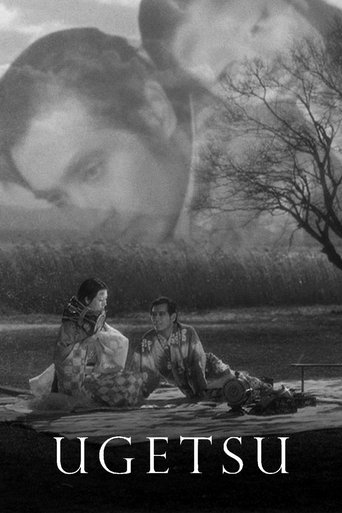
8.0In 16th century Japan, peasants Genjuro and Tobei sell their earthenware pots to a group of soldiers in a nearby village, in defiance of a local sage's warning against seeking to profit from warfare. Genjuro's pursuit of both riches and the mysterious Lady Wakasa, as well as Tobei's desire to become a samurai, run the risk of destroying both themselves and their wives, Miyagi and Ohama.
Ugetsu
1953
 NR
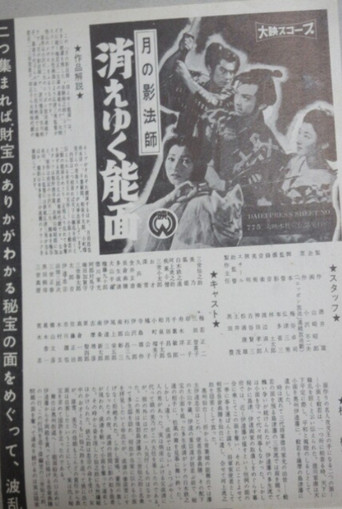
NRNo synopsis available yet.
Tsuki no kagebōshi: Kieyuku nōmen
1958
 8.1
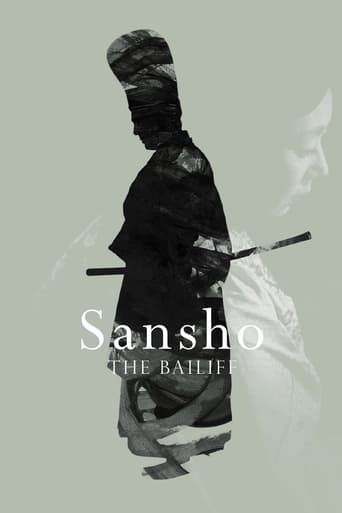
8.1In 11th-century feudal Japan, following the exile of an idealistic governor, his wife and children are separated by slave traders; the children, Zushio and Anju, are sold into brutal servitude under the cruel bailiff Sansho.
Sansho the Bailiff
1954
 NR
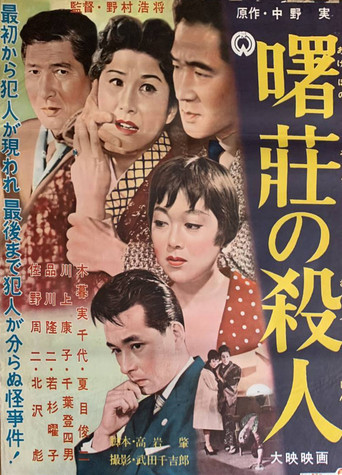
NRA body is found poisoned in a room of a luxury apartment late at night and a beautiful mother turns herself in to protect her rebellious daughter.
Akebono sō no satsujin
1957
 NR
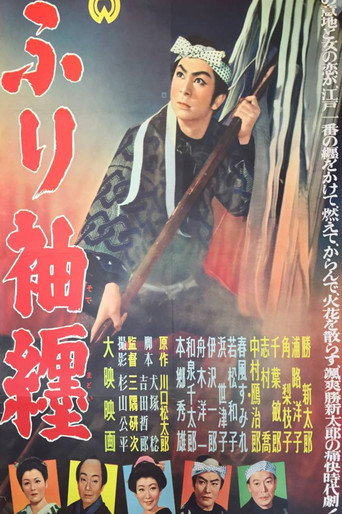
NRNo synopsis available yet.
Wearing a Long-Sleeved Kimono
1958
Film credits
1960s · 16 titles
 6.5
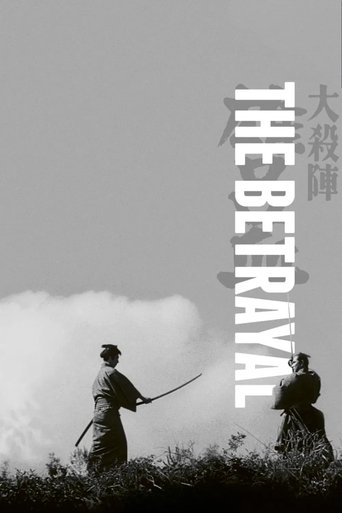
6.5A naively honorable samurai comes to the bitter realization that his devotion to moral samurai principles makes him an oddity among his peers, and a very vulnerable oddity in consequence. He takes the blame for the misdeeds of others, with the understanding that he will be exiled for one year and restored to the clan's good graces after the political situation dies down. As betrayal begins to heap upon betrayal, he realizes he'll have to live out his life as a ronin, if not hunted down and killed.
The Betrayal
1966
 6.8
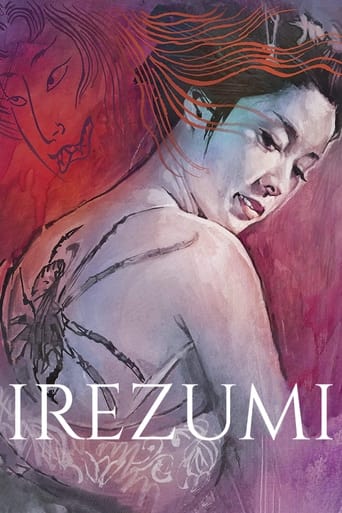
6.8Otsuya, the daughter of a rich merchant, elopes with her lover Shinsuke, an employee of her father's. During their flight, Otsuya's beauty attracts the gaze of Seikichi, a mysterious master tattooist who sees her pristine white skin as the perfect canvas for his art. The image of the large demonic spider that he emblazons across Otsuya's back marks her as the property of another man, radically altering her relationships with all around her as her personality seems to transform under its influence.
Irezumi
1966
 6.6
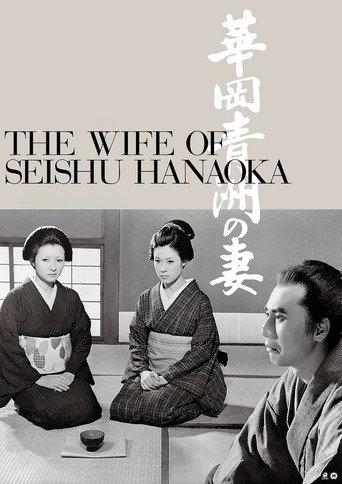
6.6The disturbing story of a physician who conducted the first operation with general anaesthetic, and the women in his life who are both so determined to win his love that they volunteer as subjects for his experiments
The Wife of Seishu Hanaoka
1967
 6.5
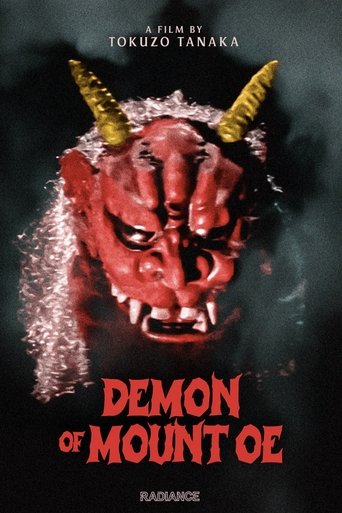
6.5A band of warriors journeys to Mount Oe to rescue abducted women from a demon, overcoming supernatural threats like a giant spider and a diabolical witch along the way.
The Demon of Mount Oe
1960
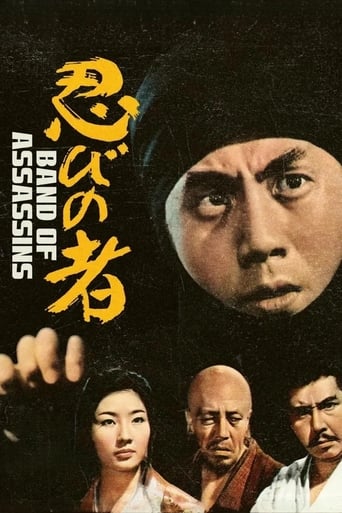 6.4
6.4Warlord Oda Nobunaga seeks to unite a fractured Japan. A young man trained in the arts of ninjitsu is manipulated by a ninja master into attempting to assassinate the warlord before he completes his task.
Ninja, A Band of Assassins
1962
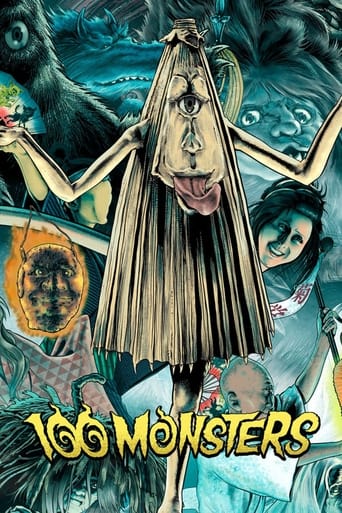 6.6
6.6A greedy developer, in league with a corrupt Shrine Magistrate, brutally tries to drive people out of a tenement building and destroy the shrine in back. But he makes the fatal mistake of hosting a 100 Ghost Stories ceremony without the closing cleansing ritual, opening the door for the Yokai Monsters to punish the wicked.
Yokai Monsters: 100 Monsters
1968
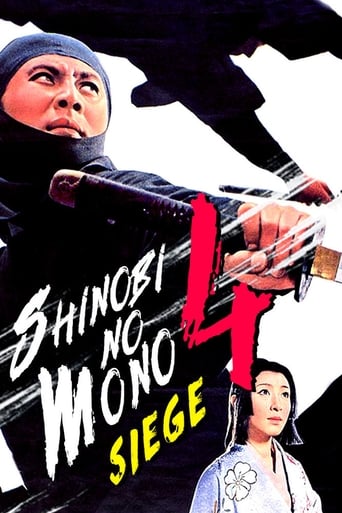 6.2
6.2[Period covered: 1614-1615] Tokugawa Ieyasu is now the ruler of all Japan. But one last loose thread must be tied up before his domination is complete -- the destruction of the Toyotomi clan, now beseiged in Osaka castle. Ieyasu's ninja are the only ones who can penetrate the fortress, but unfortunately for Ieyasu, Kirigakure Saizo and the other Toyotomi ninja can just as easily get out. As armies of samurai maneuver for battle, the fate of the nation will be decided by a desperate struggle in the dark!
Shinobi no Mono 4: Siege
1964
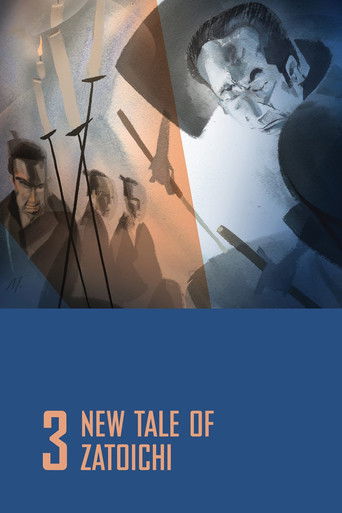 7.0
7.0Wishing to find peace, Zatoichi travels to his old village but only finds trouble when he ends up in a love triangle and finds old scores have followed him home.
New Tale of Zatoichi
1963
 7.4
7.4On the night of the summer Obon festival, Hagiwara Shinzaburo meets a beautiful courtesan named Otsuyu. Not knowing she's a ghost, he becomes infatuated by her.
The Bride from Hades
1968
 6.5
6.5Satoko is a mistress by trade or fate: when her master, the silkscreen artist of the Kohoan Temple in Kyoto, dies, she is given to the temple's lascivious head priest Kikuchi. She is drawn to a melancholy young acolyte, Jinen, who has observed the profligacy of his cruel master and Satoko's utter dependence on the man. Jinen is both fascinated and disturbed by Satoko's interest in him; he is similarly caught between loathing of Kikuchi and of the dark circumstances of his birth and his own moral weakness. The story unfolds in a dreamlike manner—a flashback inspired by a now-infamous image on a silkscreen in the souvenir shop at the so-called Temple of the Wild Geese.
The Temple of Wild Geese
1962
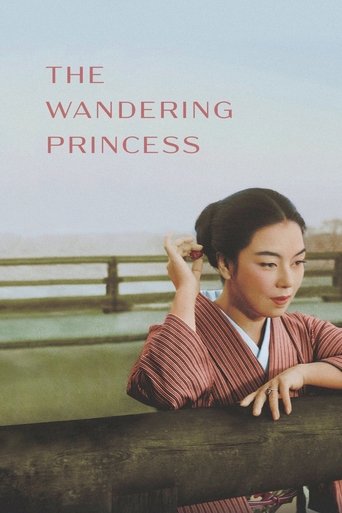 6.5
6.5Pu Zhe, younger brother of the Emperor of Manchukuo, marries Ryuko, daughter of an aristocratic family. To the surprise of all, a deep love between Pu Zhe and Ryuko develops and is put to the test when Japan loses the war.
The Wandering Princess
1960
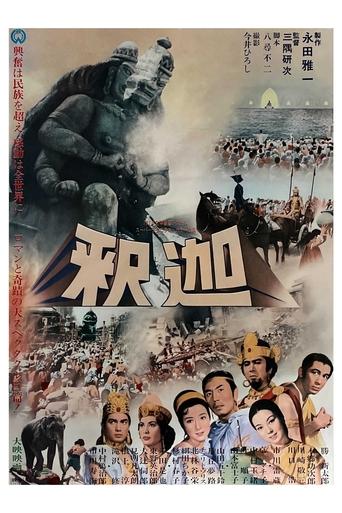 10.0
10.0An Indian prince leaves his world of comfort and riches behind to wander and meditate for six years in search of spiritual enlightenment. Siddartha (Cojoin Hong) turns his back on the old religion when people are starving needlessly and holy rituals include human sacrifices. During his meditations, he is tempted by erotic dancing women, demons, and the evil machinations of his criminal cousin. Devastate to attain the spiritual perfection and become the Buddha. He travels to convert followers by his kindness and wisdom, gaining a multitude of believers when he stops an elephant from crushing a local priest. Buddha of course goes on to become one of the great religious leaders of the world.
Buddha
1961
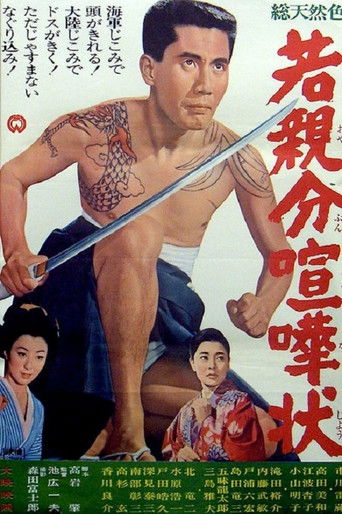 NR
NRNo synopsis available yet.
Young Boss: Invitation to Fight
1966
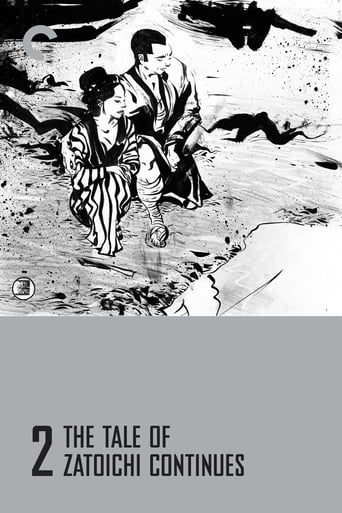 7.1
7.1Returning to the village where a year before he had killed Hirate, a much-admired opponent, Zatoichi encounters another swordsman and former rival in love.
The Tale of Zatoichi Continues
1962
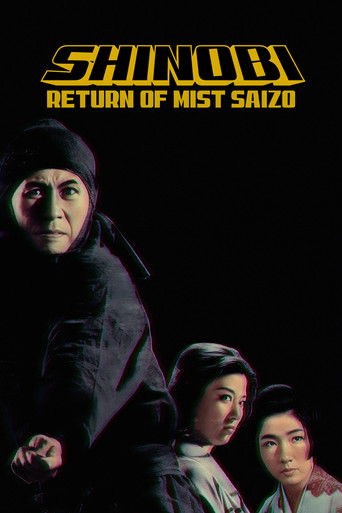 6.5
6.5[Period covered: 1616] On May 8th, 1615 the summer campaign of Osaka has reached the climax. This film takes place immediately following 'Ninja 4: Mist Saizo, Last of The Ninja'. Staying one step ahead of the Shogun’s forces, “Mist” Saizo tries to save the Sanada Clan, and avenge the death of his lord by assassinating the first Tokugawa Shogun. Following the first four films in this remarkable series, more previously unknown Ninja skills are shown to the world for the first time. The action heats up as Saizo single-handedly attacks the Shogun’s Palace!
Shinobi No Mono 5: Return of Mist Saizo
1964
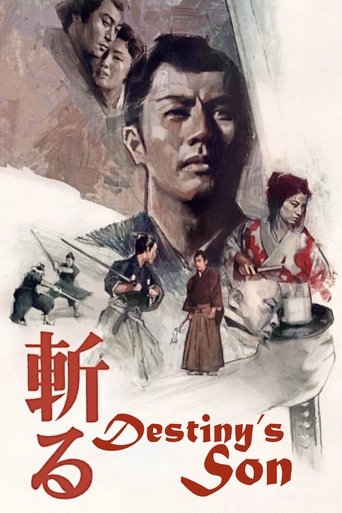 6.8
6.8In Edo-period Japan, Shingo is born the son of an assassin who was executed for murdering her lord’s concubine. Decades later, his adoptive family is massacred for keeping the secret. Armed with an unbeatable swordfighting technique, Shingo embarks on the path of the masterless samurai in search of vengeance and a path beyond his own ignominious origins.
Destiny's Son
1962
1950s · 31 titles
8.0In 16th century Japan, peasants Genjuro and Tobei sell their earthenware pots to a group of soldiers in a nearby village, in defiance of a local sage's warning against seeking to profit from warfare. Genjuro's pursuit of both riches and the mysterious Lady Wakasa, as well as Tobei's desire to become a samurai, run the risk of destroying both themselves and their wives, Miyagi and Ohama.
Ugetsu
1953
NRNo synopsis available yet.
Tsuki no kagebōshi: Kieyuku nōmen
1958
8.1In 11th-century feudal Japan, following the exile of an idealistic governor, his wife and children are separated by slave traders; the children, Zushio and Anju, are sold into brutal servitude under the cruel bailiff Sansho.
Sansho the Bailiff
1954
NRA body is found poisoned in a room of a luxury apartment late at night and a beautiful mother turns herself in to protect her rebellious daughter.
Akebono sō no satsujin
1957
NRNo synopsis available yet.
Wearing a Long-Sleeved Kimono
1958
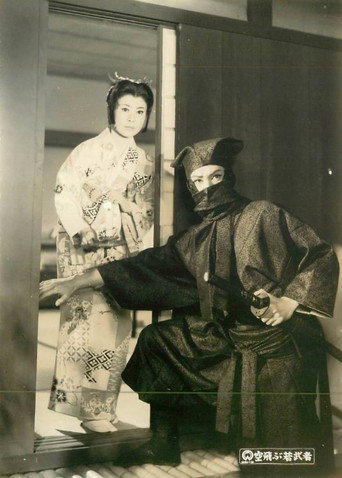 NR
NRKotaro Tenma, the young warrior of justice, infiltrates enemy territory and uses his ninjutsu skills with to defeat the villains.
Sora tobu wakamusha
1957
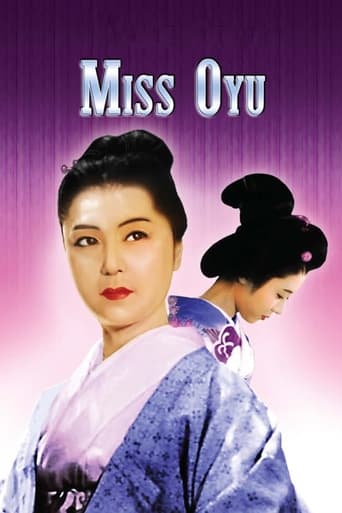 7.2
7.2Shinnosuke is introduced to Shizu as a prospective marriage partner, but he falls in love with her widowed sister Oyu. Convention forbids Oyu to marry because she has to raise her son as the head of her husband's family. Oyu convinces Shinnosuke and Shizu to marry so that she can remain close to Shinnosuke.
Miss Oyu
1951
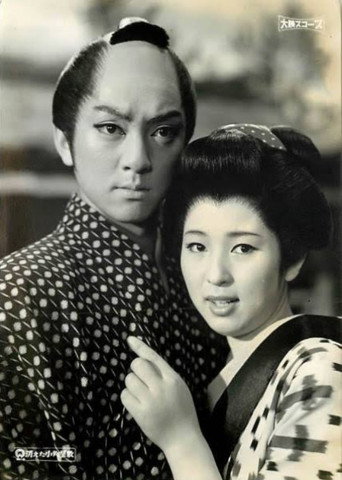 NR
NRNo synopsis available yet.
Kieta koban yashiki
1958
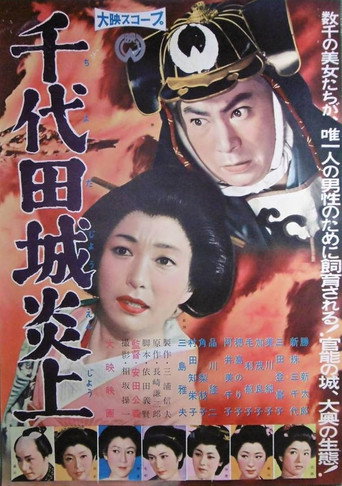 NR
NRA historical drama that tells the story of a simple girl, Chizuru, who entered the imperial palace as a maid and rose to the top because of her love affair.
Chiyoda Castle in Flames
1959
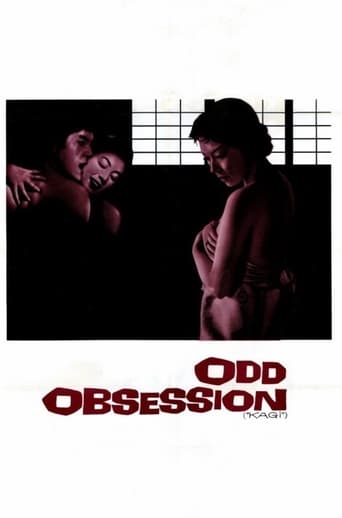 6.2
6.2A middle-aged husband of a younger woman finds her youth intimidating to the point that he cannot become aroused. His solution involves the introduction of his daughter's lover to his wife.
Odd Obsession
1959
No synopsis available yet.
Zoku tenshi mo otoshi goro
1956
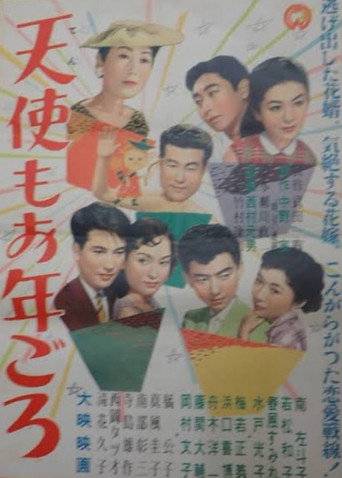 NR
NRTwo college girls who work part-time as shrine maidens swap their names with private investigators conducting a marriage background check, throwing their boyfriends into total chaos.
Tenshi mo otoshi goro
1956
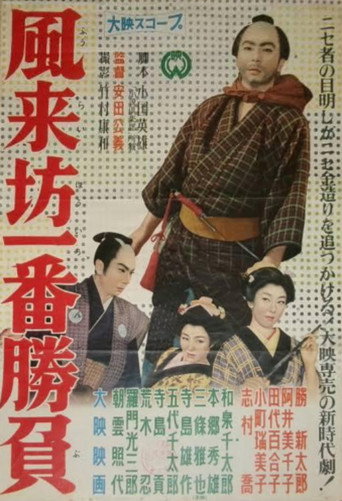 NR
NRNo synopsis available yet.
Fūraibō ichiban shōbu
1958
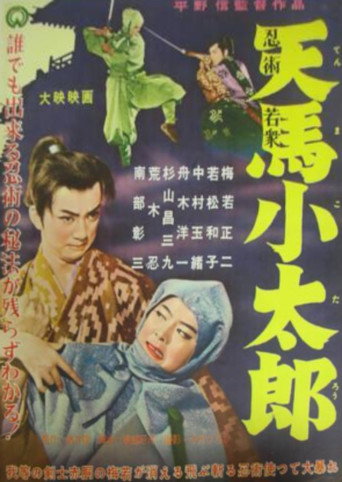 NR
NRNo synopsis available yet.
Ninjutsu wakashu: Tenma Kotarō
1957
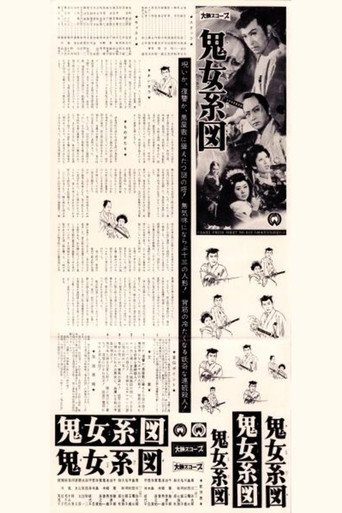 NR
NRNo synopsis available yet.
Kijo keizu
1959
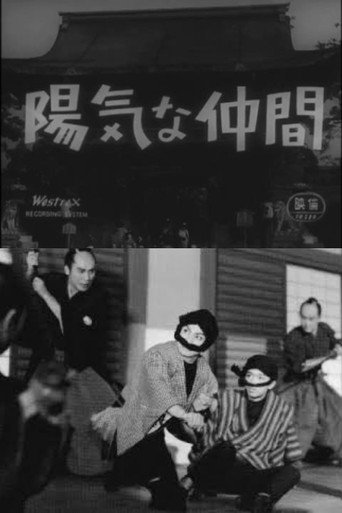 NR
NRNo synopsis available yet.
Yōkina nakama
1958
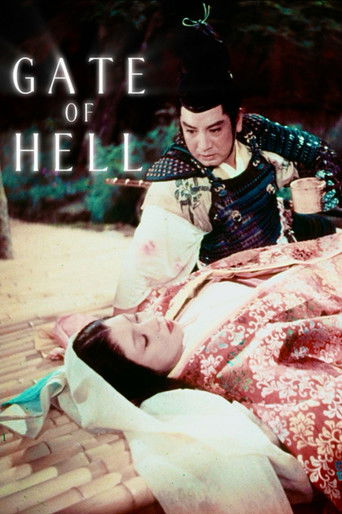 7.1
7.1Japan, 1159. Moritō, a brave samurai, performs a heroic act by rescuing the lovely Kesa during a violent uprising. Moritō falls in love with her, but becomes distraught when he finds out that she is married.
Gate of Hell
1953
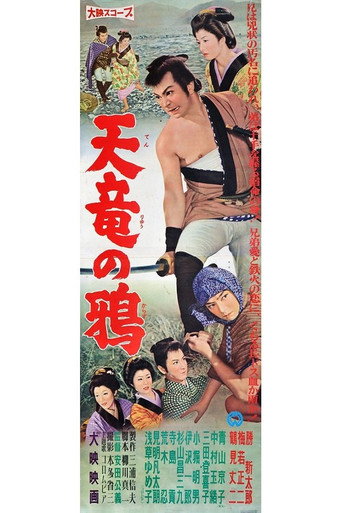 NR
NRNo synopsis available yet.
Tenryū no karasu
1959
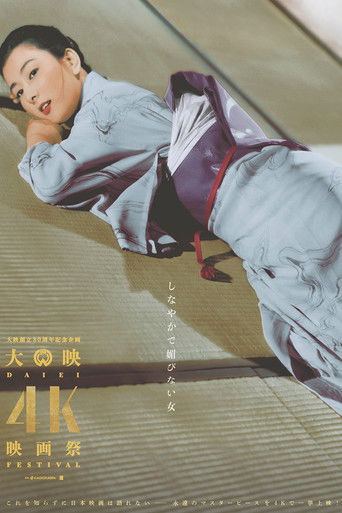 6.2
6.2In Kyoto a young kimono maker with traditional ideas gets involved with a married professor.
Undercurrent
1956
No synopsis available yet.
Okesa karasu
1958
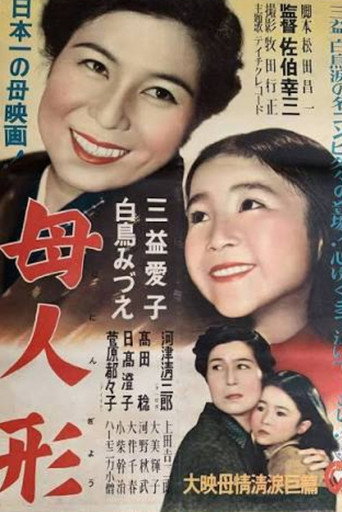 NR
NRNo synopsis available yet.
Haha ningyō
1951
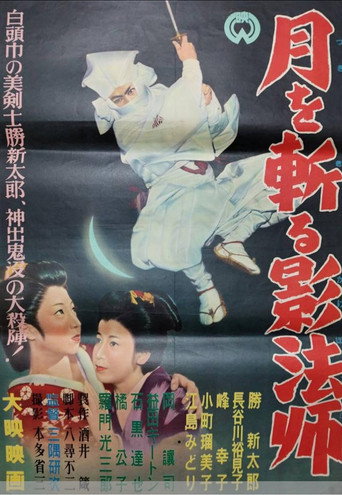 NR
NRBy day, he is a young master whose beauty melts women’s hearts. By night, he is the elusive “White Hood.”
The Shadow That Kills the Moon
1955
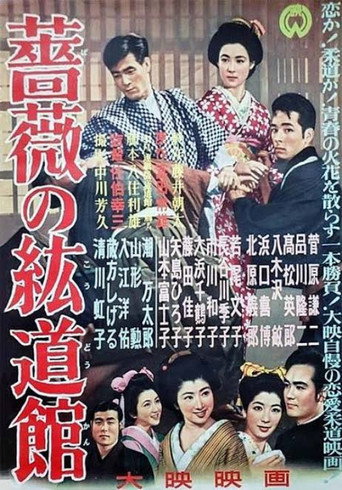 NR
NRNo synopsis available yet.
Bara no kōdōkan
1956
 6.8
6.8Japan, 1137. The Taira family, a samurai clan, becomes involved in the disputes between Emperor Toba and the monks of Mount Hiei.
Taira Clan Saga
1955
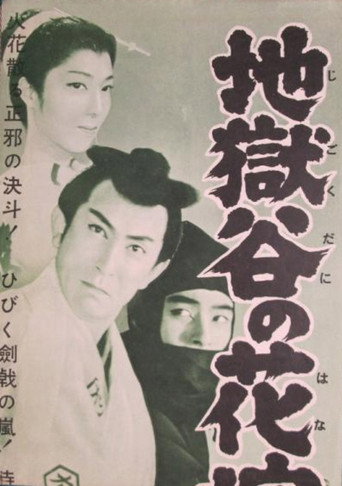 NR
NRNo synopsis available yet.
Jigoku dani no hanayome
1955
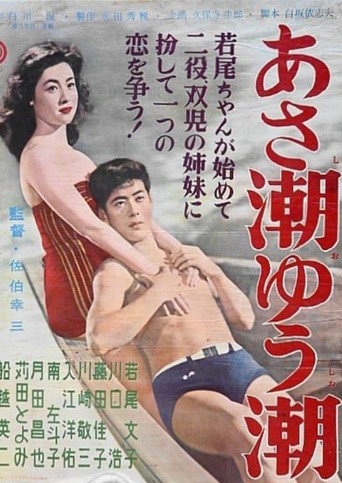 NR
NRA sweet and melancholy melodrama set against the backdrop of the beautiful Seto Inland Sea, in which a pair of twin sisters, one a young lady of high birth, the other a maid, are manipulated by the threads of fate as they vie for the affection of the same young man.
Asashio yushio
1956
 NR
NRNo synopsis available yet.
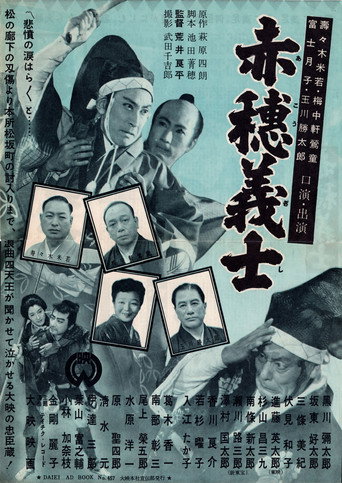
Akōgishi
1954
 NR
NRNo synopsis available yet.
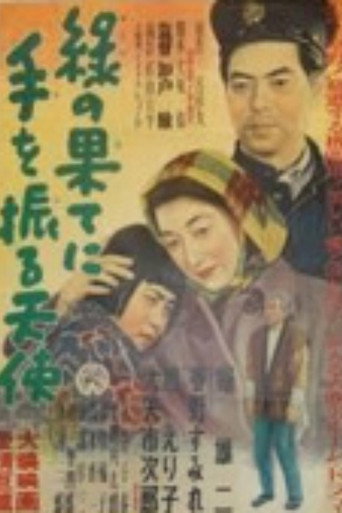
Midori no hate ni te o furu tenshi
1951
 NR
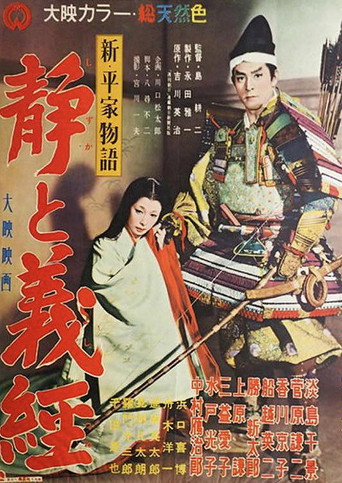
NR1956 Daiei movie
New Tale of Genji: Shizuka and Yoshitsune
1956
 7.0
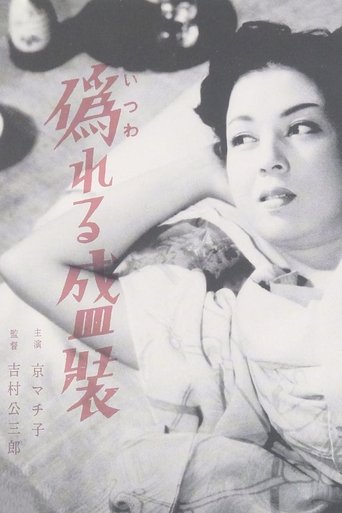
7.0The story of two sisters in post-war Japan. One is a geisha and the other works for the tourist board.
Clothes of Deception
1951
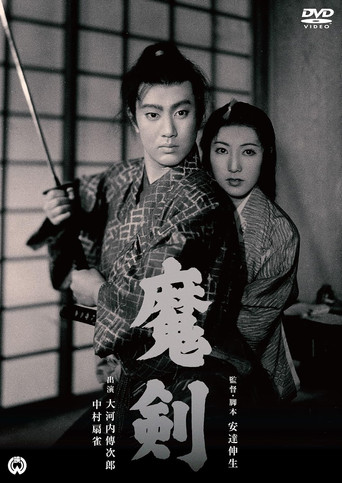 NR
NRA young swordsman takes on the mysterious, deadly “Demon Sword” wielded by a nihilistic master swordsman who trusts neither human compassion nor a woman’s heart… What is the fate of the undefeated Demon Sword?
Demon Sword
1953
1940s · 11 titles
No synopsis available yet.
Sabakareru aijō
1947
No synopsis available yet.
Onatsu Seijurō
1946
No synopsis available yet.
Tebukuro o nugasu otoko
1946
 6.5
6.5A scientist successfully creates an invisibility serum, only to be kidnapped by a gang of thugs who wish to use the formula to rob a priceless jewel.
The Invisible Man Appears
1949
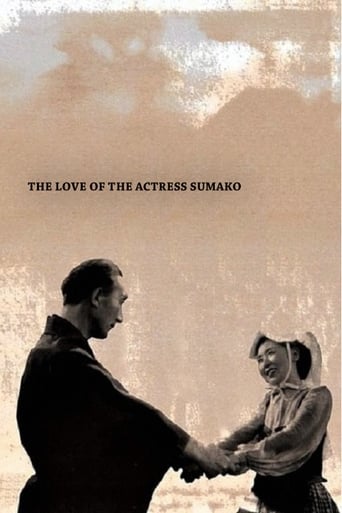 7.0
7.0Stage director Shimamura, who is bringing western theatre to Japan, falls in love with outspoken actress Sumako Matsui, and leaves his family to be with her, while trying to keep his Art Theatre solvent.
The Love of the Actress Sumako
1947
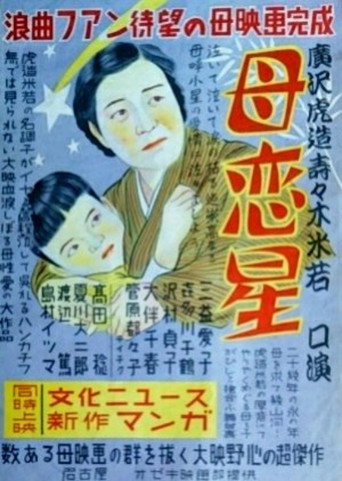 NR
NRNo synopsis available yet.
Haha koiboshi
1949
The "opinion leader" of the "opinion leaders" is furious at the "opinion leader's" opinion.
Tenka no gyoi kenban o iken suru otoko
1947
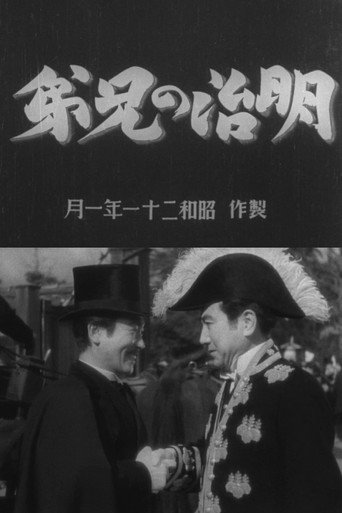 NR
NRNo synopsis available yet.
Meiji no kyōdai
1946
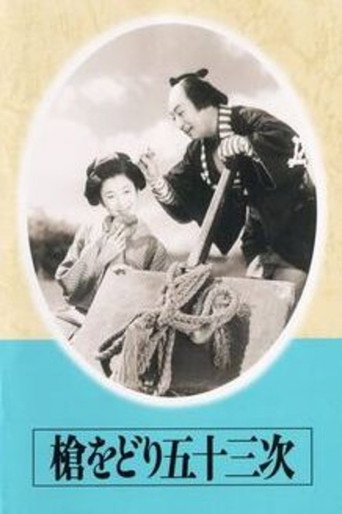 NR
NRA spearman who had long admired the samurai rises up after learning of cruelty of the samurai class.
Yari-odori gojūsantsugi
1946
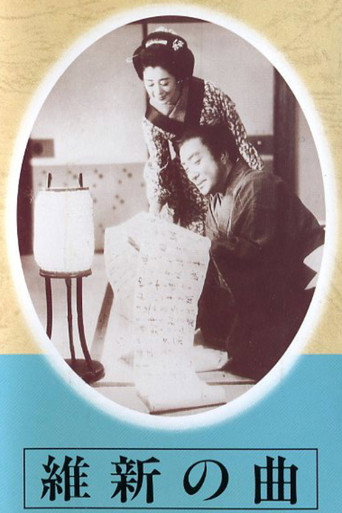 NR
NRThe first film produced by Daiei.
The March of the Restoration
1942
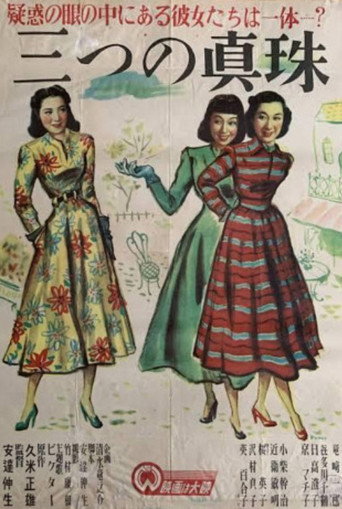 NR
NRExpressing the distinct personalities of the three daughters.
Three Pearls
1949