
Known for
No synopsis available yet.
Naši synovia
1975
No synopsis available yet.
Pavol zasahuje
1974
No synopsis available yet.
Diabol vo Francúzsku
1991
The TV dramatization of PO Hviezdoslav's epic tells of a time when the feudal system as a social force begins to disappear. Its only salvation is to merge with the people. Ežo is a supporter of this idea.
Ežo Vlkolinský
1978
 10.0
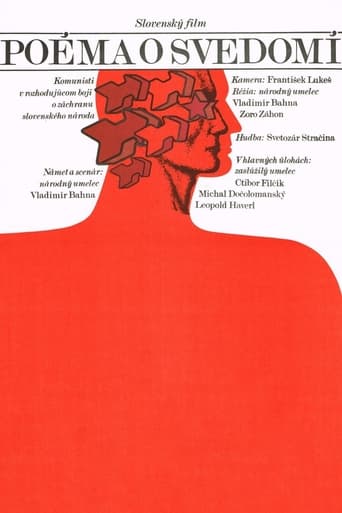
Historical reconstruction of the events of the anti-fascist struggle in Slovakia in 1943 and 1944.
Poéma o svedomí
1979
No synopsis available yet.
Reťazenie
1984
Film credits
1980s · 15 titles
A dramatic love story in the front line.
Na druhom brehu sloboda
1984
No synopsis available yet.
Prstienky z kukučiny
1989
 5.5
Traveling salesman in a small town before WW2 makes a solemn promise to kill himself. Later he finds that the local people took him very seriously.
The Death of Mr Goluza
1982
No synopsis available yet.
Čarovný nápev
1988
No synopsis available yet.
Kto ste, Jozef Gabčík
1987
No synopsis available yet.
Tvár v rose
1989
A 1984 Slovak language drama film directed by Martin Tapák.
Dies irae
1984
A television film about the life and times of Slovak emigrant Štefan Banič, who was granted a patent in the United States for the invention of the parachute.
A million-dollar man
1988
No synopsis available yet.
Železný človek
1981
Biographical film about the work of the young Klement Gottwald. The story depicts his stay in Banská Bystrica, where he edited the Slovak communist press and helped organise the communist revolutionary movement.
Zrelá mladosť
1983
A psychological film depicting the professional beginnings of a young architect. As the head of a design studio, his uncompromising attitude arouses hostility and hatred from colleagues and subordinates accustomed to an easy life through patronage and bribery.
Zbohom, sladké driemoty
1984
No synopsis available yet.
Podobizeň prvej lásky
1980
 10.0
No synopsis available yet.
Cnostný Metod
1980
No synopsis available yet.
Kozubovci
1983
No synopsis available yet.
Stilmondský starosta
1989
1970s · 16 titles
The TV dramatization of PO Hviezdoslav's epic tells of a time when the feudal system as a social force begins to disappear. Its only salvation is to merge with the people. Ežo is a supporter of this idea.
Ežo Vlkolinský
1978
10.0Historical reconstruction of the events of the anti-fascist struggle in Slovakia in 1943 and 1944.
Poéma o svedomí
1979
 7.0
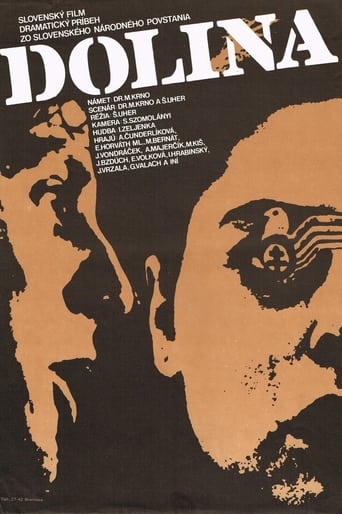
A dramatic story of the emotional, moral and political maturation of two young people during the Slovak National Uprising.
Dolina
1973
No synopsis available yet.
Bývalí ľudia
1970
Once upon a time there was a king who had only one daughter. However, his kingdom was sad because the old king was always grumpy. Moreover, he liked to eat boiled duck, of course. There was no one left in the kingdom, so he decided that whoever brought him his delicacy would get the princess as his wife.
Roztancované kráľovstvo
1974
A television film, an adaptation of Vladimír Mináč's first novel. The dramatic story of two brothers during the Slovak National Uprising provides artistic testimony to authentic events from the Slovak mountains in 1944.
Smrť chodí po horách
1979
A balladic story situated in a Slovak mountain region before the 2nd World War. A young man returns to his native village after many years. There he meets Zuna, a mysterious girl of the forest, who opens his eyes to the charming nature to perceive hidden corners of the world and of his own soul.
The Bride of the Mountains
1972
No synopsis available yet.
Milosrdný čas
1976
 5.0
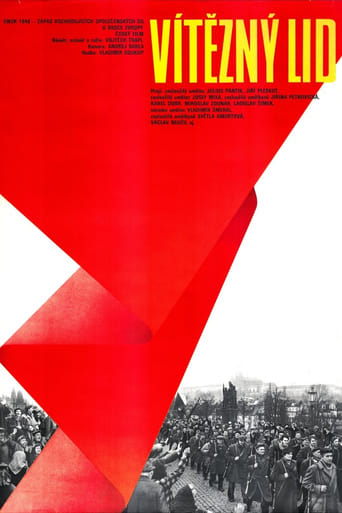
February 1948. The struggle of decisive social forces for the heart of Europe.
Vítězný lid
1978
The film is based on the memoirs of partisan commander Peter Kružliak. Lieutenant Peter Kubiš is ordered to move with his unit to the mountains after the fall of Banská Bystrica, where he is to receive further orders. No one is waiting, on the contrary, civilian refugees from Banská Bystrica are also entrusted to his protection. In addition, the headquarters sends him to "take care" of captured German soldiers. A serious dispute arises over whether to liquidate the prisoners or not. The final decision must be made and enforced by Lieutenant Kubiš - he refuses to carry out the sentence without a decision from a field court. Kubiš sends the captured Germans - hostages to Banská Bystrica to guarantee the safe return of the civilian population to the city.
Rozhodnutie
1976
 7.0
A musical comedy about worries with basketball, violin and love.
Smoliari
1978
 NR
The story of a young college student who loses his parents and well-off family background in a car accident. He gradually finds inner balance with the help of a group of young workers whose friendship helps him overcome difficult life problems.
Dvere dokorán
1978
No synopsis available yet.
Mína z Barnhelmu
1974
 7.0
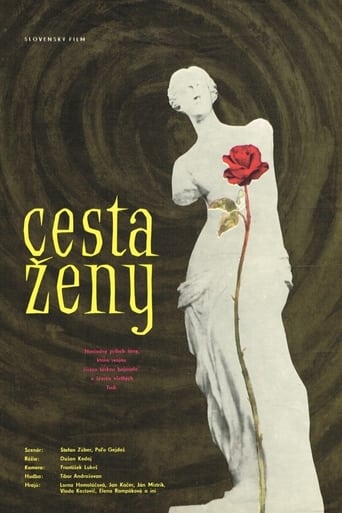
A chronicle of dramatic events capturing the fates of people living in a Slovak village just after World War II. Thirty years later, the main character Anna recalls a decision that fundamentally changed her life. During the period of incipient collectivization, she chose happiness and a difficult life with a poor man founding a cooperative in the village, although this significantly weakened her relationship with her own mother and at the same time interrupted a long-standing tradition in relation to the preservation of family property.
Cesta ženy
1975
No synopsis available yet.
Blízke diaľavy
1979
No synopsis available yet.
Zlozor
1971
1960s · 8 titles
On Christmas Eve, 1944, in Nazi-occupied Slovakia, the Kubiš family grapples with survival amidst brutal reprisals. Marián collaborates as a fascist guard leader, while his sister Angela has an affair with their Nazi lodger, Major Brecker. The situation escalates when their younger son, Juraj, a former partisan fighter, returns home wounded. As Germans search homes for escapees, Juraj hides in the attic, while an unsettling Christmas dinner unfolds below with Major Brecker present.
Midnight Mass
1962
 7.8
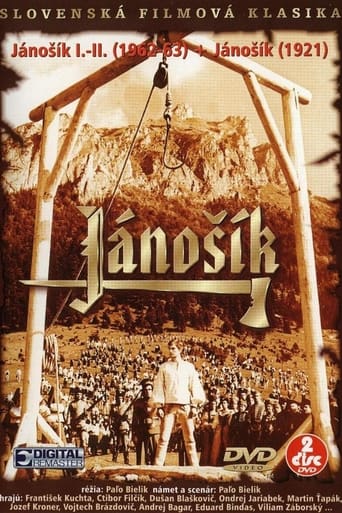
This film is one of the most popular pictures of Slovak cinema and relates the story about the legendary folk hero and brigand Juro Jánošík [1688-1713] and the social situation in Slovakia of the late 17th and early 18th centuries. The first part talks about Jánošík's childhood, studies and return to his native village. In the second part Jánošík leaves for the hills, where he organizes his band of brigands and starts an anti-feudal resistance. The film concludes with Jánošík's execution.
Jánošík
1963
 6.7
Maria, an inn keeper, is always a bride but never a wife. She meets newcomer Pierre, who disturbs the peace of the small village and teaches the locals how to enjoy life. E. Havetta's debut was inspired by naïve art, French impressionism, silent slap-stick and Western Slovakian folk traditions.
Celebration in the Botanical Garden
1969
The freshly graduated engineer gradually sobers up from his student ideals and encounters a different reality than he had expected. Few people understand his resistance to the established conditions in a prosperous company, and the hero's personal conflicts with his superiors deepen. He recognises hypocrisy: people say something different from what they really think. He encounters sycophancy and calculation whether he stays in the country or moves to the big city.
Pre mňa nehrá blues
1965
 9.0
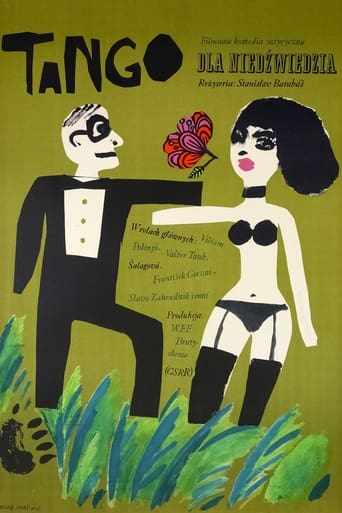
The unhappy and desperate director of the Šúpala Zoo tries to sell a sick bear to a foreign tourist for shooting, because the purchase of other animals for the ZOO is only possible with anti-socialist currency, i.e. hard currency, and so the administrator does everything possible and impossible just to get them...
Tango pre medveďa
1967
 6.9
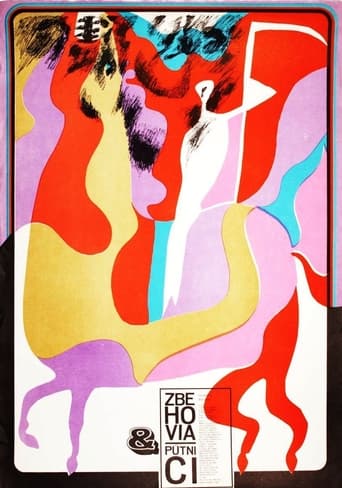
An apocalyptic story of three wars in three film tales encompassing the end of the WWI,WWII, as well as a vision of the world destroyed by nuclear weapons. This film was honored at the film festivals in Venice and Sorrento. Immediately after that the copy with Italian subtitles was locked in a safe as evidence of the anti-communist activities of the director, who used real footage of the Soviet invasion.
The Deserter and the Nomads
1968
Slovak partisans, bravely fighting against Nazi superiority, would never have succeeded to such an extent if they had not been supported by the villagers. Despite the threat of repression, it is the villagers who care for the wounded, hide them, and behave conscientiously. Although the film was made in the late 1960s, it fully adopts the patterns of partisan stories, perhaps the only thing it can be credited with is a more developed sense of authenticity in the story, characters, and setting.
Stopy na Sitne
1969
No synopsis available yet.
Kôň v senáte
1967
Series credits
No synopsis available yet.
Naši synovia
1975
No synopsis available yet.
Pavol zasahuje
1974
No synopsis available yet.
Reťazenie
1984
No synopsis available yet.
Jedenáste prikázanie
1977
No synopsis available yet.
Vzbúrené mesto
1984
No synopsis available yet.
Najkrajšie roky života
1977
No synopsis available yet.
Generácia
1969