
Directing
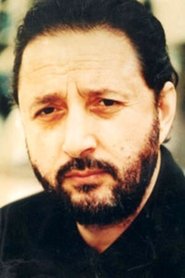
Omar Amiralay
Born — Died
1944-01-01 — 2011-02-05
Place of birth
Damascus, Syria
Known for
Directing
Credits
20 titles
Omar Amiralay (Arabic: عمر أميرالاي) (1944 — 5 February 2011)was a Syrian documentary film director and prominent civil society activist. He is noted for the strong political criticism in his films and played a prominent role in the events of the Damascus Spring of 2000.
Known for
 6.0
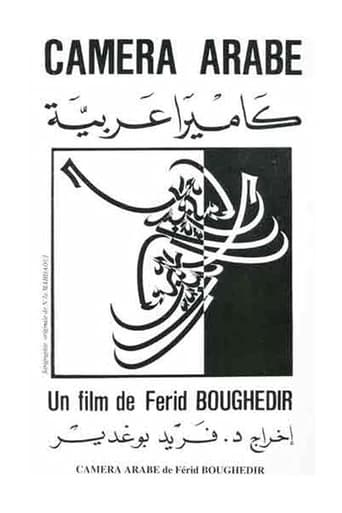
6.0Focusing on key Arab films produced in the last 20 years. Férid Boughedir traces the development of the film-makers' concern to produce more socially aware cinema. Themes include the issue of Palestinian homeland rights and the nature of Arab identity. The film-makers also share a desire to develop a strong poetic tradition.
Arab Camera
1987
 NR
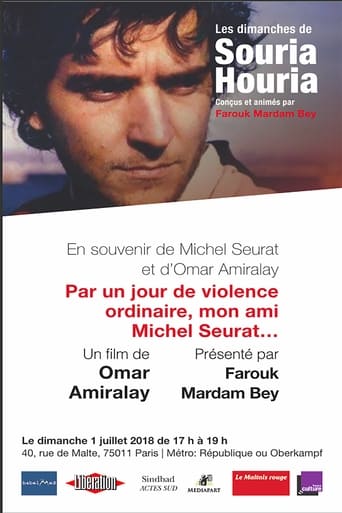
NROn 22nd May 1985, Jean-Paul Kaufman and Michel Seurat were kidnapped by the Islamic Jihad on the road to Beirut airport. Seurat died after 8 months of captivity.
On a Day of Ordinary Violence, My Friend Michel Seurat...
1996
 NR
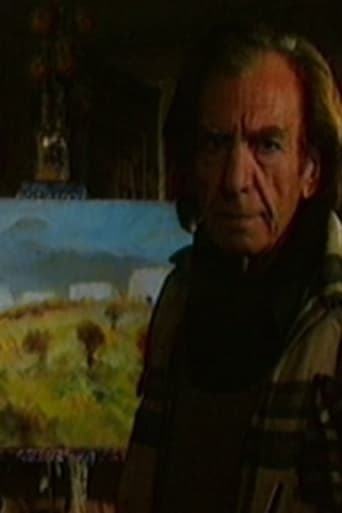
NRFateh Moudarres (1922-1999) was a crucial personage in Syrian artistic and cultural life, a pioneer of contemporary painting, a literate and prolific novelist. For about forty years has transformed his atelier, located in the center of Damascus, into a place of encounter and dialogue on art. The film is a journey of love to the artist's universe, to his works composed from memories of light, colors, and the shadows of a painful existence.
Moudarres
1995
Through mordant social commentary and symbolic irony, Amiralay focuses this film on the chicken farming industry in the rural Syrian village of Sadad. He documents the burdened livelihoods of farmers and the economic policies of the government that encouraged industrial egg productions rather than artisanal trades, a switch that ultimately led to the plight of the Sadad's rural peasant class.
The Chickens
1977
Omar Amiralay examines how Yemen's revolution comes to fruition. There is a mix of hope that here perhaps a state will succeed in the socialist project, with the knowledge of how it slipped off at home.
About a Revolution
1978
 NR
NRThe Man with the Golden Soles is a Syrian documentary film by the director Omar Amiralay. The film, released in 2000, is about the then Lebanese Prime minister Rafic Hariri
The Man with the Golden Soles
2000
Film credits
Behind the camera
NROn 22nd May 1985, Jean-Paul Kaufman and Michel Seurat were kidnapped by the Islamic Jihad on the road to Beirut airport. Seurat died after 8 months of captivity.
On a Day of Ordinary Violence, My Friend Michel Seurat...
1996
NRFateh Moudarres (1922-1999) was a crucial personage in Syrian artistic and cultural life, a pioneer of contemporary painting, a literate and prolific novelist. For about forty years has transformed his atelier, located in the center of Damascus, into a place of encounter and dialogue on art. The film is a journey of love to the artist's universe, to his works composed from memories of light, colors, and the shadows of a painful existence.
Moudarres
1995
Through mordant social commentary and symbolic irony, Amiralay focuses this film on the chicken farming industry in the rural Syrian village of Sadad. He documents the burdened livelihoods of farmers and the economic policies of the government that encouraged industrial egg productions rather than artisanal trades, a switch that ultimately led to the plight of the Sadad's rural peasant class.
The Chickens
1977
Through mordant social commentary and symbolic irony, Amiralay focuses this film on the chicken farming industry in the rural Syrian village of Sadad. He documents the burdened livelihoods of farmers and the economic policies of the government that encouraged industrial egg productions rather than artisanal trades, a switch that ultimately led to the plight of the Sadad's rural peasant class.
The Chickens
1977
Omar Amiralay examines how Yemen's revolution comes to fruition. There is a mix of hope that here perhaps a state will succeed in the socialist project, with the knowledge of how it slipped off at home.
About a Revolution
1978
NRThe Man with the Golden Soles is a Syrian documentary film by the director Omar Amiralay. The film, released in 2000, is about the then Lebanese Prime minister Rafic Hariri
The Man with the Golden Soles
2000
 9.0
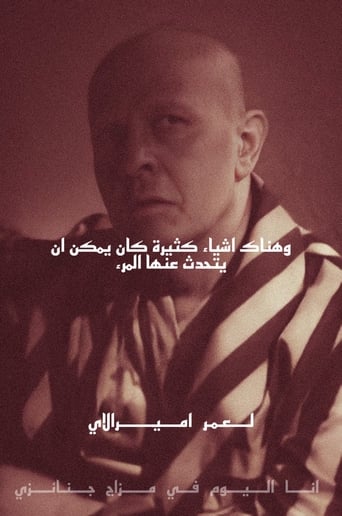
9.0The film was based on an interview with the late dramatist Saadallah Wannous a few months before he died of cancer. Wannous narrates his somber and relentless reflections – an adieu to a generation for whom the Arab-Israeli conflict has been the source of all disillusion. The playwright recounts, with some regret for the lost opportunities that resulted, how the Palestinian struggle became a central part of intellectual life for an entire generation
There Are Many Things One Can Talk About...
1997
9.0The film was based on an interview with the late dramatist Saadallah Wannous a few months before he died of cancer. Wannous narrates his somber and relentless reflections – an adieu to a generation for whom the Arab-Israeli conflict has been the source of all disillusion. The playwright recounts, with some regret for the lost opportunities that resulted, how the Palestinian struggle became a central part of intellectual life for an entire generation
There Are Many Things One Can Talk About...
1997
 NR
NRTrained as an electrician, Nazih Shahbandar became fascinated with the technology behind film production and was one of the pioneers of cinema production in the 1930s and 1940s. In 1947, he set up a studio fitted with film equipment that was almost entirely of his own fabrication. He wrote scripts, built sets, and innovated new methods of sound recording and transmission. As an enthusiastic inventor, he produced and directed the first Syrian film with sound. His dream was to film and screen a 3D film. An ode to cinema, this documentary is a portrait of Shahbandar.
Light and Shadows, the Last of the Pioneers: Nazih Shahbandar
1994
 2.5
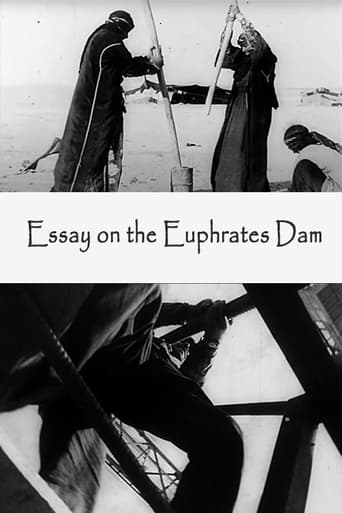
2.5The construction of a dam on the Euphrates River is an example of a country’s economic development. Through grandly composed images, rhythmic editing, and aestheticized details, the director demonstrates his admiration for the interwar avant-garde. The film is a celebration of the new, while at the same time showing a traditional way of life and calling attention to working conditions; it is a refrain-like evocation of an arid country that explores the difficult lot of Syria’s rural inhabitants.
Film-Essay on the Euphrates Dam
1970
2.5The construction of a dam on the Euphrates River is an example of a country’s economic development. Through grandly composed images, rhythmic editing, and aestheticized details, the director demonstrates his admiration for the interwar avant-garde. The film is a celebration of the new, while at the same time showing a traditional way of life and calling attention to working conditions; it is a refrain-like evocation of an arid country that explores the difficult lot of Syria’s rural inhabitants.
Film-Essay on the Euphrates Dam
1970
 7.7
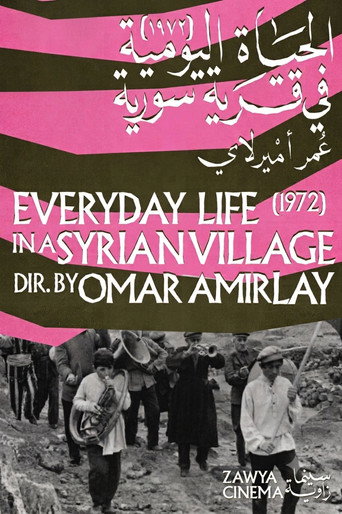
7.7The first documentary to present an unabashed critique of the impact of the Syrian government’s agricultural and land reforms, Everyday Life in a Syrian Village delivers a powerful jab at the state’s conceit of redressing social and economic inequities.
Everyday Life in a Syrian Village
1974
7.7The first documentary to present an unabashed critique of the impact of the Syrian government’s agricultural and land reforms, Everyday Life in a Syrian Village delivers a powerful jab at the state’s conceit of redressing social and economic inequities.
Everyday Life in a Syrian Village
1974
 7.1
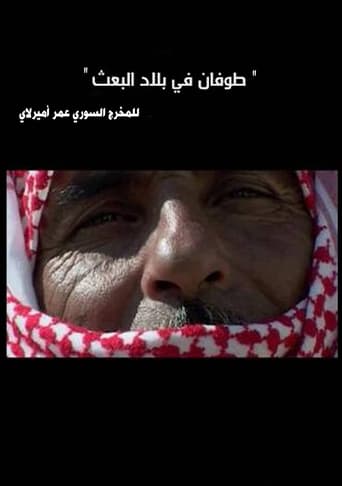
7.1A look at the Baath party's project to construct a system of dams.
A Flood in Baath Country
2003
 8.0
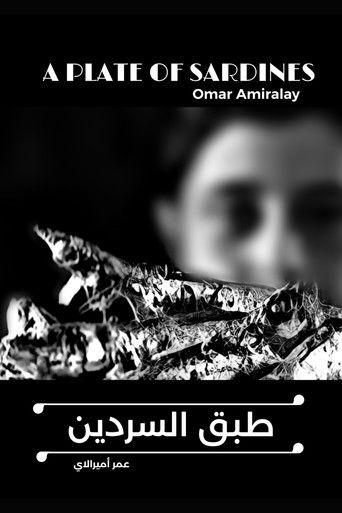
8.0A man recollects the conflict in the middle east through his personal memory. In this short documentary, Amiralay reflects on the first time he heard of Israel. Through recorded conversations with filmmaker Mohamed Malas, both Amiralay and Malas share their own unique stories and experiences about Israel and Israeli occupation. In the company of fellow Syrian filmmaker Mohammad Malas, the ground-breaking director Omar Amiralay revisits the ruins of the destroyed Golan village of Quneytra, occupied by Israel and then abandoned following the 1973 war.
A Plate of Sardines
1997
8.0A man recollects the conflict in the middle east through his personal memory. In this short documentary, Amiralay reflects on the first time he heard of Israel. Through recorded conversations with filmmaker Mohamed Malas, both Amiralay and Malas share their own unique stories and experiences about Israel and Israeli occupation. In the company of fellow Syrian filmmaker Mohammad Malas, the ground-breaking director Omar Amiralay revisits the ruins of the destroyed Golan village of Quneytra, occupied by Israel and then abandoned following the 1973 war.
A Plate of Sardines
1997
Directed by Omar Amiralay.
Video on Sand
1984
 NR
NRIn the year leading up to a 1985 international conference on gender equality in Beijing, filmmakers all over the world took part in a series of documentary films exploring changing relationships between men and women. Amiralay, invited to explore the changing social and economic status of women in Egypt, chose his female protagonists from across classes—lawyers, actresses, domestic workers—and dared them to reveal the intricacies of their interior worlds.
Love Aborted
1985
Hajj Ali makes a living as a taxi driver during the day, carrying citizens safely across the city, but he also runs a funeral home, waiting for “customers” to be delivered daily. As he documents one man’s existence in a civil war-ravaged Beirut, Amiralay creates a tragicomic portrait of a society held captive by conflict.
The Misfortunes of Some
1981