
Known for
 6.9
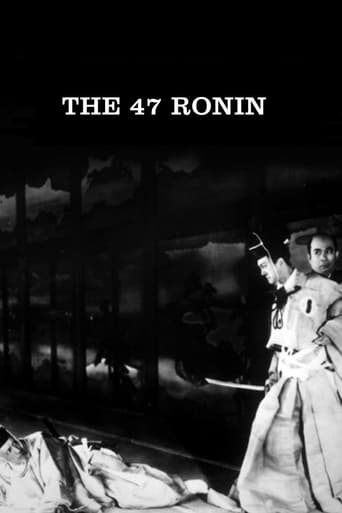
6.9In the early 18th-century, Lord Takumi-no-kami Asano, feuding with Lord Kira, tries to kill his opponent in the corridors of the Shogun's palace. The Shogun sentences Asano to seppuku and deprives the palace and lands from his clan, but does not punish Kira. Asano's vassals leave the land and his samurais become ronin and want to seek revenge against the Lord's dishonour. But their leader Kuranosuke Oishi seeks to restore the Asano clan with his brother Daigaku Asano. One year later, the Shogun refuses, and Oishi and 46 rōnin are out for revenge.
The 47 Ronin
1941
 10.0
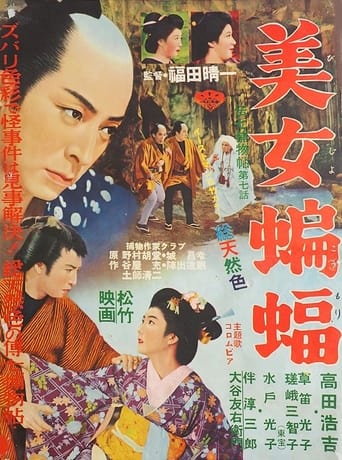
10.0The head of Oshu, Harumichi Honma, was ordered by the boat bugyo (Commissioner of the board) Tajima Kuze to extract five gold coins to the Shogun family in Edo, and put it into Ryujin Maru. However, Tajima, who was the chief retainer of the shogunate, said that he was a member of the board, tetsugoro Funabashi, kumiyumi no Kami ichibei, and his son, masakichi, and others, and in the middle of the night, he killed all the members with poison in the night of the storm, threw Masayoshi, who was a fellow of the city, and masakichi, who escaped from the death of poison, into the sea and sank the boat to eliminate evidence.
The Detective Denshichi Case Files: The Beautiful Bat
1957
 7.3
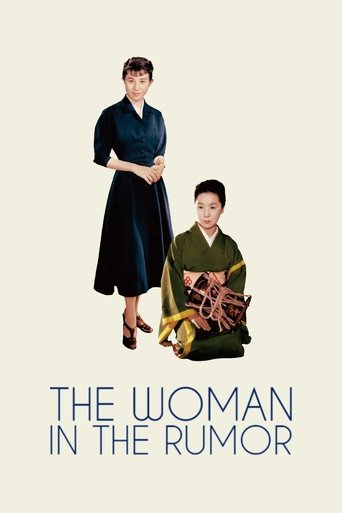
7.3After living a traumatic experience in Tokyo, Yukiko returns to Kyoto, where Hatsuko, her mother, runs a brothel, which upsets Yukiko very much.
The Woman in the Rumor
1954
 6.0
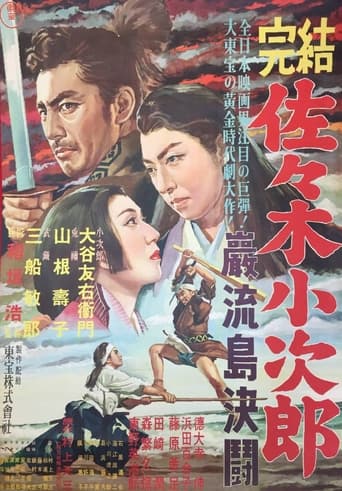
6.0Director Hiroshi Inagaki's early version of the life and death of famed swordsman Sasaki Kojiro. Otani Tomoemon gives a brilliant performance as Sasaki Kojiro, who rises from humble beginnings to national fame, and a young Toshiro Mifune appears as the legendary master swordsman Miyamoto Musashi for the first time and essentially sets the standard for future portrayals.This masterpiece is based on the original story as written by noted author Murakami Genzo and is far superior to any other versions. Following Kojiro from his earliest days through his fateful meeting with Musashi, this movie is filled with exciting and dramatic moments culminating in the best version of the final duel ever seen on film.
Sasaki Kojiro
1951
 NR
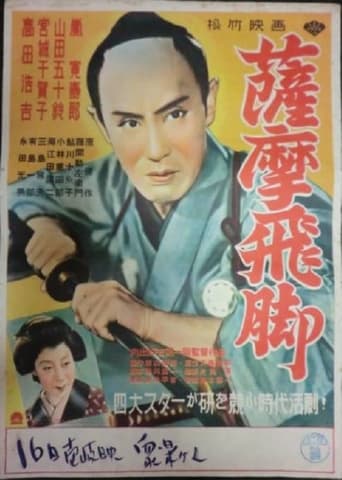
NRNo synopsis available yet.
Satsuma-bikyaku
1951
 NR
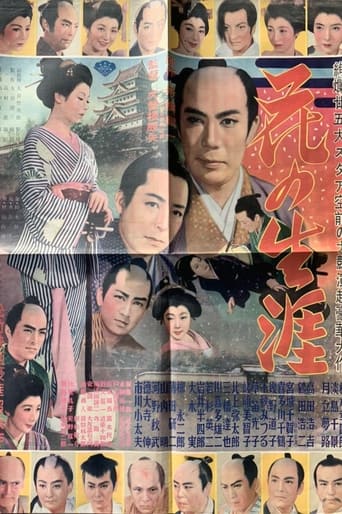
NRIn 1842, in the Umemoku Mansion within Hikone Castle, Naosuke Ii, despite the tumultuous times, was engrossed in the world of tea ceremony. His friend, the Kokugaku scholar Nagano Shuzen, introduced him to a captivating shamisen master named Murayama Taka. Naosuke became deeply infatuated with her, disregarding the jealousy of his consort Shizu and the warnings of his senior retainer, Gaiji. However, upon discovering Taka's relationship with Shuzen, Naosuke promptly ended his ties with her.
Hana no shôgai
1953
Film credits
1960s · 3 titles
1950s · 35 titles
10.0The head of Oshu, Harumichi Honma, was ordered by the boat bugyo (Commissioner of the board) Tajima Kuze to extract five gold coins to the Shogun family in Edo, and put it into Ryujin Maru. However, Tajima, who was the chief retainer of the shogunate, said that he was a member of the board, tetsugoro Funabashi, kumiyumi no Kami ichibei, and his son, masakichi, and others, and in the middle of the night, he killed all the members with poison in the night of the storm, threw Masayoshi, who was a fellow of the city, and masakichi, who escaped from the death of poison, into the sea and sank the boat to eliminate evidence.
The Detective Denshichi Case Files: The Beautiful Bat
1957
7.3After living a traumatic experience in Tokyo, Yukiko returns to Kyoto, where Hatsuko, her mother, runs a brothel, which upsets Yukiko very much.
The Woman in the Rumor
1954
6.0Director Hiroshi Inagaki's early version of the life and death of famed swordsman Sasaki Kojiro. Otani Tomoemon gives a brilliant performance as Sasaki Kojiro, who rises from humble beginnings to national fame, and a young Toshiro Mifune appears as the legendary master swordsman Miyamoto Musashi for the first time and essentially sets the standard for future portrayals.This masterpiece is based on the original story as written by noted author Murakami Genzo and is far superior to any other versions. Following Kojiro from his earliest days through his fateful meeting with Musashi, this movie is filled with exciting and dramatic moments culminating in the best version of the final duel ever seen on film.
Sasaki Kojiro
1951
NRNo synopsis available yet.
Satsuma-bikyaku
1951
NRIn 1842, in the Umemoku Mansion within Hikone Castle, Naosuke Ii, despite the tumultuous times, was engrossed in the world of tea ceremony. His friend, the Kokugaku scholar Nagano Shuzen, introduced him to a captivating shamisen master named Murayama Taka. Naosuke became deeply infatuated with her, disregarding the jealousy of his consort Shizu and the warnings of his senior retainer, Gaiji. However, upon discovering Taka's relationship with Shuzen, Naosuke promptly ended his ties with her.
Hana no shôgai
1953
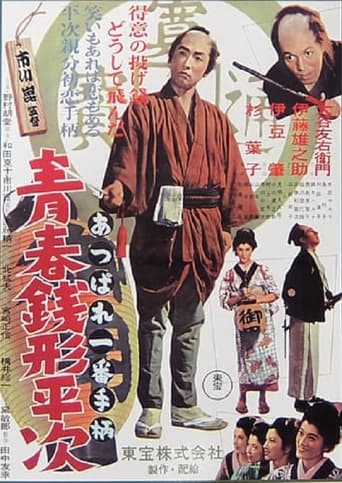 7.0
7.0No synopsis available yet.
Brilliant! The First Detective: Zenigata Heiji in His Youth
1953
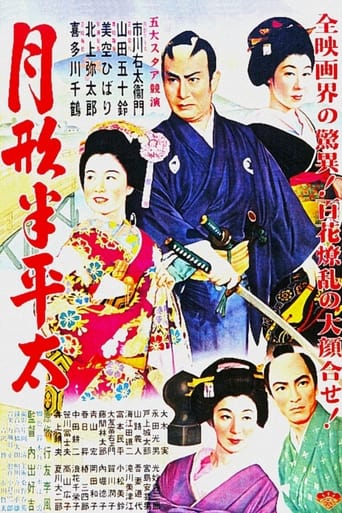 7.0
7.0During the ultra-violent era of the downfall of the Tokugawa Shogunate one man rose above the rest with his ideas of how to overthrow the corrupt government and end the bloodshed between the Choshu and Satsuma clans which would ultimately lead to the alliance of these 2 clans and restoration of the emperor to full power. Based on the play that made Sawada Shojiro famous, this is the story of Tsukigata Hanpeita, a forward looking samurai from Choshu, who along with Katsura Kogoro and Sakamoto Ryoma of Tosa worked to bring their dream of a new era in Japan.
Tsukigata Hanpeita
1952
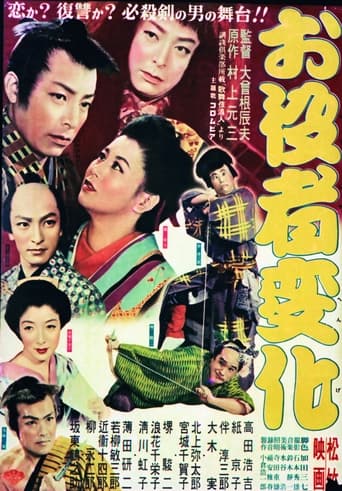 NR
NRDuring the Genroku era, Azusa Gennosuke, renowned in Nara as a top swordsman and a scholar, crossed swords with the Magistrate Kurobane Yatayu, who tried to force himself on Gennosuke's beloved foster-sister, Kikuno. As a result, Gennosuke's younger brother, Shichisaburo, was killed. Separated from his mother, Gennosuke found himself on the run from the officials.
お役者変化
1954
 10.0
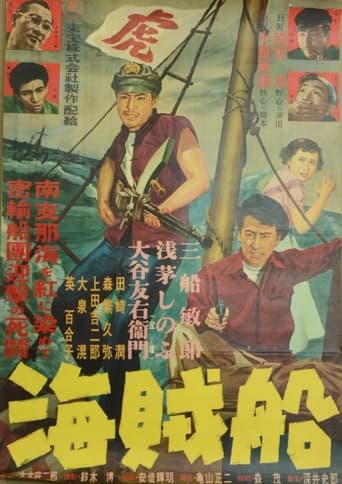
10.0No synopsis available yet.
Pirates
1951
 6.0
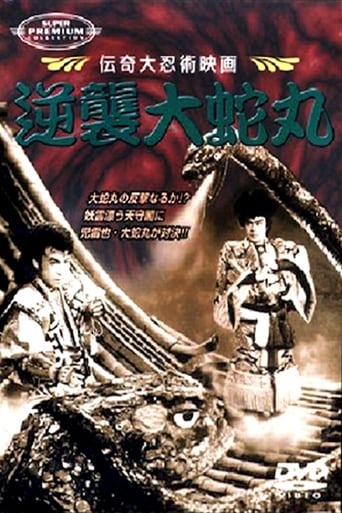
6.0An early fantasy film starring Tomisaburô Wakayama.
Gyakushû Orochimaru
1955
6.0An early fantasy film starring Tomisaburô Wakayama.
Gyakushû Orochimaru
1955
 6.3
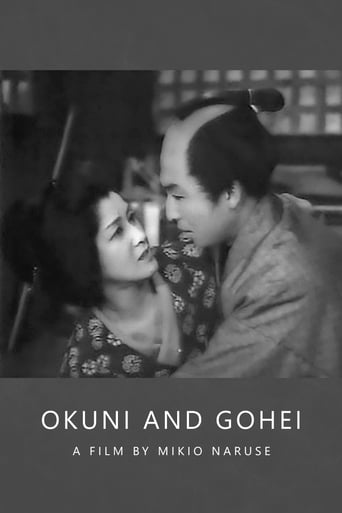
6.3A high-born woman named Okuni travels around the country with Gohei, a samurai retainer who is in service to her. They are in search of Tomonojo, who has killed the man who was Okuni’s husband and Gohei’s master, and they cannot return to their lord’s home until they have fulfilled their duty of hunting down and killing Tomonojo.
Okuni and Gohei
1952
 NR
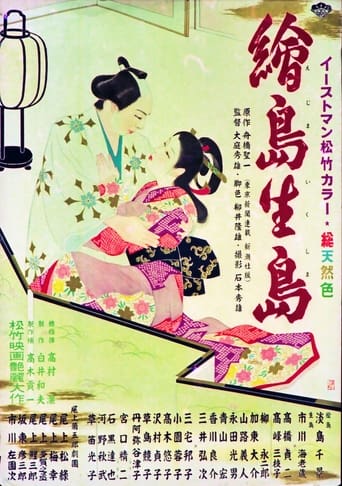
NRThis period film is inspired by one of the most notorious scandals to have taken place in Edo-period Japan. The heroine, Ejima, was a lady of the Ooku, the harem of Edo Castle in which the Shogun’s mother, wife and concubines resided, forbidden from contact with any other man except in the presence of the Shogun. The institution played a key role in the Byzantine world of Japanese court politics during the Edo era. In 1714, Lady Ejima was sent to pay her respects at a Buddhist temple in the city, and chose to pay an unauthorised visit to the kabuki theatre – a violation of protocol that was to have tragic consequences.
Ejima and Ikushima
1955
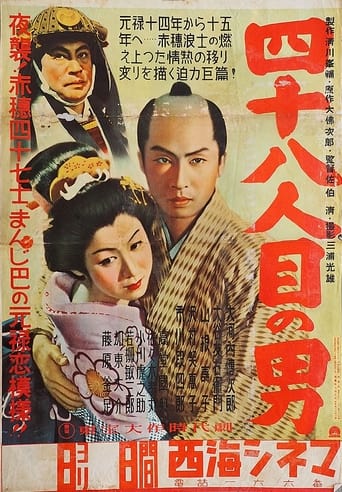 8.0
8.0Jidai-geki by Kiyoshi Saeki
Forty-Eight Man
1952
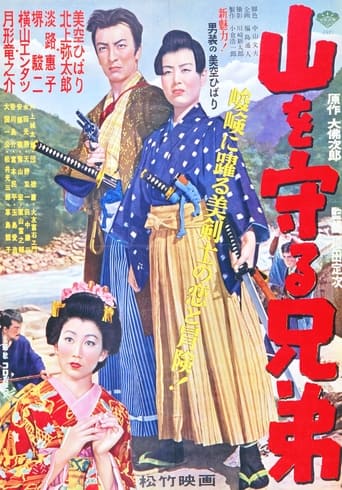 NR
NRIn the mountainous region of Koshu, Taikahara, there was an intense power struggle between the prominent families, Tamaki and Kakukura. Facing the steward of Kakukura, Kurokawa Senjiro, was Tamaki Daisaburo, who was skilled with a handgun. Daisaburo had granted protection to the charcoal maker, Miyoshi, safeguarding a few mountains passed down from their ancestors. Daisaburo's elder brother, Iori, who had completed his training in Edo, saved Kakukura's only daughter, Koyumi, on his way back home. However, while Daisaburo rushed to Iori's aid after Koyumi was attacked by Kurokawa and his men, their family home was set ablaze.
The Brothers who Protect the Mountain
1953
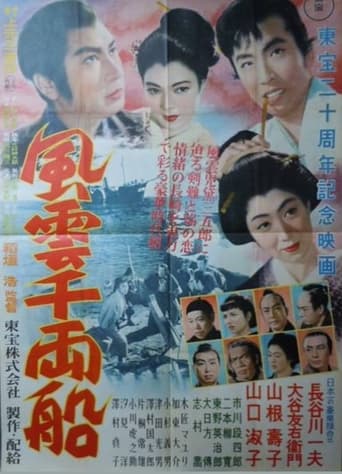 9.0
9.01952 Japanese movie
One Thousand Ryo Ship in the Wind and Clouds
1952
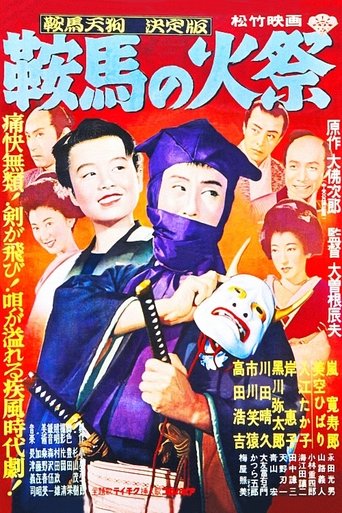 NR
NRThe masked avenger Kurama Tengu is linked to a plot to bring down the Tokugawa shogunate, but is it really our hero, or an imposter?
Kurama Tengu: The Fire Festival
1951
 10.0
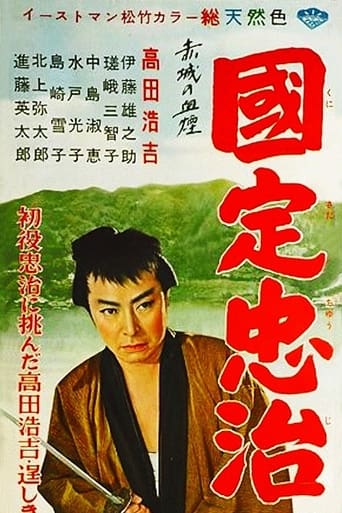
10.0Chuji Kunisada runs into strange adventures which tests his skill as a samurai as he untangles intrigue and murder against the backdrop of the majestic Mount Akagi.
The Adventures of Chuji
1957
 NR
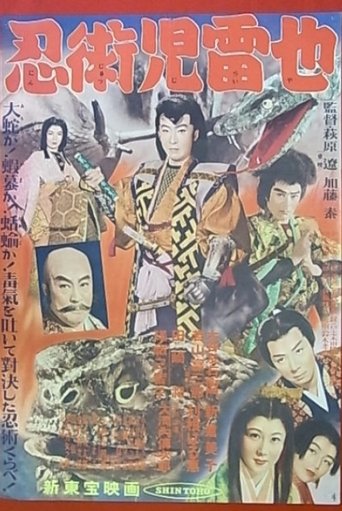
NRNinja film by Tai Kato
Ninja Arts of Jiraiya
1955
 NR
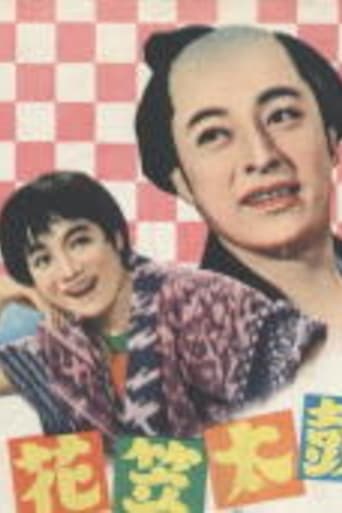
NRIn early summer in Edo, Sanshirō, known for his beautiful singing, is a devoted son living in a tenement with his blind mother Okura. He works as a delivery boy for the caterer "Yaoyorozu." His brother, Chōjirō, who disliked being a plasterer, ran away from home and became a subordinate of the yakuza Yamashita no Gonsuke. On a delivery, Sanshirō catches a vagrant child, Erippē, stealing a flower hairpin from Ochiyo, the daughter of the wealthy merchant Narumiyaya Bunzaimon. Impressed by Sanshirō's character, Bunzaimon considers him as a potential son-in-law for Ochiyo, who admires Sanshirō.
花笠太鼓
1956
 NR
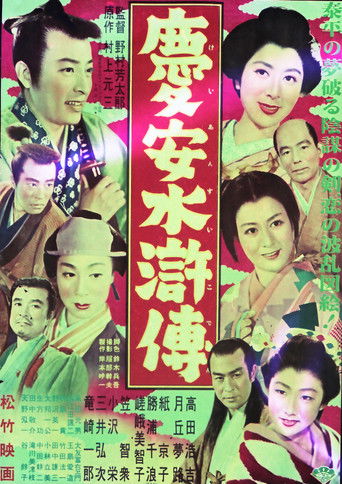
NRChikuzen, a ronin named Yoh Daisuke, after pacifying some ruffians at the theater of Onna-Kata Ogino Sawanojiki, formed a bond with the theater's bodyguard, Maruhashi Tadayasu, and Kaku, a priest. He ended up settling at the Kasugaya, the house of Oko, whom he had saved. When Oko decided to go to Edo, where her biological father lived, Daisuke accompanied her. Along the way, at Suruga Abe River, they encountered Sawanojiki's theater group, which had departed from Osaka earlier heading to Edo. A scuffle initiated by Tadayasu over a ferry boat with the students of Yui Masayuki but was amicably resolved through Masayuki's intervention.
慶安水滸傳
1954
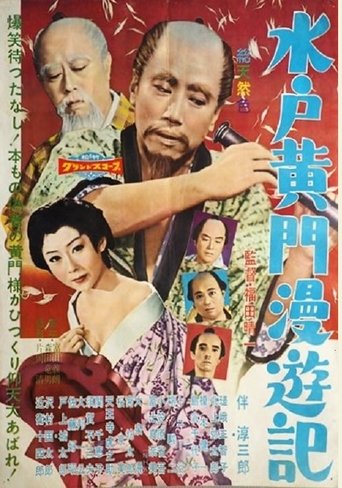 NR
NR1958 Mito Kōmon film.
The Beloved Imposters
1958
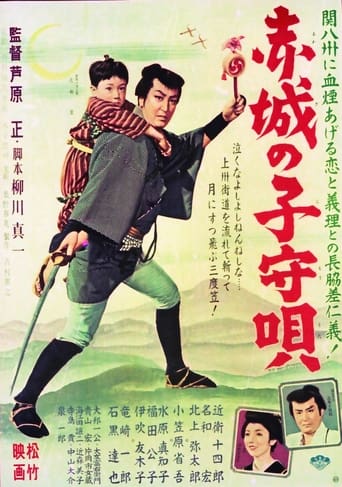 NR
NRFilm directed by Tadashi Ashihara
Akagi no komori-uta
1957
Japanese film released to commemorate the 7th anniversary of Shintoho's founding.
Kenkyō edo-murasaki
1954
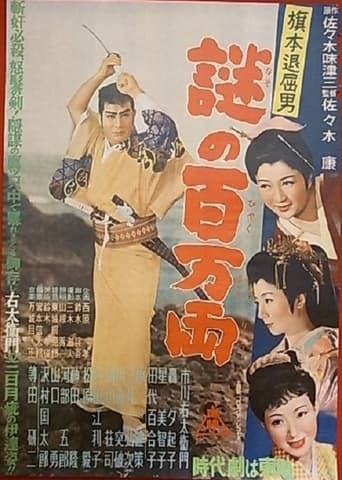 NR
NRBored Hatamoto film #16.
Bored Hatamoto: The Million-ryo Mystery
1954
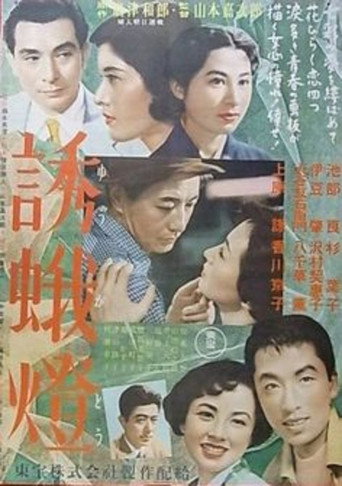 NR
NRNo synopsis available yet.
Moth Lamp
1953
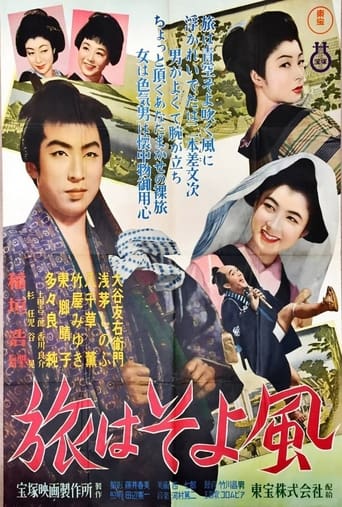 NR
NR1953 Hiroshi Inagaki movie.
Traveling with Breeze
1953
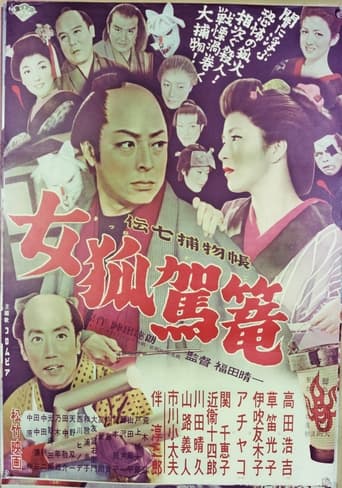 NR
NROne night in Edo, a mysterious woman in a palanquin appeared at the moneylender Yamashiroya, revealing herself to a beautiful woman. She told the owner, Shigebē, that she had come to collect a life he owed from twenty years ago and then left. The same night, Maruiya Genbē also received a visit from the woman's palanquin, and nearby, a man named Manbē was murdered. The detective Hayanawa Gohē concluded the murder was the work of a fox spirit, but another detective, Den Shichi, skeptical of this theory, noticed footprints on the tatami and decided to investigate further.
Denshichi Torimonocho: Female Fox Palanquin
1956
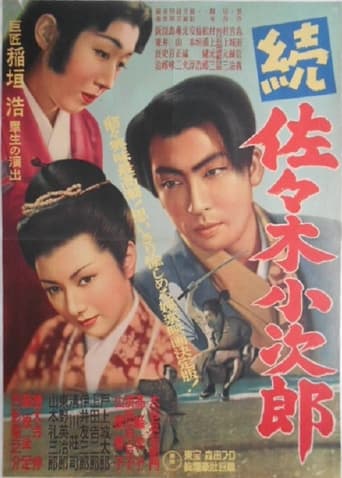 7.0
7.01951 Japanese movie
Zoku Sasaki Kojiro
1951
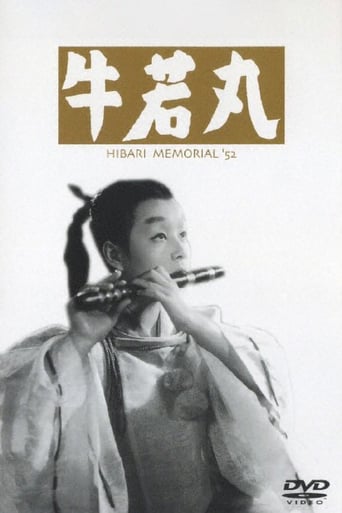 NR
NRNo synopsis available yet.
Ushiwakamaru
1952
 NR
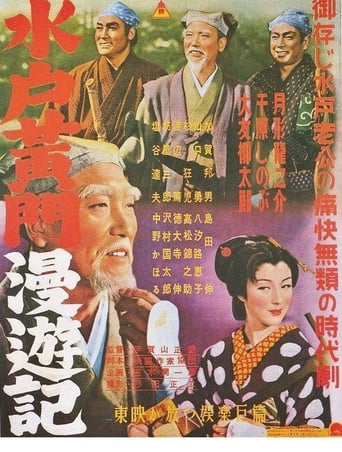
NRFourth film in the 'Travels of Lord Mito' franchise.
Travels of Lord Mito Pt.4
1954
 NR
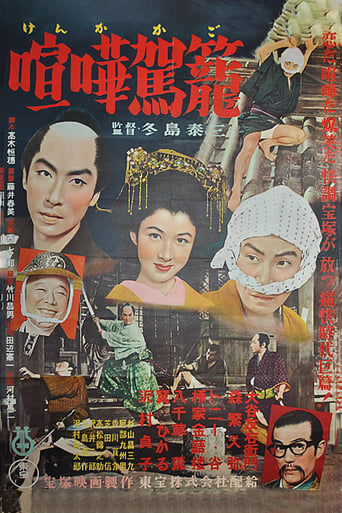
NRNo synopsis available yet.
Princess Finds Her Prince
1953
 NR
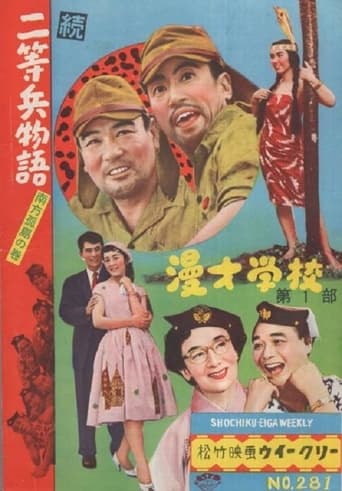
NRSecond sequel to "Story of Second Class Private".
続二等兵物語 南方孤島の巻
1956
 NR
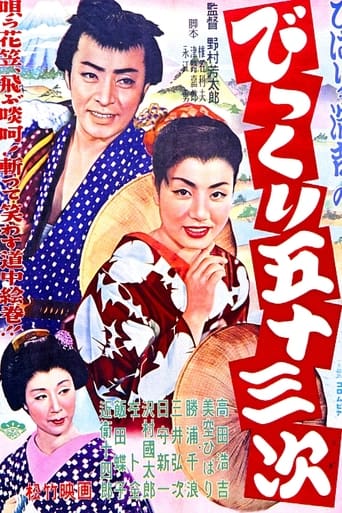
NRKintaro goes on a journey to his hometown to meet his mother and sister. His love for singing leads him to a perceptive and cheerful girl named Onatsu... A road trip comedy featuring Kokichi Takada and Hibari Misora singing and dancing.
Surprising 53 Stations of the Tokaido
1954
In the Kyōhō era under the Tokugawa shogunate, a conspiracy to usurp the household unfolded at Shinshū Kurohime Castle. The lord, Yūki Takanobu (played by Kurama Hayatarō), was targeted by his concubine O-Ran (Ayukawa Tōshiko) and her son Harunosuke, conspiring with the evil steward, Ōnuki Jūtayū (Kagawa Ryōsuke). Takanobu was assassinated by Jūtayū's swordsman Totsuka Denpachirō (Morozumi Keijirō) during a hunting expedition. The righteous elder retainer, Mizuki Shōzaemon, faced a crisis after supporting the legitimate heir, Takechiyo.
黒姫秘帳 前篇 奪われた鬼面、後篇 不知火の美女
1956
1940s · 2 titles
6.9In the early 18th-century, Lord Takumi-no-kami Asano, feuding with Lord Kira, tries to kill his opponent in the corridors of the Shogun's palace. The Shogun sentences Asano to seppuku and deprives the palace and lands from his clan, but does not punish Kira. Asano's vassals leave the land and his samurais become ronin and want to seek revenge against the Lord's dishonour. But their leader Kuranosuke Oishi seeks to restore the Asano clan with his brother Daigaku Asano. One year later, the Shogun refuses, and Oishi and 46 rōnin are out for revenge.
The 47 Ronin
1941
 NR
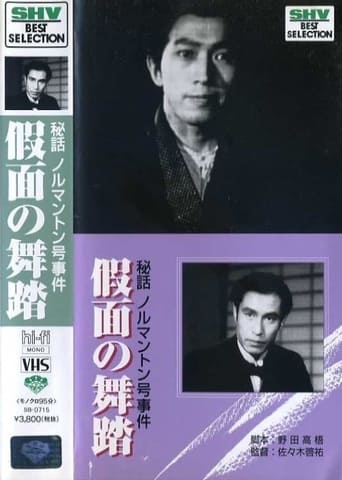
NRJapanese propaganda film about the Normanton Incident.
Dancing with a Mask
1943