

Acting
Mieko Takamine
Born — Died
1918-12-02 — 1990-05-27
Place of birth
Tokyo, Japan
Known for
Acting
Credits
63 titles
Mieko Takamine (高峰三枝子, Takamine Mieko) (2 December 1918 – 27 May 1990) was a Japanese actress and singer. Mieko Takamine was born the eldest daughter of famous chikuzen biwa player and teacher Chikufu Takamine. She gave her acting debut in the 1936 film Kimi yo takarakani utae, produced by the Shochiku studios, to which she would remain affiliated throughout her career, although she would also occasionally appear in productions of other companies after the war. Her first released record as a singer was the theme song for the film Hotaru no hikari (1938), and she soon established herself as a "singing movie star". Takamine starred in films of Japan's most notable directors, including Hirosh…
Known for
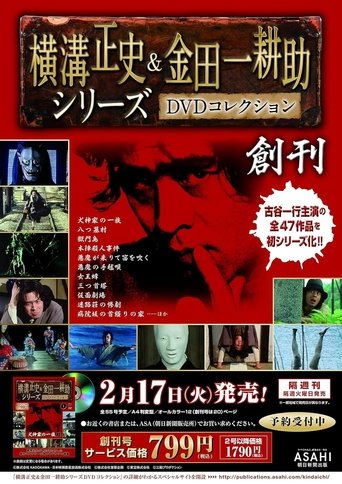 7.0
7.0No synopsis available yet.
Furuya Ikkou's Great Detective Kindaichi Kousuke Series
1983
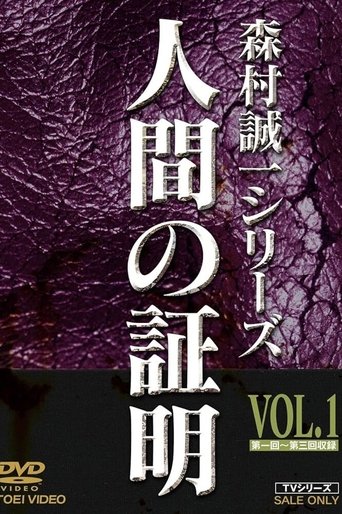 NR
NRTV series produced by MBS and TOEI, based on the best-selling novel of the same name by Seiichi Morimura.
Ningen no Shōmei
1978
 7.3
7.3Based on the "2.26 Incident", an attempted coup d'état in Japan 1936, launched by radical ultra-nationalist parts of the military. Several leading politicians were killed and the center of Tokyo was briefly held by the insurgents before the coup was suppressed.
Four Days of Snow and Blood
1989
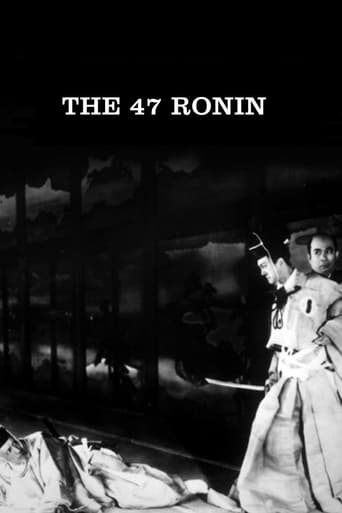 6.9
6.9In the early 18th-century, Lord Takumi-no-kami Asano, feuding with Lord Kira, tries to kill his opponent in the corridors of the Shogun's palace. The Shogun sentences Asano to seppuku and deprives the palace and lands from his clan, but does not punish Kira. Asano's vassals leave the land and his samurais become ronin and want to seek revenge against the Lord's dishonour. But their leader Kuranosuke Oishi seeks to restore the Asano clan with his brother Daigaku Asano. One year later, the Shogun refuses, and Oishi and 46 rōnin are out for revenge.
The 47 Ronin
1941
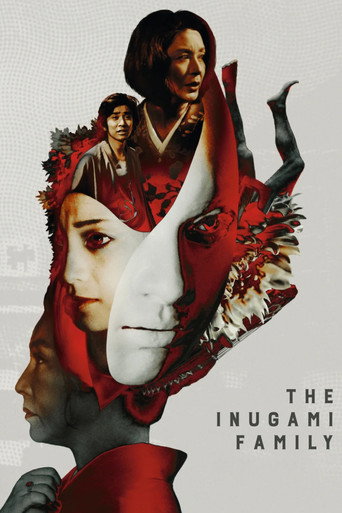 6.8
6.8When a tycoon passes away, he unexpectedly leaves the family fortune to outsider Tamayo on the condition that she marries one of the grandsons, pitting blood against blood.
The Inugami Family
1976
 7.1
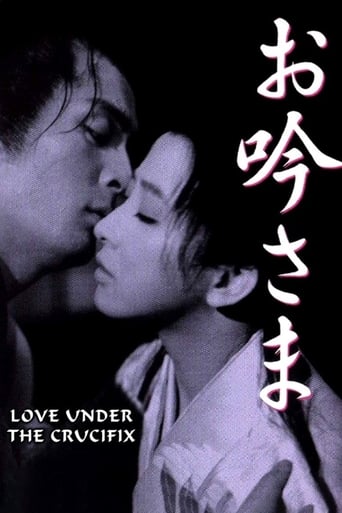
7.1A tea master and his daughter Ogin are both Christians in feudal Japan. Ogin falls in love with a married feudal prince who shares her faith. When the Shogun bans Christianity, the situation worsens.
Love Under the Crucifix
1962
Film credits
1980s · 5 titles
7.3Based on the "2.26 Incident", an attempted coup d'état in Japan 1936, launched by radical ultra-nationalist parts of the military. Several leading politicians were killed and the center of Tokyo was briefly held by the insurgents before the coup was suppressed.
Four Days of Snow and Blood
1989
 6.3
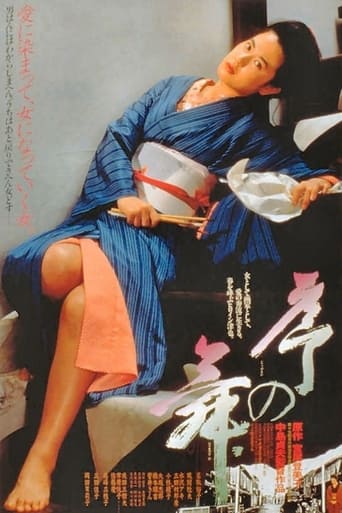
6.3This story is based on the novel "Jo no mai" by Tomiko Miyao which is based on the life of painter Shōen Uemura (1875–1949), the first woman to be awarded the Order of Culture. The title refers to the masterpiece bijinga ("picture of a beautiful woman") that Uemura painted at the age of 61. The main character, Tsuya Shimamura, is born in Kyoto as the second daughter of a tea trader who dies before her birth. Tsuya, who loves painting more than anything and is hopeless at housework, attends art school and at age 15 receives the name Shōsui (from the characters for "pine" and "green") from her teacher. The crown prince of England purchases one of her works, propelling her to fame overnight. The novel portrays the remainder of her stormy life, during which she is impregnated by her teacher and raises a fatherless child; through it all she devotes herself to her painting, undaunted.
Appassionata
1984
 9.0
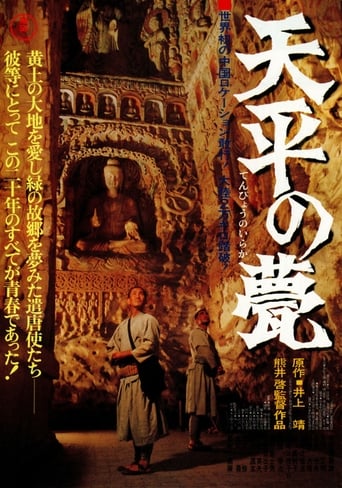
9.0Set in Japan's Tenpyou era (729-749 CE), four young monks are sent to China to study Buddhism and bring a high priest back to Japan with them. The film tells the tale of the four monks' youth and the life and times of the high priest Ganjin.
An Ocean to Cross
1980
Adaptation of a 1956 novel by Yukio Mishima.
The S.S. Happiness Sets Sail
1980
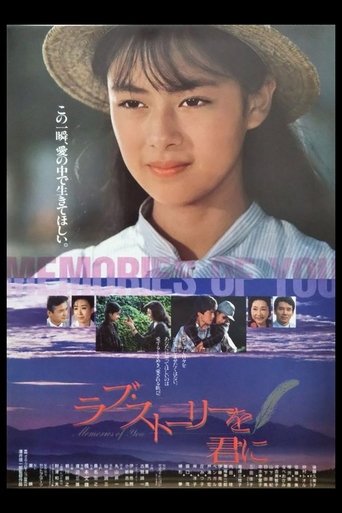 6.5
6.5A mother discovers that her 14-year-old daughter Yumi has leukemia and only six months to live. She decides to keep the information secret and pushes her past tutor Akira, now a university student, to reconnect with her.
Memories of You
1988
1970s · 5 titles
6.8When a tycoon passes away, he unexpectedly leaves the family fortune to outsider Tamayo on the condition that she marries one of the grandsons, pitting blood against blood.
The Inugami Family
1976
 7.6
7.6To solve the mystery of a murder of an old governess which takes place at a wealthy Daidoji family's country estate, family secrets and lies dating back several generations must be sorted out once and for all.
Queen Bee
1978
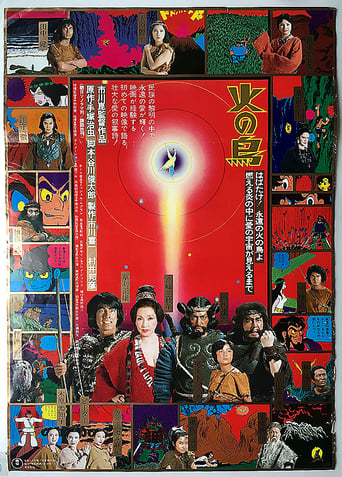 6.1
6.1This extraordinarily complex film is not only a send-up of every samurai film ever made, it is also an extrapolation of the value of life. The Yamatai, represented by Prince Susano-O and elderly advisor Sumuke, hire Yumihiko of Matsuro to hunt the phoenix so that Queen Himiko, sister of Susano-O can have eteranal life.
The Phoenix
1978
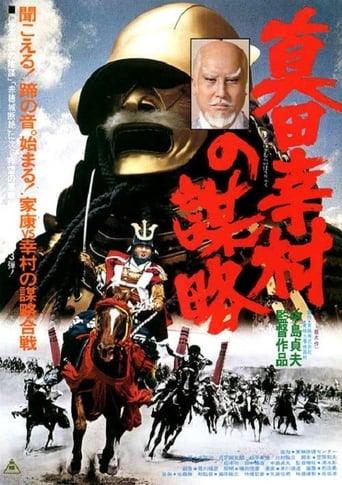 5.4
5.4This is a film about a real person. Sanada Yukimura fought a war against Tokugawa Ieyasu.
The Shogun Assassins
1979
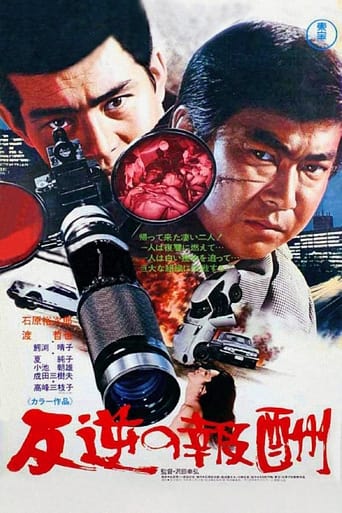 NR
NRThe film tells about drug trafficking from Vietnam to Tokyo and Okinawa. Tetsuya Watari plays a photographer who uses his camera as a blackmail weapon. He is on the trail of a narcotics smuggler (Mikio Narita) and his beautiful contact (Haruko Wanibuchi). Watari meets a former gangster (Yujiro Ishihara) who is seeking revenge against Narita, his former partner. Watari and Ishihara become allies and hijack the dope shipment. But Narita threatens the life of Haruko, who turns out to be Ishihara's sister, and demands the dope in return for the girl.
Rebellion Reward
1973
1960s · 14 titles
7.1A tea master and his daughter Ogin are both Christians in feudal Japan. Ogin falls in love with a married feudal prince who shares her faith. When the Shogun bans Christianity, the situation worsens.
Love Under the Crucifix
1962
 7.2
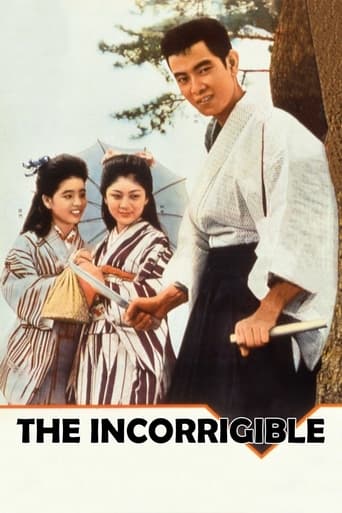
7.2Based on the loosely autobiographical novel of the same name by Toko Kon. Ken Yamanouchi stars as Togo Konno, the titular bastard.
The Incorrigible
1963
 7.0
7.0A high school boy and girl in the midst of their youth try to get their parents to remarry.
Red Bud and White Flower
1962
 7.2
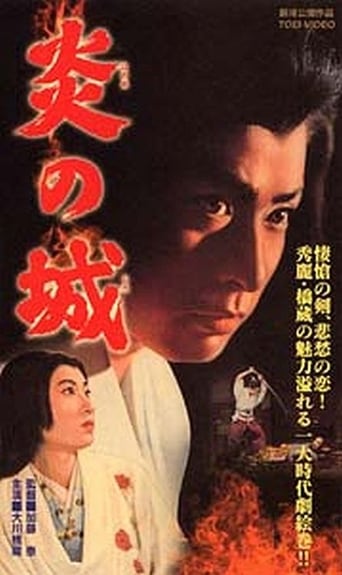
7.2In 17th century Japan, Young Lord Masato returns after years abroad to find everything changed: his peace-loving father has died in what he soon finds to be mysterious circumstances, and his mother's married to his uncle, whose ruthless ambition is causing turmoil in the kingdom. Not knowing who to trust, Masato feigns madness, vowing to get to the truth, even though his act causes distress to the girl he loves, who's waited for him all these years. The ghost of his father turns up now and then to show him the way. Meanwhile a peasant revolt is brewing... It all ends tragically.
Castle of Flames
1960
 7.0
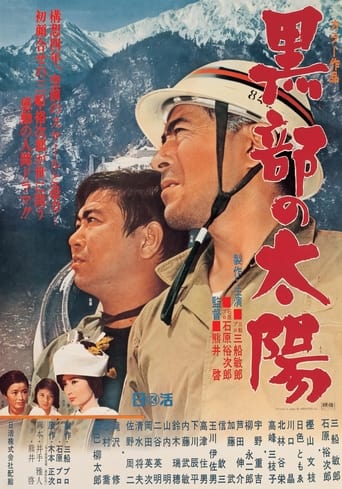
7.0Kitagawa is an engineer charged with construction of a gigantic tunnel through the Japan Alps for the transportation of equipment in the building of the massive Kurobe Dam. The tunnel crosses an earthquake fault and Kitagawa is beleaguered not only by cave-ins and flooding, but by strife between management and the workers's union. Adding to Kitagawa's stress is the knowledge that as his attention is pulled inexorably toward the tunnel construction, his youngest daughter is dying from leukemia.
The Sands of Kurobe
1968
 NR
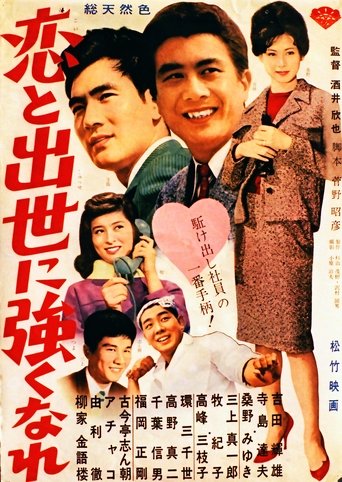
NRNo synopsis available yet.
恋と出世に強くなれ!
1963
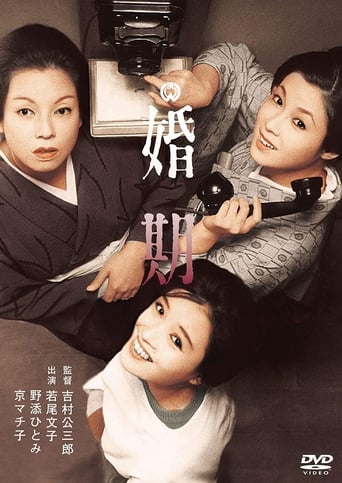 7.0
7.0The three Matsunami sisters navigate adulthood and the complex social pressures of finding a husband while living under their traditional father’s roof. As they balance their personal desires against the family's obsession with status, their search for "marriageable age" stability is complicated by secret affairs and the cold reality of arranged matches. They must ultimately decide whether to conform to the rigid expectations of their upper-class upbringing or break away to pursue their own independence.
Marriageable Age
1961
 9.0
9.0On the day of college graduation, Mieko (Sayuri Yoshinaga) stood on stage as the valedictorian for the Department of English. During her university years she made sure that she would always come out on top, and she did. With a victorious graduation behind her, she plans out the next chapter of her life: become a successful novelist and go out with a classmate she's been secretly eyeing for the past couple of years.
Bright Sea
1963
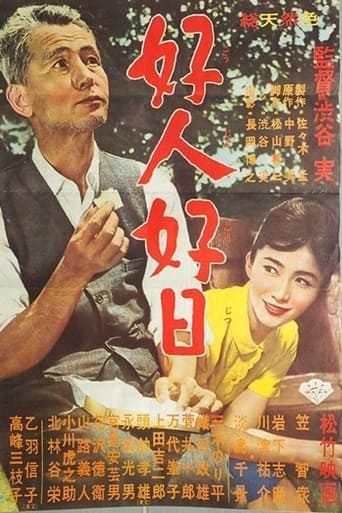 NR
NRThe university professor Ozeki Hitoshi (Ryu Chishu) is regarded as an eccentric by people in his surroundings. When his daughter Tokiko is asked to marry a colleague, she and her mother are overjoyed, but Hitoshi is not satisfied with the situation.
A Good Man, A Good Day
1961
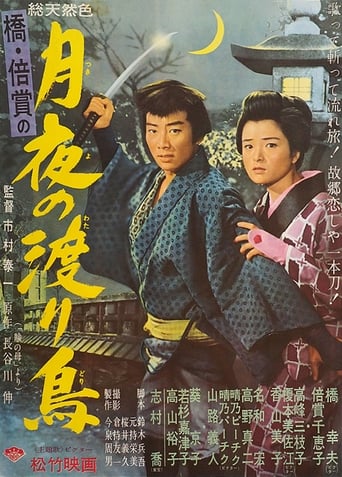 NR
NRA resolute young man searching for his mother, whom he was separated from as a child, defies a family who mistreat the poor and homeless.
The Image of Mother
1963
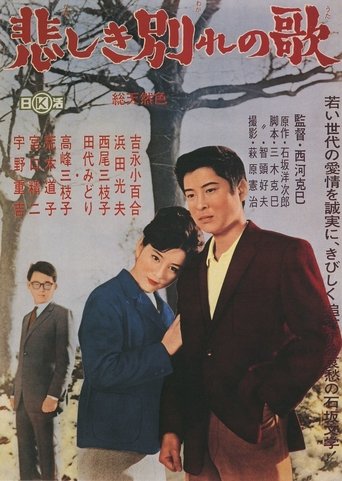 NR
NRAfter her mother's funeral, Yuriko, dressed in mourning clothes, sees off her lover Shintaro as he leaves in the powdery snow, and resolves to part ways with him forever. However, in Yuriko's heart... Pure love duo Yoshinaga and Hamada rigorously pursue a life of sincerity and love of the younger generation, and love but parting, in this lyrical and melancholy touching story of Ishizaka literature.
Song of Farewell
1965
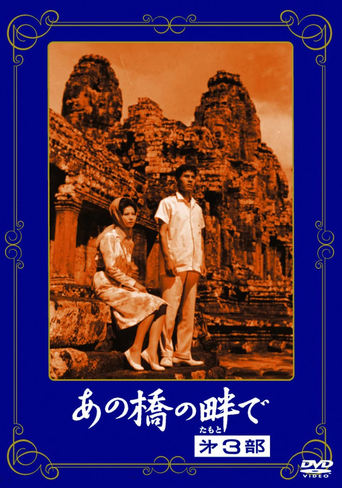 NR
NRNo synopsis available yet.
At the Side of the Bridge 3
1963
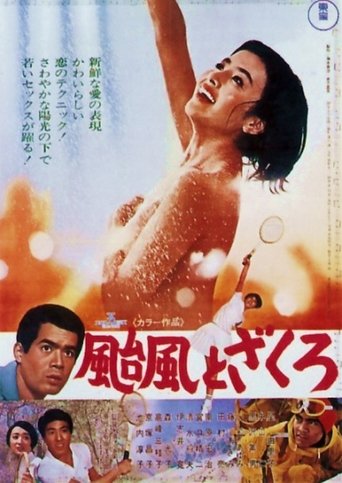 NR
NRComedy-drama about university tennis players.
Pomegranate Time
1967
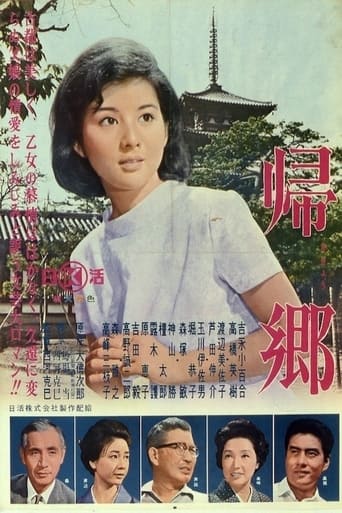 NR
NRMoriya Tomoko, a young girl working for a publishing company, is told by a woman art dealer that her real father did not die, as everyone believes, during the revolution in Cuba, but is now living in Japan. Tomoko's mother has remarried a strict, narrow-minded university professor, whose only worry is protecting his family name from the slightest blemish.
Homecoming
1964
1950s · 24 titles
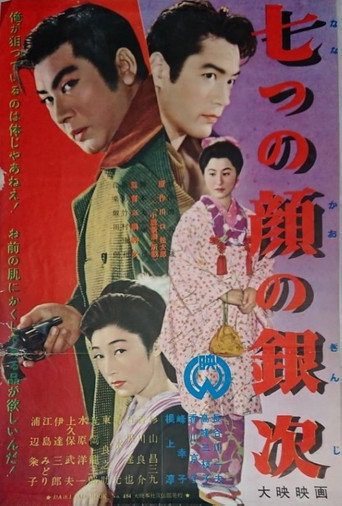 NR
NRYesterday a gentleman, today a student, tomorrow a stylish man in a casual kimono—Ginji, the pickpocket with seven faces, has his sights set on the gold watch of destiny. A tale of passion, love, human emotion, pistols, and thrills.
Ginji of the Seven Faces
1955
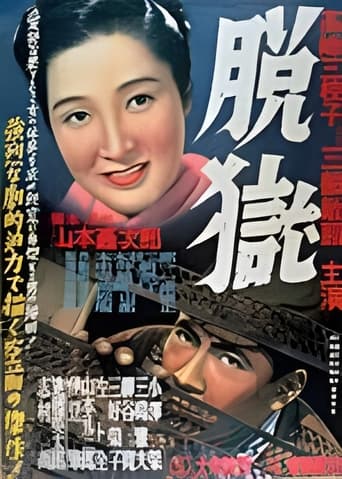 10.0
10.0No synopsis available yet.
Escape from Prison
1950
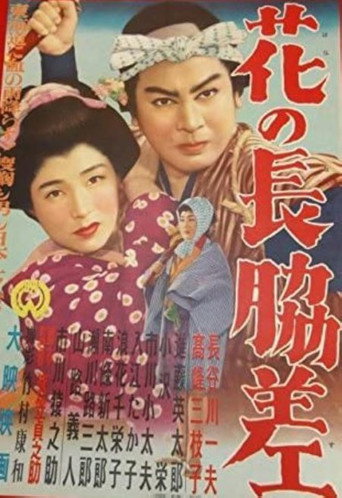 NR
NRNo synopsis available yet.
Hana no nagadosu
1954
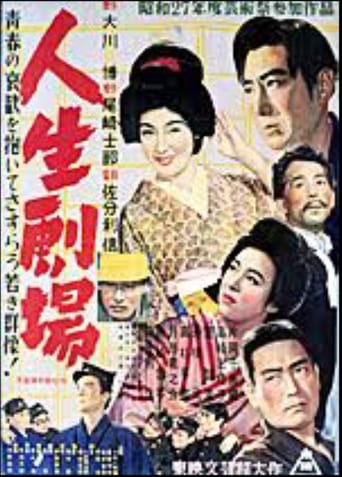 NR
NRPart one of Shin Saburi's Theater of Life adaptation.
Jinsei Gekijo: dai ichi bu
1952
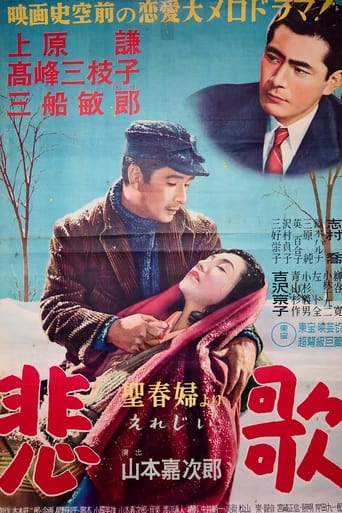 9.0
9.0Wataru Naohiko who has the prosecutor general as his father became a young composer and its symphony "saint" invoked the world echoed. But his disciple Uchiyama and his best friend prosecutor Daisuke Toki accused his music as a sesame of pause-only technique, not a truly heart-hungry art.
Elegy
1951
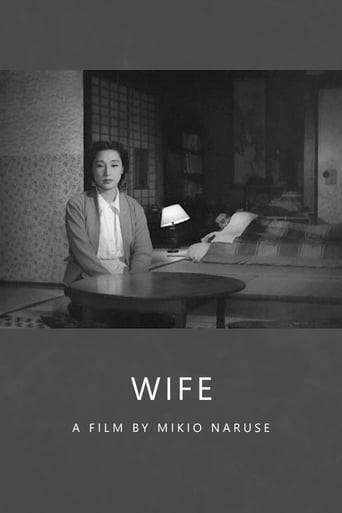 7.2
7.2Ten years into a marriage, the wife is disappointed by the husband's lack of financial success, meaning she has to work and can't treat herself and the husband finds the wife slovenly and mean-spirited: she neither cooks not cleans particularly well and is generally disagreeable. In turn, he alternately ignores her and treats her as a servant. Neither is particularly happy, not helped by their unsatisfactory lodgers. The husband is easily seduced by an ex-colleague, a widow with a small child who needs some security, and considers leaving his wife.
Wife
1953
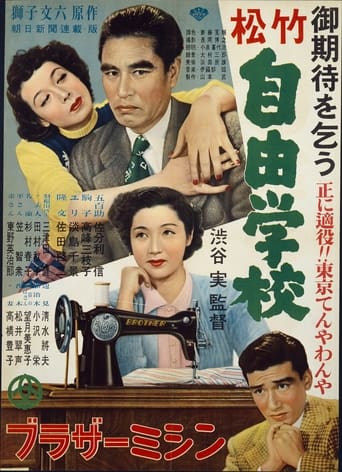 7.0
7.0Minamimura, who had always wanted to be free, suddenly quits his job. His hardworking wife is surprised and angry, and throws him out of the house. Confused by his sudden freedom, Iosuke ends up living as a vagrant under a bridge. His wife, Komako, also finds herself freed and is unable to ignore her confusion.
Freedom School
1951
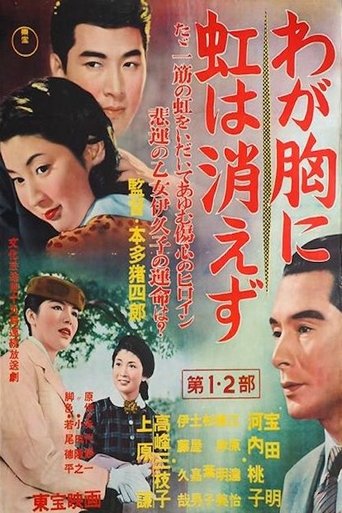 NR
NRAn Ishiro Honda film. The first part of A Rainbow Plays in My Heart released the same day as the second film.
A Rainbow Plays in My Heart: Part 1
1957
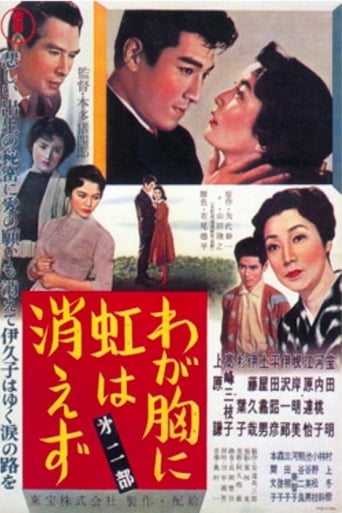 9.0
9.0An Ishiro Honda film. The second part of A Rainbow Plays in My Heart released the same day as the first film.
A Rainbow Plays in My Heart: Part 2
1957
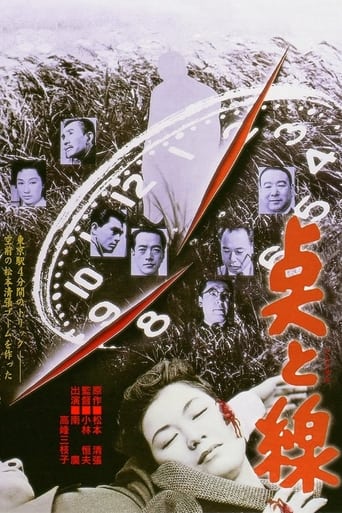 6.2
6.2Based on Matsumoto Seicho's classic mystery novel of the same name, the story centers around a group of detectives who are determined to find the truth behind an apparent double suicide.
Points and Lines
1958
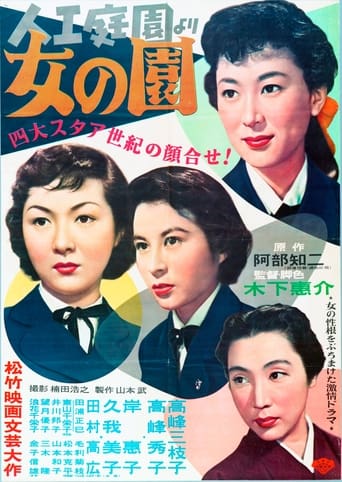 6.6
6.6A student at a woman's university takes a controversial action against the school's old-fashioned doctrines.
The Garden of Women
1954
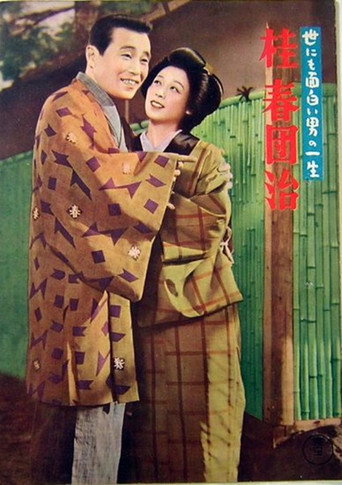 NR
NRNo synopsis available yet.
The Life of a Uniquely Interesting Man: Katsura Harudanji
1956
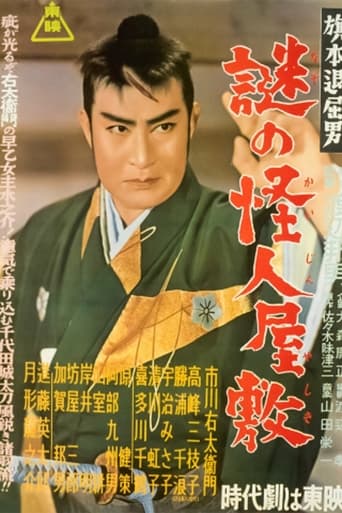 NR
NRBored Hatamoto film #17
Bored Hatamoto: The Mysterious Phantom Mansion
1954
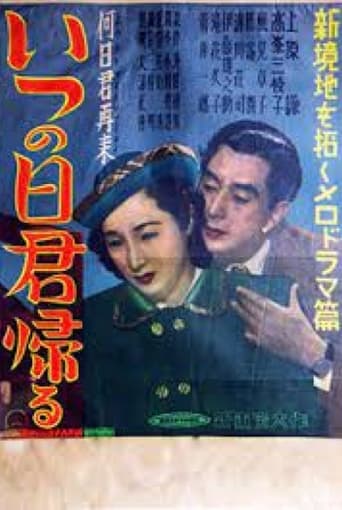 NR
NRMelodrama by Kiyoshi Saeki
When We Came Back
1950
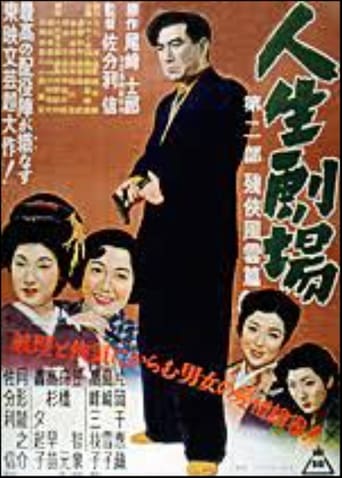 NR
NRPart two of Shin Saburi's Theater of Life adaptation.
Jinsei Gekijo: dai ni bu
1953
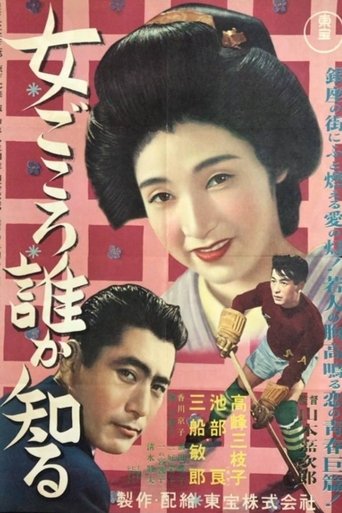 10.0
10.0Ikeuchi was captain of the K - University ice hockey team. The daughter Shikotsuko of Ginza 's western restaurant "Piccolo" was also a female student at K University and was a figure player. They had a dream of being dispatched to Oslo in the Olympic Games and were struggling in each way. Mizuno who runs a sports equipment store in Ginza, showed the geisha by guiding the junior's Ikeuchi and others to the shop of Shimbashi one day.
Who Knows a Woman's Heart
1951
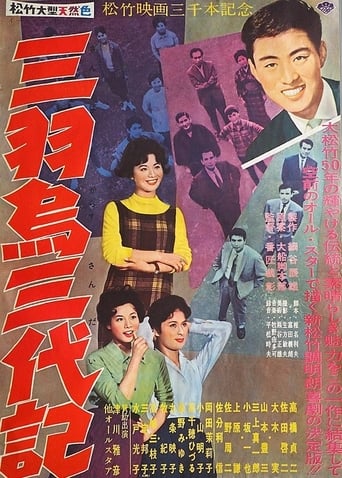 NR
NRThe story tells of Tsuchiya, a university professor and a widower who is in love with a widow who runs a small restaurant, and his son is in love with a runaway girl who turns out to be the leader of a religious sect. Kusano is the henpecked proprietor of a rice biscuit shop who dreams of owning a bird and dog shop and his daughter is in love with a boarder, employed by the private detective agency searching for the runaway girl. The agency head has his own dream of arranging thirty marriages and has already accomplished twenty-seven. Tatsumi is a newspaper reporter who dreams of a big scoop to enable him to marry a girl TV producer and his friend a mountain climbing enthusiast who dreams of joining a Himalayan expedition but is opposed by his wife. His love of the mountains is shared by a boarder in their home and by a fishmonger's son.
Tokyo Omnibus
1959
 6.4
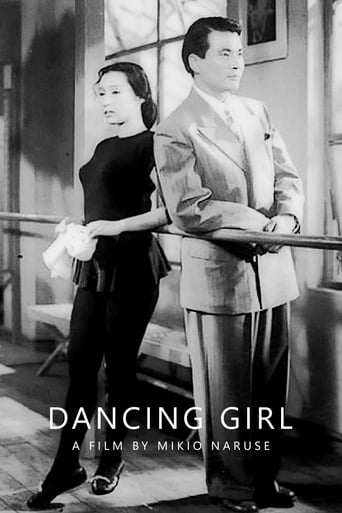
6.4The troubled relationship between a writer and his ballet teacher wife, who has for years loved another man, finally leads to the breakup of the family.
Dancing Girl
1951
 6.1
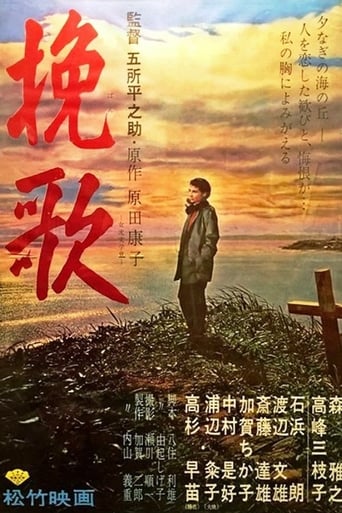
6.1Reiko, a young woman with a physical disability, begins a clandestine affair with the married architect Katsuragi, but also becomes dangerously obsessed with his unfaithful wife, Akiko.
Elegy of the North
1957
 NR
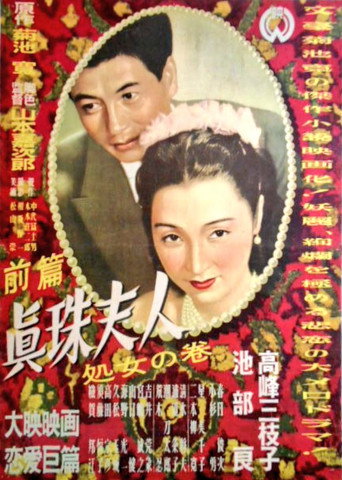
NRA story depicting the true nature of a vulnerable woman who abandons love, severs the bond between father and daughter, and challenges the very embodiment of greed and materialism.
Shinju fujin: Shojo no maki
1950
 NR
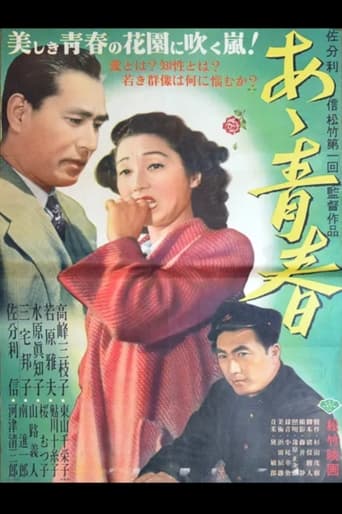
NRNo synopsis available yet.
Ah, Youth
1951
 NR
NRNo synopsis available yet.
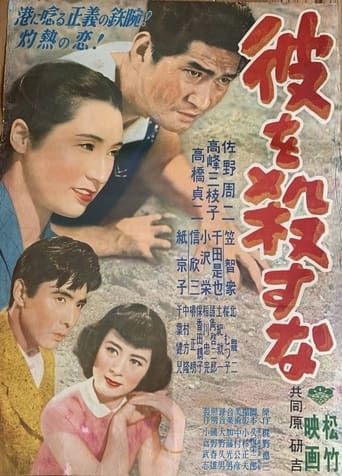
Kare o korosu na
1952
 NR
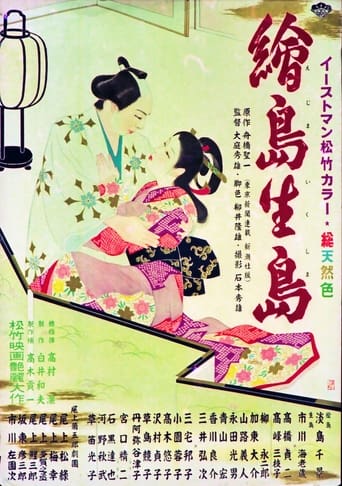
NRThis period film is inspired by one of the most notorious scandals to have taken place in Edo-period Japan. The heroine, Ejima, was a lady of the Ooku, the harem of Edo Castle in which the Shogun’s mother, wife and concubines resided, forbidden from contact with any other man except in the presence of the Shogun. The institution played a key role in the Byzantine world of Japanese court politics during the Edo era. In 1714, Lady Ejima was sent to pay her respects at a Buddhist temple in the city, and chose to pay an unauthorised visit to the kabuki theatre – a violation of protocol that was to have tragic consequences.
Ejima and Ikushima
1955
 6.7
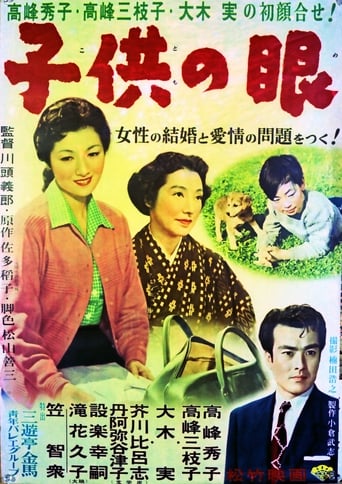
6.7Shunji Mitamura's wife died very early and left him a young son. Shunji's sister Hideko decided to fulfill her sisterly duty and moved to the main character to take care of the boy and the house. Time passes and Shunji marries Mieko Takamine. But since her father is often ill, she spends a lot of time in his dental clinic to do his work.
Eyes of Children
1956
1940s · 9 titles
6.9In the early 18th-century, Lord Takumi-no-kami Asano, feuding with Lord Kira, tries to kill his opponent in the corridors of the Shogun's palace. The Shogun sentences Asano to seppuku and deprives the palace and lands from his clan, but does not punish Kira. Asano's vassals leave the land and his samurais become ronin and want to seek revenge against the Lord's dishonour. But their leader Kuranosuke Oishi seeks to restore the Asano clan with his brother Daigaku Asano. One year later, the Shogun refuses, and Oishi and 46 rōnin are out for revenge.
The 47 Ronin
1941
 6.9
6.9After the death of her husband, an elderly woman and her youngest, unmarried daughter are forced to sell their house to cover his debts and decide to move in with one of the former's children, each of whom is scarcely happy to accommodate.
Brothers and Sisters of the Toda Family
1941
No synopsis available yet.
Onatsu Seijurō
1946
 NR
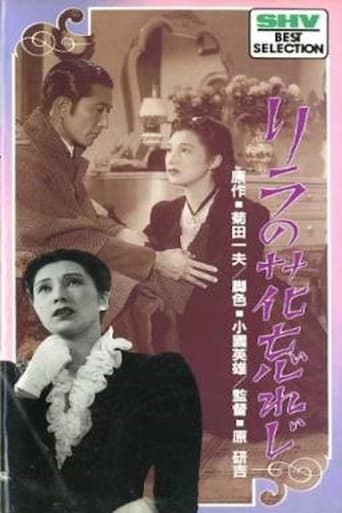
NRIn the 30th year, Nirasaki Den'emon established the Nirasaki Hokkaido Development Company with investment from Sonoi to build railway facilities. However, the endeavor faced criticism for attempting to buy Ainu land at low prices. Tokyo Nippo reporter Toshimasa Matsuzaka, who was actually Nirasaki's son, wants to expose the flawed practices of the company.
Rira no hana wasureji
1947
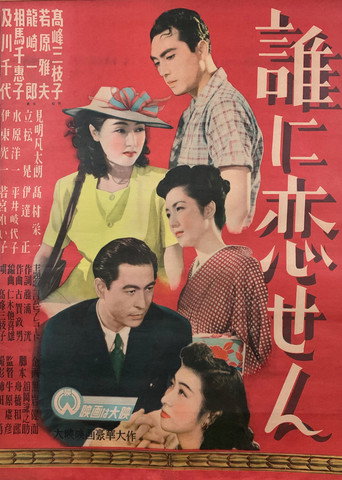 NR
NRNo synopsis available yet.
Dare ni koisen
1948
 NR
NR1945 Japanese movie
A New Breeze
1945
 5.7
5.7An anthology of thirteen patriotic stories about Japanese citizens contributing to the war effort.
Victory Song
1945
 NR
NRWhen pickpocketing runs rampant, detectives step up their game. Yazaki, a detective at the Ohira Private Detective Agency who graduated from the University of Tokyo, bumps into a woman on a street corner. The woman turns out to be Asako, a female detective who works at his uncle Ryutaro’s private detective agency. Asako lives with her stepmother, Kiyoe, a young widow. The mother worries about her daughter’s marriage prospects, while the daughter worries about her mother’s job situation.
Suiren fujin to bara musume
1948
 NR
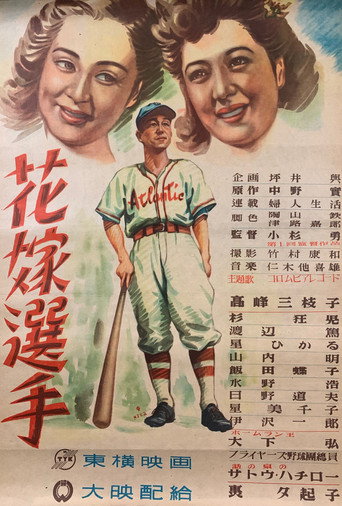
NRNo synopsis available yet.
Hanayome senshu
1948
1930s · 2 titles
 6.9
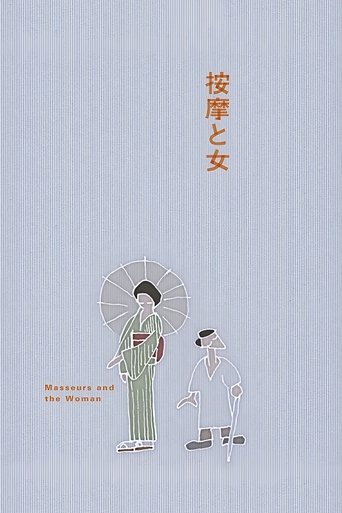
6.9A pair of blind masseurs, an enigmatic city woman, a lonely man and his ill-behaved nephew—The Masseurs and a Woman is made up of crisscrossing miniature studies of love and family at a remote resort in the mountains. With delicate and surprising humor, Hiroshi Shimizu paints a timeless portrait of loneliness and the human need to connect.
The Masseurs and a Woman
1938
 NR
NRApproaching their graduation ceremony, Saegusa, Sanae, and their classmates go on an overnight trip to Hakone with their teacher Ms. Kawahara, who will soon leave school. They thank her doing so and go on their respective paths, ending soon their student life.
Hotaru no hikari
1938
Series credits
7.0No synopsis available yet.
Furuya Ikkou's Great Detective Kindaichi Kousuke Series
1983
7.0No synopsis available yet.
Furuya Ikkou's Great Detective Kindaichi Kousuke Series
1983
NRTV series produced by MBS and TOEI, based on the best-selling novel of the same name by Seiichi Morimura.
Ningen no Shōmei
1978