
Known for
 NR
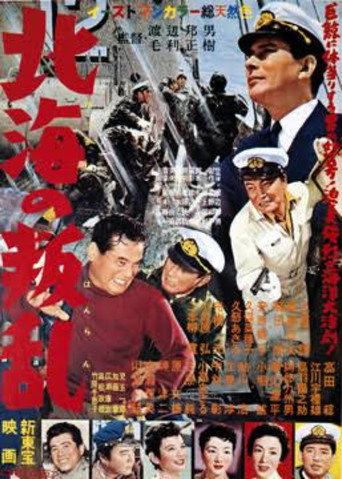
A maritime action drama set aboard a whaling ship rocked by a labor-management conflict. Shintoho's second color feature.
Mutiny in the North Sea
1956
 6.8
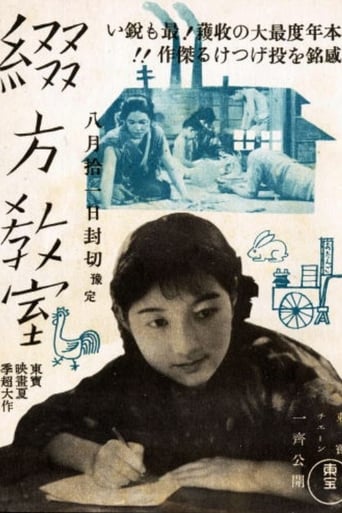
Masako, the daughter of an impoverished itinerant tinsmith, wins a grammar school composition contest with an essay about her neighborhood. The much publicized essay ends up causing the family problems and their chronic money troubles threaten Masako's further education.
Composition Class
1938
 NR
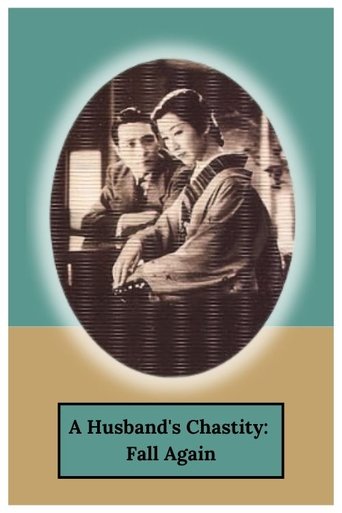
Kayo and Kuniko graduated from girls' school together and are as close as sisters. Kuniko's fiancé, Minakami, feels something that attracts him deeply towards Kayo. On the other hand, Kayo prays for the happiness of her best friend and marries a very ordinary man. However, at one point, this mediocre but increasingly ferocious husband died in an accident ... A triangular love story develops depicting a woman's heart that sways between love and morals.
A Husband's Chastity: Fall Again
1937
 10.0
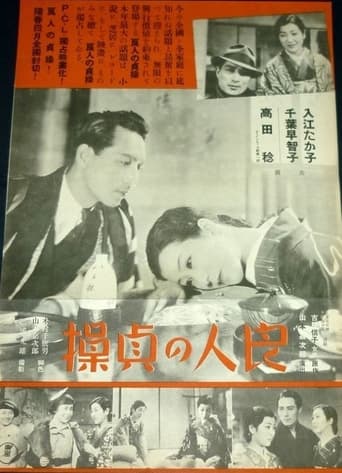
Kayo and Kuniko graduated from girls' school together and are as close as sisters. Kuniko's fiancé, Minakami, feels something that attracts him deeply towards Kayo. On the other hand, Kayo prays for the happiness of her best friend and marries a very ordinary man. However, at one point, this mediocre but increasingly ferocious husband died in an accident ... A triangular love story develops depicting a woman's heart that sways between love and morals. Based on a novel by Nobuko Yoshiya, there were originally two parts to the film (If Spring Comes & Fall Once Again), both supposed to be 85 minutes, but apparently what we have now is this 103-minute amalgam of the two.
A Husband's Chastity: If Spring Comes & Fall Once Again
1937
Song of the White Orchid was a co-production of Toho and Mantetsu, the railway that served the colonial region of Manchuria, and the first film in the Kazuo Hasegawa/Shirley Yamaguchi (Ri Koran) “Continental Trilogy.” Handsome Hasegawa (representing Japan) runs up against an impertinent Yamaguchi (representing the continent); not surprisingly, in the course of the film the woman comes around and realizes the benevolent intentions of the Japanese. In Song of the White Orchid Yamaguchi leaves Hasegawa, who plays an expatriate working for the railway, because of a misunderstanding. She joins a communist guerilla group plotting to blow up the Manchurian railway. Learning of the subterfuge that led to the misunderstanding, she renews her faith in Hasegawa—and by extension Japan—and tries to undermine the plot.
Song of the White Orchid
1939
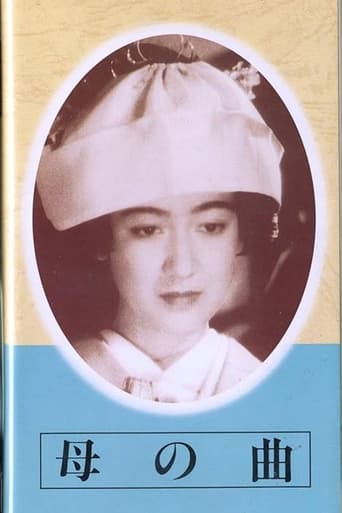 NR
No synopsis available yet.
Mother's Melody
1937
Behind the camera
NRA maritime action drama set aboard a whaling ship rocked by a labor-management conflict. Shintoho's second color feature.
Mutiny in the North Sea
1956
6.8Masako, the daughter of an impoverished itinerant tinsmith, wins a grammar school composition contest with an essay about her neighborhood. The much publicized essay ends up causing the family problems and their chronic money troubles threaten Masako's further education.
Composition Class
1938
NRKayo and Kuniko graduated from girls' school together and are as close as sisters. Kuniko's fiancé, Minakami, feels something that attracts him deeply towards Kayo. On the other hand, Kayo prays for the happiness of her best friend and marries a very ordinary man. However, at one point, this mediocre but increasingly ferocious husband died in an accident ... A triangular love story develops depicting a woman's heart that sways between love and morals.
A Husband's Chastity: Fall Again
1937
10.0Kayo and Kuniko graduated from girls' school together and are as close as sisters. Kuniko's fiancé, Minakami, feels something that attracts him deeply towards Kayo. On the other hand, Kayo prays for the happiness of her best friend and marries a very ordinary man. However, at one point, this mediocre but increasingly ferocious husband died in an accident ... A triangular love story develops depicting a woman's heart that sways between love and morals. Based on a novel by Nobuko Yoshiya, there were originally two parts to the film (If Spring Comes & Fall Once Again), both supposed to be 85 minutes, but apparently what we have now is this 103-minute amalgam of the two.
A Husband's Chastity: If Spring Comes & Fall Once Again
1937
Song of the White Orchid was a co-production of Toho and Mantetsu, the railway that served the colonial region of Manchuria, and the first film in the Kazuo Hasegawa/Shirley Yamaguchi (Ri Koran) “Continental Trilogy.” Handsome Hasegawa (representing Japan) runs up against an impertinent Yamaguchi (representing the continent); not surprisingly, in the course of the film the woman comes around and realizes the benevolent intentions of the Japanese. In Song of the White Orchid Yamaguchi leaves Hasegawa, who plays an expatriate working for the railway, because of a misunderstanding. She joins a communist guerilla group plotting to blow up the Manchurian railway. Learning of the subterfuge that led to the misunderstanding, she renews her faith in Hasegawa—and by extension Japan—and tries to undermine the plot.
Song of the White Orchid
1939
NRNo synopsis available yet.
Mother's Melody
1937
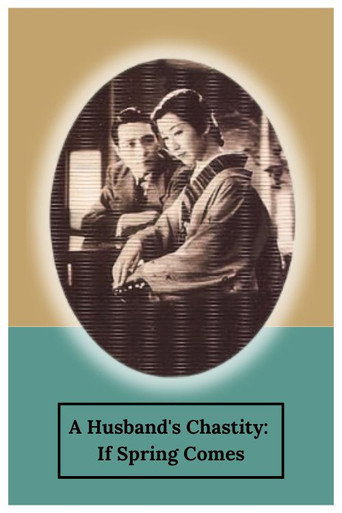 NR
Kayo and Kuniko graduated from girls' school together and are as close as sisters. Kuniko's fiancé, Minakami, feels something that attracts him deeply towards Kayo. On the other hand, Kayo prays for the happiness of her best friend and marries a very ordinary man. However, at one point, this mediocre but increasingly ferocious husband died in an accident ... A triangular love story develops depicting a woman's heart that sways between love and morals.
A Husband's Chastity: If Spring Comes
1937
 NR
No synopsis available yet.
Tsuki yori no shisha
1934
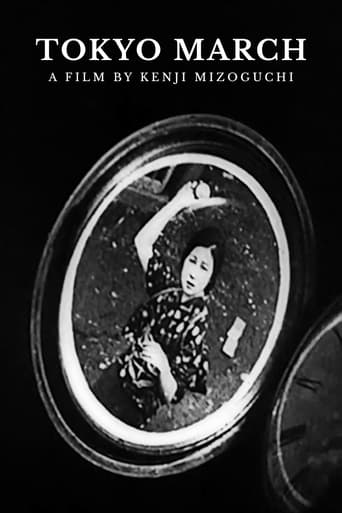 6.1
A classic melodramatic love tragedy addressing social inequality in Taishō-era Japan, The nostalgic scenes of 1920s Tokyo provides a valuable visual experience set against the background of the title song, "Tokyo March." (Sadly, less than a half hour of the footage has been recovered and restored.)
Tokyo March
1929
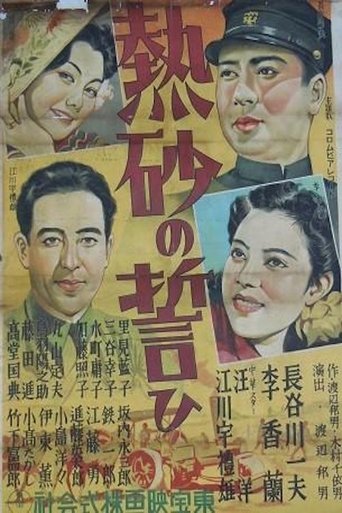 7.5
A Japanese army engineer (Hasegawa) on the mainland must put his personal feelings for a beautiful Chinese woman (Ri) aside if he is to succeed at building a highway through the "bandit"- (aka anti-Japanese militia-) infested hinterlands.
Oath on the Burning Sands
1940
 7.0
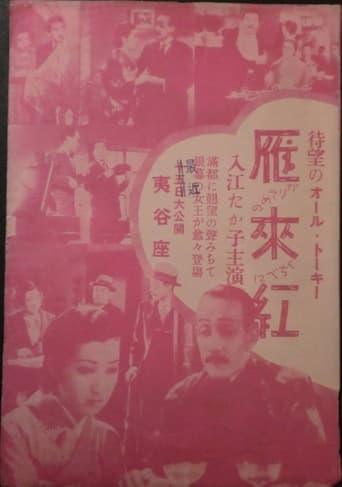
A Japanese version of the musical comedy "Yes, Mr. Brown"
Karisome no kuchibeni
1934
 NR
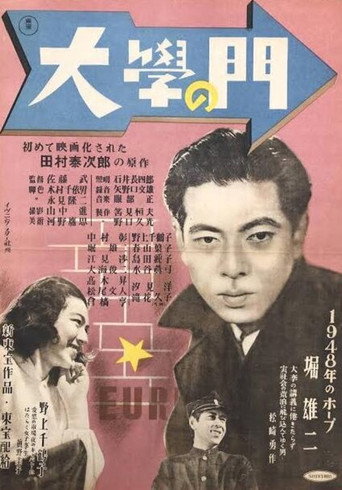
No synopsis available yet.
University Gates
1948
 5.8
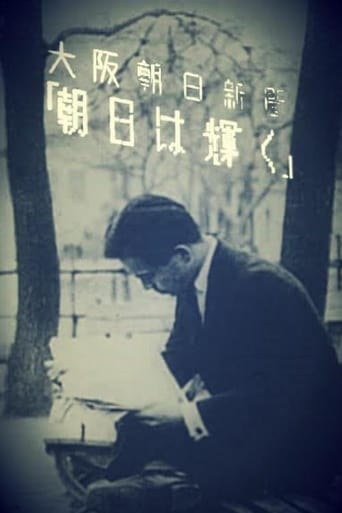
The Morning Sun Shines is a fiction-documentary film by Kenji Mizoguchi and Seiichi Ina. The film is a combination of a drama about a reporter, and documentary footage about newspaper production. Only 25 minutes of footage has survived.
The Morning Sun Shines
1929
 7.0
No synopsis available yet.
Kokoro no jitsugetsu: Retsujitsu hen - Gekko hen
1931