
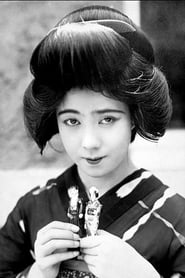
Acting
Ranko Sawa
Born — Died
1903-07-25 — 2003-01-11
Place of birth
Sendai, Miyagi, Japan
Known for
Acting
Credits
17 titles
Sawa was born in Sendai, Miyagi Prefecture, in 1903. In 1919 she joined the young girl's theater group of Takarazuka under the stage name of Izumi Ranko. After passing through Shochiku Kamata, Sawa joined Nikkatsu Mukojima in 1923. In 1924 she moved to Teikoku Cinema's Ashiya Studios, where she became a leading actress. She met with great success for her performance in Hoshi wa Midaretobu, before going on to feature in Renbo Jigoku (Love's Hell). In Kago no Tori (The Caged Bird), directed by Matsumoto Eiichi, Sawa was selected to play the heroine alongside Satomi Akira. Teikoku Cinema's version of the film became a surprise hit, giving Sawa an instant popularity second only to that of Utakaw…
Known for
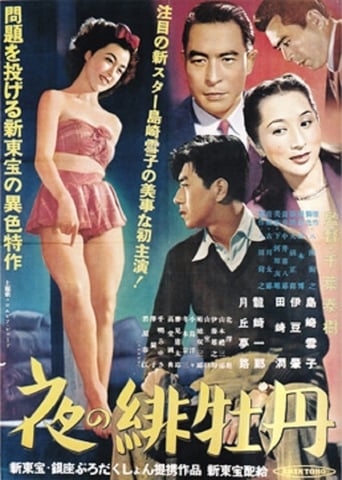 NR
NRA romantic melodrama about the shifting relationship between Ryosuke and Miki as their precarious employment and social circumstances shift around them.
Red Peony of Night
1950
No synopsis available yet.
Kakute ninjutsu eiga wa owarinu
—
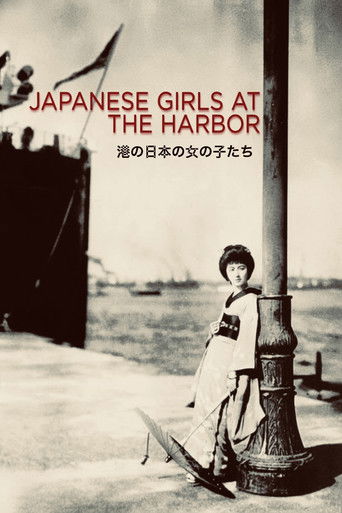 6.3
6.3Set in the port city of Yokohama, two girls, Sunako and Dora who attend a Christian school, pledge to be friends. But when a youth named Henry appears on his motorcycle and offers to take Sunako for a ride, we know that this friendship won't last and that the lives of both girls will change in ways they are barely able to comprehend, and can do little to change.
Japanese Girls at the Harbor
1933
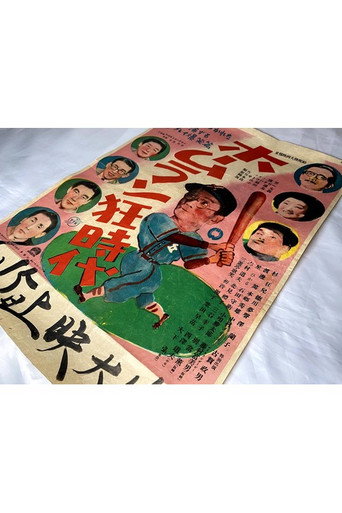 NR
NRBaseball comedy.
Hōmurankyō jidai
1949
 7.3
7.3In Depression-era Tokyo, the life of a single mother and her young son are disrupted by the return of her ex-husband, who fathered the child and walked out on her years earlier.
Every-Night Dreams
1933
 6.7
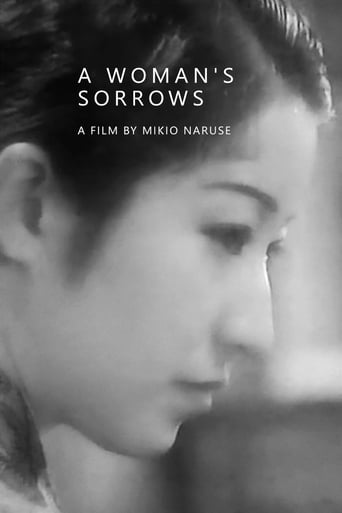
6.7Young Hiroko’s conservative principles place her at odds with most modern women, as she has already submitted to her mother’s choice of man for any marriage prospect. Wed into an affluent family that practically treats her as a housemaid, locked away like a 'doll' by her estimation, Hiroko’s own submission to traditional thinking brings contradictions to light.
A Woman's Sorrows
1937
Film credits
1940s · 1 titles
1930s · 11 titles
6.3Set in the port city of Yokohama, two girls, Sunako and Dora who attend a Christian school, pledge to be friends. But when a youth named Henry appears on his motorcycle and offers to take Sunako for a ride, we know that this friendship won't last and that the lives of both girls will change in ways they are barely able to comprehend, and can do little to change.
Japanese Girls at the Harbor
1933
7.3In Depression-era Tokyo, the life of a single mother and her young son are disrupted by the return of her ex-husband, who fathered the child and walked out on her years earlier.
Every-Night Dreams
1933
6.7Young Hiroko’s conservative principles place her at odds with most modern women, as she has already submitted to her mother’s choice of man for any marriage prospect. Wed into an affluent family that practically treats her as a housemaid, locked away like a 'doll' by her estimation, Hiroko’s own submission to traditional thinking brings contradictions to light.
A Woman's Sorrows
1937
 8.0
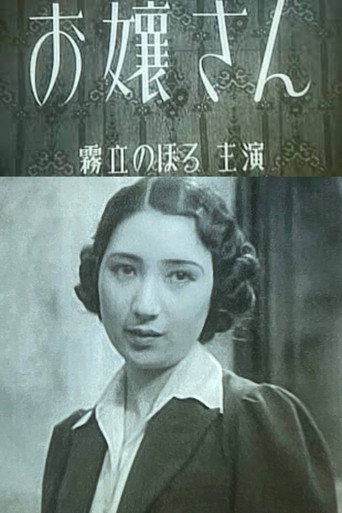
8.0The story deas with the experiences of an exceptionally strong-willed, middle class Tokyo "ojōsan" who comes to teach in a middle school in the countryside.
Young Lady
1937
 7.5
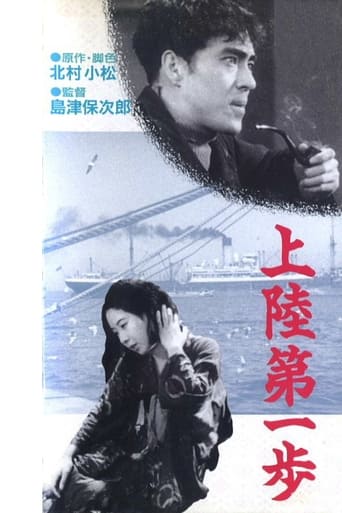
7.5The story of a sailor who begins a love affair with a woman he saves from suicide.
First Steps Ashore
1932
 NR
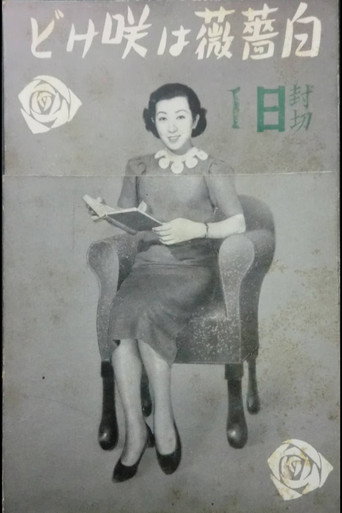
NRAtsuko, a seamstress at a clothing shop in Ginza, spends her days quietly going about her work, oblivious to the gossip about romance swirling around her. However, on a day off, she happens to visit an amusement park where she meets a man and senses the beginnings of romance.
Shirobara wa sakedo
1937
No synopsis available yet.
Onna wa itsu no yo nimo
1931
 NR
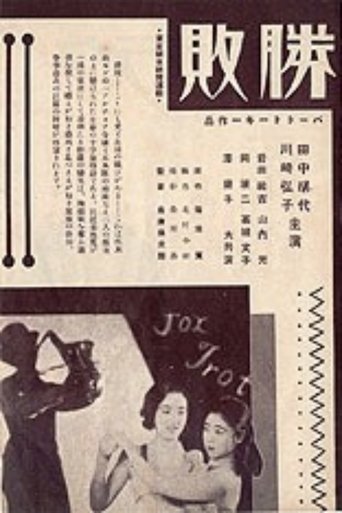
NRJapanese film from 1932, adapted from the novel by Kan Kikuchi. The first sound film from director Yasujiro Shimazu.
Victory or Defeat
1932
Tsukamoto and Omitsu are close friends, but one day, Tsukamoto becomes fascinated by Ayako, whom he meets at the home of Miyajima.
The Cheerleading Captain's Love
1933
Japanese film from 1932.
My Brother's a Fool
1932
Japanese silent film from 1932.
Storm Zone
1932
1920s · 3 titles
 7.6
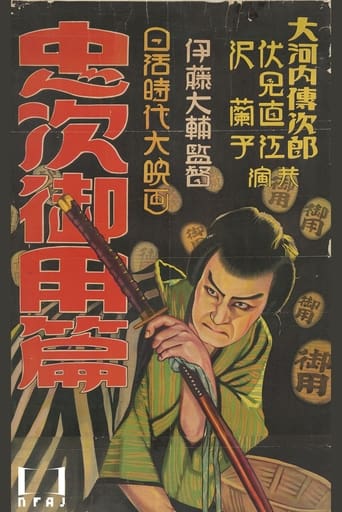
7.6The Japanese equivalent of penny dreadfuls glorifying Jesse James, A Diary of Chuji’s Travels gives a unique gloss to the tale of Chuji Kunisada, the legendary bakuto (or gambler, the precursors to modern-day yakuza). One of the two remaining segments of Ito’s original four-hour trilogy, it depicts Chuji’s attempt to save the geisha Oshina, a rebellion against the rigid social structure of Edo Japan. With socialist overtones, it’s a passionate artifact of early Japanese film.
Chuji's Travel Diary: The Chuji Patrol Episode
1927
 5.8
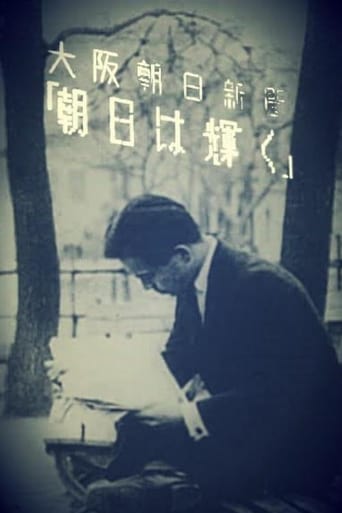
5.8The Morning Sun Shines is a fiction-documentary film by Kenji Mizoguchi and Seiichi Ina. The film is a combination of a drama about a reporter, and documentary footage about newspaper production. Only 25 minutes of footage has survived.
The Morning Sun Shines
1929
A kouta eiga, a type of Japanese silent silent film that featured a live performance by a benshi and on-screen lyrics.
The Caged Bird
1924