
Acting
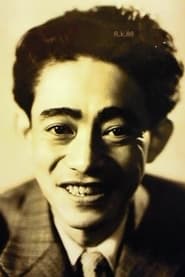
Kenichi Enomoto
Born — Died
1904-10-11 — 1970-01-07
Place of birth
Aoyama, Tokyo
Known for
Acting
Credits
60 titles
From Wikipedia, the free encyclopedia. Kenichi Enomoto (October 11, 1904 – January 7, 1970) was a popular Japanese singing comedian, mostly known by his stage name Enoken. A major innovator during his heyday, Enoken's stage shows, radio appearances, and film roles were a major influence within Tokyo theatre before World War II, and was a catalyst for the revival of comedy in the postwar period. Born in Aoyama, Tokyo, the son of rice cracker shop owners, Enomoto fell under the spell of such stars of the Asakusa Opera as Taya Rikizo and Fujiwara Yoshie, and in 1922 he made his stage debut at age 18 as a chorus member of the Asakusa Kinryukan Theatre. The Great Kanto Earthquake of the follow…
Known for
 NR
NRNo synopsis available yet.
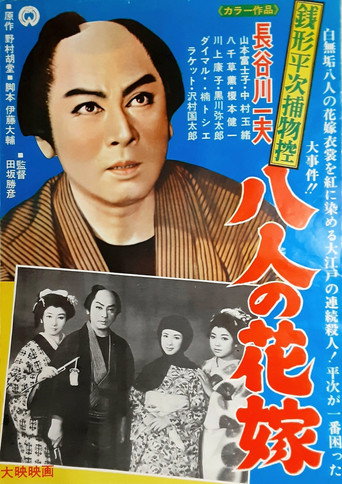
Zenigata Heiji torimono hikae: hachi-nin no hanayome
1958
 NR
NRNo synopsis available yet.
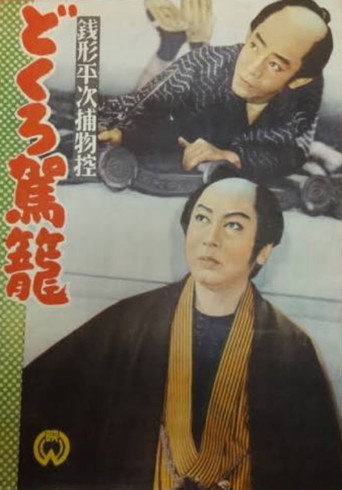
Zenigata heiji torimono hikae: Dokuro kago
1955
 6.7
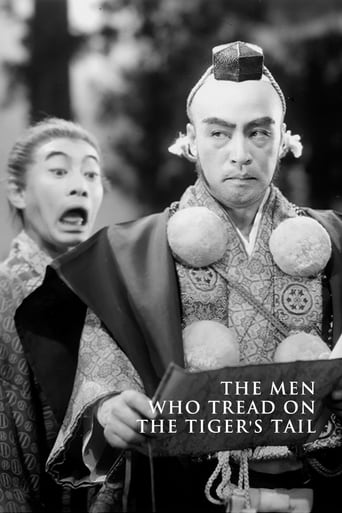
6.7A fugitive lord and his six retainers disguise themselves as monks to bluff their way through a hostile checkpoint.
The Men Who Tread on the Tiger's Tail
1952
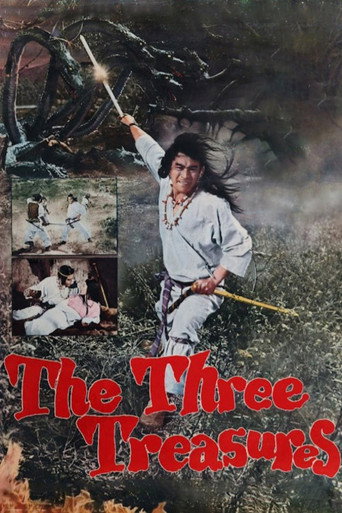 5.5
5.5The legend of the birth of Shintoism. In Fourth Century Japan, the Emperor's son Ouso expects to succeed his father on the throne, but Otomo, the Emperor's vassal, prefers Ouso's stepbrother, and conspires to have Ouso die on a dangerous mission he has contrived. But Ouso prevails in the mission and returns to his father's castle under a new name, Prince Yamato Takeru. Otomo plots to have the Prince sent into even greater danger, but Otomo is unaware that the gods have favored the Prince and the outcome is far from what any of them expected.
The Three Treasures
1959
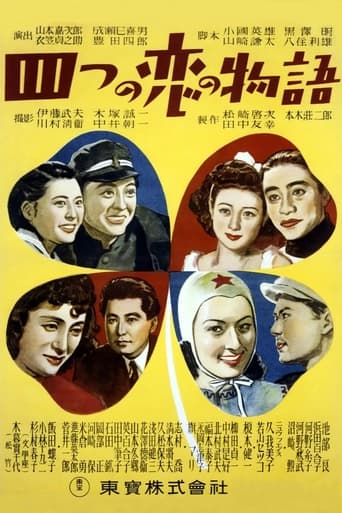 6.2
6.2Omnibus of love stories from 1947 directed by famous directors, featuring big stars.
Four Love Stories
1947
 NR
NRNo synopsis available yet.
Masura no Hashitsu Sequel: It's Hard to Be a Company
1956
Film credits
1960s · 10 titles
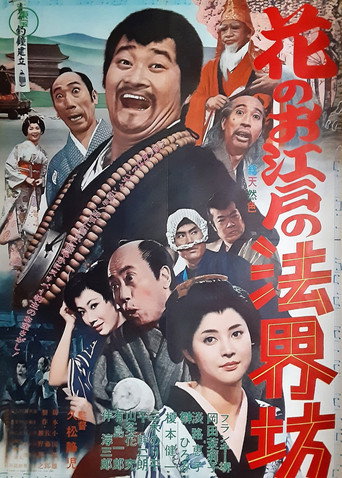 NR
NRNo synopsis available yet.
A Monk in the Big City of Edo
1965
A group of four chorus singers leave their hometown in Kyushu and go to Tokyo to become stars. It’s a musical comedy that shows Segawa’s talent.
The Happy-Go-Lucky Guy
1961
 NR
NRNo synopsis available yet.
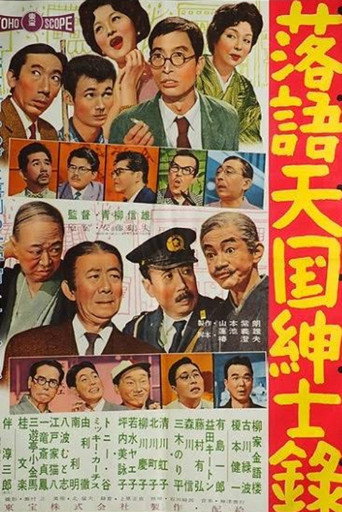
Heavenly Comic Story of a Gentleman
1960
 NR
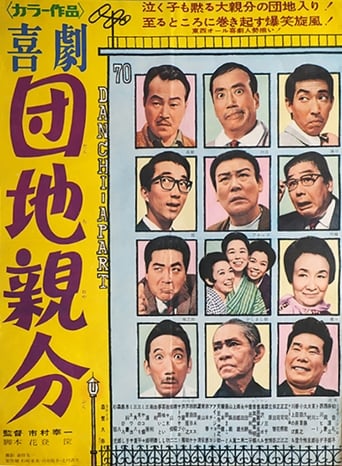
NRA country boss gives up his way of life because of his daughter's marriage.
A Country Boss
1962
 NR
NRNo synopsis available yet.
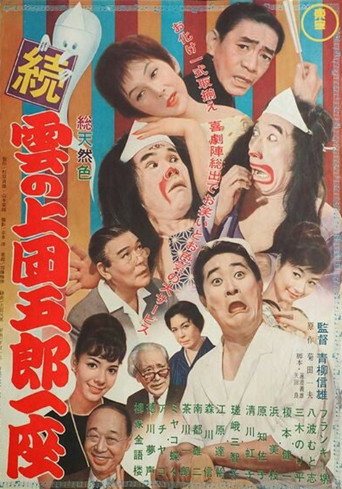
Dangoro's 'Above the Clouds' Group' Sequel
1963
Japanese comedy film.
誰よりも金を愛す
1961
 NR
NR1962 Japanese movie
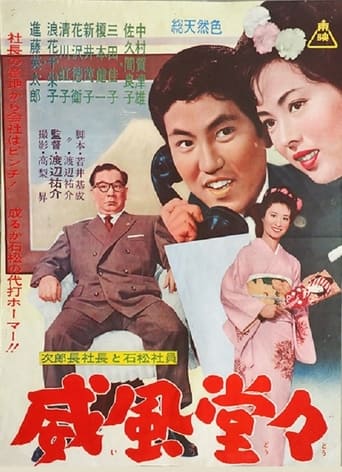
次郎長社長と石松社員 威風堂々
1962
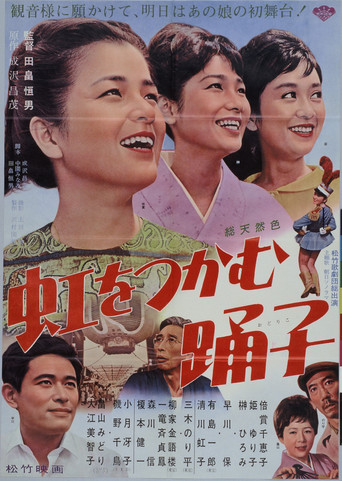 NR
NRA light-hearted coming-of-age drama directed by Tsuneo Tabata, with the original story and screenplay by Masashige Narusawa.
Niji o tsukamu odoriko
1963
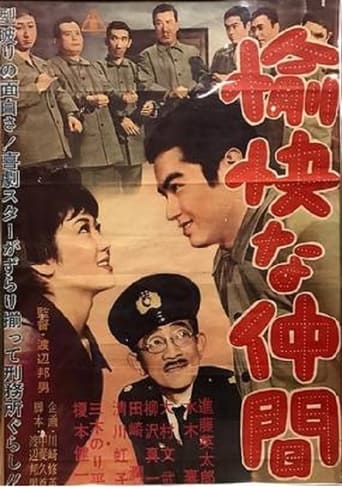 NR
NRNo synopsis available yet.
Pleasant Company
1962
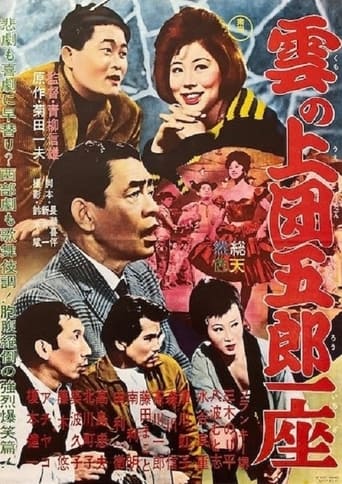 NR
NRThe film adaptation of Kazuo Kikuta novel "Kumo no Ue Dangoro Ichiza", which enjoyed great success at the performances of the Toho Takarazuka Theater at the end of the year. The troupe "Kumo no Ue Dangoro" continues to tour from town to village. The small cast of the troupe includes its leader (Kenichi Enomoto), Norizo (Norihei Miki) and Taizo (Mutoshi Happa), who play female roles - they are all super actors, each of whom plays five roles. Dan Goro dreams of performing in a major theater and tries to put on a big show with a young man he meets in Shikoku named Sakai (Frankie Sakai), but...
The Dangoro Party in the Sky
1962
1950s · 30 titles
NRNo synopsis available yet.
Zenigata Heiji torimono hikae: hachi-nin no hanayome
1958
NRNo synopsis available yet.
Zenigata heiji torimono hikae: Dokuro kago
1955
6.7A fugitive lord and his six retainers disguise themselves as monks to bluff their way through a hostile checkpoint.
The Men Who Tread on the Tiger's Tail
1952
5.5The legend of the birth of Shintoism. In Fourth Century Japan, the Emperor's son Ouso expects to succeed his father on the throne, but Otomo, the Emperor's vassal, prefers Ouso's stepbrother, and conspires to have Ouso die on a dangerous mission he has contrived. But Ouso prevails in the mission and returns to his father's castle under a new name, Prince Yamato Takeru. Otomo plots to have the Prince sent into even greater danger, but Otomo is unaware that the gods have favored the Prince and the outcome is far from what any of them expected.
The Three Treasures
1959
NRNo synopsis available yet.
Masura no Hashitsu Sequel: It's Hard to Be a Company
1956
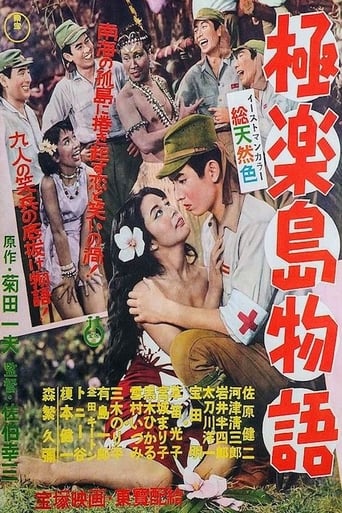 NR
NRMusical-comedy about nine soldiers deserted on an island in South Pacific.
The Paradise Island Story
1957
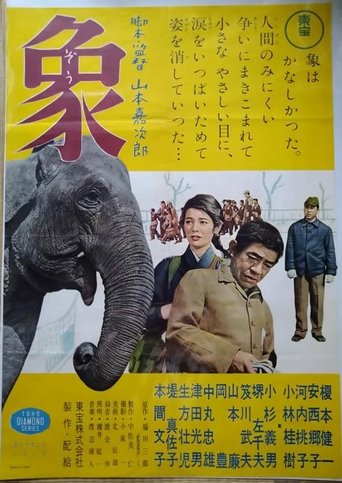 NR
NRThe fifth film in the Toho Diamond series, following "The Hateful Thing." Based on the true story of "Zoo Story" by author Fukuda Saburo. During the Tokyo air raids of World War II, Zen-san, an elephant keeper at Ueno Zoo, is faced with the heartbreaking task of euthanizing Tonki, a beloved elephant, due to food shortages and wartime pressures. Unable to carry out the order, Zen-san secretly feeds Tonki, but the elephant is ultimately shot by the military police. The film poignantly captures Zen-san’s despair and the devastation of war, as he reflects on his powerlessness amid the chaos.
Elephant from "Zoo Story"
1957
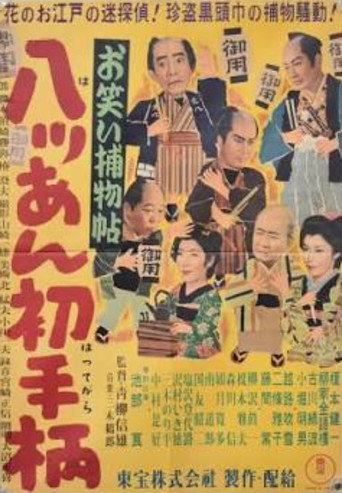 NR
NRNo synopsis available yet.
Comical Detective Story: Hatchan's First Adventure
1955
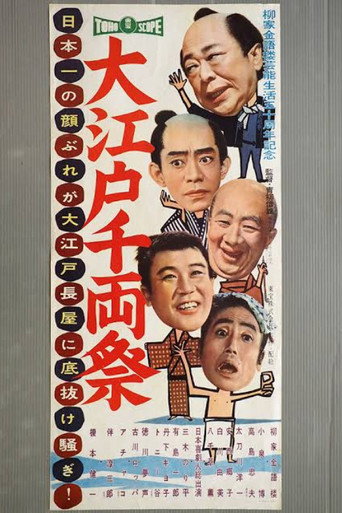 NR
NRNo synopsis available yet.
Big Edo's 1,000 Ryo Festival
1958
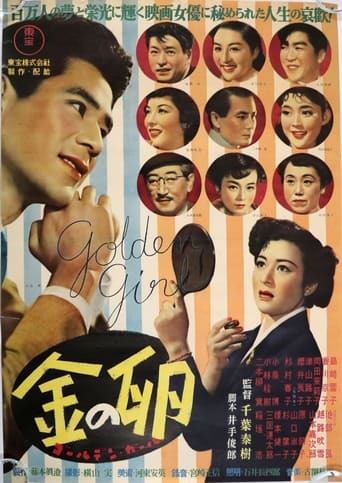 9.0
9.0Once an average and seemingly ordinary Tokyo girl, she suddenly finds herself as a TV star owing to her discovery by a casting company, which noticed photographs that her cousin had sent. When another actress falls ill she is given the role instead. Her first film is a success propelling the young actress to popularity, her own fans, money and a house. While everything looks dandy from the outside not all is well within the family however.
Kin no tamago: Golden Girl
1952
 NR
NRNo synopsis available yet.
The Band in Paradise: Acharaka Is Born
1956
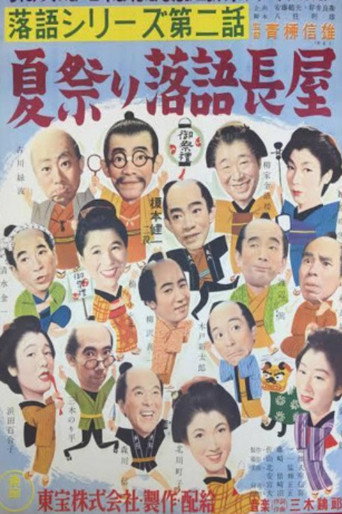 NR
NRHachigoro, a carpenter living in the Rakugo Tenement, is an honest and skilled craftsman, but he loves sake more than his three daily meals, and had even been barred from entering the Akasaiya shop where he worked. However, thanks to the intervention of the landlord he was fortunately allowed back in, and Oka, the landlord’s maid who had long harbored feelings for Hachigoro, sent him a celebratory kimono as a gift.
A Long, Comic Story — Houses at the Summer Festival
1954
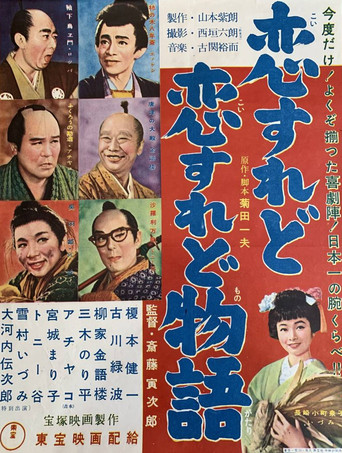 NR
NRNo synopsis available yet.
The More-You-Fall-In-Love Story
1956
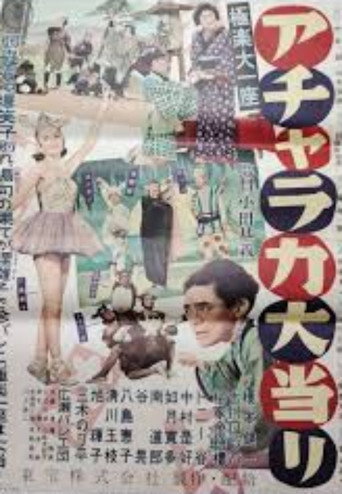 NR
NRNo synopsis available yet.
The Band in Paradise: Acharaka's Big Hit
1956
No synopsis available yet.
Big Laugh Festival of the Edo-ites
1959
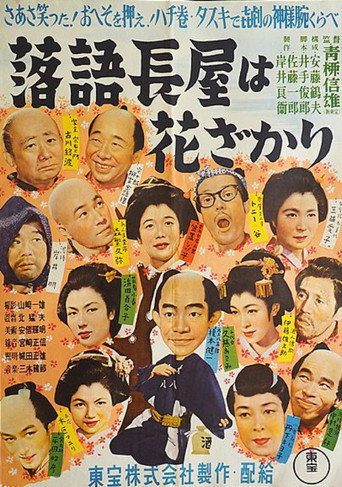 NR
NRSoemon, the master of Gidayū-style madcap performances, has gathered the entire tenement block again tonight and is tormenting everyone with his terrible Gidayū singing.
A Long, Comic Story of Houses in Their Prime
1954
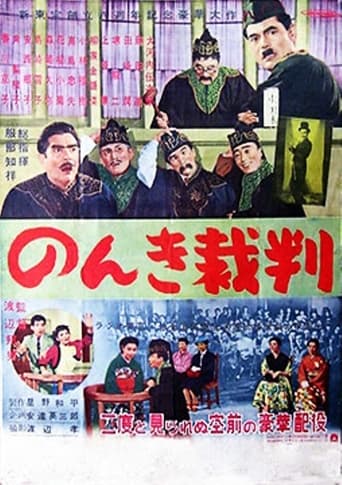 NR
NRA spectacular comedy with a star-studded cast that depicts unusual trials and unexpected verdicts regarding the five deadly sins: the crime of beauty, the crime of a terrifying wife, the crime of taking the wrong course, the crime of seducing, and the crime of killing with laughter.
Nonki saiban
1955
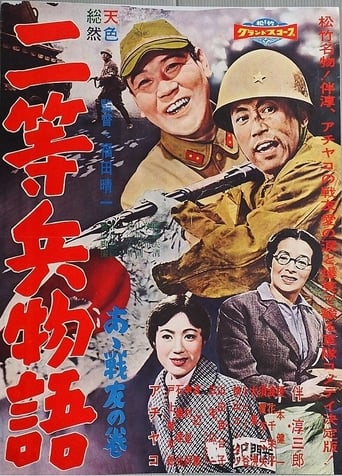 NR
NRFifth sequel to "Story of Second Class Private".
Nitōhei monogatari: Aa senyū no maki
1958
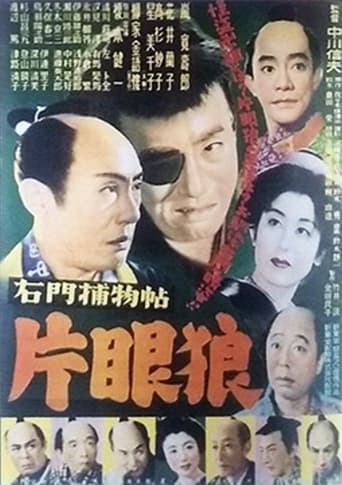 NR
NRNo synopsis available yet.
Umon's Detective Stories: The One-Eyed Wolf
1951
 7.0
7.01955 Japanese movie
Muttsuri Umon's Detective Stories: The Demon Mask Mansion
1955
No synopsis available yet.
Nonsense Detective Story: The Phantom Woman
1952
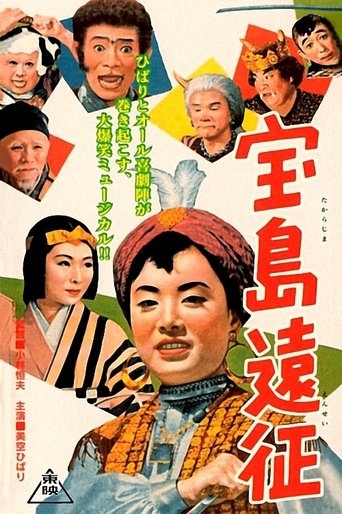 8.0
8.0The story is a dramatization of the Japanese folklore legend of Momotaro, the Peach Boy, who with his trusted companions of dog, monkey and pheasant fought against evil in olden times.
Excursion to Treasure Isle
1956
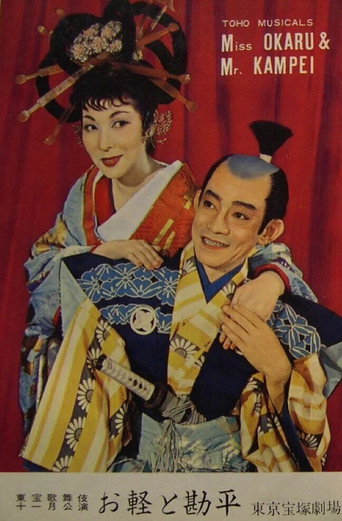 NR
NRBackstage romance about opera singers.
Grease Paint Serenade
1952
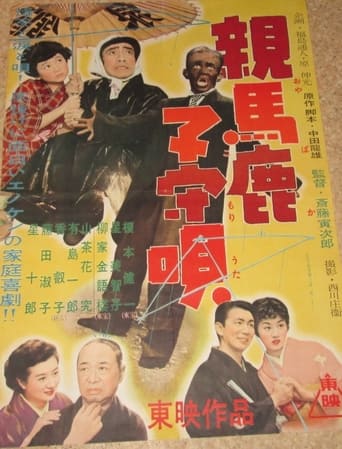 NR
NRNo synopsis available yet.
A Doting Parent’s Lullaby
1955
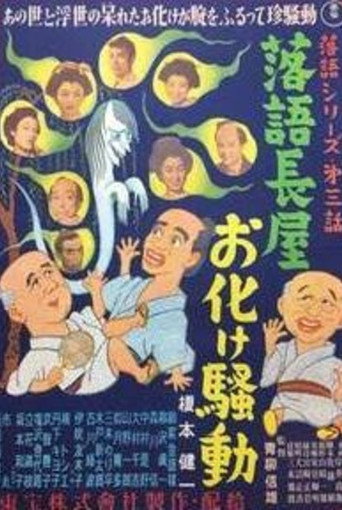 NR
NRNo synopsis available yet.
A Long Comic Story-Houses' Ghost Affairs
1954
 8.0
8.0Based on a comic strip by Kaoru Akiyoshi. First in a four part film series.
Masura o hashutsu fukai
1956
 8.0
8.0A young, talented singer (Misora) is orphaned, not once but twice, and has to turn to a rather unlikely, and unwilling, parental figure, while avoiding her wealthy, absentee father, his hired goons, and the neighborhood fortune teller (Enoken) who's after the reward money.
The Tokyo Kid
1950
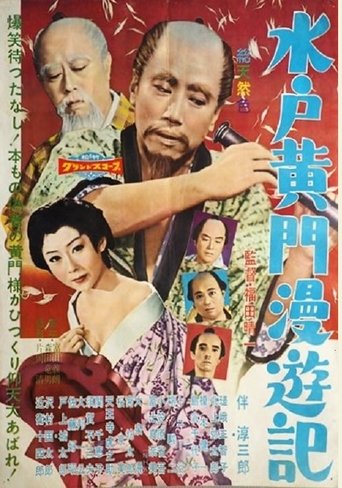 NR
NR1958 Mito Kōmon film.
The Beloved Imposters
1958
 NR
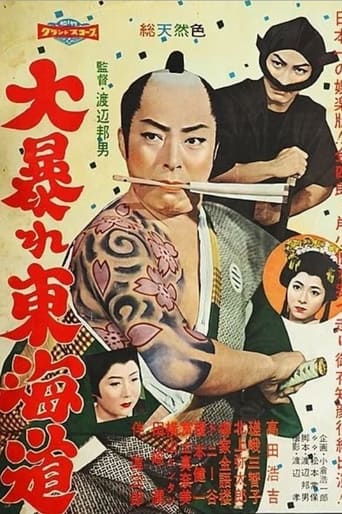
NRAn entertainment movie featuring familiar faces of Toyama no Kin-san, Nezumi Kozo, Yaji Kita, and others who traveled around the Tokaido. Written and directed by Kunio Watanabe. A group of samurai rushed into the Sakura Opera Troupe in the mountain village, chasing a young woman named Chiyohime who was promoting dancing around Edo Asakusa area. Suri Nao and Kinshiro Toyama was there and saved her. Meanwhile, the samurai asked the acquaintance Nezumi Kozo Jirokichi to find her. Jirokichi visited Kinshiro 's house, and found her there…
Dai Abare Tokaido
1958
 NR
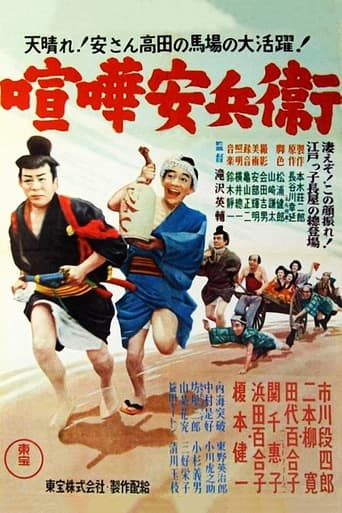
NRYasube Nakayama left the clan and lives in Edo. One day, Yasubei visits his uncle Rokuroemon Kanno to borrow money from a moneylender in the amount of 13 ryo in order to save Oteru, the daughter of a merchant. However, the next day, Rokuroemon was killed in a fight by the Murakami brothers. Yasubei rushed to the scene, took revenge and became the husband of Miya, the daughter of Horibe Yahei.
Fighting Yasubei
1952
1940s · 13 titles
6.2Omnibus of love stories from 1947 directed by famous directors, featuring big stars.
Four Love Stories
1947
 7.0
7.0A legendary pre-war comedy operetta starring Enomoto Kenichi, Hideko Takamine and Li Xianglan. The Sanzo Ikkou continues its westward journey, on a mission to prevent a demonic resurrection. As Genjo Sanzo, Cho Hakkai, Sha Gojyo, and Son Goku (Kenichi Enomoto) fight their way to their goal, their path is fraught with internal strife.
The Monkey King
1940
 NR
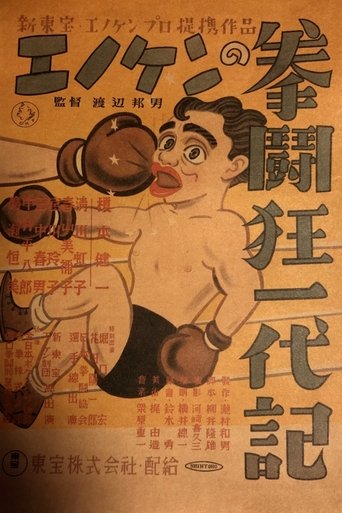
NRNear the end of the Taisho era (1912-1926), Enokichi, a popular figure in the world of boxing entangled in the Yakuza business.
Enoken’s Boxing Generation
1949
 8.0
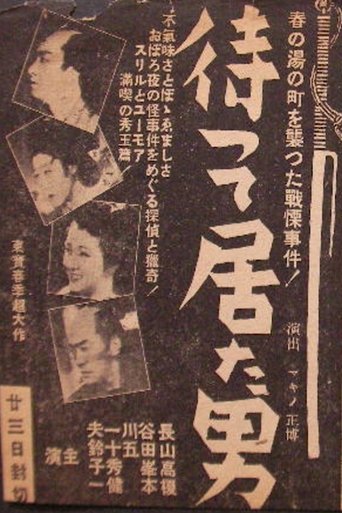
8.0A bizarre murder at a hot springs resort threatens to disrupt an Edo detective's (Hasegawa) vacation. When his hot-blooded wife (Yamada) starts snooping around, however, he finds himself reluctantly drawn in to the case.
The Man Who Waited
1942
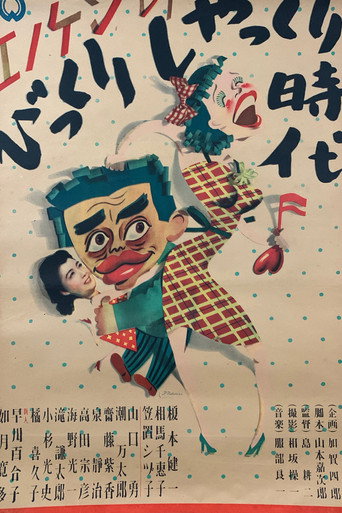 NR
NREnoken's first film at Daiei.
Enoken no bikkuri shakkuri jidai
1948
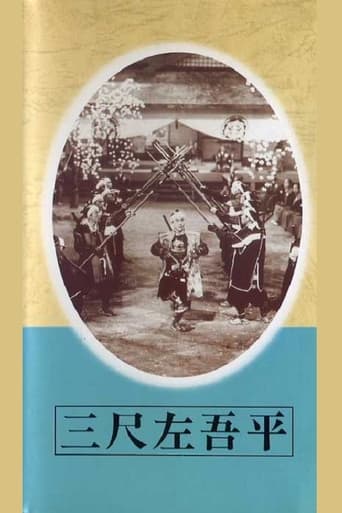 7.0
7.0No synopsis available yet.
Sagohei the Three-footer
1944
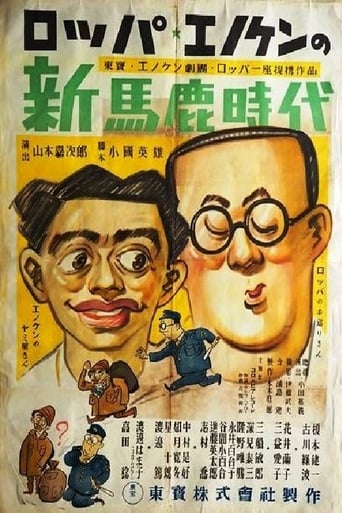 10.0
10.0No synopsis available yet.
These Foolish Times
1947
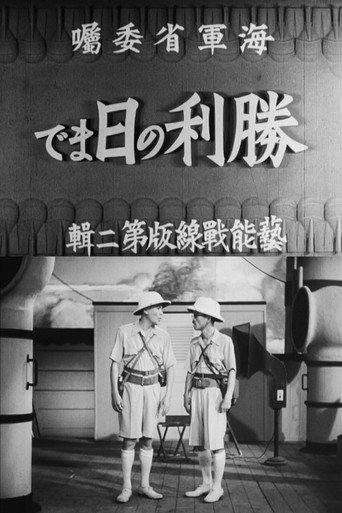 8.0
8.0An Invention laboratory is working on the creation of a performance 'bomb' in the shape of a rocket that could be delivered to the front in order to entertain and amuse the national troops. Inside this rocket would be tiny performers. Once launched from the laboratory and landed amidst the Japanese troops the soldiers could enjoy the performers. The laboratory succeeds and the rocket is built. It bears the insignia, 'until the victory days.' The Japanese government began a program of shooting and disseminating propaganda and entertainment movies for its troops during World War II. Only 15 minutes of the film survives.
Until Victory Day
1945
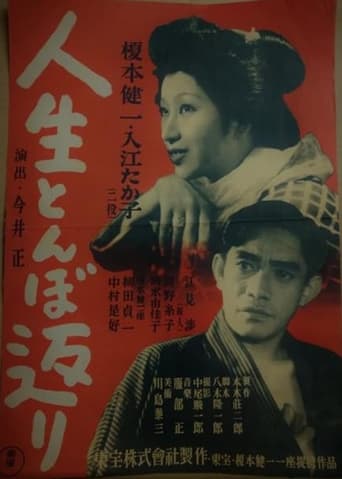 7.0
7.0After learning that he has accidentally killed a man in a fight, Unokichi must look after the man's pregnant widow.
Life Is like a Somersault
1946
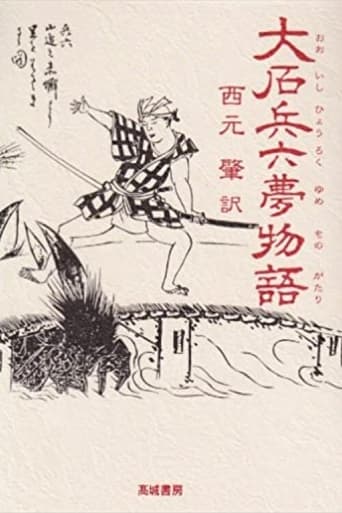 10.0
10.0No synopsis available yet.
Hyoroku's Dream Tale
1943
A modern take on history with songs and comedy presented by Enoken (as Gonza), Fujiyama (as Sukeju), and Kasagi (Gonza’s wife Osaki).
Enoken's Singing Detective Story
1948
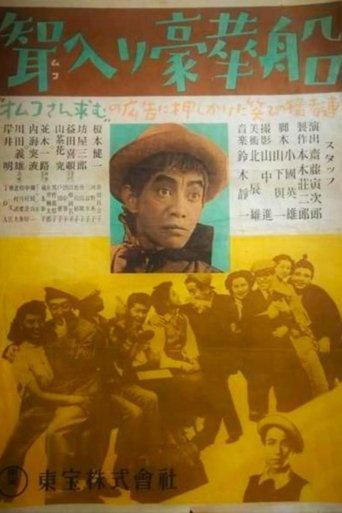 NR
NRNo synopsis available yet.
A Luxurious Ship for the Bridegroom
1947
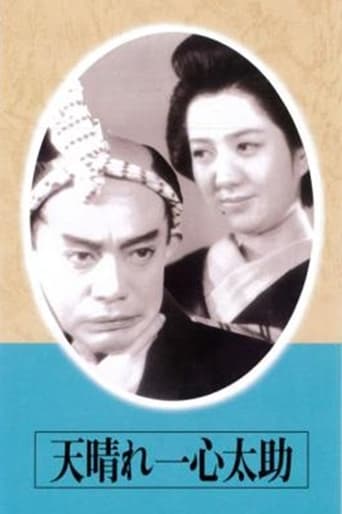 9.0
9.01945 Japanese movie
The Admirable Isshin Tasuke!
1945
1930s · 7 titles
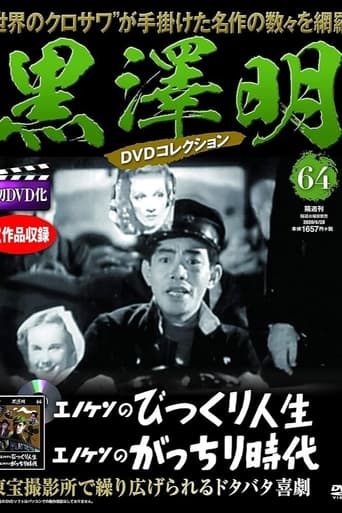 9.0
9.0No synopsis available yet.
Enoken’s Shrewd Period
1939
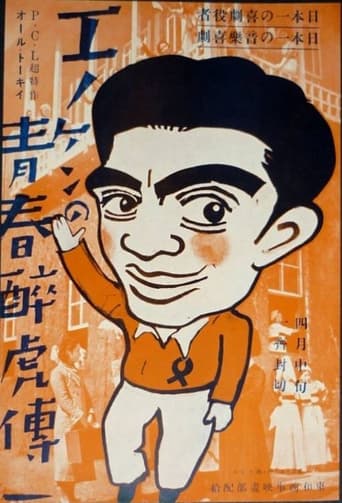 NR
NRIn 1930s Tokyo, the energetic Enoken and his ragtag group of friends navigate a series of chaotic misadventures involving romance and poverty.
Romantic and Crazy
1934
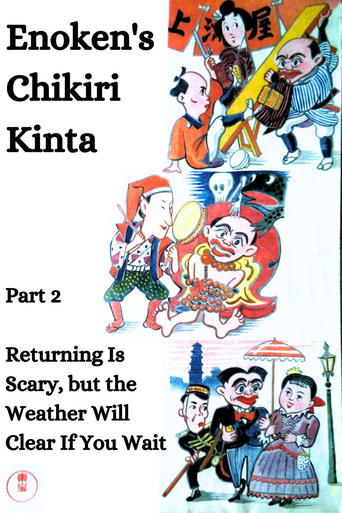 7.5
7.51930s Japanese comedy.
Enoken's Chikiri Kinta Part 2 – Returning Is Scary, but the Weather Will Clear If You Wait
1937
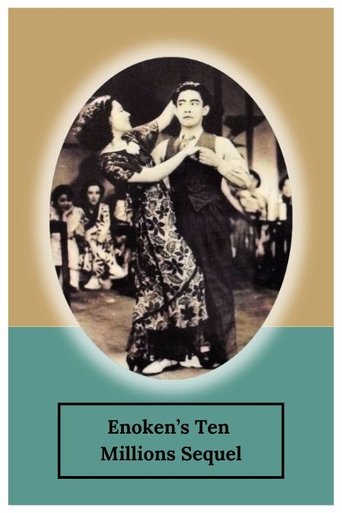 8.0
8.0The story picks up from Part 1 as Enoken's young scion forsakes his wealth and takes a department store job – in drag and sometimes blackface – to prove to the girl of his dreams that he be a hard-working, serious man.
Enoken’s Ten Millions Sequel
1936
 10.0
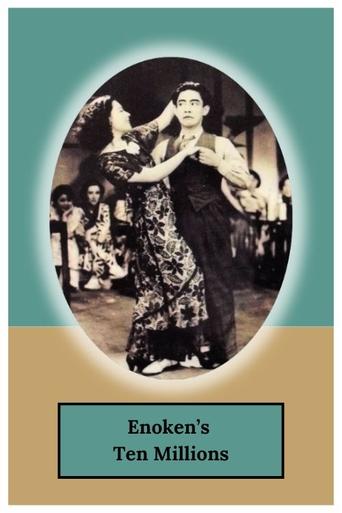
10.0Enoken plays a cloistered rich kid whose father hires a disreputable tutor to teach him how to really be a millionaire: by drunken debauchery, women, and song.
Enoken’s Ten Millions
1936
Enoken's anachronistic take on the beloved (and already very funny) Edo-period novel "Shank's Mare," aka Tōkaidōchū Hizakurige, in which Yaji and Kita, two plebeian nobodies, have all sorts of strange and colorful encounters on the long road from Edo to Kyoto.
Enoken's Yaji and Kita
1939
An irreverent take on a medieval Noh drama, Hokaibo sees Enoken play the titular monk whose lusts drive him to murder.
Enoken's Hokaibo
1938