Acting
Yukiko Todoroki
Born — Died
1917-09-11 — 1967-05-11
Place of birth
Tokyo Prefecture, Japan
Known for
Acting
Credits
61 titles
Yukiko Todoroki (轟 夕起子 Todoroki Yukiko; September 11, 1917 – May 11, 1967) was a Japanese actress. Her real name was Tsuruko Nishiyama. She participated in the Takarazuka Revue. At Takarazuka, she was known not by her real name, but by the stage name Toruko (Turquoise or Turk). Her birthplace was Shinbori, Azabu-ku in Tokyo. Her two ex-husbands were film directors Masahiro Makino and Koji Shima. Her son is Masayuki Makino, the principal of Okinawa Actors School. Anna Makino, a former member of idol group Super Monkey's, is her granddaughter.
Known for
 NR
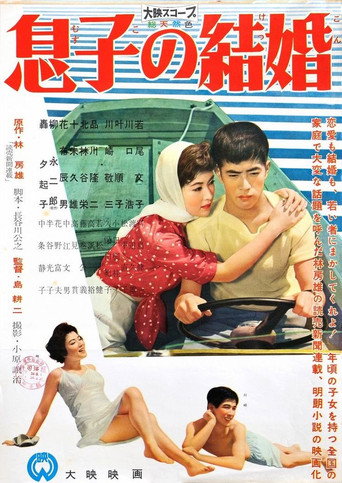
NRA coming-of-age film.
My Son's Revolt
1958
 5.9
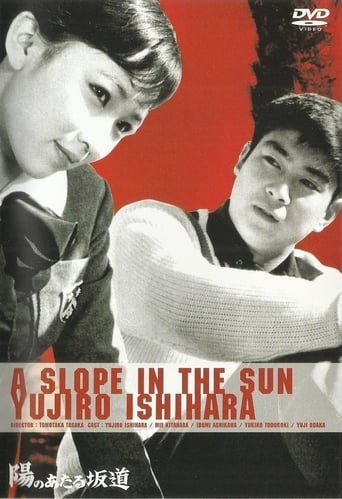
5.9The young Takako Kuramoto has come to Tokyo to study and starts working for the rich Tashiro family as tutor of the daughter, Kumiko, while she receives attention from her two older brothers, Yukichi and Shinji. Meanwhile, the exact parentage of Shinji comes to light.
A Slope in the Sun
1958
 6.0
6.0A few years after his breakthrough, Sanshiro resumes his path to judo mastery—testing his discipline against an American prizefighter and later facing vengeful karate brothers. As rival schools and public spectacle push him toward violence, he must reconcile strength with restraint and the true spirit of his art.
Sanshiro Sugata, Part Two
1945
 6.5
6.5A hotheaded youth in 1880s Meiji Japan apprentices to judo master Shōgorō Yano, trading brute jujutsu bravado for discipline and humility. As Sanshirō matures, he proves judo’s spirit against old-guard challengers—including a deadly duel—while falling for his vanquished opponent’s daughter. Based on the novel by Tsuneo Tomita, son of Tomita Tsunejirō, the earliest disciple of judo.
Sanshiro Sugata
1943
 7.0
7.0A Japanese intelligence officer faces personal crises in the years preceding the Manchurian conflict.
The Symbol of a Man
1963
 NR
NRNo synopsis available yet.
Zoku bakurō ichidai
1952
Film credits
1960s · 13 titles
7.0A Japanese intelligence officer faces personal crises in the years preceding the Manchurian conflict.
The Symbol of a Man
1963
 NR
NRA violent story of loyalty and revenge among the many "yakuza" or gambling groups in Japan.
The Dragon Crest
1963
 6.0
6.0Ryuji Oshima, a gambler, kills Saiga in self-defense, and considering himself unfit to lead men, secludes himself in a temple to atone for his misdeeds. At home, when his mother, the boss of a construction gang, bids for and gets the job of building the Town Hall, other gangs set out to disrupt her business and try to kill her.
Fight of the Gamblers
1963
 NR
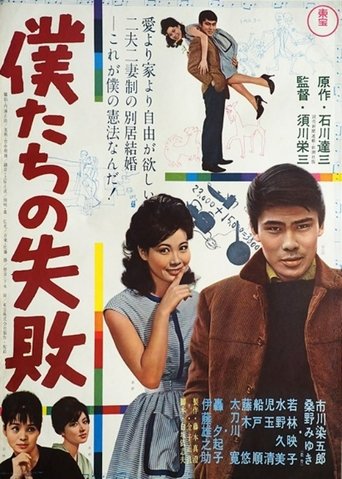
NRTells the story of Shintaro, a lawyer who quits his job to work at a camera factory, and his love adventures.
Our Failures
1962
 NR
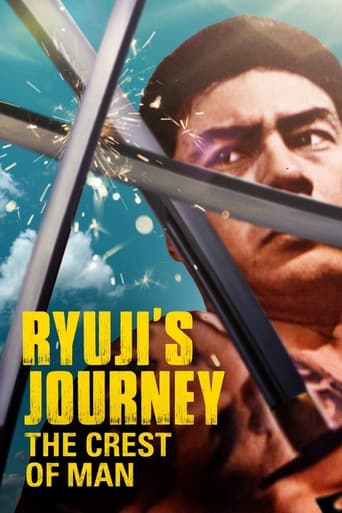
NRThe new head of a powerful family faces danger from an evil rival out for blood.
Ryuji's Journey: The Crest of Man
1965
 NR
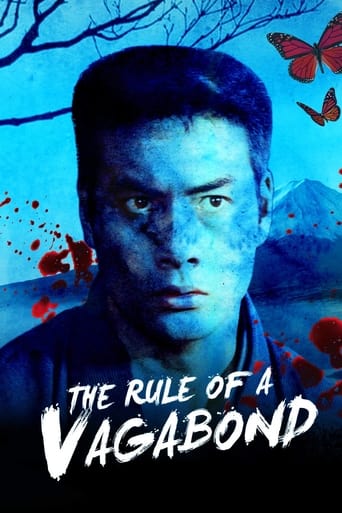
NRA brave warrior fights to restore peace to a town riddled by crime, one sword at a time, in this historical action saga.
The Rule for a Vagabond
1965
 5.5
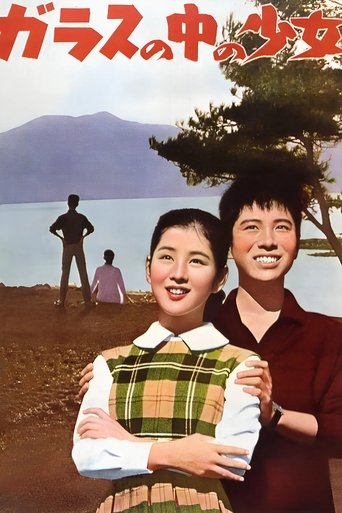
5.5This film depicts the pure love between a girl raised by a strict father and a young man working in a small factory to support his family. The friendship that had blossomed between them eventually grew into love. Yet the purer it was, the more it seemed destined for a tragic conclusion...
Girl in the Glass
1960
 NR
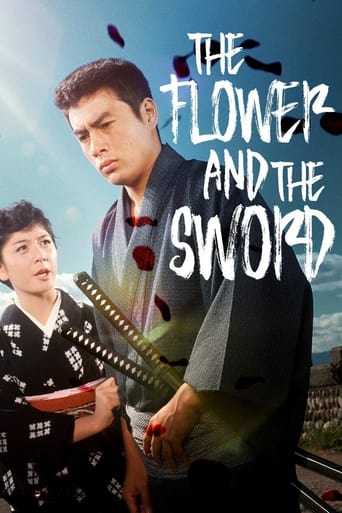
NRA dangerous mobster threatens the life of a businessman's mother in this thriller. As Ryuji oversees the building of a bridge in Japan, a powerful gangster plans to stop the project. By any means necessary.
The Flower and the Sword
1964
 NR
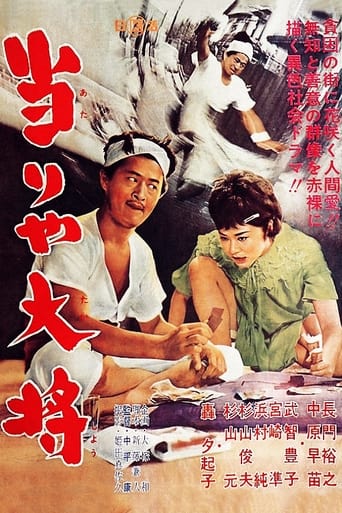
NRThe action takes place in a city where you can live on only 100 yen a day. The "General", who indulged in gambling with his henchmen all day, he was running his business and hitting him with a taxi turned out to be a trifle for him. A unique work, filled with tears and laughter, praising the beautiful human love that blooms at the bottom of life, focused on the genius “General” who lives in the troubled city of Kamagasaki.
The Lucky General
1962
 8.5
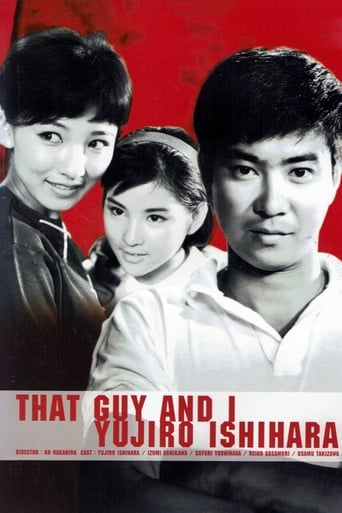
8.5Asada Keiko and Kurokawa Saburo are two young college students. When Keiko visits Saburo's house, she meets his father Kokichi and his mother Motoko. Motoko is a famous hair dresser, who openly flaunts her lover. When Kokichi and Motoko fight, which they do a lot, he routinely threatens to leave but never quite does. A relationship develops between Saburo and Keiko, but Saburo is shaken when his mother tells Keiko the truth about Saburo's past and the secret of his birth.
That Guy and I
1961
 NR
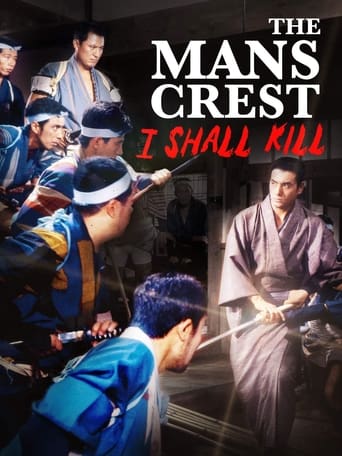
NRNo synopsis available yet.
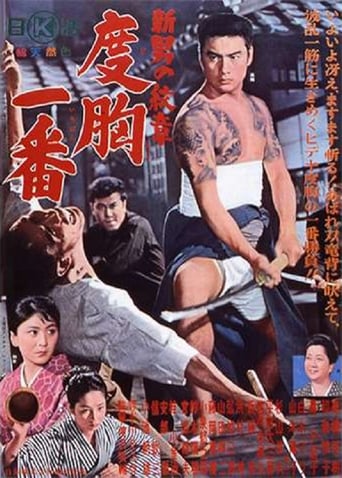
The Man's Crest: I Shall Kill
1965
 NR
NRA war veteran clashes with a mob boss in this crime saga. When Ryuji returns from the war, he finds himself torn by the death of an old friend - the son of crime kingpin Kiyomiya. A death Ryuji feels responsible for.
The Scarred Crest
1964
 9.0
9.0No synopsis available yet.
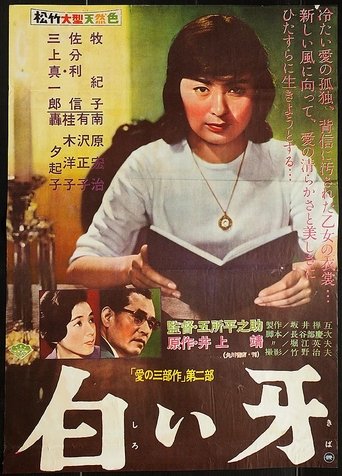
Shiroi Kiba
1960
1950s · 34 titles
NRA coming-of-age film.
My Son's Revolt
1958
5.9The young Takako Kuramoto has come to Tokyo to study and starts working for the rich Tashiro family as tutor of the daughter, Kumiko, while she receives attention from her two older brothers, Yukichi and Shinji. Meanwhile, the exact parentage of Shinji comes to light.
A Slope in the Sun
1958
NRNo synopsis available yet.
Zoku bakurō ichidai
1952
 NR
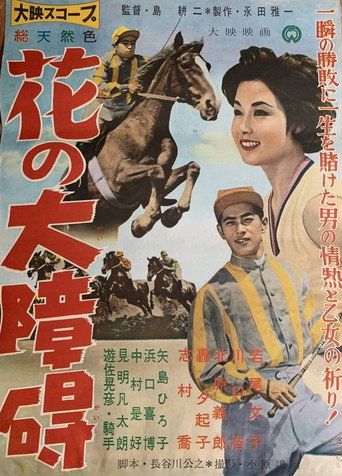
NRA heartwarming tale of romance and thrills featuring an aging groom who discovers the potential of an exceptional racehorse hidden within an ordinary bloodline and dedicates his life to that horse, and an up-and-coming jockey, set against the backdrop of a thrilling steeplechase race.
Various Flowers
1959
 7.0
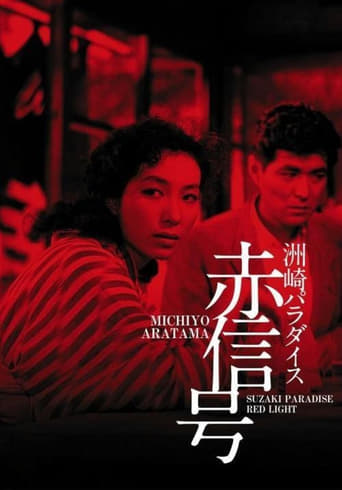
7.0A jobless young couple, Yoshigi and Tsutue, wind up at the outskirts of the Suzaki red-light district in Tokyo. Tsutue talks her way into a job pouring sake for male customers at a small bar run by a sympathetic older woman, while Yoshigi is shunted off into a nearby noodle shop, where he gets a job delivering noodles. Tsutue charms and runs off with one of her clients. Yoshigi, ignoring the attentions of a sweet co-worker, pursues Tsutue.
Suzaki Paradise: Red Light District
1956
 6.5
6.5Shortly after arriving in Kobe, "Jiro the Lefty", a killer with a natural talent, witnesses a man die in a crane accident which turns out to be a cover-up for a murder. Jiro soon finds himself on the run, tailed by a determined cop.
Red Pier
1958
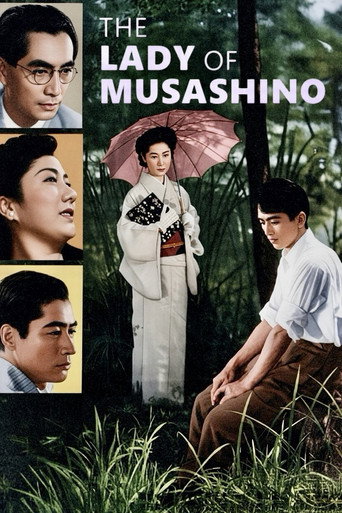 6.3
6.3In post-war Japan, Michiko, a disillusioned young woman trapped in a loveless marriage, confides in her younger cousin, Tsutomo, and the two become close, but decide not to consummate their affair. He instead becomes involved with the flirtatious Tomiko, who is also conducting an affair with Michiko's husband. When Michiko finds that her husband has abandoned her, she decides to take her fate into her own hands.
The Lady of Musashino
1951
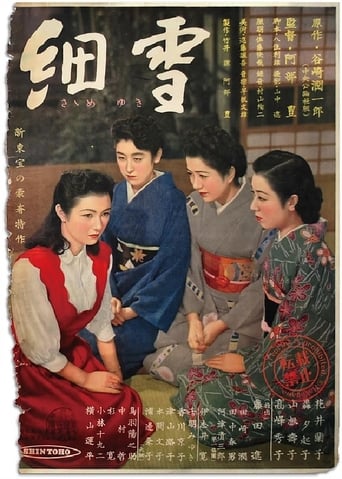 7.5
7.5No synopsis available yet.
Snow-Flake
1950
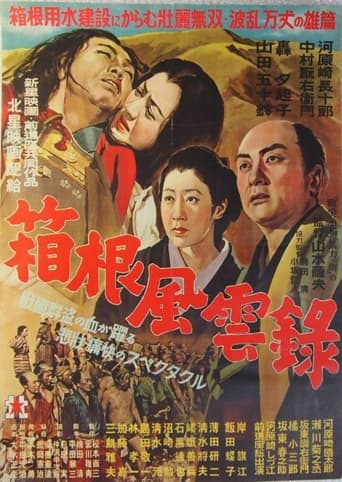 7.0
7.0A period film about a peasant revolt in the region near Mount Fuji, occasioned by high officials' depriving the farmers of their water rights.
The Stand in Hakone
1952
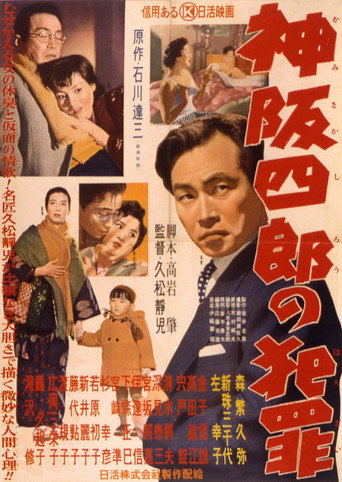 8.0
8.0Chief editor Shiro Kamisaka (Hisaya Morishige) of Sankei Publishing Inc. is being tried for embezzlement and the staging of Chiyo Umehara's suicide. The victim is a woman who's said to have had sexual relations with the defendant. Four intertwined witnesses: a critic, Shiro's employee, a singer, and his wife, are all called to the stand. His destiny now lies in their hands.
Called to the Stand
1956
 6.2
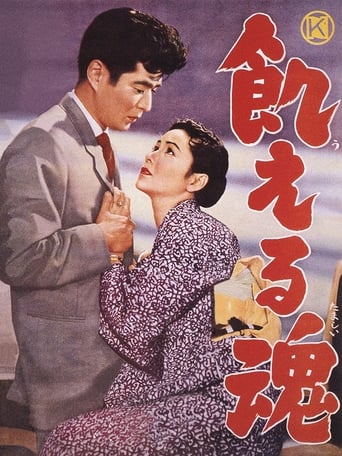
6.2Reiko, who tolerates abuse in her marriage to a man 23 years her senior, is friends with Mayumi, a beautiful widow. Reiko meets her husband’s business rival, a young, capable businessman, and falls for him. Meanwhile, Mayumi enters into a relationship with Shimotsuma, a friend of her late husband.
Hungry Soul
1956
 7.0
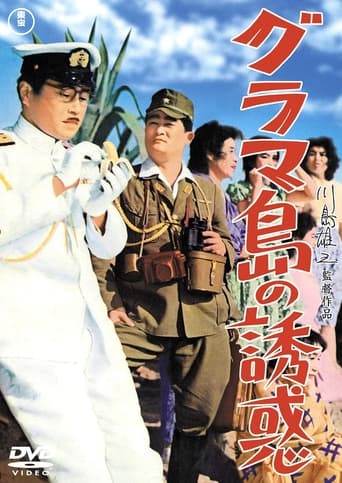
7.0Comedy about three soldiers, two female reporters, six prostitutes, and the wife of an officer, all stranded on a South Seas island at the end of World War II.
Temptation on Glamour Island
1959
 8.3
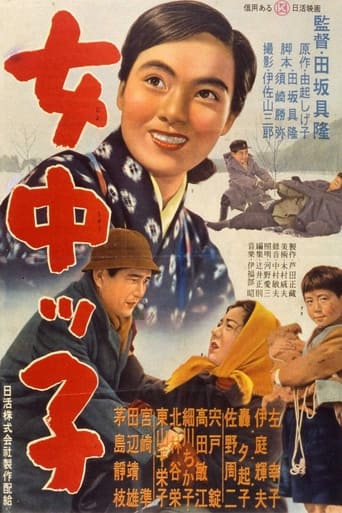
8.3In order to pay back Mrs. Kajiki for her good deed in the past, Hatsu moves from her village in Akita to Tokyo to start working as a maid for her family. She grows close to their youngest son Katsumi, experiencing things that will change her view on life.
The Maid's Kid
1955
 NR
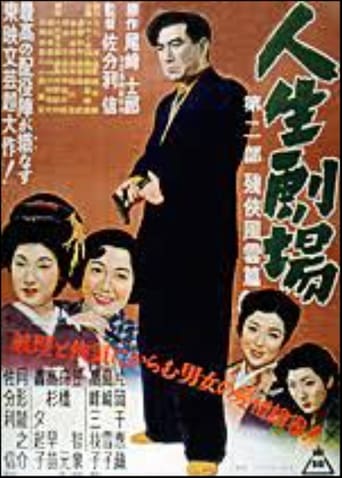
NRPart two of Shin Saburi's Theater of Life adaptation.
Jinsei Gekijo: dai ni bu
1953
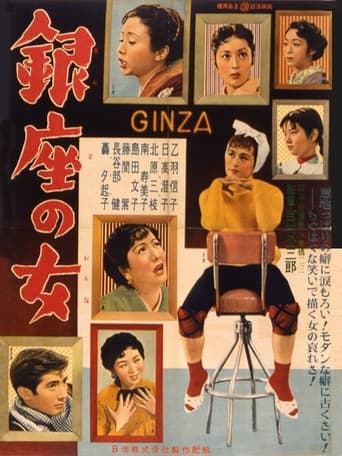 9.0
9.0At Shizumoto, a geisha shop not far from Ginza, a group of geisha are going about their day, putting up a modest resistance to the tragedies of life. The proprietress, Ikuyo, is a ridiculously good-natured woman who gives money to a poor but brilliant young man, Eisaku Yanoguchi, to attend college on the condition that he will take care of her in the future.
Women of Ginza
1955
 NR
NRNo synopsis available yet.
The Stream of Youth
1959
A brutal murder in the dead of night. While the man who left bloody fingerprints and footprints screams he is innocent, the intelligent criminal, driven by greed and lust, smirks in the shadows.
Designated Criminal
1950
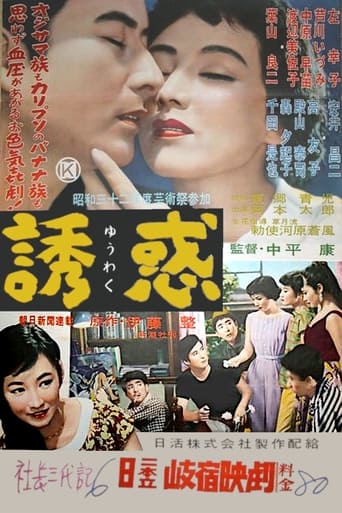 8.0
8.0Shokichi, the owner of the clothing store, lives with his daughter Hideko and plans to open an art gallery. One day, Hideko led a handsome art student, Shohei and a poor painter, Sohei. Sohei’s painting was praised by a great printer at the completion ceremony of the art gallery. Since he became successful as a painter, but he looked quite indifferent. Around the same time, Shohei’s sister brought Sohei’s pictures to the gallery and Shokichi noticed that she was a daughter of his first love.
Temptation
1957
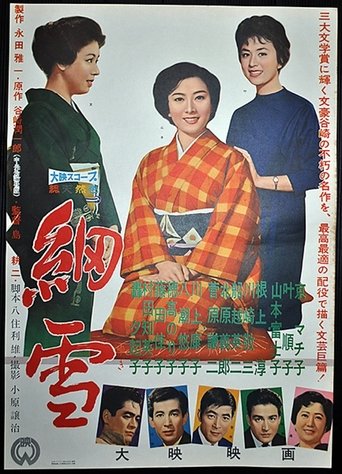 8.5
8.5Based on the famous novel by Junichiro Tanizaki, this is a story of the four sisters of the ancient and reputable Makioka family of Osaka.
The Makioka Sisters
1959
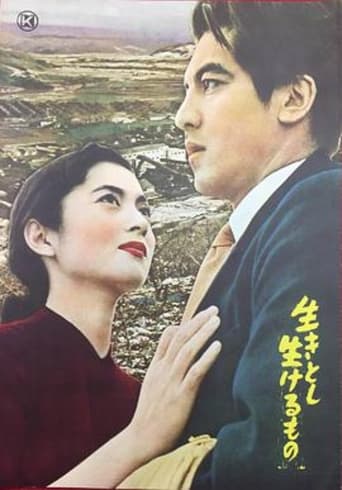 NR
NRYasuichiro Isa, who works in the labor section of Sone Mining Tokyo Headquarters, paid a monthly fee for his younger brother, Reiji, who was in trouble because he had a bonus of 10,000 yen more.
Striving to Live
1955
 NR
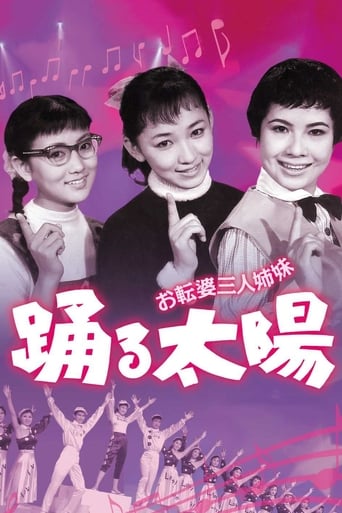
NRIt’s been five years since her husband had passed away. Fuyuko lives in the quiet suburbs, in a small but loving home with her three beautiful daughters. Haruko, the eldest, is the lead vocalist in a band. Natsuko is the conscientious type, who spends her days in ballet classes beautifying herself. The youngest of the three, Akiko is a bookworm who found her niche in philosophy. Although the sisters may appear to have nothing in common, there is one thing they all agree on; "Mom needs a new husband".
Dancing Sisters
1957
 8.0
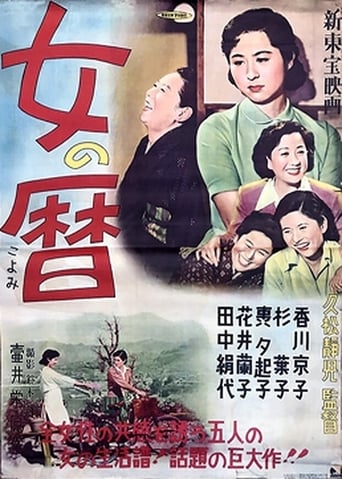
8.0The story of five sisters.
Five Sisters
1954
 NR
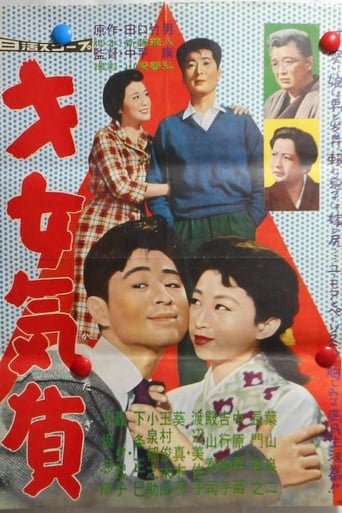
NRSet in an old merchant house in Kyoto, the film traces the passing of an era through the story of a parent and child.
Talented Woman
1959
 NR
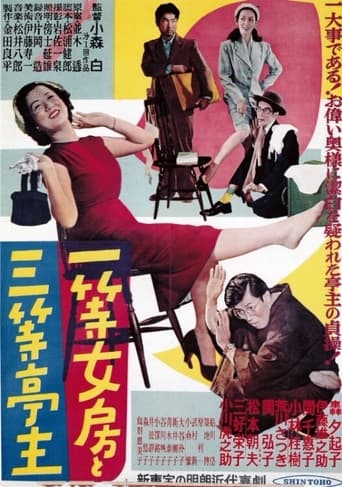
NRNatsuko Kayama, an authority in the beauty industry and once known as Miss Tokyo, is a first-class wife. Her husband, Senkichi, on the contrary, is a good-natured man and slow-witted. They are rarely seen together, and others often criticize them for being too boring and uninteresting.
First-Rate Wife, Third-Rate Husband
1953
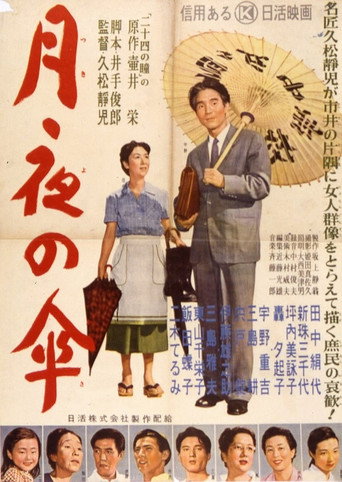 NR
NRHousewives from four neighboring households casually gather at an old well at Kaneko's house in a residential area on the outskirts of Tokyo. If two people come together, they will talk about selling kimonos, if three people come together, they will discuss food shopping, and when four people come together, there will be laughter. Focusing on four housewives who gather at the edge of the well, it depicts the daily life of each household.
Tsukiyo no kasa
1955
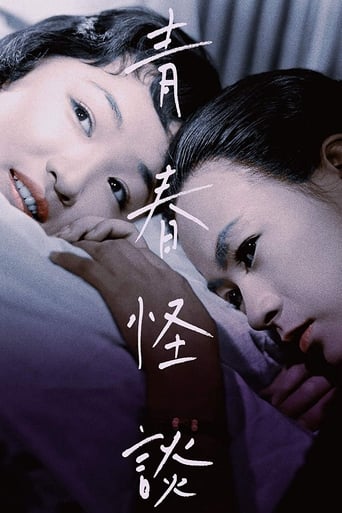 10.0
10.0A melodrama of the ups and downs of youth, based on Bunroku Shishi’s popular novel. Chiharu, a ballerina, and Shinichi, a thorough rationalist and childhood friend. A woman named Tomi Funakoshi appears in front of the two, who are thinking of getting married someday.
Ghost Story of Youth
1955
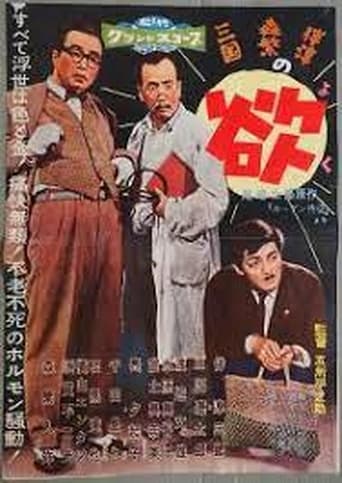 8.0
8.0Half a Loaf... Avarice / Yoku
Yoku
1958
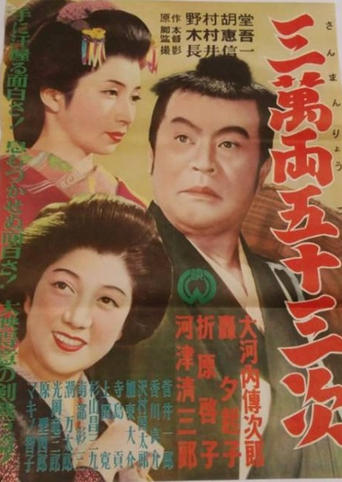 NR
NRNo synopsis available yet.
Sanmanryō gojūsantsugi
1952
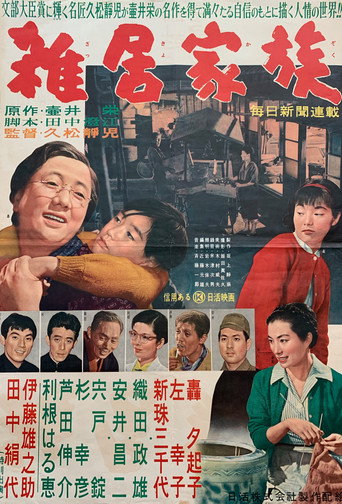 NR
NRYasue (Todoroki) and Fumikichi (Oda), a married couple, have no children, but they take in children from other places and wind up raising three kids.
This Is Home
1956
 NR
NRNo synopsis available yet.
Zoku Shurajō Hibun: Hiryū no Maki
1952
This story depicts how a once-famous married couple of manga artists refused to be defeated by their current poverty.
Aru yoru no dekigoto
1952
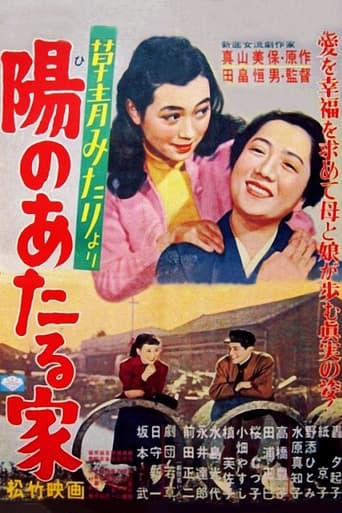 NR
NROn the outskirts of Tokyo, a family of Mitsu Nakahara lives in one of the small huts surrounded by barracks and tin pens. Mitsu's husband died in the war, and she was left alone with four children and works as a day laborer. The eldest daughter Haruko, who is already nineteen years old, works in a clothing store, the second daughter Natsuko works in a restaurant, a schoolboy Akio is studying carpentry, and even the youngest Fuyuko helps her mother by working as a nanny in a neighboring house. Nearby lives a widowed electrician Tokuji Yamada with two boys - Norio and Tatsuo. He has a widowed daughter, Sakiko, who, along with a small child, ran away from home, as she is going through hard times. At Haruko's suggestion, Mitsu and Tokuji get married, and it would seem that happiness smiles on their new family, but it turned out to be short-lived…
Sunny house
1954
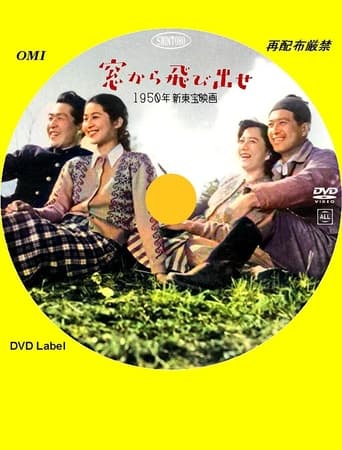 NR
NRThe movie "Jump Out of the Window" is a heartwarming work that depicts the interaction between two families. Shusuke Tokuyama (Den Obinata) runs an agricultural and livestock industry, and has his father Ritaro (Hiroshi Shiomi), younger brother Yuji (Keiju Kobayashi), wife Fujiko (Kiko Todoroki), and four children (three of whom are Obinata's sons). They lived in a large family of 8 people, including 2 children and 2 daughters. The Fujieda family next door is Chieko (Ayako Okamura), whose husband, a captain, died in a shipwreck at sea, her daughter Mariko (Kyoko Kagawa), and her son Michio (Oohinata's son), who has a leg disability and is undergoing rehabilitation. ) We were a family of three. Through the interaction between the Tokuyama family and the Fujieda family, the importance of family and the kindness of people are reflected on the screen.
Mado Kara Tobidase
1950
No synopsis available yet.
Wagtail Tune
1951
1940s · 12 titles
6.0A few years after his breakthrough, Sanshiro resumes his path to judo mastery—testing his discipline against an American prizefighter and later facing vengeful karate brothers. As rival schools and public spectacle push him toward violence, he must reconcile strength with restraint and the true spirit of his art.
Sanshiro Sugata, Part Two
1945
6.5A hotheaded youth in 1880s Meiji Japan apprentices to judo master Shōgorō Yano, trading brute jujutsu bravado for discipline and humility. As Sanshirō matures, he proves judo’s spirit against old-guard challengers—including a deadly duel—while falling for his vanquished opponent’s daughter. Based on the novel by Tsuneo Tomita, son of Tomita Tsunejirō, the earliest disciple of judo.
Sanshiro Sugata
1943
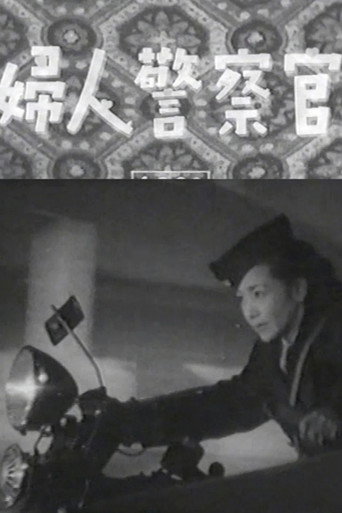 NR
NRA social drama about the first female police officer.
Female Police Officer
1947
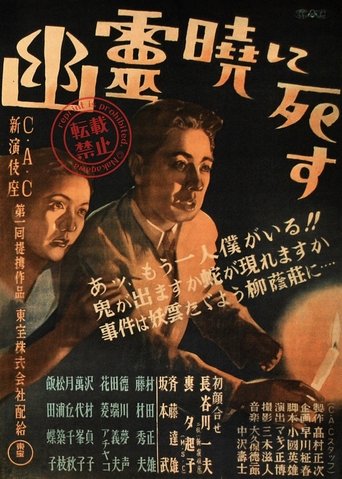 NR
NRAt the wedding of Kohei (Hasegawa) and Michiko (Todoroki), a whisper echoes along with a gust of wind. As if manipulated by the mysterious voice, Kohei takes Michiko to stay at a dilapidated mountain villa in his hometown. What awaited him there...
Ghosts Die at Dawn
1948
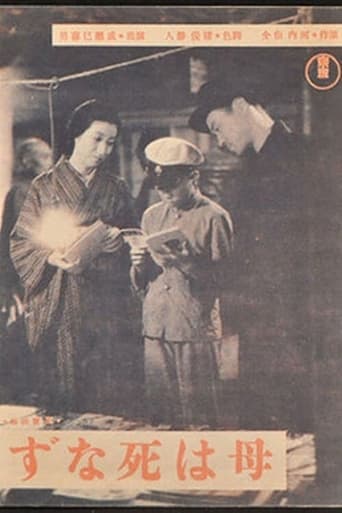 6.2
6.2The premature death of a young mother serves as inspiration for her husband and son.
Mother Never Dies
1942
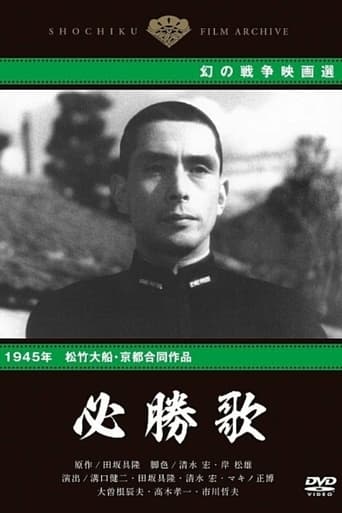 5.7
5.7An anthology of thirteen patriotic stories about Japanese citizens contributing to the war effort.
Victory Song
1945
 8.0
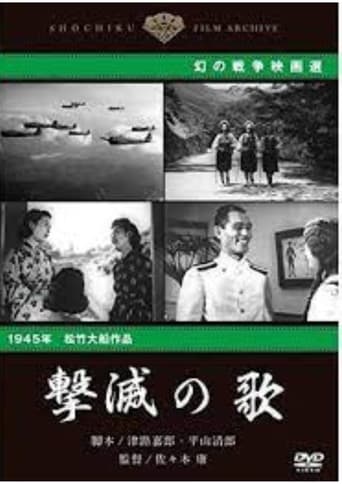
8.0Three daughters have graduated from the music school and have gone their separate ways. On the day of the outbreak of war, the three girls meet again for the first time since their graduation ceremony. This film was made at the end of the war to promote the military song “Song of the Annihilation of the United States and Great Britain” and to raise the will to fight.
Gekimetsu no uta
1945
 NR
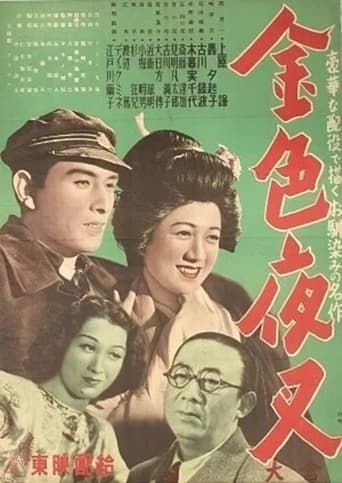
NR1948 adaptation of Golden Devil
Golden Devil
1948
 7.0
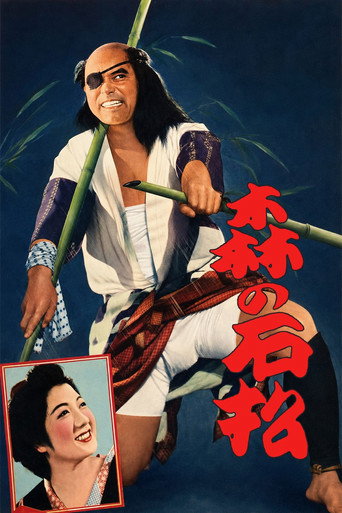
7.0The tale of a feudal swordsman who cynically takes no responsibility for anything, relegating it to others, and then taking the credit.
Ishimatsu of the Forest
1949
 9.0
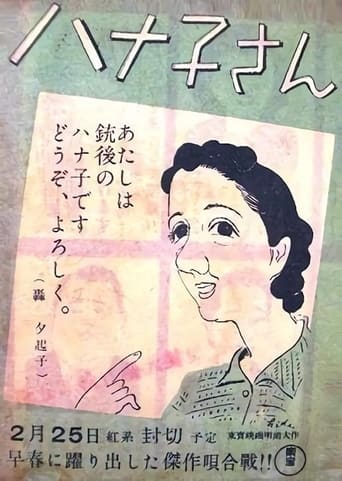
9.0Hanakosan (1943, TOHO, MAKINO Masahiro), a thoroughly light and joyful musical comedy, influenced by Busby Berkeley films, against the national policy under the wartime, was made into a film from comic serials by SUGIURA Yukio published in a magazine.
Miss Hanako
1943
 NR
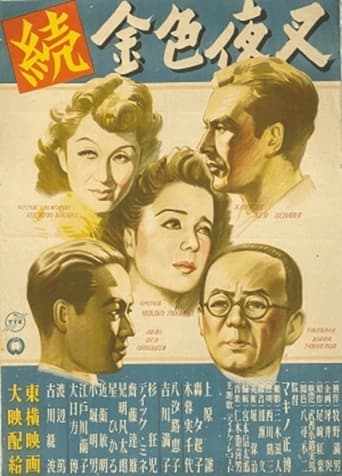
NR1948 adaptation of Golden Devil, part 2
Golden Devil Part 2
1948
 8.0
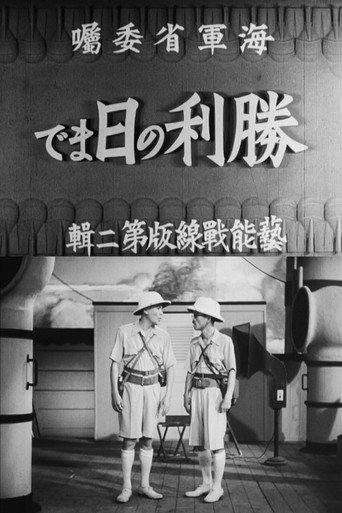
8.0An Invention laboratory is working on the creation of a performance 'bomb' in the shape of a rocket that could be delivered to the front in order to entertain and amuse the national troops. Inside this rocket would be tiny performers. Once launched from the laboratory and landed amidst the Japanese troops the soldiers could enjoy the performers. The laboratory succeeds and the rocket is built. It bears the insignia, 'until the victory days.' The Japanese government began a program of shooting and disseminating propaganda and entertainment movies for its troops during World War II. Only 15 minutes of the film survives.
Until Victory Day
1945