
Acting
Akitake Kōno
Born — Died
1911-10-08 — 1978-03-17
Place of birth
Nagasaki, Japan
Known for
Acting
Credits
60 titles
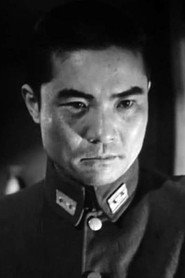
Akitake Kōno (河野 秋武 Kōno Akitake, 8 October 1911 – 17 March 1978) was a Japanese film actor. He appeared in more than sixty films from 1943 to 1973. Kōno started acting with the Zenshinza theater troupe before joining the Toho studio in 1942. Mostly a character actor, he appeared in films by directors such as Akira Kurosawa and Kenji Mizoguchi as well on television.
Known for
 8.2
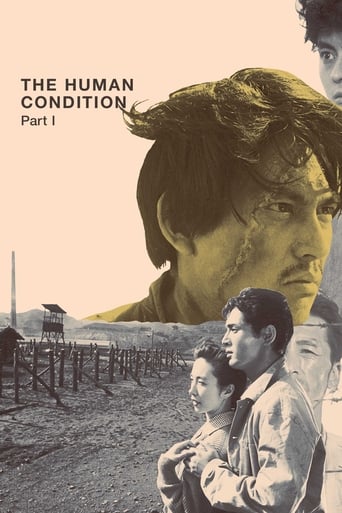
8.2After handing in a report on the treatment of Chinese colonial labor, Kaji is offered the post of labour chief at a large mining operation in Manchuria, which also grants him exemption from military service. He accepts and moves with his newlywed wife Michiko, but when he tries to put his ideas of more humane treatment into practice, he finds himself at odds with scheming officials, cruel foremen, and the military police.
The Human Condition I: No Greater Love
1959
 8.1
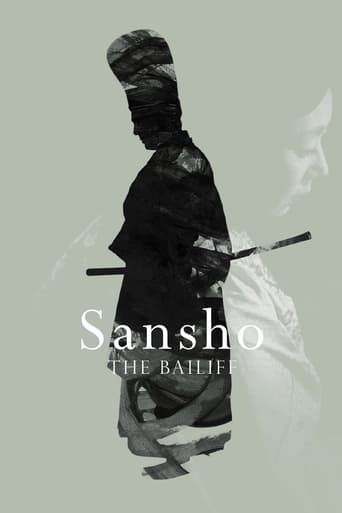
8.1In 11th-century feudal Japan, following the exile of an idealistic governor, his wife and children are separated by slave traders; the children, Zushio and Anju, are sold into brutal servitude under the cruel bailiff Sansho.
Sansho the Bailiff
1954
 5.6
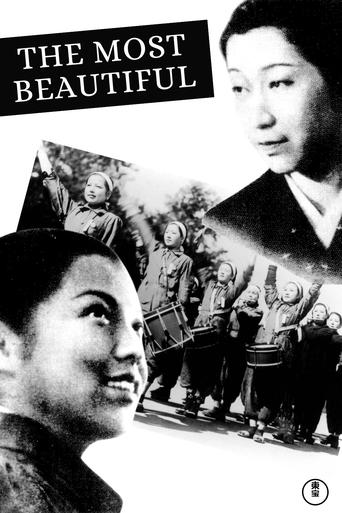
5.6Young women at a precision optics factory in wartime Japan push to exceed production quotas, enduring illness, injury, and personal hardship to “serve the country.” Led by Tsuru Watanabe, they fight fatigue and setbacks to keep their line moving—even when duty collides with grief.
The Most Beautiful
1944
 6.0
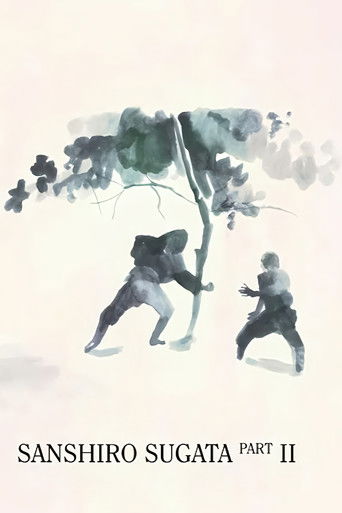
6.0A few years after his breakthrough, Sanshiro resumes his path to judo mastery—testing his discipline against an American prizefighter and later facing vengeful karate brothers. As rival schools and public spectacle push him toward violence, he must reconcile strength with restraint and the true spirit of his art.
Sanshiro Sugata, Part Two
1945
 7.0
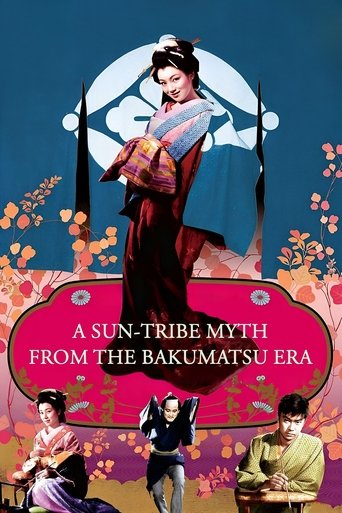
7.0Saheji, a man-about-town, gets stuck at a high-class brothel when he can’t pay the bill. He makes the best of his situation by performing various tasks amidst the tumult of the end of the shogunate—but always by making sure to get a “commission” for his troubles.
A Sun-Tribe Myth from the Bakumatsu Era
1957
 7.3
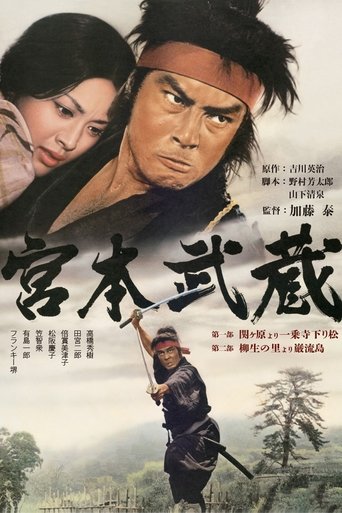
7.3In Part I we see the young would-be swordsman setting out to achieve greatness in war, achieving nothing because fighting on the losing side, & then beginning his long period of wandering & training, with the goal always in mind of his duel with Kojiro. Part II builds toward that great duel on Ganryu Island, with considerable focus on Musashi's planning & forethought as to how to gain an advantage.
Miyamoto Musashi
1973
Film credits
1970s · 2 titles
7.3In Part I we see the young would-be swordsman setting out to achieve greatness in war, achieving nothing because fighting on the losing side, & then beginning his long period of wandering & training, with the goal always in mind of his duel with Kojiro. Part II builds toward that great duel on Ganryu Island, with considerable focus on Musashi's planning & forethought as to how to gain an advantage.
Miyamoto Musashi
1973
 7.7
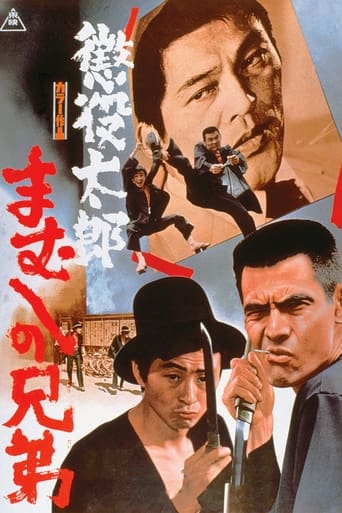
7.7After spending several years in prison, yakuza punk Masa (Bunta Sugawara) and his underling, Katsuji (Tamio Kawachi) are back out in the mean streets of Kobe to make a name for themselves amongst the local yakuza organization.
The Viper Brothers
1971
1960s · 22 titles
 6.8
6.8Yoshie Nogami, a factory worker by day, works as a bar hostess at night. She begins a passionate affair with one of her regulars, but his changing demeanor and constant demands for money lead Yoshie down a dark path.
The Shape of Night
1964
 8.7
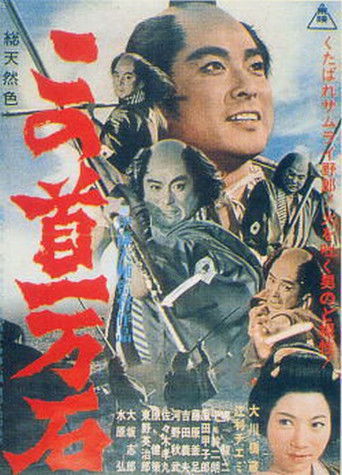
8.7Gonza was a handsome young laborer, a footman and spear-carrier, working hard for his meager wage. All Gonza wanted was to marry his young sweetheart, but despite their mutual poverty, her status as the daughter of a samurai blocked their path to happiness. A chance opportunity to achieve samurai status would come one day, but Gonza will regret trusting the so-called honorable samurai who extended this fateful offer, and the terrible price he'd pay, fighting for his life in one of the most blood-spattered samurai battles ever filmed.
Tragedy of the Coolie Samurai
1963
 6.7
6.7Young lord Saburo Nobuyasu struggles to find comfort in life. His arranged marriage to Tokuhime, daughter of one-time family enemy Oda Nobunaga, provides little happiness. His manipulative mother adds further complications through her constant interference and attempts at defeating the Nobunaga family.
The Conspirator
1961
 7.0
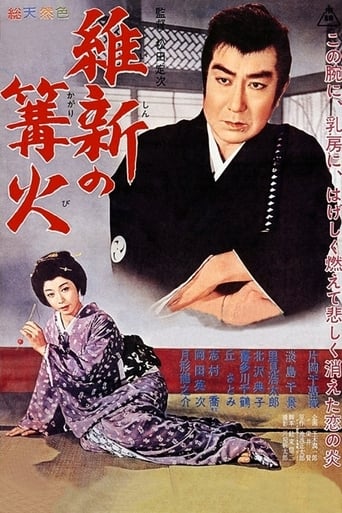
7.0Megastar Kataoka Chiezo is Vice-commander Hijikata Toshizo of the Shinsengumi in this realistic tale of Japan’s inner battles that led to the downfall of the Tokugawa shogunate. Excellent performances and extremely good swordplay highlight this glimpse into the heart and soul of Japanese history. Although known as “Razor Blade” Hijikata, the vice-commander is a man of deep conviction with a little-known sense of humanity. Starting after the famed Ikedaya Incident, in which they saved Kyoto from Choshu’s plot to burn the city to ashes, they work hard to change the public’s view of them as merciless killers to their true mission of protecting the shogun. This is an extraordinary tale of blood and guts! From the pen of award winning author Shotaro Ikenami (Bandit Vs. Samurai, Hunter in the Dark, Misumi's The Last Samurai)
Restoration Fire
1961
 7.7
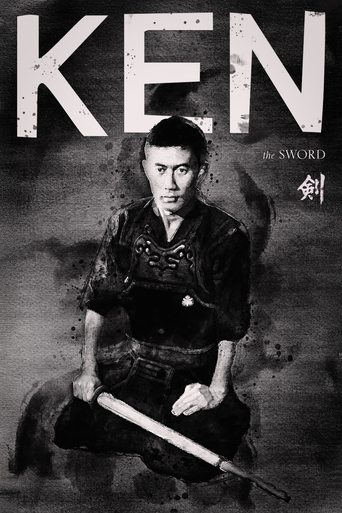
7.7Kokubu, captain of his university's kendo team, is a mystery to those who know him: An ascetic dedicated to a point of obsession with the simplicity and beauty of the sword arts. Kagawa, a promising but arrogant kendo student, is attracted to Kokubu's devout leadership but kept at a distance by his standoffish nature. With the national championships fast approaching, the pair clash as Kokubu drives his students with increasingly rigorous training and Kagawa tests Kokubu's grip on the class.
Ken
1964
 NR
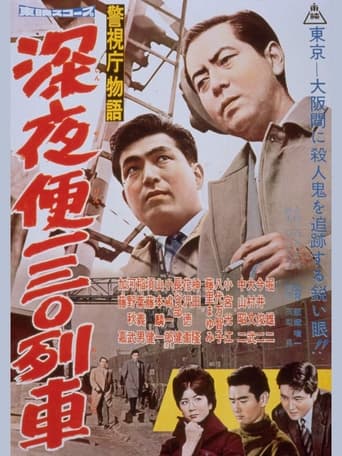
NRIn a corner of a warehouse at Shiodome Station, a alumni trunk, is found with the terrible smell of decay. The dead body of a woman is inside. Since the trunk was shipped from Osaka Tennoji Station, the murder investigation headquarters were established in Tokyo and Osaka
Police Precinct Part 12
1960
 6.7
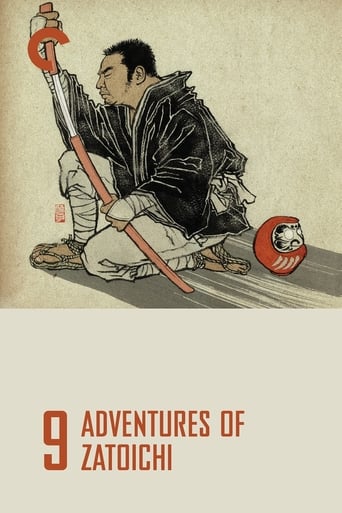
6.7Blind swordsman/masseuse Zatoichi befriends a young woman looking for her father, a village leader who has disappeared. As he helps her investigate the disappearance, Zatoichi also becomes involved with another young woman who is trying to help her brother, who has murdered someone at about the same time and place as the missing man was last seen.
Adventures of Zatoichi
1964
 5.2
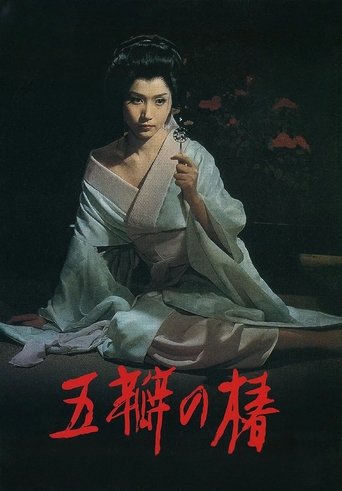
5.2A young woman begins murdering all those responsible for her ailing father's condition. Because the girl is so outwardly sweet and innocent, the detective looking into the deaths does not suspect her.
The Scarlet Camellia
1964
 5.4
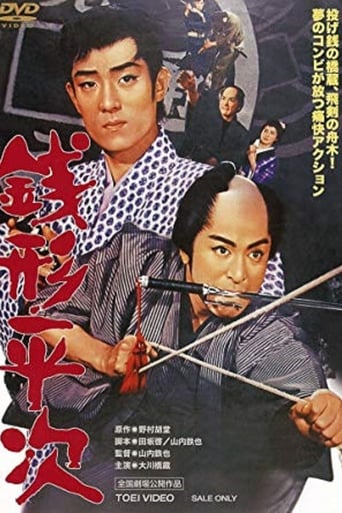
5.4Famous for his coin tossing when capturing criminals, an Edo detective, Heiji, launches an investigation into the mysterious murder of his friend Seigoro.
Heiji, the Detective
1967
 6.0
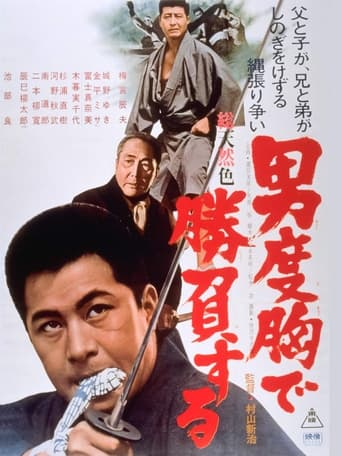
6.0A young yakuza who respects obligation and humanity must face cruel and heartless turf wars leading to a fight to the death with his own brother.
Nerves for Victory
1966
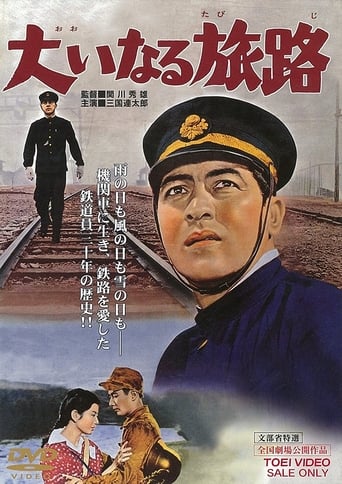 8.0
8.0The story of a certain engineer from his youth until he retired from the Japanese National Railways after the war .
The Great Road
1960
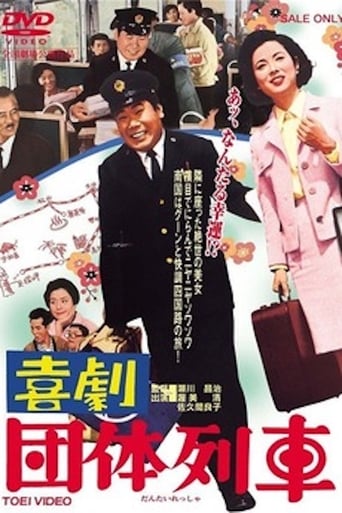 6.0
6.0A comedy about Hikoichi, a mediocre train conductor who falls in love with a beautiful widow Sayuri.
Traveling in Party
1967
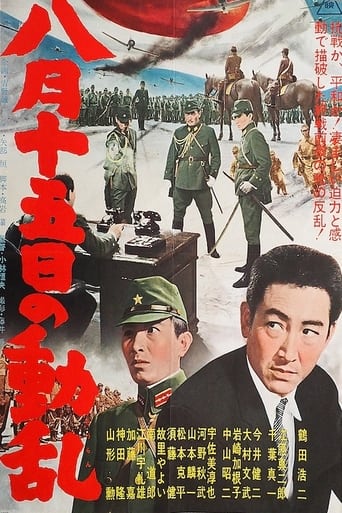 NR
NRA suspense work based on the "Miyagi Incident," an attempted coup d'etat led by some officers working for the Ministry of the Defense and the General Staff of the Konoe Division on the eve of the end of the Pacific War.
Mid-August Commotion
1962
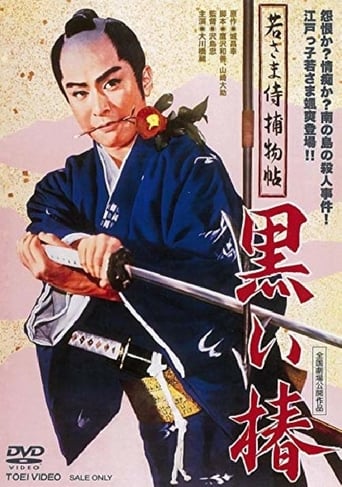 7.0
7.0Escaping the hustle and bustle of Edo, the Young Lord came to Oshima Island in Izu to take a vacation. Unexpectedly, the island's boss, Amimoto, was brutally murdered with a harpoon. As usual, the Young Lord sets out to solve the case. However, most of the islanders have a grudge against Amimoto, and there are so many suspects that he is at his wits' end this time. Set against the beautiful sea of Izu and the majestic Mt. Mihara, the Young Lord's brilliant deductions and his secret sword Ichimonjo-Kakureshi cut through the mystery!
Case of a Young Lord 9: Black Camellia
1961
 NR
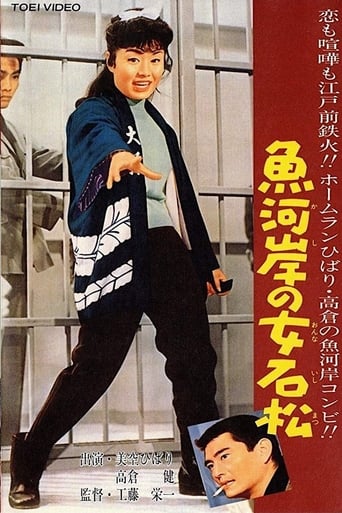
NRHibari Misora plays Yoshiko, the popular daughter of a fish market owner. After discovering that she was adopted, she sets out to help her biological father who has fallen victim to an evil plot orchestrated by those who would take over his successful business.
A Fishwife's Tale
1961
 8.0
8.0The tragic, yet exciting story of the friendship between Nakayama Yasubei, a member of the 47 Ronin, and Tange Tenzen, a relative by marriage of the vile Lord Kira.
Broken Swords
1969
 6.3
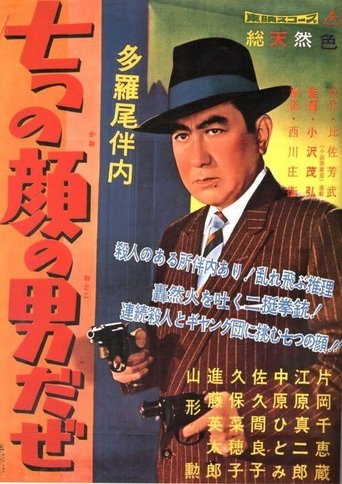
6.3Detective Tarao investigates the deaths of police officers who were involved in solving a kidnapping case.
The Man of Seven Faces
1960
 6.4
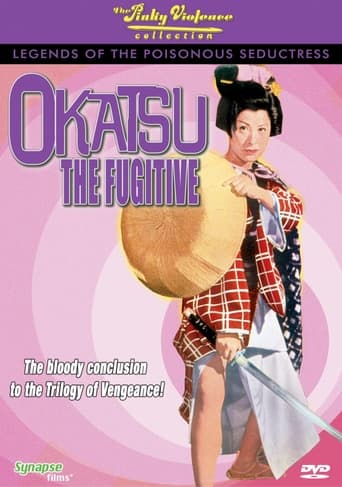
6.4Okatsu the Fugitive is the third film in the "Ohyaku/Okatsu" series. Okatsu; a "tomboy" who is good with a sword. Her father has found her a man to marry and actually she doesn't seem too upset about the situation. At the same time, a bunch of farmers are being slaughtered by a corrupt group running a tobacco smuggling ring. They're being investigated by a man who is documenting their crimes and when they find out about it, they torture him for information but get none. It's not long before he and Okatsu's mother wind up dead and she sets out for revenge.
Okatsu the Fugitive
1969
 7.0
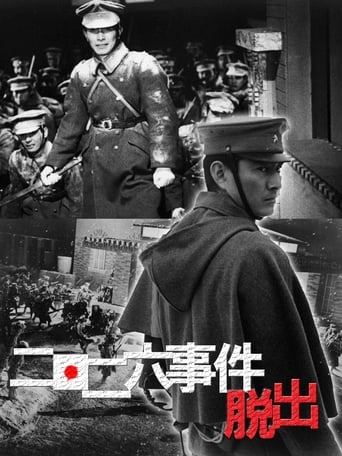
7.0Film about the 2-26 Incident.
The Escape
1962
 6.0
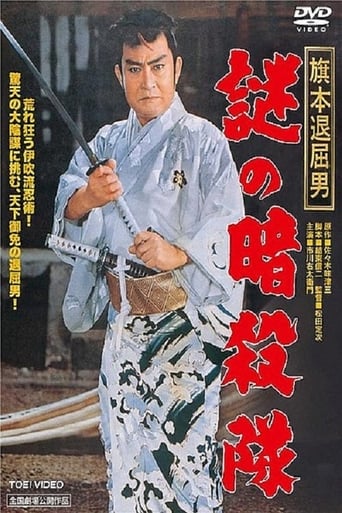
6.0Saotome Mondonosuke pursues the culprit who placed a malicious curse upon Shogun Tsunekichi.
Ninja Assassins
1960
 6.5
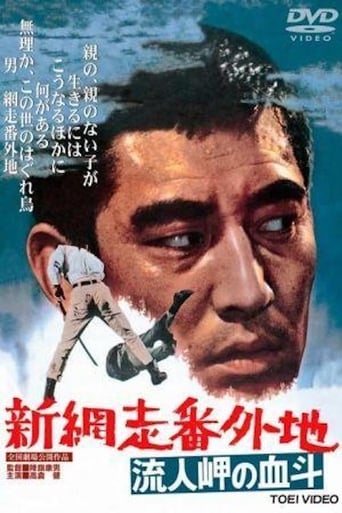
6.5Suehiro Katsuji, a prisoner of Abashiri, is sent to Shikoku to work at a dock where a fierce turf battle takes place between a local gang and the dock operator.
New Prison Walls of Abashiri 2
1969
 6.1
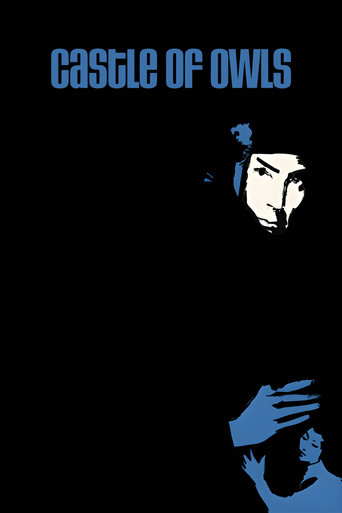
6.1Movie adaptation of the 1959 ninja novel. With war against Korea looming on the horizon, Hideyoshi Toyotomi, the 'Taiko' becomes the target of an assassination attempt to be carried out by the Iga Clan of ninja spies. Master spy Juzo Tsuzura (Ryutaro Otomo) is assigned the task, but first he must defeat a former Iga spy who has become a traitor, and outwit the treacherous woman that is trying to seduce him.
Castle of Owls
1963
1950s · 26 titles
8.2After handing in a report on the treatment of Chinese colonial labor, Kaji is offered the post of labour chief at a large mining operation in Manchuria, which also grants him exemption from military service. He accepts and moves with his newlywed wife Michiko, but when he tries to put his ideas of more humane treatment into practice, he finds himself at odds with scheming officials, cruel foremen, and the military police.
The Human Condition I: No Greater Love
1959
8.1In 11th-century feudal Japan, following the exile of an idealistic governor, his wife and children are separated by slave traders; the children, Zushio and Anju, are sold into brutal servitude under the cruel bailiff Sansho.
Sansho the Bailiff
1954
7.0Saheji, a man-about-town, gets stuck at a high-class brothel when he can’t pay the bill. He makes the best of his situation by performing various tasks amidst the tumult of the end of the shogunate—but always by making sure to get a “commission” for his troubles.
A Sun-Tribe Myth from the Bakumatsu Era
1957
 6.8
6.8Japan, 1137. The Taira family, a samurai clan, becomes involved in the disputes between Emperor Toba and the monks of Mount Hiei.
Taira Clan Saga
1955
 NR
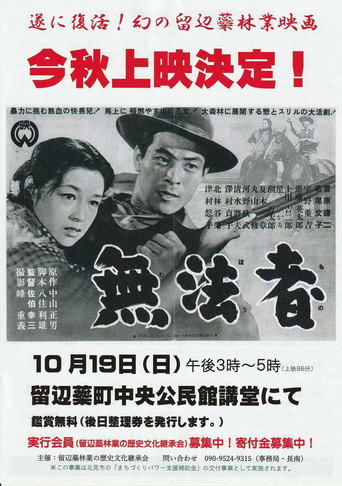
NRA young engineer and a pure-hearted mountain girl take on the challenges of the Akan primeval forest, where lawlessness and violence run rampant.
Outlaw
1953
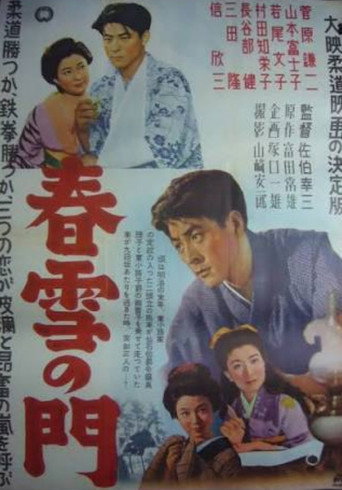 NR
NRNo synopsis available yet.
Shunsetsu no mon
1953
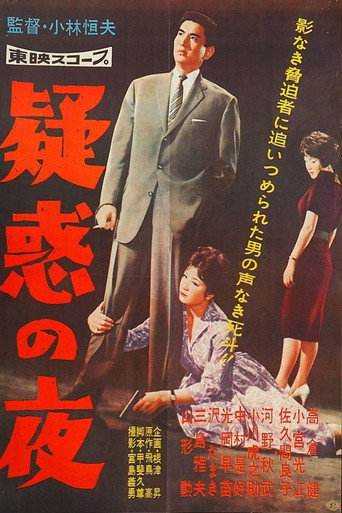 NR
NRTatsuo Torigoe, the president of Torigoe Industries, attempts suicide but survives and reveals his motives for suicide to his only daughter, Akiko.
Night of the Suspicions
1959
 7.0
7.0Thanks to a secret message hidden on the two sacred swords Kaen and Suien, the samurai Genji Kurô (Nakamura Kinnosuke) found the hidden treasure of Lord Yoshitsune. When he gives a piece of the treasure to a couple of poor but honest people so they can pay their debts, it attracts the unwanted attention of several dishonest people, such as pirates, greedy merchants and rebels. While the government is fighting a battle for power against rebels and royalists, all want the treasure by any means possible.
Tales of Young Genji Kuro 2
1958
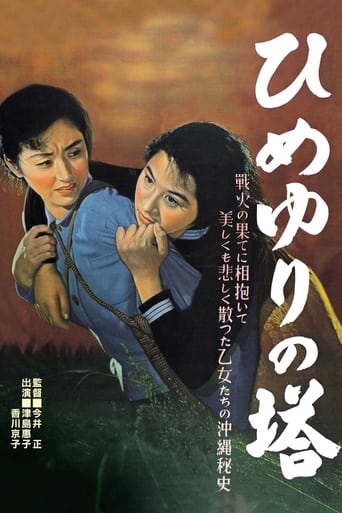 6.8
6.8A group of Okinawan high school girls are drafted as nurses during the American invasion of the island. As the enemy army advances further, the situation for the girls becomes increasingly desperate as food and shelter run out and the number of injured climbs, leading to the film's tragic finale.
Tower of Lilies
1953
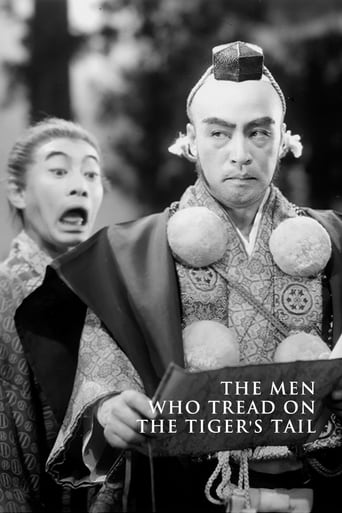 6.7
6.7A fugitive lord and his six retainers disguise themselves as monks to bluff their way through a hostile checkpoint.
The Men Who Tread on the Tiger's Tail
1952
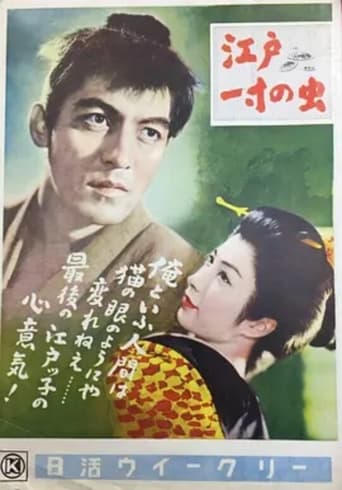 6.0
6.0This historical film depicts the life of a man who was at the mercy of the waves during transition from the end of the Edo period to the Meiji Restoration, and therefore, shows audience the dynamic change from Edo to Meiji. Before the war, the director, Eisuke Takizawa, together with the writers, formed a scenario writer group "Narutaki-gumi and they shot many historical masterpieces.
The Samurai of Edo
1955
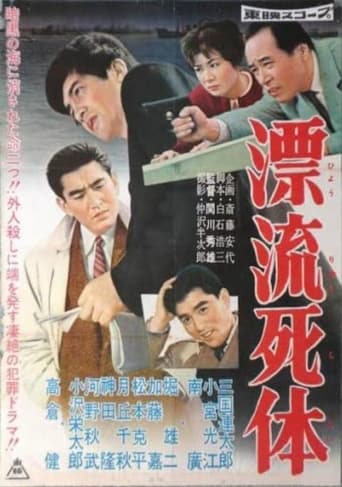 NR
NRA Dead Drifter / Hyoryû shitaî
A Dead Drifter
1959
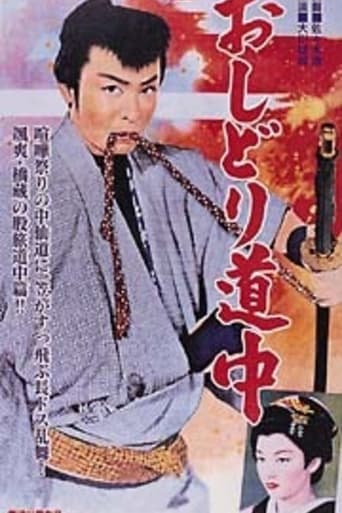 7.5
7.5With flashing swordwork and a terrific story, wandering gambler Kusama Hanjiro inspires the wrath of Boss Jirotaro who has been terrorizing travelers along the route through his territory. When Hanjiro steps in to gamble with him one-on-one it leads to a deadly vendetta that will show no mercy. Along the way Hanjiro is called upon to help sisters with no one else to depend on. Will the feud end in tragedy, or can the honest wanderer prevail against the bloodlust of an angry yakuza boss whom he had scarred for life?
Happily Tied to the Road
1959
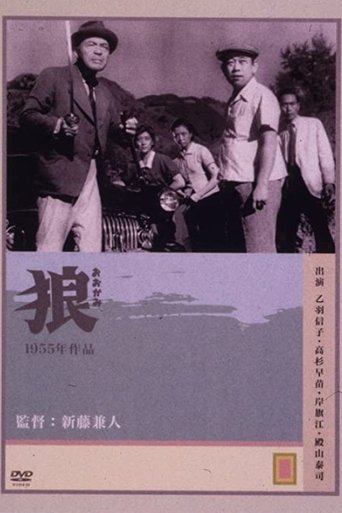 6.9
6.9A group of five rookie insurance salespersons, driven to desperation by the impossibility of their work in Japan's failing postwar economy, form a plan to rob a cash delivery truck in order to provide for their families.
The Wolves
1955
 6.6
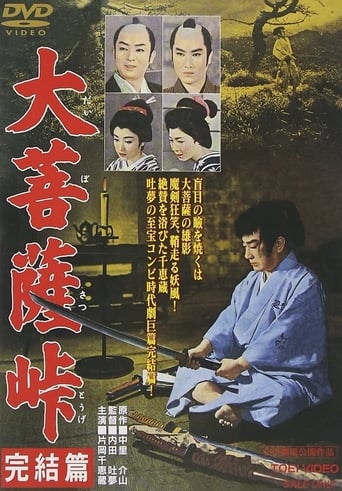
6.6Master swordsman, Tsukue Ryunosuke is confronted by the families of his victims. Will justice be served for the lost innocent lives? The conclusion of the famed Jidaigeki series is an amazing film, with a completely different perspective on the story from the later versions. While the international audience is more familiar with the “Sword of Doom” and “Satan’s Sword” versions of Daibosatsu Toge (The Great Bodhisattva Pass), the “Souls in the Moonlight” trilogy casts an entirely different light on Ryunosuke and his motives. Can this brutal killer be brought to justice, or is living his life as a blind wanderer a more terrible fate? His sword skills have not diminished, nor has his desire to kill!
Souls in the Moonlight III
1959
No synopsis available yet.
Coming Up of Kodokan
1953
No synopsis available yet.
Seki no yatappe
1953
 8.0
8.0Television production of I Want to Be a Shellfish. On a post-war peaceful day in Japan, Toyomatsu Shimizu, a barber as well as a good father and husband, is suddenly arrested by the Prefectural Police as a war criminal and sued for murder. According to the accusation by GHQ, Toyomatsu "attemped to kill a US prisoner", which was nothing but an order by his superior and failed after all with hurting the prisoner by weak Toyomatsu. Also, Toyomatsu was driven to corner at the trial by the fact that he fed the US prisoner some burdock roots to nourish him. Toyomatsu believes nothing but being not guilty, but he is sentenced to death by hanging. Prior to the execution, Toyomatsu writes a long farewell letter to his family, the wife and the only son: "If I ever incarnate, I hate to be a human being any more.... Oh yes, I would like to be...a shellfish living on the rock-bottom of the sea."
I Want to Be a Shellfish
1958
 6.7
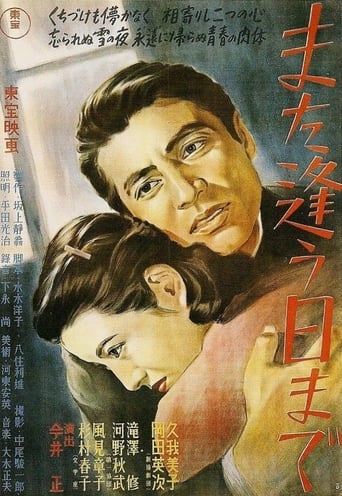
6.7Saburo and Keiko fall in love with each other but the tide of war separates them.
Till We Meet Again
1950
 6.0
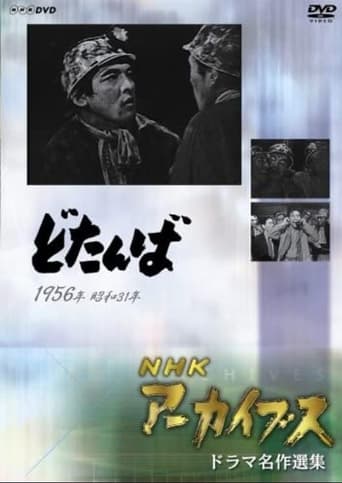
6.0Based on a 1956 television feature on Japan’s national network, NHK, this is one of Uchida’s rarest films. A socially conscious drama with a contemporary backdrop, Dotanba focuses on the attempts to rescue a group of trapped miners. The title is a figure of speech — (essentially “last minute” or “eleventh hour”) — that refers to a situation of peril. The film boasts a script co-written by Uchida and Akira Kurosawa’s frequent screenwriter, Shinobu Hashimoto, and stars Kurosawa’s frequent star Takashi Shimura.
Dotanba
1956
 NR
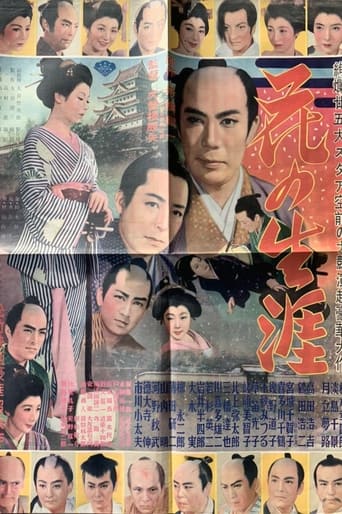
NRIn 1842, in the Umemoku Mansion within Hikone Castle, Naosuke Ii, despite the tumultuous times, was engrossed in the world of tea ceremony. His friend, the Kokugaku scholar Nagano Shuzen, introduced him to a captivating shamisen master named Murayama Taka. Naosuke became deeply infatuated with her, disregarding the jealousy of his consort Shizu and the warnings of his senior retainer, Gaiji. However, upon discovering Taka's relationship with Shuzen, Naosuke promptly ended his ties with her.
Hana no shôgai
1953
 6.5
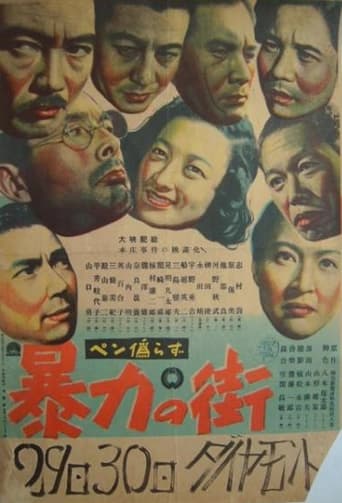
6.5An attempt is made to suppress a journalist's investigation of collusion between a rural police chief and the local gangster bosses.
Town of Violence
1950
 6.3
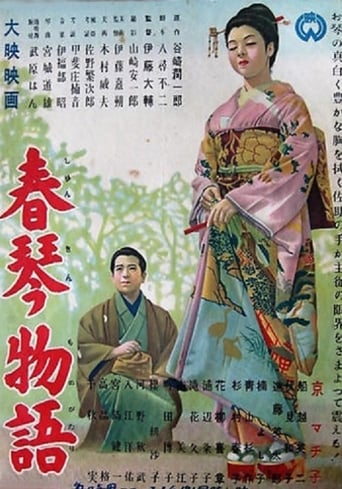
6.3Based on the novel by Junichiro Tanizaki. Story of the beautiful blind daughter of a wealthy businessman who falls in love with a servant.
The Story of Shunkin
1954
 7.0
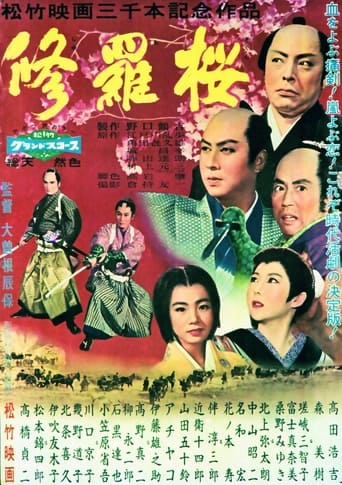
7.0Shochiku's commemorative 3000th film production; a suspenseful period drama.
The Hidden Treasure
1959
 NR
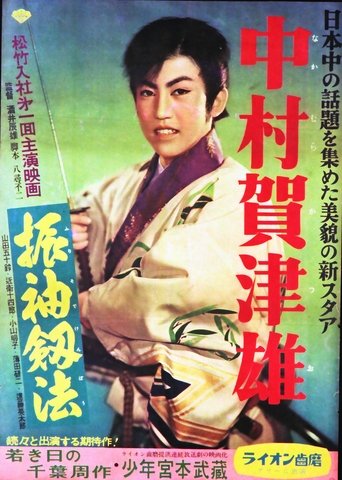
NRIn Marugame Domain of Shikoku, a low-ranking foot soldier named Tagami Genbachi was envied for marrying Tsuji, the most beautiful woman in the domain. However, due to a personal grudge held by Horikawa Gentazaemon, the swordsmanship instructor, Genbachi met an untimely and bitter death through foul means within the precincts of the Hachiman Shrine. Due to the domain's oppressive treatment of those of low status, Tsuji, now with her infant son Botaro, was dispossessed of her home and exiled.
振袖釼法
1955
 7.0
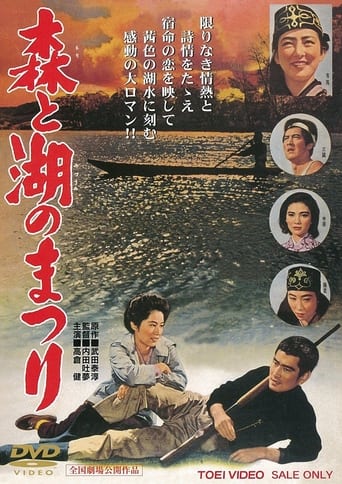
7.0A drama about relations between Japanese immigrants and the indigenous Ainu on Hokkaido, the most northerly island of Japan. From a novel by Taijun Takeda.
The Outsiders
1958
1940s · 10 titles
5.6Young women at a precision optics factory in wartime Japan push to exceed production quotas, enduring illness, injury, and personal hardship to “serve the country.” Led by Tsuru Watanabe, they fight fatigue and setbacks to keep their line moving—even when duty collides with grief.
The Most Beautiful
1944
6.0A few years after his breakthrough, Sanshiro resumes his path to judo mastery—testing his discipline against an American prizefighter and later facing vengeful karate brothers. As rival schools and public spectacle push him toward violence, he must reconcile strength with restraint and the true spirit of his art.
Sanshiro Sugata, Part Two
1945
 6.5
6.5A hotheaded youth in 1880s Meiji Japan apprentices to judo master Shōgorō Yano, trading brute jujutsu bravado for discipline and humility. As Sanshirō matures, he proves judo’s spirit against old-guard challengers—including a deadly duel—while falling for his vanquished opponent’s daughter. Based on the novel by Tsuneo Tomita, son of Tomita Tsunejirō, the earliest disciple of judo.
Sanshiro Sugata
1943
 6.9
6.9After her anti-fascist professor father is dismissed, Yukie navigates love, political repression, and wartime upheaval—ultimately forging her own path in pre- and post-WWII Japan.
No Regrets for Our Youth
1946
 7.0
7.0During the late Meiji period, at the beginning of the twentieth century, Sumako, a country girl, becomes a great actress with the help of Hogetsu, a scholar who brought European realism to the Japanese stage. The relationship leads to the end of his marriage and the breakup of his Arts Society.
Actress
1947
 10.0
10.0Three IJN flyers Mikami (Susumu Fujita), Kawakami (Masayuki Mori) and Murakami (Akitake Kono) are good friends, and they are all renowned for their torpedo techniques. Mikami is posted as a staff officer at a base on an island in the Pacific. Kawakami and Murakami later joins him as the base squardron is reinforced. The enemy task force approaches the island and all three of them attack the fleet, killing themselves in the process.
Battle Troop
1944
 7.1
7.1Three bank robbers, Eijima, Nojiri, and Takasugi, flee the police and escape into the mountains. At an inn high in the Japanese Alps, Eijima and Nojiri encounter a young woman and her father, as well as Honda, a mountaineer. The inn folk do not realize their guests are wanted criminals and the visitors are treated with great kindness. Honda volunteers to lead them over the mountains, but Eijima's paranoia endangers all of them as they make the perilous trip.
Snow Trail
1947
 5.9
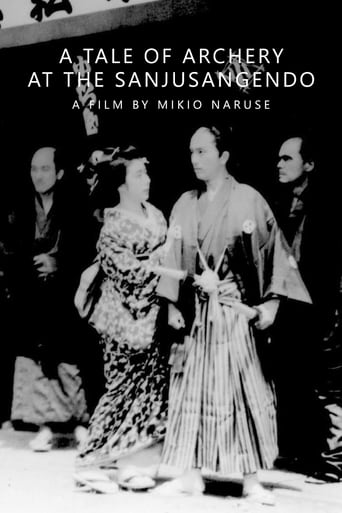
5.9Young, timid bowmaster Kazuma seeks to beat the archery record set by Hoshino Kanzaemon, a mysterious figure who, it is rumoured, drove the previous champion—Kazuma’s father—to suicide. Possessed of much raw talent, Kazuma is very much a coward, holing up in an inn and generally avoiding confrontation. Despite his best attempts to remain clandestine, the locals know of Kazuma’s purpose and an attempt is made on his life. He's saved by Karatsu Kanbei, a samurai who offers to help Kazuma hone his archery skills, though it becomes clear that this apparently selfless stranger has potentially shady ulterior motives.
A Tale of Archery at the Sanjusangendo
1945
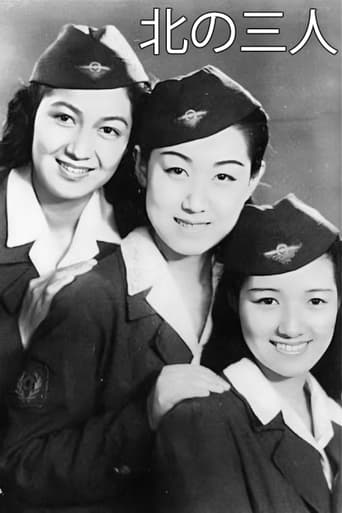 10.0
10.0The story of an airport and its air traffic control crew in a remote and northern Japanese town. Three of the air traffic controllers are female with one of them working with her dead fiancé's sister. The engaged man had gone to war and never returned.
Three Women of the North
1945
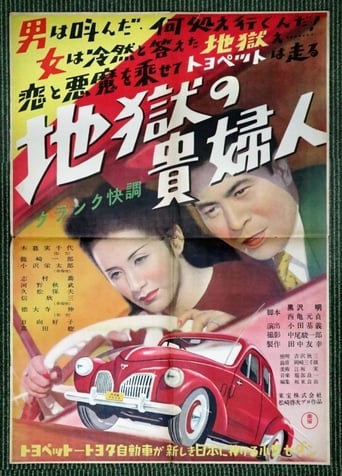 9.0
9.0Three and a half years after Japan was bombed, the tax authorities organized the T-Men. Nango is in love with a girl called Mibu, and the two are against the T-Men organization. Mibu whats to kill all of the T-Men one-by-one.
Lady From Hell
1949