Acting
Ryūnosuke Tsukigata
Born — Died
1902-03-18 — 1970-08-30
Place of birth
Miyagi, Japan
Known for
Acting
Credits
60 titles
Known for
 6.0
A few years after his breakthrough, Sanshiro resumes his path to judo mastery—testing his discipline against an American prizefighter and later facing vengeful karate brothers. As rival schools and public spectacle push him toward violence, he must reconcile strength with restraint and the true spirit of his art.
Sanshiro Sugata, Part Two
1945
 7.5
A sadistic Daimyo (feudal lord) rapes a woman and murders both her and her husband, but even when one of his own vassals commits suicide to bring attention to the crime, the matter is quickly hushed up. Not only will there be no punishment, but because the Daimyo is the Shogun's younger brother, he will soon be appointed to a high political position from which he could wreak even more havoc. Convinced that the fate of the Shogunate hangs in the balance, a plot is hatched to assassinate the Daimyo. The two most brilliant strategic minds of their generation find themselves pitted against each other; one is tasked to defend a man he despises, and has a small army at his disposal. The other is given a suicide mission, and has 12 brave men. They are the 13 Assassins.
13 Assassins
1963
 7.0
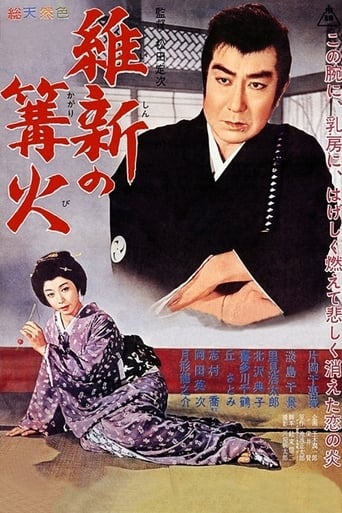
Megastar Kataoka Chiezo is Vice-commander Hijikata Toshizo of the Shinsengumi in this realistic tale of Japan’s inner battles that led to the downfall of the Tokugawa shogunate. Excellent performances and extremely good swordplay highlight this glimpse into the heart and soul of Japanese history. Although known as “Razor Blade” Hijikata, the vice-commander is a man of deep conviction with a little-known sense of humanity. Starting after the famed Ikedaya Incident, in which they saved Kyoto from Choshu’s plot to burn the city to ashes, they work hard to change the public’s view of them as merciless killers to their true mission of protecting the shogun. This is an extraordinary tale of blood and guts! From the pen of award winning author Shotaro Ikenami (Bandit Vs. Samurai, Hunter in the Dark, Misumi's The Last Samurai)
Restoration Fire
1961
 6.5
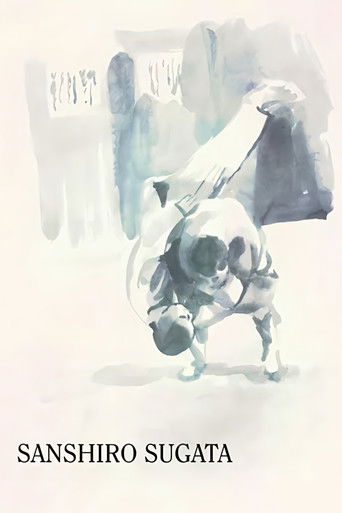
A hotheaded youth in 1880s Meiji Japan apprentices to judo master Shōgorō Yano, trading brute jujutsu bravado for discipline and humility. As Sanshirō matures, he proves judo’s spirit against old-guard challengers—including a deadly duel—while falling for his vanquished opponent’s daughter. Based on the novel by Tsuneo Tomita, son of Tomita Tsunejirō, the earliest disciple of judo.
Sanshiro Sugata
1943
 7.0
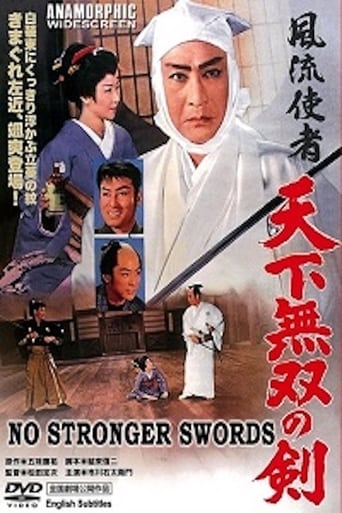
Featuring some of the finest swordsmen ever to grace the silver screen, this Toei classic tells the story of a battle between the evil sword style called ”Otonashi” (The Silent Form) and the proper way of swordsmanship as promoted by such historical stalwarts as Shimada Toranosuke, and the mysterious Honda Sakon, who face off against a group masquerading as the lord of Mito and his traveling bodyguards Suke-san and Kaku-san. The plot thickens as their leader unveils his secret plan to disrupt the stability of the nation. It is all in the name of swordsmanship, and as the title implies there are no stronger swordsmen!
No Stronger Swords
1959
 8.2
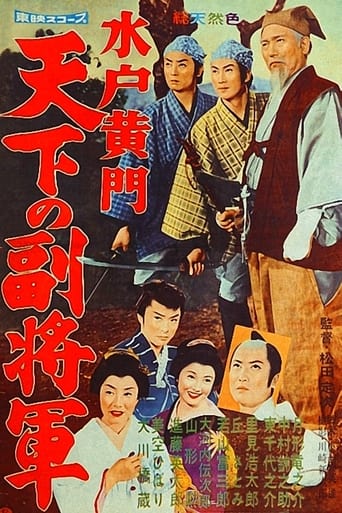
After settling the matter of shogunal succession, the retired Old Lord of Mito finds himself in a sea of trouble when he gets involved in the succession of the Takamatsu clan. The usurpers try by every means to effect their takeover, even if it leads to blood being spilled. Along with Kaku and Suke, the elder must face the most dangerous time of his life, in a battle against those corrupt individuals who would use any means to further their dastardly conspiracy, regardless of how many lives might be destroyed. The great Misora Hibari gives a bravura performance, as does the rest of this all-star cast. This is another outstanding effort on the part of the Toei Films, blending fact and fiction to bright back Japan’s golden era of the Genroku period.
Lord Mito 2: The Nation's Vice Shogun
1959
Film credits
1960s · 17 titles
7.5A sadistic Daimyo (feudal lord) rapes a woman and murders both her and her husband, but even when one of his own vassals commits suicide to bring attention to the crime, the matter is quickly hushed up. Not only will there be no punishment, but because the Daimyo is the Shogun's younger brother, he will soon be appointed to a high political position from which he could wreak even more havoc. Convinced that the fate of the Shogunate hangs in the balance, a plot is hatched to assassinate the Daimyo. The two most brilliant strategic minds of their generation find themselves pitted against each other; one is tasked to defend a man he despises, and has a small army at his disposal. The other is given a suicide mission, and has 12 brave men. They are the 13 Assassins.
13 Assassins
1963
7.0Megastar Kataoka Chiezo is Vice-commander Hijikata Toshizo of the Shinsengumi in this realistic tale of Japan’s inner battles that led to the downfall of the Tokugawa shogunate. Excellent performances and extremely good swordplay highlight this glimpse into the heart and soul of Japanese history. Although known as “Razor Blade” Hijikata, the vice-commander is a man of deep conviction with a little-known sense of humanity. Starting after the famed Ikedaya Incident, in which they saved Kyoto from Choshu’s plot to burn the city to ashes, they work hard to change the public’s view of them as merciless killers to their true mission of protecting the shogun. This is an extraordinary tale of blood and guts! From the pen of award winning author Shotaro Ikenami (Bandit Vs. Samurai, Hunter in the Dark, Misumi's The Last Samurai)
Restoration Fire
1961
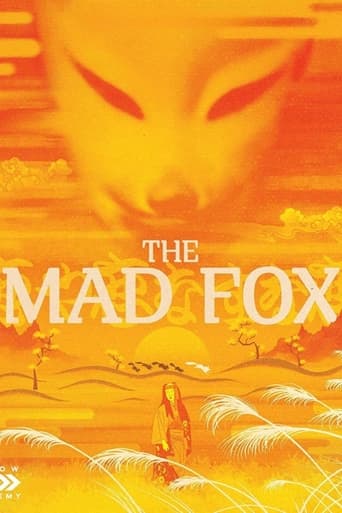 7.4
A court fortune-teller loses his mind after a conspiracy leads to the death of his lover. Hope appears to be on the horizon after he becomes romantically involved with his dead lover's twin sister, but more complications arise thanks to a chance encounter with a clan of shape-shifters.
The Mad Fox
1962
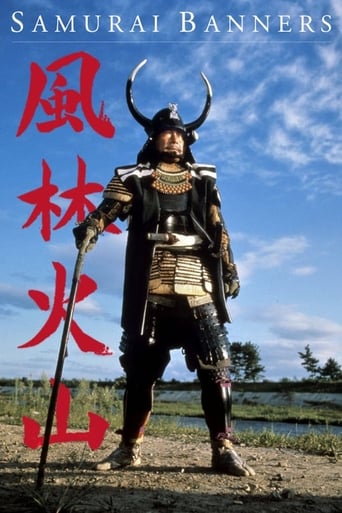 7.4
Kansuke Yamamoto is a samurai who dreams of a country united, peaceful from sea to sea. He enters the service of Takeda, the lord of Kai domain. He convinces Takeda to kill the lord of neighboring Suwa and take his wife as a concubine. He then convinces the widow, Princess Yu, to accept this arrangement and to bear Takeda a son. He pledges them his life. He then spends years using treachery, poetic sensibility, military and political strategy to expand Takeda's realm, advance the claim of Yu's son as the heir, and prepare for an ultimate battle with the forces of Echigo. Has Kansuke overreached? Are his dreams, blinded by love, too big?
Samurai Banners
1969
 7.0
No synopsis available yet.
Knightly Advice
1962
 6.7
Young lord Saburo Nobuyasu struggles to find comfort in life. His arranged marriage to Tokuhime, daughter of one-time family enemy Oda Nobunaga, provides little happiness. His manipulative mother adds further complications through her constant interference and attempts at defeating the Nobunaga family.
The Conspirator
1961
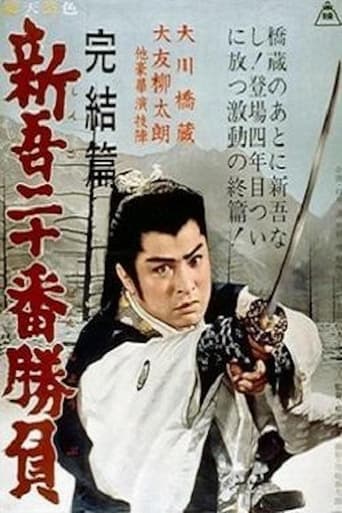 NR
While on his journey through the countryside of Japan, Shingo encounters many people whose lives have been affected by his actions. Though the many duels he fought were intended to bring justice to those who sought to do evil, he is faced with the knowledge that his victories have also caused suffering amont the family members of his victims-leading him to question his life's philosophy. This superb film is the final chapter in this part of Shingo's story. A fitting tribute to his quest to be the supreme swordsman.
20 Duels of Young Shingo: Conclusion
1963
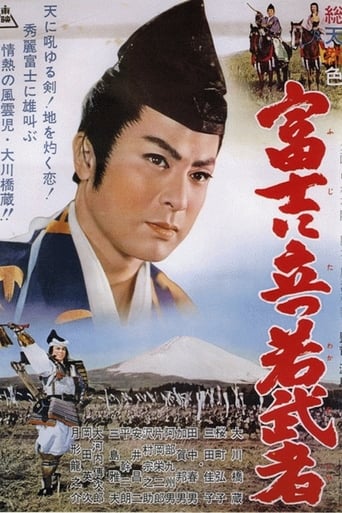 5.2
The epic battles between the Heike and Genji (Taira and Minamoto clans) take centerstage as the defeated leader of the Genji, Minamoto Yoritomo resolves to end his clan's exile and avenge the brutal loss in December, 1159 as they had fought under the white banner of the Emperor, while the Taira fought under their red flags in a battle to the death. The fight only took one day, with the Genji suffering utter defeat which led to their exile. His father, Yoshitomo, took responsibility for the loss and rather than live in humiliation, he decides to commit suicide with all his sons following him. However, the bravest warrior among them, Yoritomo stands tall and declares that he will not kill himself, but rather will fight to restore the clan.
A Young Warrior on Mount Fuji
1961
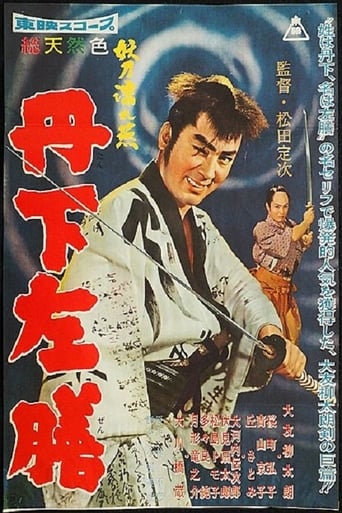 6.0
The legendary one-eyed one-armed swordsman Tange Sazen is back to aid a Magistrate in his efforts to steal bribe money on its way to Edo for the benefit to poor farmers.
Return of the One-Armed Swordsman
1960
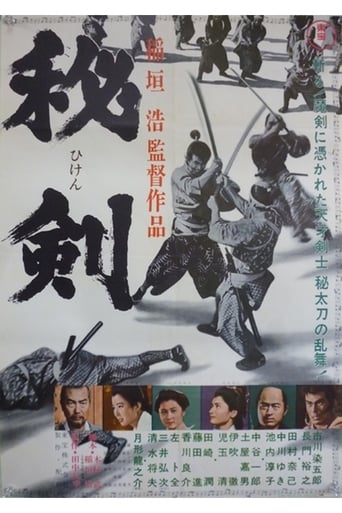 6.7
This Japanese action-adventure is set in the 17th century when all forms of swordplay were banned. One fighter, an excellent swordsman believes the law is unfair. His brother keeps his opinions about the law to himself. The swordsman vents his frustration by cutting off the thumbs of an enemy. The fighter is then banished. To live, he becomes a thief. To restore the family's lost honor, the other brother is forced to challenge the fighter to a duel.
Young Swordsman
1963
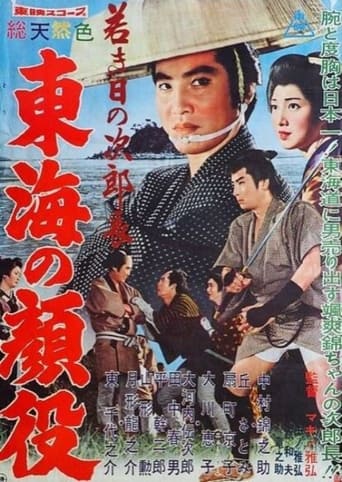 7.0
His skill and courage were the best in Japan! The life story of Jirocho, a man who protected people on the Tokaido Road. The fearless Kinnosuke Nakamura enthusiastically plays the young Jirocho from Shimizu in this chivalrous story.
Jirocho’s Days of Youth: Boss of the Tokai Region
1960
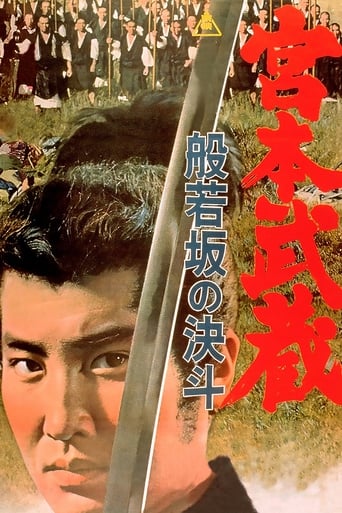 7.3
The remake of Yoshikawa's novel continues with the second installment in which Takezo, soon to be Miyamoto Musashi, emerges from the Himeji Castle after three years of intense contemplation and philosophical study and starting on his epic quest to complete his skill in the Way.
Miyamoto Musashi: Showdown at Hannyazaka Heights
1962
 10.0
The story of two young men whose ambition is to become the personal bodyguards to the Shogun's uncle, Lord Mito Komon. Portrayed by a pair of up and coming stars, Sasaki Sukesaburo (Matsukata), the son of a widower and Atsumi Kakunoshin (Kitaoji), whose mother is a widow find themselves constantly in trouble and are forced to become two of the most powerful fighters in all Japan. The stories about Mito Komon and his travels througout Japan are many, but this is one that had yet to be told. The struggles of Suke-san and Kaku-san faced in order to join the Elder in his quest to fight against injustice and corruption during the samurai era.
Lord Mito: Struggle of Suke and Kaku
1961
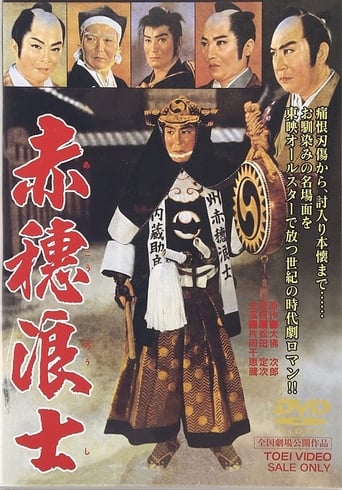 6.0
Toei’s 10th anniversary film, featuring an all-star cast from the golden movie era of the 1960s. A famous story of the 47 loyal samurai. When Lord Asano is unjustly executed, his loyal retainers strike back for revenge.
The Ako Retainers
1961
 9.0
The main character Tachibana Isaburo is released from prison and discovers that his boss is dead. He is offered to become the leader of the group, but refuses. A young fashion villain, a Yakuza boss wants to get into politics. He makes a deal with the Osaka Railway Company, leaving many poor people homeless. Tachibana engages in a fierce battle with villains for the poor.
Gambler
1964
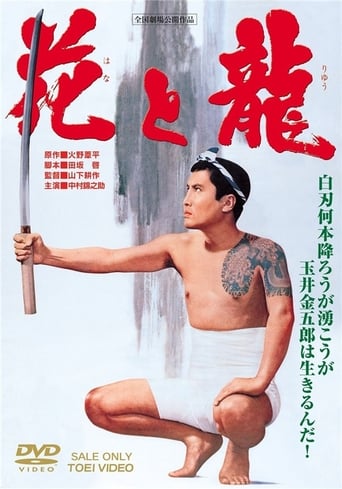 8.0
A story of manly life and the beauty of conjugal love. A story about a man and a woman establishing a family of longshoreman, centering on their love and struggle.
The Flower and the Dragon
1965
 6.0
A group of men living a low life in Edo help each other to make the best out of their lives.
Good Rascals
1962
1950s · 30 titles
7.0Featuring some of the finest swordsmen ever to grace the silver screen, this Toei classic tells the story of a battle between the evil sword style called ”Otonashi” (The Silent Form) and the proper way of swordsmanship as promoted by such historical stalwarts as Shimada Toranosuke, and the mysterious Honda Sakon, who face off against a group masquerading as the lord of Mito and his traveling bodyguards Suke-san and Kaku-san. The plot thickens as their leader unveils his secret plan to disrupt the stability of the nation. It is all in the name of swordsmanship, and as the title implies there are no stronger swordsmen!
No Stronger Swords
1959
8.2After settling the matter of shogunal succession, the retired Old Lord of Mito finds himself in a sea of trouble when he gets involved in the succession of the Takamatsu clan. The usurpers try by every means to effect their takeover, even if it leads to blood being spilled. Along with Kaku and Suke, the elder must face the most dangerous time of his life, in a battle against those corrupt individuals who would use any means to further their dastardly conspiracy, regardless of how many lives might be destroyed. The great Misora Hibari gives a bravura performance, as does the rest of this all-star cast. This is another outstanding effort on the part of the Toei Films, blending fact and fiction to bright back Japan’s golden era of the Genroku period.
Lord Mito 2: The Nation's Vice Shogun
1959
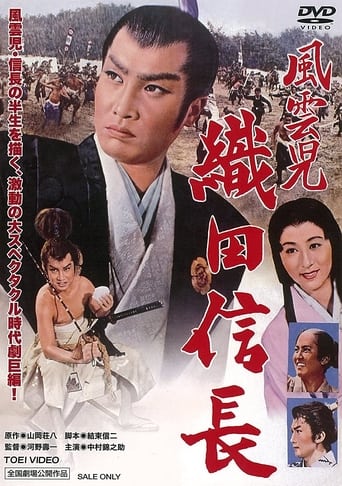 7.5
Oda Nobunaga (1534–1582) was a major daimyo during the Warring State period of Japanese history. He was the second son of Oda Nobuhide, a deputy military governor with land holdings in Owari province. Nobunaga lived a life of continuous military conquest, eventually conquering a third of Japanese daimyo before his death in 1582. Telling the story of his rise to prominence as he leads an army of 4,000 men against the 40,000 troops of Lord Imagawa Yoshimoto to prevent the arrogant daimyo from crushing the Oda clan and taking control of the entire nation. From a newly restored anamorpic widescreen print, this is the ultimate warlord movie.
Lucky Adventurer Nobunaga Oda
1959
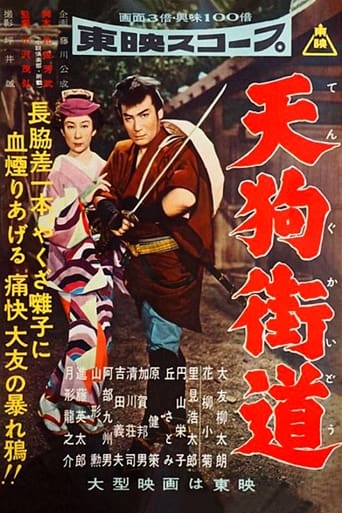 NR
Gombei is Nameless, a wanderer who is skilled with a sword and has a great sense of humor, who tries to save the good people of the Kiso Valley, he gets into a fight with local bad bosses who behave badly on the Tokaido road in the Kiso Valley.
Goblin's Highway
1957
 7.4
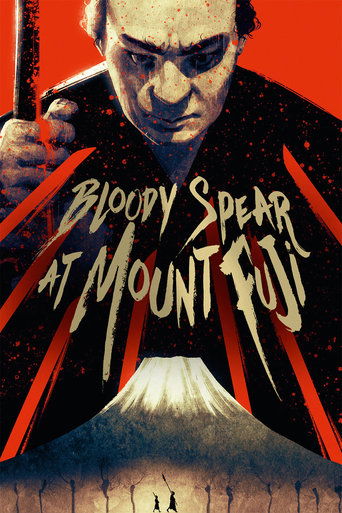
Tragicomic road movie set during the Edo period. It follows a samurai, his two servants – including spear-carrier Genpachi – and the various people they meet on their journey, including a policeman in pursuit of a thief, a young child and a woman who is to be sold into prostitution.
Bloody Spear at Mount Fuji
1955
 NR
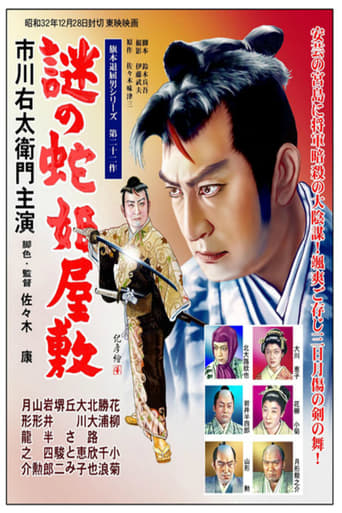
A swordsman must foil a minister's sinister plan to assassinate the shogun.
The Mansion of Intrigue
1957
 8.0
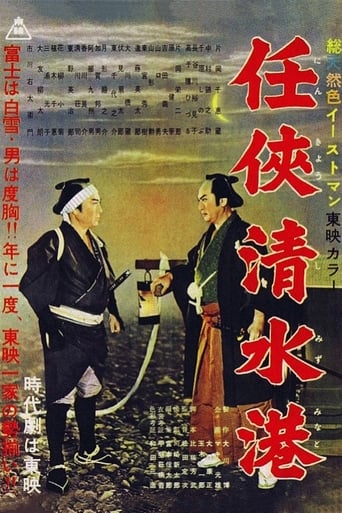
An all-star cast highlights this Jidai-Geki classic. Set in the samurai era, this is the tale of period Yakuza. One of the real classics in this genre. In this dramatic portrayal of the real-life gambling boss Jirocho, a good-hearted and honest boss sets out to take revenge for a fellow boss. At the same time, the other local bosses, in a bid to increase their own power, plot to dispose of Jirocho. Starring Kataoka Chiezo in one of his signature roles, this is an excellent portrayal of a figure who is not well known outside of Japan. Co-starring Nakamura Kinnosuke, this exciting tale of period yakuza brings history to life.
Shimizu Port of Chivalry
1957
 NR
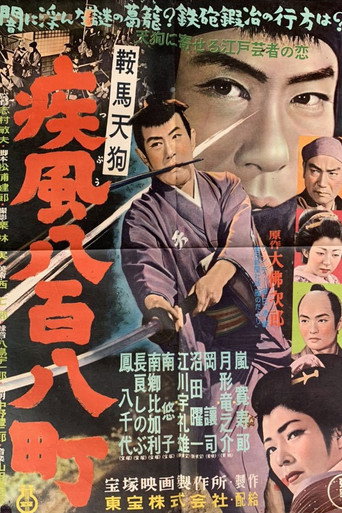
Kurama Tengu appears in the Great Edo, where conspiracies swirl. The righteous sword flashes as the mystery of a beautiful woman’s disappearance unfolds.
Tengu Kurama: A Strong Wind Through 808 Villages
1954
 6.0
One of the most popular history-based characters is back when Magistrate Saemonojo Toyama no Kinsan investigates the tragic shipwreck of the 'Sadomaru' near Cape Kasumigaseki. The ship carrying gold bars from Sado Island to Edo for the shogunate disappeared into the ocean on a day with clear skies and no wind. While it is conveniently blamed on a surprise tornado or whirlwind, the Sado Magistrate asks his lifelong friend Magistrate Toyama to get to the root of the mystery in order to save his reputation and avoid a life of shame.
Whirlwind Magistrate
1959
No synopsis available yet.
The Road of Love
1954
 NR
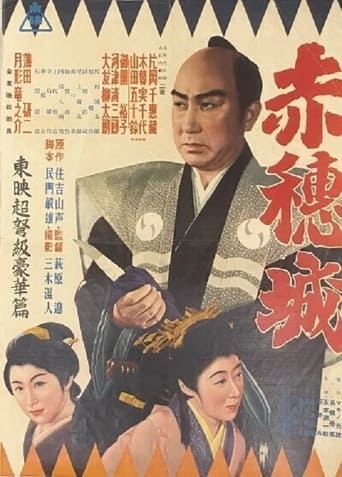
The film vividly shows the misadventures of Oishi Kuranosuke and the human dramas inside the castle, which lead to the surrender of Ako Castle after seppuku by its lord Asano Takumi-no-kami and the termination of his family's power. This is the first film of the Ako Castle trilogy.
Castle of Revenge
1952
 NR
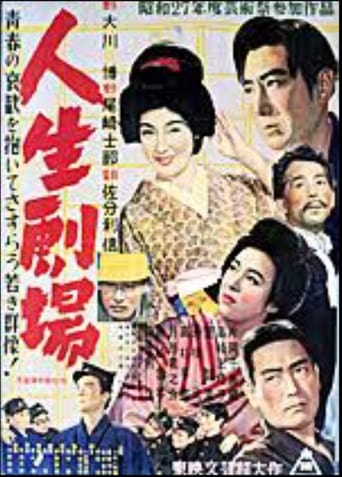
Part one of Shin Saburi's Theater of Life adaptation.
Jinsei Gekijo: dai ichi bu
1952
 7.0
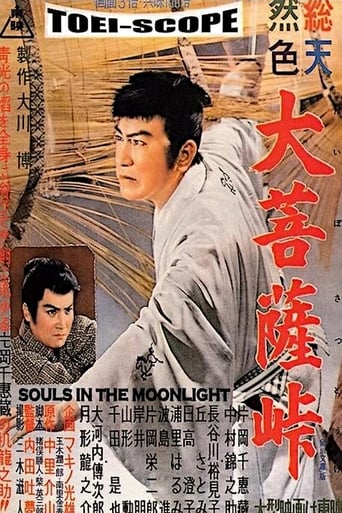
First part of the famous Dai-bosatsu toge trilogy, based on Kaizan Nakazato’s unfinished long series of novels (41 books, written from 1913 to 1941). Set in the last period of the Tokugawa Shogunate, Daibosatsu Toge tells the story of Tsuke Ryunosuke, a nihilistic swordmaster who doesnt hesitate to kill anyone, bad or good. Despite the authors explicit refusal, the series were later made into plays and movies several times.
Souls in the Moonlight
1957
 NR
1956 movie from Japan
鞍馬天狗 第一話 白馬の密使
1956
 NR
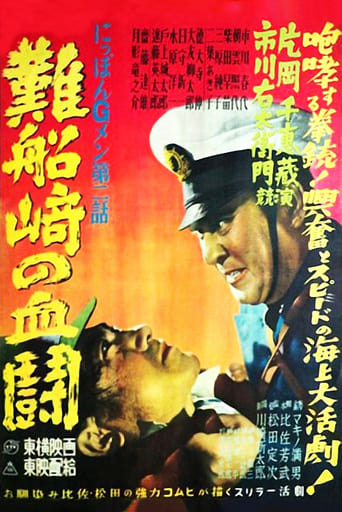
The second part of an action-packed action movie about the struggle between smugglers, the Japanese Coast Guard and G-men. Having caught a suspicious radio signal, the coast Guard discovers that a smuggling transaction is taking place and goes to the place. It was supposed to be a big catch, but they lose sight of the smugglers by finding and rescuing a woman drowning in the sea. The rescued woman says she jumped into the sea while escaping from a slaver's boat... A luxury version featuring the two main stars of the Toei company – Chiezo Kataoka and Utaemon Ichikawa.
G-men of Japan 2: Bloody Duel at Shipwreck Cape
1950
 NR
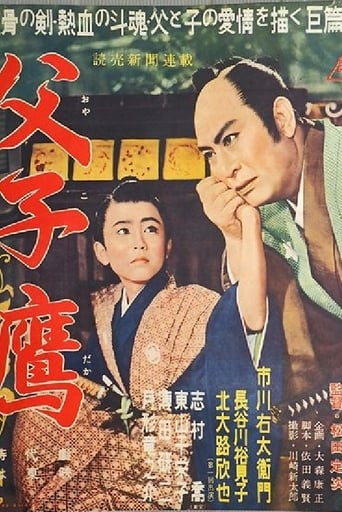
Adaptation of the novel by Kan Shimozawa.
Virtue in Spades
1956
 5.4
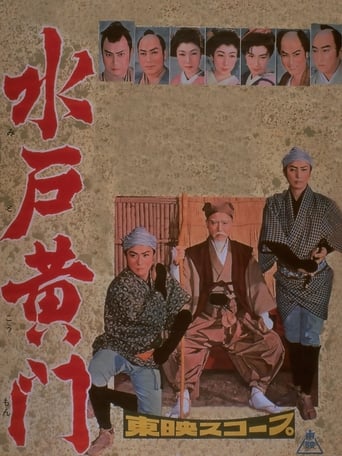
This most celebrated all-star movie version of the popular series features Tsukigata Ryunosuke as Mito Komon, the sage who wanders the countryside rectifying government corruption along with his faithful attendants Suke and Kaku.
Lord Mito
1957
 NR
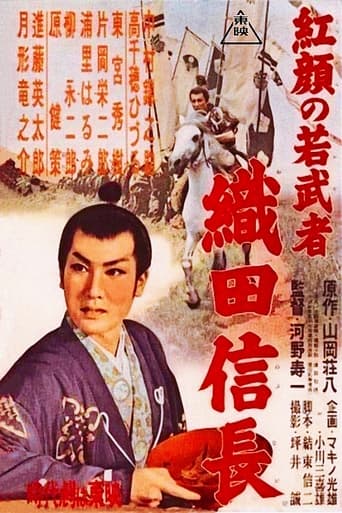
A dynamic story depicting the rise to power of Oda Nobunaga. The story of a young man on the battlefields of the Sengoku era, who possessed character and courage, and who became a great commander and ruler, while some called him a great dictator. A film adaptation of the novel by Sohachi Yamaoka.
Young Ruddy Warrior: Nobunaga Oda
1955
 6.0
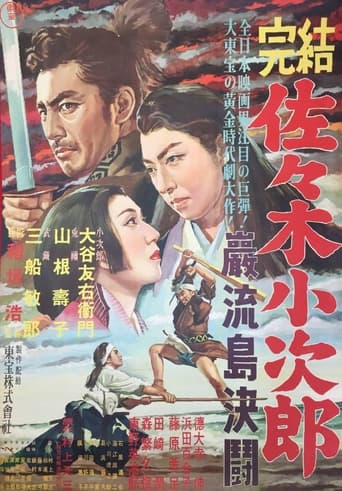
Director Hiroshi Inagaki's early version of the life and death of famed swordsman Sasaki Kojiro. Otani Tomoemon gives a brilliant performance as Sasaki Kojiro, who rises from humble beginnings to national fame, and a young Toshiro Mifune appears as the legendary master swordsman Miyamoto Musashi for the first time and essentially sets the standard for future portrayals.This masterpiece is based on the original story as written by noted author Murakami Genzo and is far superior to any other versions. Following Kojiro from his earliest days through his fateful meeting with Musashi, this movie is filled with exciting and dramatic moments culminating in the best version of the final duel ever seen on film.
Sasaki Kojiro
1951
 NR
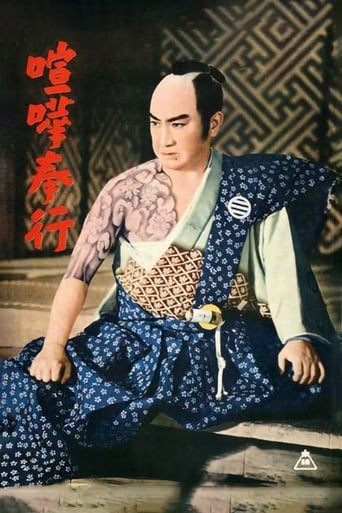
No synopsis available yet.
The Fighting Magistrate
1955
 8.0
A young samurai learns that he is the illegitimate son of the Shogun. Hoping to reunite with his birth father, he travels to Edo to find Shogun Yoshimune.
Shingo's Original Challenge, Part 1 and 2
1959
 NR
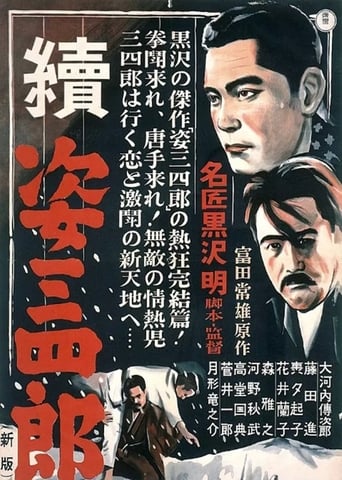
Shunsuke Washimi, a member of the karate club, misunderstands the affections of Chiyo, a lodging house girl who is in love with him and in the midst of a confusion challenges Yamauchi Tatsuhiko to a fight, forgetting the true core of martial arts, that should only be used as a selfdefense.
Karate Sanshiro
1951
 6.5
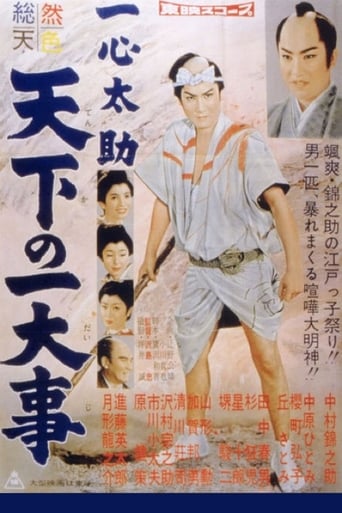
Tasuke stumbles across Kokichi, a distraught man whom having lost his fiancee to Lord Kawakatsu is ready to commit suicide. Tasuke learns that Kokichi's fiancee, Otoyo, was a chambermaid whom Kawakatsu abducted in order to make her his concubine and Tasuke feels compelled to right this wrong. Meanwhile Kawakatsu is dealing in black-market lumber and receiving kick-backs but unbeknownst to him he is under investigation by Lord Izu, one of the Shogun Elders. Will Tasuke be able to rescue Otoyo from the clutches of Lord Kawakatsu and can Lord Izu put an end to his money hungry evildoings.
Isshin Tasuke: A World in Danger
1958
 NR
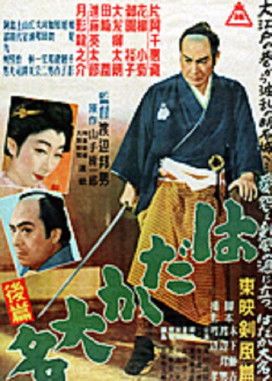
No synopsis available yet.
はだか大名 後篇
1952
 NR
An entertaining youth drama, which tells about the struggle of a young swordsman Yamanaka Shikanoske (Kinya Kitaoji) and his friends who resist the tyranny of the Mori clan in a war-torn country during the Sengoku period! The film starred teenage Toei company of that time.
Kingdom of Youth
1958
 NR
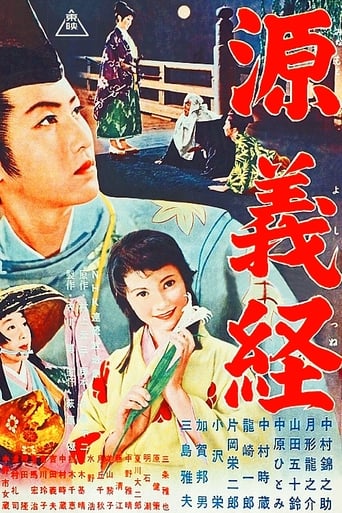
A historical scroll depicting the story of the tragic fate of the young samurai Minamoto Yoshitsune, based on the novel by Genzo Murakami. The action of the first part takes place in the late Heian period, when the Taira clan came to power, and Genji was oppressed. The great dream and ambitions of Genkuro Yoshitsune in his youth are depicted, he joins forces with his older brother Yoritomo to raise an army to defeat the Taira clan, and the second part depicts the fall of the clan, persecution and murder.
Minamoto Yoshitsune
1955
 NR
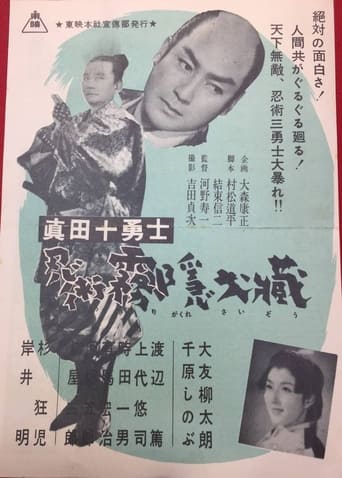
1954 Japanese movie
Sanada Ten Braves
1954
 NR
Bored Hatamoto movie #15
Bored Hatamoto: House of Skulls
1954
 7.0
Toruhan, a king’s retainer, embarks on a journey to find a royal treasure that can only be revealed though secret codes hidden in seven crosses carried by his fellow samurai.
The Seven Vows
1956
 7.0
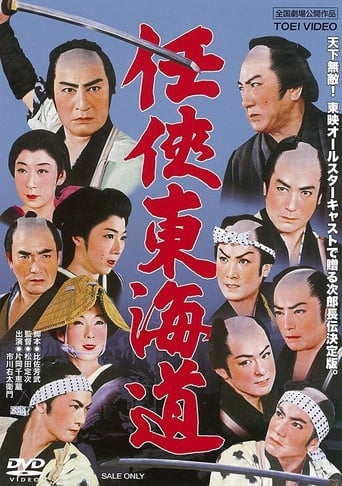
An all-star cast highlights this Jidai-Geki classic. Set in the samurai era, this is the tale of period Yakuza. One of the real classics in this genre. Jirocho, an honorable and respected gang boss, uncovers a conspiracy organized by his rivals while on a quest to bring justice to three murders. Some of the most famous actors from Toei studios make this a must-see for everyone! Featuring a very young Nakamura Kinnosuke, who went on to become one of Japan's mosted noteworthy actors under the name Yorosuya Kinnosuke. This is one of the best examples his early work.
A Chivalrous Spirit
1958
1940s · 12 titles
6.0A few years after his breakthrough, Sanshiro resumes his path to judo mastery—testing his discipline against an American prizefighter and later facing vengeful karate brothers. As rival schools and public spectacle push him toward violence, he must reconcile strength with restraint and the true spirit of his art.
Sanshiro Sugata, Part Two
1945
6.5A hotheaded youth in 1880s Meiji Japan apprentices to judo master Shōgorō Yano, trading brute jujutsu bravado for discipline and humility. As Sanshirō matures, he proves judo’s spirit against old-guard challengers—including a deadly duel—while falling for his vanquished opponent’s daughter. Based on the novel by Tsuneo Tomita, son of Tomita Tsunejirō, the earliest disciple of judo.
Sanshiro Sugata
1943
 6.5
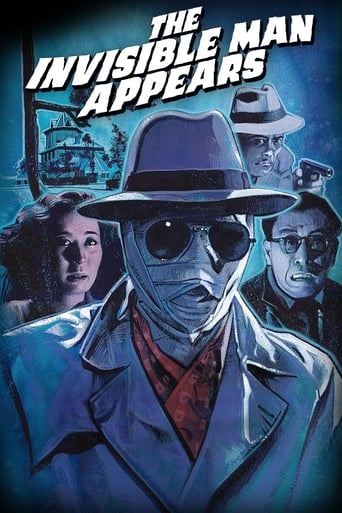
A scientist successfully creates an invisibility serum, only to be kidnapped by a gang of thugs who wish to use the formula to rob a priceless jewel.
The Invisible Man Appears
1949
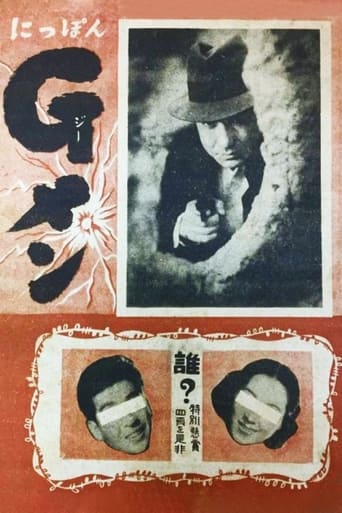 NR
The investigative unit of the Metropolitan Police Department organized a special investigative team to uncover a series of frequent gang robberies and car gangs... This is the first film in the Nippon G-Men series, of which four more films were later released.
G-Men of Japan
1948
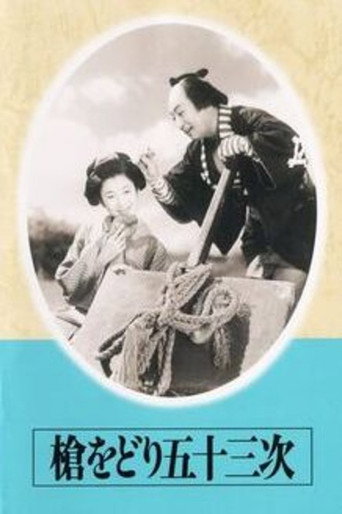 NR
A spearman who had long admired the samurai rises up after learning of cruelty of the samurai class.
Yari-odori gojūsantsugi
1946
A counterintelligence film about an American spy who conspires to spread infectious bacteria inside a Japanese factory.
You Are Being Targeted
1942
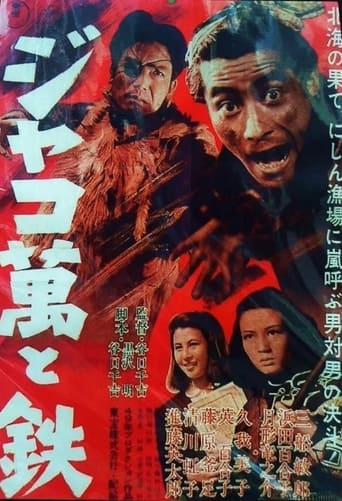 10.0
In a village subsisting on it herring fishery, a one-eyed criminal named Jakoman terrorizes the inhabitants. One of them, the son of the head of one of the fish companies by the name of Tetsu, decides to overthrow Jakoman and his cohorts.
Jakoman and Tetsu
1949
 NR
Fourth film of the Bannai Tarao series starring Chiezo Kataoka
Thirty-three footprints
1948
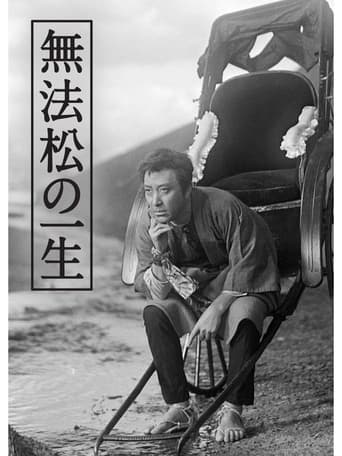 6.8
Matsugoro is a poor rickshaw driver whose animated spirit and optimistic demeanor make him a favorite of the town. Matsu helps an injured boy, Toshio, and is hired by the boy's parents.
The Life of Matsu the Untamed
1943
No synopsis available yet.
Onna goroshi abura jigoku
1949
 NR
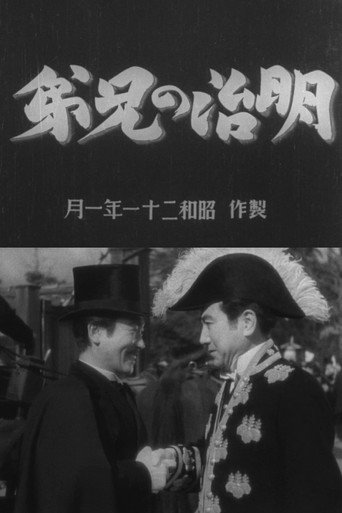
No synopsis available yet.
Meiji no kyōdai
1946
 NR
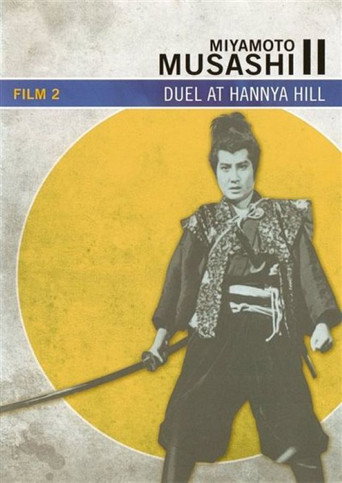
Miyamoto Musashi is challenged by a series of opponents in this follow up to Miyamoto Musashi's Kongoin Ketto (1942, also called Nitoryu Kaigen) also directed by Ito Daisuke.
Miyamoto Musashi - Battle at Han'nya Hill
1943