Acting
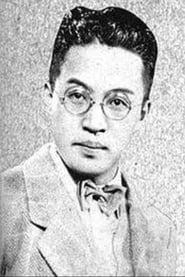
Denjirō Ōkōchi
Born — Died
1898-02-05 — 1962-07-19
Place of birth
Buzen, Fukuoka, Japan
Known for
Acting
Credits
60 titles
From Wikipedia, the free encyclopedia. Denjirō Ōkōchi (5 February 1898 – 18 July 1962) was a Japanese film actor most famous for starring roles in jidaigeki directed by such masters as Akira Kurosawa, Daisuke Itō, Sadao Yamanaka, Teinosuke Kinugasa, Hiroshi Inagaki and Masahiro Makino. His real name was Masuo Ōbe. Training in Shinkokugeki under Shōjirō Sawada, Ōkōchi entered Nikkatsu in 1925 and soon came to fame in chanbara films playing characters such as Chūji Kunisada and Sazen Tange. At his peak, he was one of the top jidaigeki stars alongside Tsumasaburō Bandō and Chiezō Kataoka. During World War II, he also appeared in a number of war films. His house and garden in Arashiyama, Kyoto,…
Known for
 6.0
6.0A few years after his breakthrough, Sanshiro resumes his path to judo mastery—testing his discipline against an American prizefighter and later facing vengeful karate brothers. As rival schools and public spectacle push him toward violence, he must reconcile strength with restraint and the true spirit of his art.
Sanshiro Sugata, Part Two
1945
 NR
NRNo synopsis available yet.
Nice Day, Cloudy Day Part II
1954
 6.5
6.5A hotheaded youth in 1880s Meiji Japan apprentices to judo master Shōgorō Yano, trading brute jujutsu bravado for discipline and humility. As Sanshirō matures, he proves judo’s spirit against old-guard challengers—including a deadly duel—while falling for his vanquished opponent’s daughter. Based on the novel by Tsuneo Tomita, son of Tomita Tsunejirō, the earliest disciple of judo.
Sanshiro Sugata
1943
 7.4
7.4A man gets rid of a cheap pot without knowing it contains a map to a treasure. As word spreads, many join in hunting it.
Tange Sazen and the Pot Worth a Million Ryo
1935
 5.0
5.0During the Warring States era of early 17th century Japan, teenage princess Sen is besieged with other members of her family in Osaka Castle, by a rival force led by her grandfather.
The Princess Sen
1954
 6.9
6.9After her anti-fascist professor father is dismissed, Yukie navigates love, political repression, and wartime upheaval—ultimately forging her own path in pre- and post-WWII Japan.
No Regrets for Our Youth
1946
Film credits
1960s · 12 titles
 10.0
10.0A biographical movie about Shinran
Shinran
1960
 6.0
6.0Toei’s 10th anniversary film, featuring an all-star cast from the golden movie era of the 1960s. A famous story of the 47 loyal samurai. When Lord Asano is unjustly executed, his loyal retainers strike back for revenge.
The Ako Retainers
1961
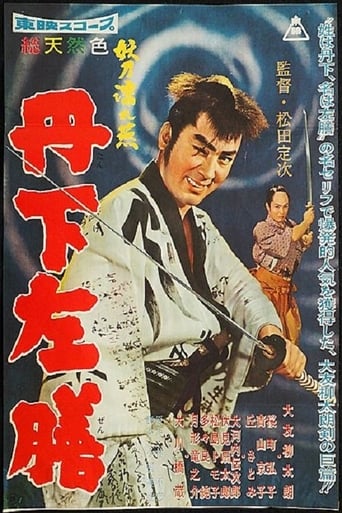 6.0
6.0The legendary one-eyed one-armed swordsman Tange Sazen is back to aid a Magistrate in his efforts to steal bribe money on its way to Edo for the benefit to poor farmers.
Return of the One-Armed Swordsman
1960
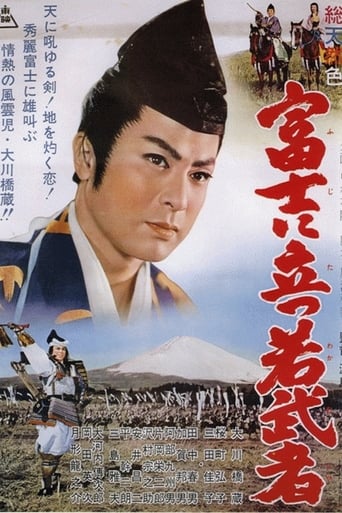 5.2
5.2The epic battles between the Heike and Genji (Taira and Minamoto clans) take centerstage as the defeated leader of the Genji, Minamoto Yoritomo resolves to end his clan's exile and avenge the brutal loss in December, 1159 as they had fought under the white banner of the Emperor, while the Taira fought under their red flags in a battle to the death. The fight only took one day, with the Genji suffering utter defeat which led to their exile. His father, Yoshitomo, took responsibility for the loss and rather than live in humiliation, he decides to commit suicide with all his sons following him. However, the bravest warrior among them, Yoritomo stands tall and declares that he will not kill himself, but rather will fight to restore the clan.
A Young Warrior on Mount Fuji
1961
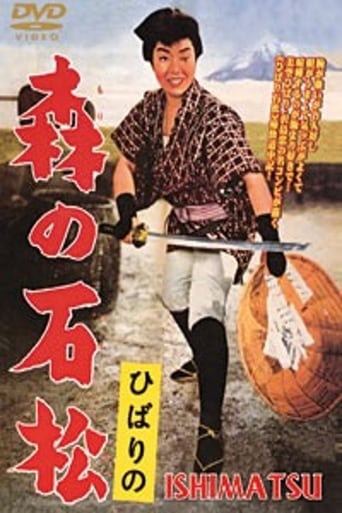 7.5
7.5Some of the finest jidai-geki actors appear in this exciting and entertaining tale of intrigue and action in old Japan. Teaming up the ever-popular Misora Hibari with the greatest samurai action hero of all-time Wakayama Tomisaburo is a brilliant stoke of casting. Hibari takes on the role of Mori no Ishimatsu, a young man who gets involved with real-life Yakuza legend, Shimizu no Jirocho, 'Boss of the Tokaido'. Ishimatsu manages to interfere with a dispute between the Shimizu and their competition, the Marugame family, even going so far as to become an avenger's assistant. It's not the first time Hibari has played a man in a film (also in Benten Kozo), and her acting skills are at their best as she mixes in a bit of humor along with excellent swordplay. Wakayama Tomisaburo, as always, gives an outstanding performance as the powerful and beloved Yakuza Boss Jirocho.
Ishimatsu: the One-Eyed Avenger
1960
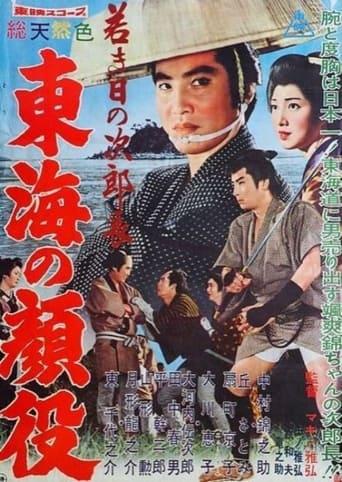 7.0
7.0His skill and courage were the best in Japan! The life story of Jirocho, a man who protected people on the Tokaido Road. The fearless Kinnosuke Nakamura enthusiastically plays the young Jirocho from Shimizu in this chivalrous story.
Jirocho’s Days of Youth: Boss of the Tokai Region
1960
 6.0
6.0While on the road, famed Yakuza Boss Jirocho is falsely accused of starting a peasant's uprising and chased by the law. Meanwhile, one of his henchmen in an attempt to raise money for the Boss gambles away not only all their funds, but their clothing as well. Jirocho, famed for his honesty and integrity must take on the challenge of rival gangs while trying to elude the government's officials at the same time. Things really heat up when the most famous of all Yakuza Bosses, Chuji of Kunisada gets involved. Will he team up with his old friend or is gang warfare about to erupt?
Road of Chivalry
1960
 6.7
6.7Fifteen years after Ishida Mitsunari lost in the battle of Sekigahara, Tokugawa Ieyasu foresees his unavoidable battle with Toyotomi Hideyori and goes into Fushimi Castle. At the night, Hattori Hanzo, the leader of 36 Iga members who were performing as guards of the castle, perceives the existence of a ninja and captures the mysterious sneaker.
The Red Shadow
1961
 9.0
9.0Continuation of the biographical film about the monk Shinran, based on the novel by Eiji Yoshikawa. Shinran, born of the fading aristocratic class, was placed in a monastary on Mount Hiei when still a child. He did not come down for twenty years, when his wanderings begin as he spreads his ideas for achieving enlightenment through the Pure Land sutra. Because his teachings contradict the powerful Tendai sect, he comes to grief with the government, his followers persecuted, himself exiled to far coastal Echigo where he married & began raising a family but soonafter was wandering & teaching again. He lived to be ninety.
Shinran, Part II
1960
 5.8
5.8Tange Sazen interferes with an evil plot against the Iga Yagyu family.
Tange Sazen and the Princess
1961
 9.0
9.0With plenty of action, and a strong story about the growth and development of an expert swordsman, who just happens to be from an extremely privileged background.
20 Duels of Young Shingo, Part 1
1961
 7.0
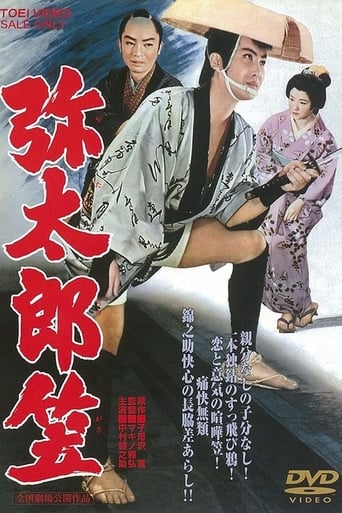
7.0Tossing his hat in the air to pick a direction, Yataro the wanderer sets out on a journey of adventure, not knowing what tomorrow may bring. The son of a Hatamoto, he has left the samurai life and become a yakuza, gambling on life's fortune and ready to risk his life at a moment's notice. Featuring an all-star cast that includes the debonair Azuma Chiyonosuke, this is a tale of excitement and action that brings the best of black and white to the silver screen. An adventure like no other, this is one of Kinnosuke's lost gems. A series of mishaps leads Yataro to watching over the beloved daughter of his close friend.
Yakuza of Ina
1960
1950s · 35 titles
NRNo synopsis available yet.
Nice Day, Cloudy Day Part II
1954
5.0During the Warring States era of early 17th century Japan, teenage princess Sen is besieged with other members of her family in Osaka Castle, by a rival force led by her grandfather.
The Princess Sen
1954
 6.0
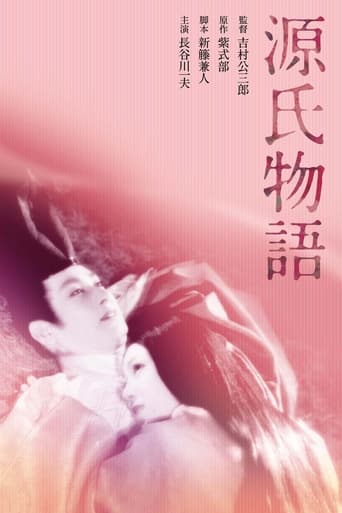
6.0Genji, the illegitimate offspring of a Japanese potentate, goes by the philosophy of "love 'em and leave 'em" as a matter of course. Only when his heart is broken by Awaji does Genji realizes how much pain he himself has caused.
The Tale of Genji
1951
 7.8
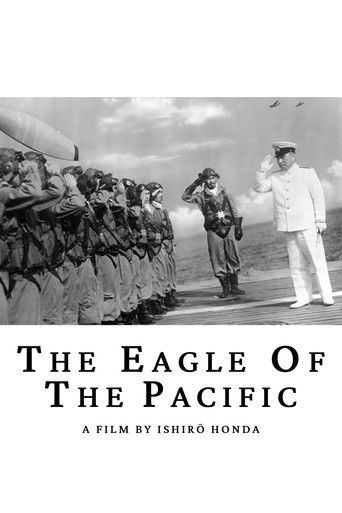
7.8Admiral Isoroku Yamamoto, a brilliant tactician, is a loyal subject of the emperor, despite his grave misgivings about leading Japan's navy into war with the United States. He opposes the attack on Pearl Harbor, but, overruled, he leads his forces to the best of his ability.
The Eagle of the Pacific
1953
 6.7
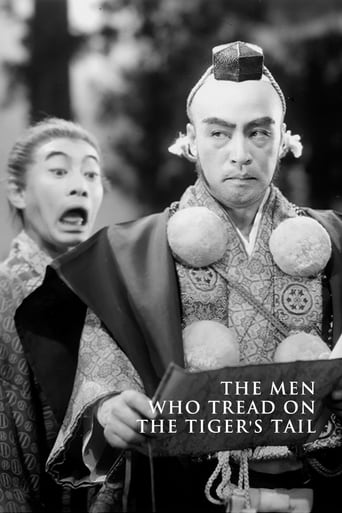
6.7A fugitive lord and his six retainers disguise themselves as monks to bluff their way through a hostile checkpoint.
The Men Who Tread on the Tiger's Tail
1952
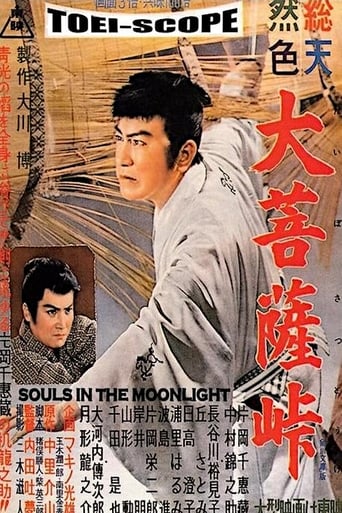 7.0
7.0First part of the famous Dai-bosatsu toge trilogy, based on Kaizan Nakazato’s unfinished long series of novels (41 books, written from 1913 to 1941). Set in the last period of the Tokugawa Shogunate, Daibosatsu Toge tells the story of Tsuke Ryunosuke, a nihilistic swordmaster who doesnt hesitate to kill anyone, bad or good. Despite the authors explicit refusal, the series were later made into plays and movies several times.
Souls in the Moonlight
1957
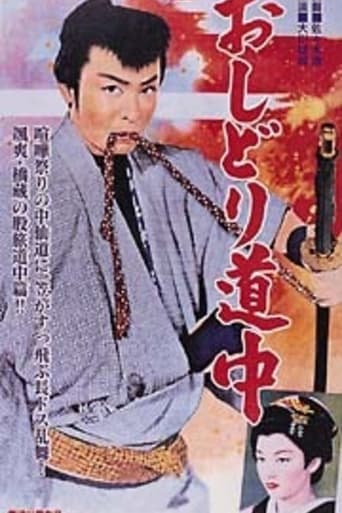 7.5
7.5With flashing swordwork and a terrific story, wandering gambler Kusama Hanjiro inspires the wrath of Boss Jirotaro who has been terrorizing travelers along the route through his territory. When Hanjiro steps in to gamble with him one-on-one it leads to a deadly vendetta that will show no mercy. Along the way Hanjiro is called upon to help sisters with no one else to depend on. Will the feud end in tragedy, or can the honest wanderer prevail against the bloodlust of an angry yakuza boss whom he had scarred for life?
Happily Tied to the Road
1959
 6.5
6.5In the Tokugawa Era, the clan of Lord Yagyu has hidden away three scrolls containing clan secrets which, if revealed, would cause revolution and disaster for the clan. The information is divided among the three scrolls, all of which must be possessed for the secrets to be understood. When Princess Yuhime steals the scrolls, Tasaburo, a samurai with magical powers, and his brother Senshiro are sent to retrieve them.
Yagyu Secret Scrolls
1957
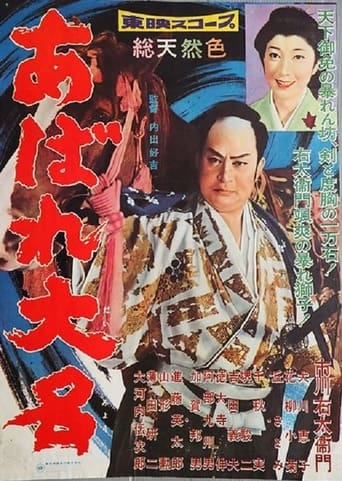 9.0
9.0No synopsis available yet.
The Unleashed Lord
1959
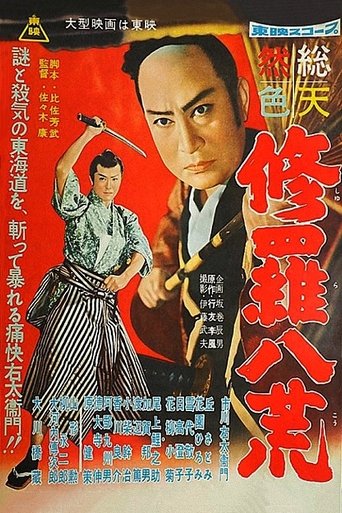 10.0
10.0Four thousand gold coins were stolen from the vault of Nijo Castle in Kyoto, which were collected as a tax to the shogun. The guard of Nijo castle Asaka Keinosuke, disguised as a komuso monk, proceeds to investigate the theft, traces of thieves lead to Edo, where Asaka goes.
The Lost Public Funds
1958
 5.4
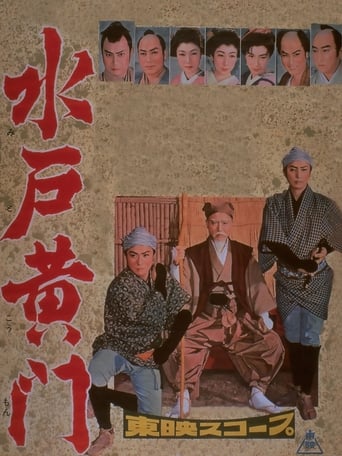
5.4This most celebrated all-star movie version of the popular series features Tsukigata Ryunosuke as Mito Komon, the sage who wanders the countryside rectifying government corruption along with his faithful attendants Suke and Kaku.
Lord Mito
1957
 7.0
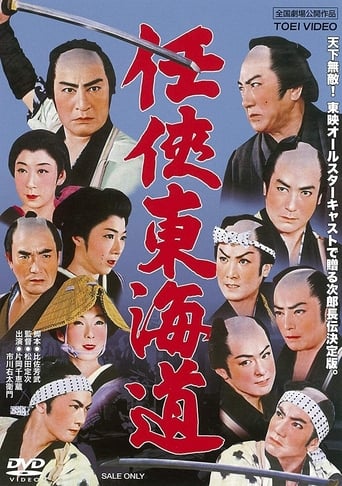
7.0An all-star cast highlights this Jidai-Geki classic. Set in the samurai era, this is the tale of period Yakuza. One of the real classics in this genre. Jirocho, an honorable and respected gang boss, uncovers a conspiracy organized by his rivals while on a quest to bring justice to three murders. Some of the most famous actors from Toei studios make this a must-see for everyone! Featuring a very young Nakamura Kinnosuke, who went on to become one of Japan's mosted noteworthy actors under the name Yorosuya Kinnosuke. This is one of the best examples his early work.
A Chivalrous Spirit
1958
 NR
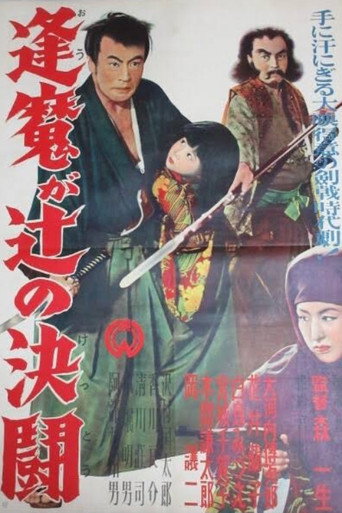
NRThe sword of the chivalrous warrior is drawn amid the struggle for a legendary sword and a plot to assassinate a young princess.
Duel at Omagatsuji
1951
 NR
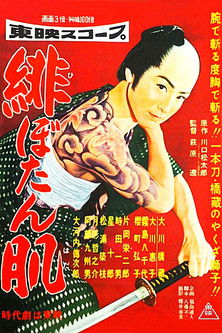
NRGenjiro was a samurai in the past, but he became a Yakuza, a dandy with a tattoo of red peonies, he helps his younger brother who is caught up in a conflict with Hatamoto.
Red Peonies on the Skin
1957
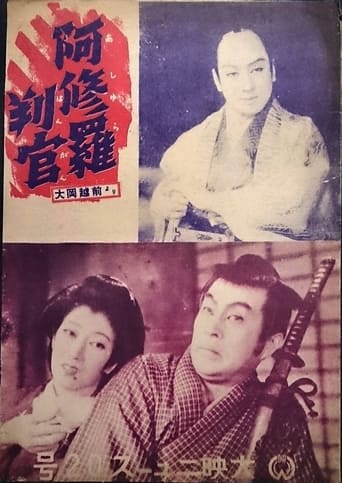 10.0
10.0No synopsis available yet.
Judge of the Ashuras
1951
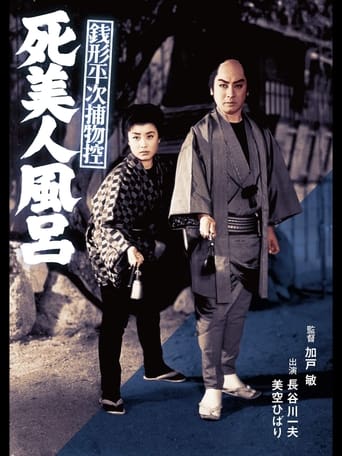 NR
NRNo synopsis available yet.
Case Files of Zenigata Heiji: The Dead Beauty in the Bathhouse
1956
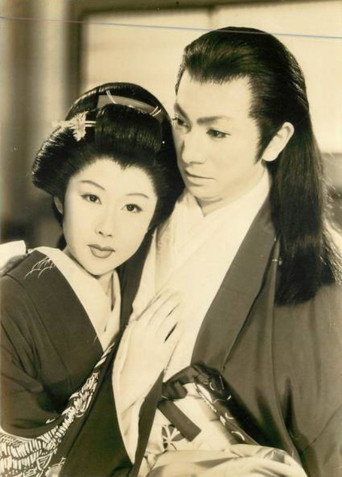 NR
NRNo synopsis available yet.
Tenka o nerau bishōnen
1955
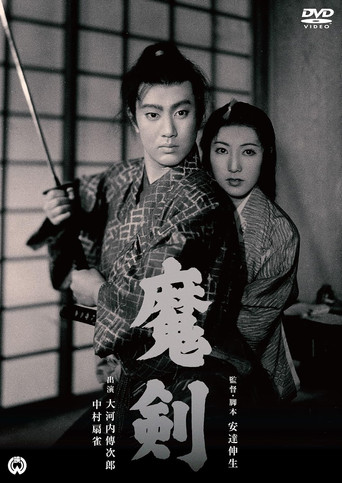 NR
NRA young swordsman takes on the mysterious, deadly “Demon Sword” wielded by a nihilistic master swordsman who trusts neither human compassion nor a woman’s heart… What is the fate of the undefeated Demon Sword?
Demon Sword
1953
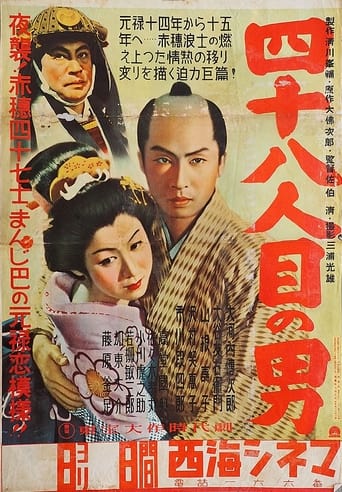 8.0
8.0Jidai-geki by Kiyoshi Saeki
Forty-Eight Man
1952
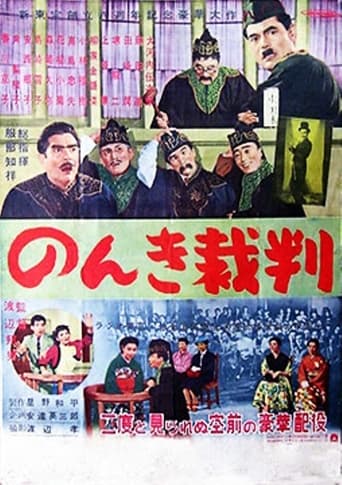 NR
NRA spectacular comedy with a star-studded cast that depicts unusual trials and unexpected verdicts regarding the five deadly sins: the crime of beauty, the crime of a terrifying wife, the crime of taking the wrong course, the crime of seducing, and the crime of killing with laughter.
Nonki saiban
1955
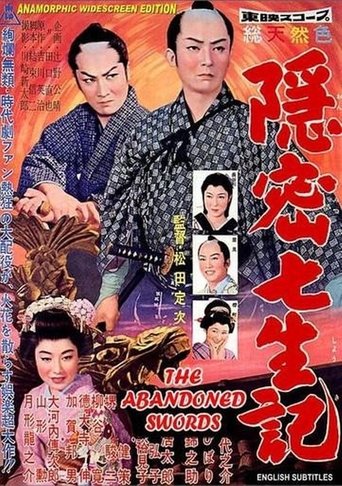 6.0
6.0Best friends Gentaro and Sanpei become fateful enemies when Sanpei steals a secret document revealing the identity of the chosen successor to the Tokugawa Shogun. Gentaro of the Owari clan sets out to retrieve the invaluable document.
The Abandoned Swords
1958
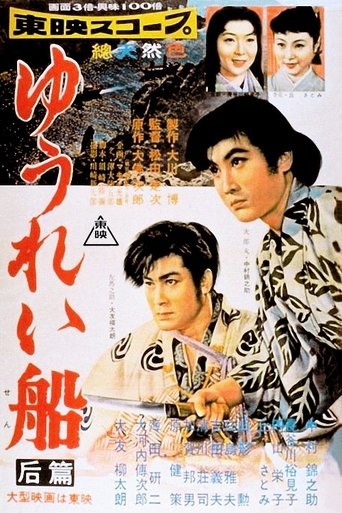 10.0
10.0Jiromaru (Kinnosuke Nakamura) investigates the dark "Ghost Ship" in search of his father. Meanwhile, Princess Yuki (Yumiko Hasegawa) and Chacha (Eiko Maruyama) are kidnapped by pirates, so after dedicating himself to rescuing them for the second time, he decides to accept his grandfather's challenge to become a navigator, just like his deceased father.
Ghost Ship Part 2
1957
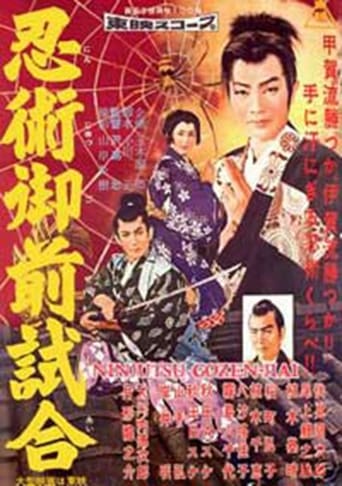 7.7
7.7During the Age Of Wars (Sengoku Era), Tokugawa Ieyasu and Toyotomi Hideyoshi are vying for power and each uses their secret weapons in order to try and defeat the other. Momochi Sandayu of the Iga, along with his disciple Ishikawa Goemon are ordered by Ieyasu to assassinate Hideyoshi and get the blueprints for the hidden fortress within Osaka Castle. Meanwhile the Koga group organizes to try and defend the castle for the peace of the nation. Beating off every trick from Sandayu, Torawakamaru protects the drawing, and when Ieyasu figures out a way to hold a match between Koga and Iga the two masters fight the greatest ninja battle ever held. The effects are truly spectacular in this classic ninja film from Toei.
Torawakamaru, the Koga Ninja
1957
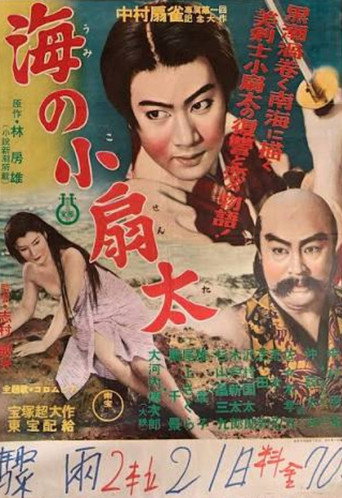 NR
NRNo synopsis available yet.
The Sea Warrior
1955
 6.0
6.0Master swordsman and loyal vassal Saotome Mondonosuke goes on a mission to find a missing princess.
Bored Hatamoto: The Daimonji Conspiracy
1959
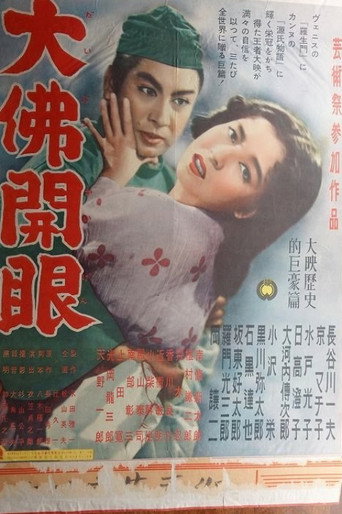 10.0
10.0The film depicts how the work to build the Great Buddha overcame a number of obstacles as proponents and opponents clashed over the construction of the Buddha. This work is based on a play by Hideo Osada, which was performed by the Shin Kyodo Theater Company in 1940.
Dedication of the Great Buddha
1952
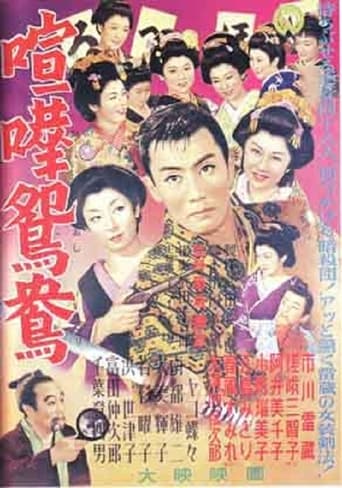 NR
NRNo synopsis available yet.
Fighting Birds
1956
 NR
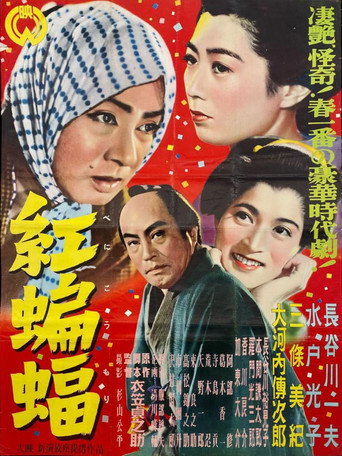
NRA bizarre duel on a snowy night with a woman at stake, a sudden and brazen murder, and a thrilling chase of love and passion.
The Scarlet Bat
1950
 6.3
6.3One of the great stories from Japan’s rich history comes to life in this true tale of the bloody showdown between two rival yakuza gangs in the 1840’s. The battle between Boss Sukegoro of Iioka and Boss Shigezo of Sasagawa has been portrayed many times, most notably in the first Zatoichi film, where the blind man befriends the tubercular ronin Hirate Miki, before cutting him down in one of the great duels in cinema history. This all-star extravaganza pulls out all the stops, with appearances by virtually all of the great actors and actresses from Toei’s studio at the time. Ichikawa Utaemon’s portrayal of the kind-hearted, noble yakuza boss Shigezo of Sasagawa contrasts sharply with the devious Sukegoro of Iioka. Corrupt as he may have been, his men were all willing to give up their lives for him.
A Spectacular Showdown
1959
 NR
NRIn the third entry into this mega-hit series, Isshin Tasuke, a spirited fishmonger in Edo who looks just like Shogun Iemitsu undergoes a series of unforeseen troubles in his newly wedded life.
Isshin Tasuke: A Man Among Men
1959
 7.5
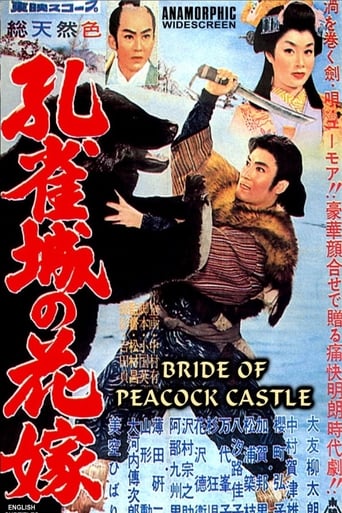
7.5Princess Kazu, the daughter of Shogun Ienari, is sent to marry Matsudaira Nobunao, master of Peacock castle in Kozuke province, a domain of 17,000 koku. When the procession carrying her sizable dowry was so large that it was expected to take 30 days to reach the castle the members of the clan were surprised to learn that it contained only her barest essentials! Would her presence create a problem too large for the clan to deal with? And having been trained by Lord Yagyu himself, will her martial skills ruin the marital plans set forth for the couple, or can she be tamed in time for the wedding?
Bride of Peacock Castle
1959
 5.3
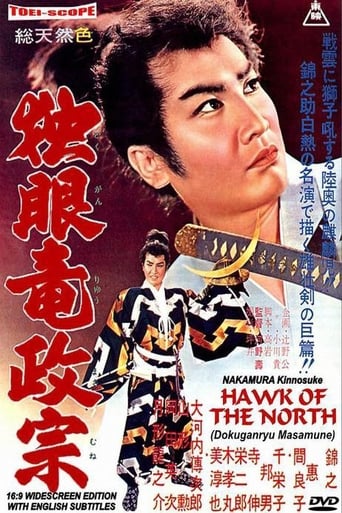
5.3During the latter part of the 16th Century, Japan's Warring States era was coming to a close. After crushing almost all of his enemies, Date Masamune aka the "Hawk of the North" sets his eyes on Hatakeyama's lands. The young warlord is about to face his greatest challenge.
Hawk of the North
1959
 10.0
10.0No synopsis available yet.
Zoku Tange Sazen
1953
 NR
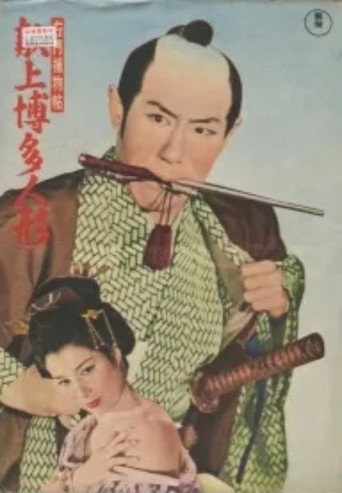
NRNo synopsis available yet.
Umon's Detective Story: Hakata Doll Gift
1955
 NR
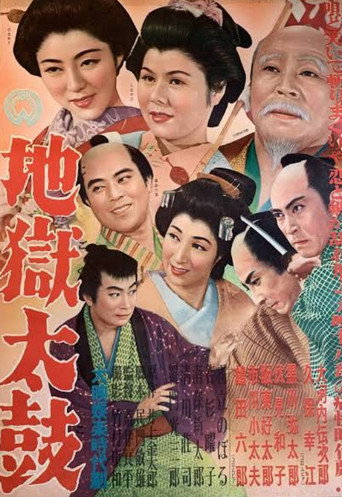
NRA girl from a tenement house was abducted in broad daylight, right in the heart of Edo.
Jigoku taiko
1953
1940s · 11 titles
6.0A few years after his breakthrough, Sanshiro resumes his path to judo mastery—testing his discipline against an American prizefighter and later facing vengeful karate brothers. As rival schools and public spectacle push him toward violence, he must reconcile strength with restraint and the true spirit of his art.
Sanshiro Sugata, Part Two
1945
6.5A hotheaded youth in 1880s Meiji Japan apprentices to judo master Shōgorō Yano, trading brute jujutsu bravado for discipline and humility. As Sanshirō matures, he proves judo’s spirit against old-guard challengers—including a deadly duel—while falling for his vanquished opponent’s daughter. Based on the novel by Tsuneo Tomita, son of Tomita Tsunejirō, the earliest disciple of judo.
Sanshiro Sugata
1943
6.9After her anti-fascist professor father is dismissed, Yukie navigates love, political repression, and wartime upheaval—ultimately forging her own path in pre- and post-WWII Japan.
No Regrets for Our Youth
1946
 NR
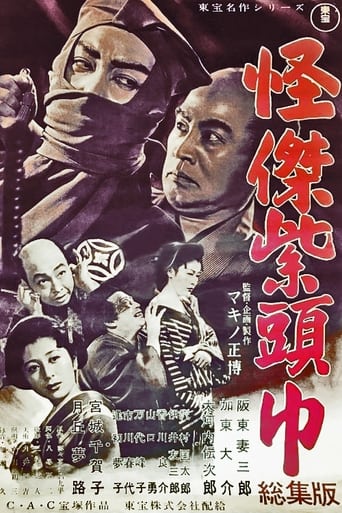
NRThe purple hood reveals the embezzlement of public money by officials. A remake of Masahiro Makino's 1923 film.
Saheiji’s Casebooks: The Purple Hood
1949
 10.0
10.0Three IJN flyers Mikami (Susumu Fujita), Kawakami (Masayuki Mori) and Murakami (Akitake Kono) are good friends, and they are all renowned for their torpedo techniques. Mikami is posted as a staff officer at a base on an island in the Pacific. Kawakami and Murakami later joins him as the base squardron is reinforced. The enemy task force approaches the island and all three of them attack the fleet, killing themselves in the process.
Battle Troop
1944
 8.0
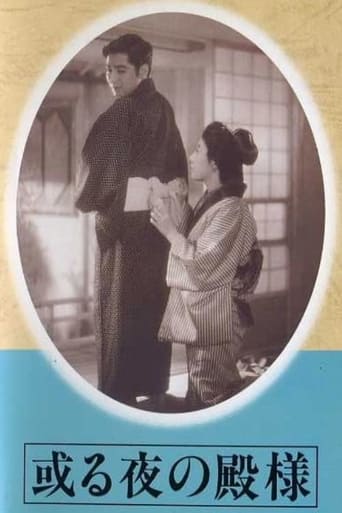
8.0In 1887, two businessmen, Echigo-ya and Kitahara, compete for railroad construction authorization from the government. The minister states that a local noble must not object, and his missing younger brother is the only one who could sway him. Meanwhile, Omitsu, a hotel employee tired of Echigo-ya’s wife’s arrogance, teams up with Kitahara to stage a scheme where a vagrant young man pretends to be the noble’s lost brother, aiming to trick and embarrass the wealthy woman.
Lord for a Night
1946
 9.0
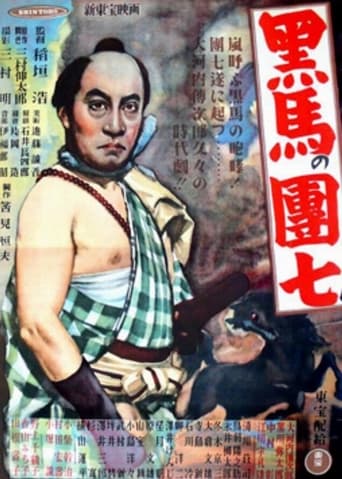
9.0No synopsis available yet.
Kuro-uma no danshichi
1948
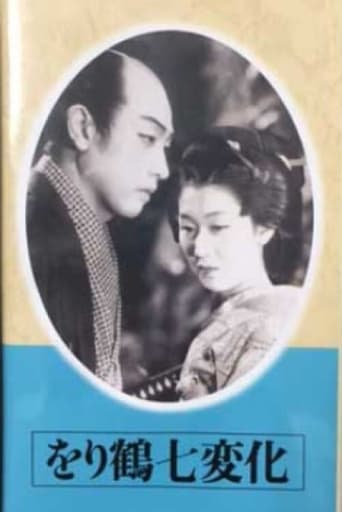 5.0
5.0The story is based on the serial novel by Tsunoda Kikuo.
The Seven Changes of a Paper Crane (Part 1)
1941
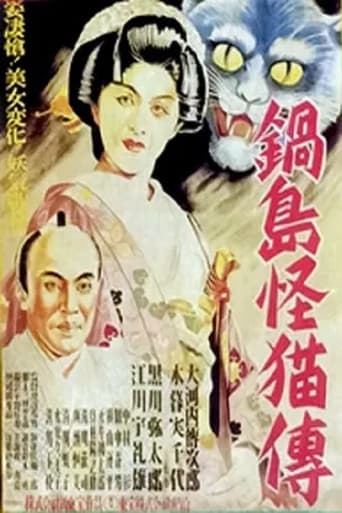 6.5
6.5Tanuma Kandayuu is a high class samurai of the house of Nabeshima. He finds a lavish board of Go (a Chinese Board game) at Kinbei's store. He recommend Kinbei to offer it to his lord. Kinbei hesitates at first, since he knows the board has a mysterious legend surrounding it; it's believed that for every game played on the board, one death is required.
Ghost Cat of Nabeshima
1949
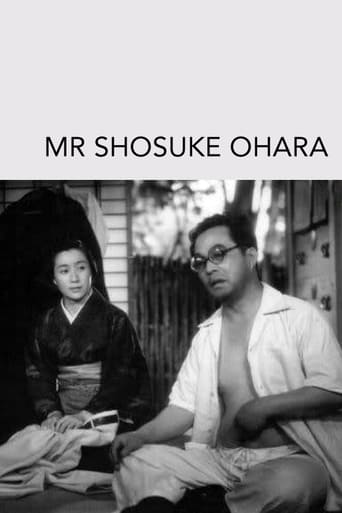 6.2
6.2Saheita, the final heir of a once rich and respectable family, can't refuse the many villagers that come to him for favours and money, even though he is on the brink of bankruptcy. Around town he is better known by his nickname Mr. Shosuke Ohara.
Mr. Shosuke Ohara
1949
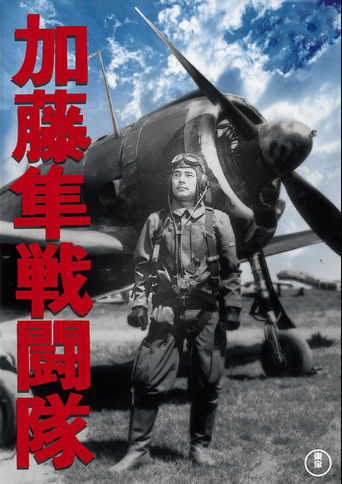 7.0
7.0A 1944 propaganda film that depicts the fictionalised career of IJAAF pilot Tateo Kato, who led the 64th Sentai during the early months of the Pacific War. The film has scenes featuring Ki-43 fighters escorting Ki-21 bombers to attack Rangoon, where they are attacked by P-40 Warhawk and Brewster Buffalo fighters.
Colonel Kato's Falcon Squadron
1944