
Production
Charles Pathé
Born — Died
1863-12-26 — 1957-12-25
Place of birth
Chevry-Cossigny, Seine-et-Marne, France
Known for
Production
Credits
39 titles
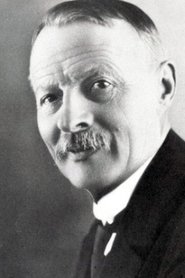
Charles Morand Pathé (26 December 1863 – 25 December 1957) was a pioneer of the French film and recording industries. As the founder of Pathé Frères, its roots lie in 1896 Paris, France, when Pathé and his brothers pioneered the development of the moving image. Pathé adopted the national emblem of France, the cockerel, as the trademark for his company. After the company, now called Compagnie Générale des Éstablissements Pathé Frères Phonographes & Cinématographes, invented the cinema newsreel with Pathé-Journal. The son of a butcher shop owner, Charles Morand Pathé was born at Chevry-Cossigny, in the Seine-et-Marne département of France. His father, Jacques Pathé and mother, Thérèse-Émélie …
Known for
Produced for television by Claude-Jean Philippe, the « Encyclopédie audiovisuelle du cinéma », recounts the history of French cinema from its birth to the beginning of the 1960s. With commentary read by Jean Rochefort.
Encyclopédie audiovisuelle du cinéma
1978
 7.4
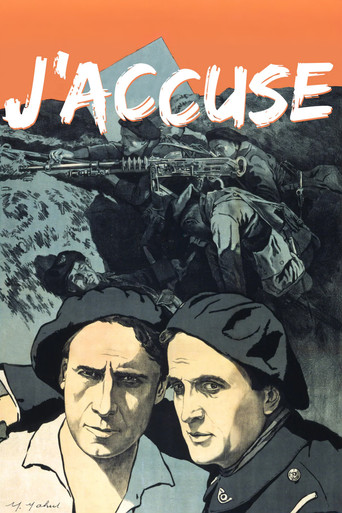
7.4The story of two men, one married, the other the lover of the other's wife, who meet in the trenches of the First World War, and how their tale becomes a microcosm for the horrors of war.
J'accuse
1919
 7.3
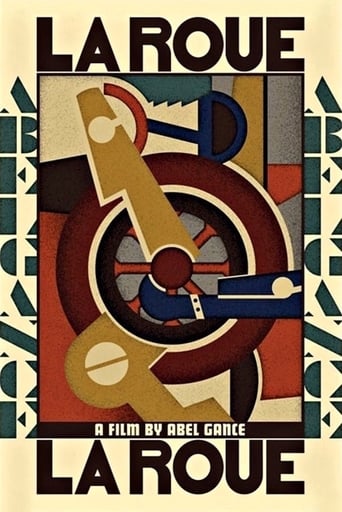
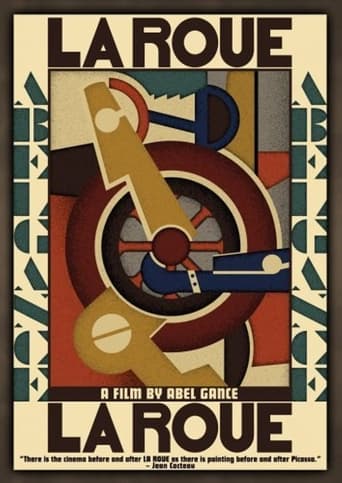
7.3Sisif, a railwayman, saves a young girl named Norma orphaned by a train crash and raises her as his own daughter alongside his son, Elie. As she becomes an adult, Sisif grapples with whether to tell Norma the truth about her parentage.
La Roue
1923
 6.3
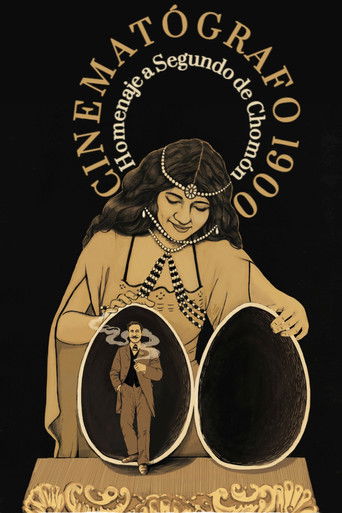
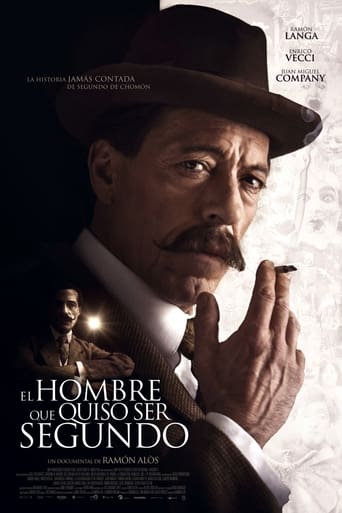
6.3Tribute to Segundo de Chomón. Semi-documentary featuring short films and appearances by actors who explain his works, such as Inma de Santis, Jesús Gúzman, and Ana Mariscal.
Cinematógrafo 1900
1979
 5.8
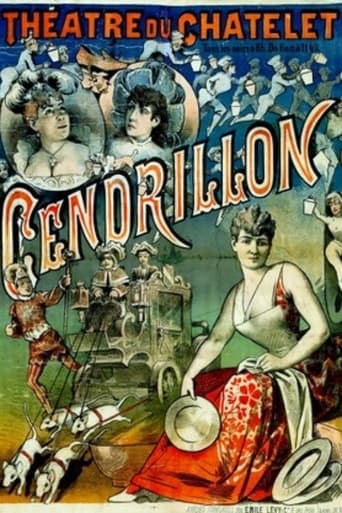
5.8Georges Méliès's first attempt at Cinderella was in 1899. That film was extraordinary then for having multiple scenes and a semblance of a narrative; additionally, the use of dissolves as transitions in it influenced other filmmakers for years to do the same. Méliès was the cinema world's preeminent leader then. By 1912, however, that was no longer the case; frankly, as evidenced by this feature, his style had become dated. Moreover, Méliès had begun to adopt techniques from other filmmakers, such as direct cuts instead of dissolves, and there's even a match on action shot during the slipper trying-on scene.
Cinderella or The Glass Slipper
1912
 5.2
5.2Max presents himself with a letter of introduction to Mr. Charles Pathé. He is then passed from hand to hand until he finds himself facing a director who has him do a few tests: singing, dancing, performing a somersault, receiving a slap. Some time later, he is summoned for a screen test. We then see him at odds with his wife and especially his mother-in-law, who end up throwing him out of a window and then successively hurling a table, a wardrobe, a mattress, etc., at him while he is being filmed. Finally, the director asks him to make a face in front of the camera. And that's when Max rebels and turns against his tormentors.
Max's First Job
1910
Film credits
2010s · 1 titles
1920s · 1 titles
1910s · 2 titles
5.2Max presents himself with a letter of introduction to Mr. Charles Pathé. He is then passed from hand to hand until he finds himself facing a director who has him do a few tests: singing, dancing, performing a somersault, receiving a slap. Some time later, he is summoned for a screen test. We then see him at odds with his wife and especially his mother-in-law, who end up throwing him out of a window and then successively hurling a table, a wardrobe, a mattress, etc., at him while he is being filmed. Finally, the director asks him to make a face in front of the camera. And that's when Max rebels and turns against his tormentors.
Max's First Job
1910
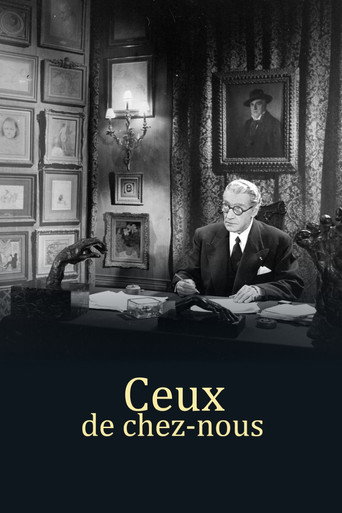 6.8
6.8With family connections to some famous French artists, writers, and musicians of the time, Sacha Guitry decided to film the individuals in action, to celebrate the greatness of his culture, threatened by Germany in the ongoing Great War.
Those of Our Land
1915
Series credits
Behind the camera
7.4The story of two men, one married, the other the lover of the other's wife, who meet in the trenches of the First World War, and how their tale becomes a microcosm for the horrors of war.
J'accuse
1919
7.3Sisif, a railwayman, saves a young girl named Norma orphaned by a train crash and raises her as his own daughter alongside his son, Elie. As she becomes an adult, Sisif grapples with whether to tell Norma the truth about her parentage.
La Roue
1923
5.8Georges Méliès's first attempt at Cinderella was in 1899. That film was extraordinary then for having multiple scenes and a semblance of a narrative; additionally, the use of dissolves as transitions in it influenced other filmmakers for years to do the same. Méliès was the cinema world's preeminent leader then. By 1912, however, that was no longer the case; frankly, as evidenced by this feature, his style had become dated. Moreover, Méliès had begun to adopt techniques from other filmmakers, such as direct cuts instead of dissolves, and there's even a match on action shot during the slipper trying-on scene.
Cinderella or The Glass Slipper
1912
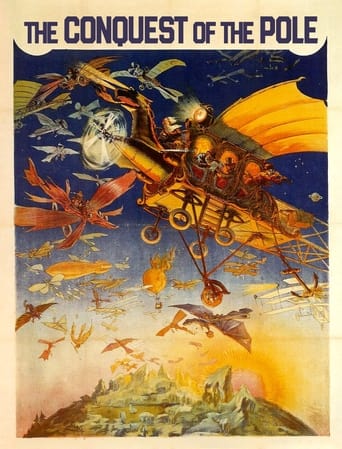 6.2
6.2A science fantasy film that deals with an extraordinary race to the north pole by rival parties of balloonists. Based on the novel "The Adventures of Captain Hatteras" by Jules Verne.
The Conquest of the Pole
1912
Fernand Pradier (Gabriel Signoret) is an honest merchant and a simple person at heart who tries to make her daughter Germaine (Gabrielle Robinne) happy. She is engaged to a rich banker St-Bris (René Alexandre). However, the fiance once belonged to a criminal organization and, despite his efforts of rehabilitation, one of his ancient accomplices makes their engagement impossible. Eventually imprisoned, she escapes with the help of a beautiful typist (Stacia Napierkowska)...
The King of Prison
1913
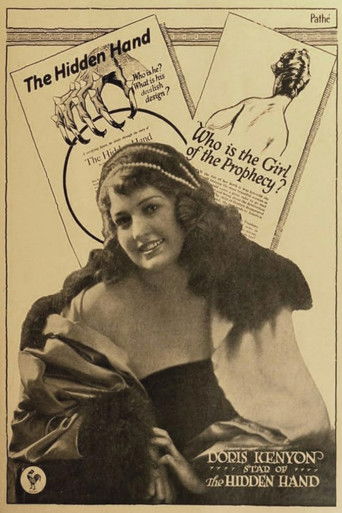 NR
NR15 chapter adventure serial starring Doris Kenyon. Episode titles: 1. The Gauntlet of Death 2. Counterfeit Faces 3. The Island of Dread 4. The False Locket 5. The Air-Lock 6. The Flower of Death 7. The Fire Trap 8. Slide for Life 9. Jets of Flame 10. Cogs of Death 11. Trapped by Treachery 12. Eyes in the Wall 13. Jaws of the Tiger 14. The Unmasking 15. The Girl of the Prophecy.
The Hidden Hand
1917
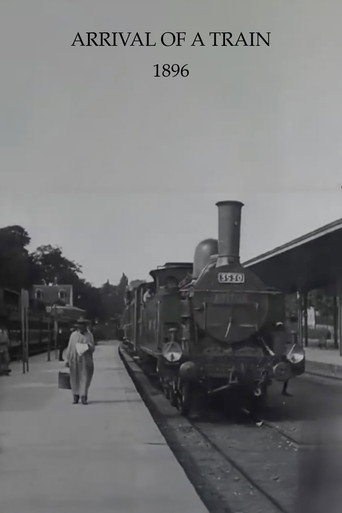 4.6
4.6A train arrives at Bel Air Station in Paris, France.
Arrival of a Train
1896
 5.8
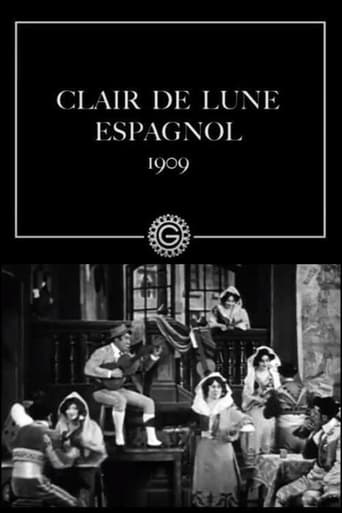
5.8Two lovers perform a fandango dance. A jealous quarrel follows and the heart-broken swain decides to end it all. He throws himself from the window of his room, but instead of falling to his death, the anchor of a passing balloon intercepts his flight and he is taken high into the clouds. Laughing at his plight, the moon arouses the anger of the desperate lover and a battle between the two ensues.
Spanish Clair de Lune
1909
 5.7
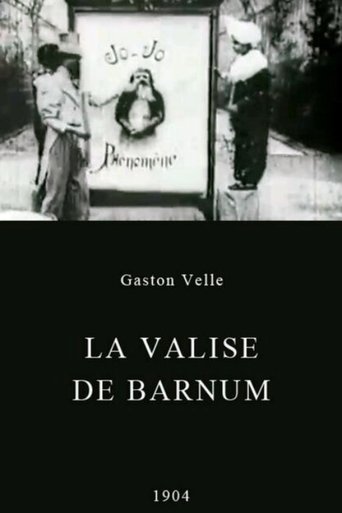
5.7A magician and some assistants put up a series of posters of music hall acts in a frame. Then the magician brings each poster to life.
Barnum's Trunk
1904
The carrot caterpillar hides among and feeds on the leafy foliage in carrot fields. A man demonstrates how difficult it is to detect and remove them from the carrot plants. They propel themselves with their six feet and twelve suction cups. To ward off enemies, they display two horns which secrete a malodorous liquid. Before the chrysalis stage of their development, they attach themselves to a surface and two days later burst from their shell. After spending the winter as a chrysalis, they emerge as swallowtail butterflies. Once they have bathed their wings in dew and dried off, they are ready to fly. (Library of Congress)
The Carrot Caterpillar
1911
 NR
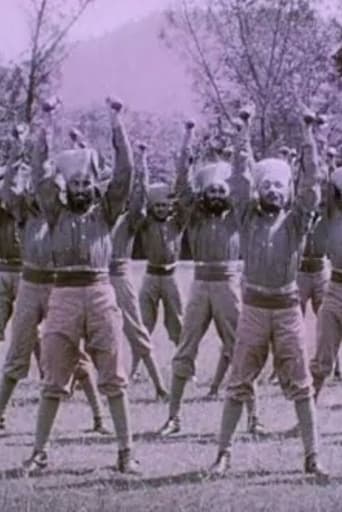
NRA demonstration of sport and fitness by members of the Indian Army.
Sports in the Indian Army
1910
The Pathé cinema company screened new films shot in the capital.
El Presidente Leguía en las carreras
1908
Pathé newsreel showcasing the production of paper hats in a factory in Japan.
The Factory of Hats of Paper in Japan
1916
Two unfriendly neighbors make up when their children are caught in a storm.
Victims of the Storm
1906
 7.0
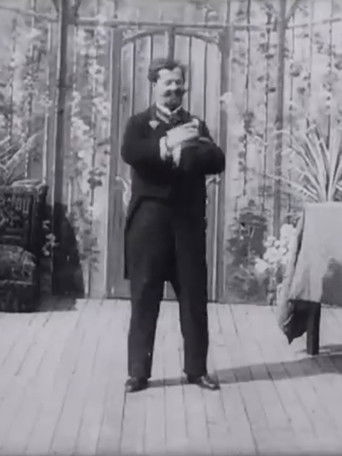
7.0A magician's trick.
Métamorphoses d'un magicien
1897
No synopsis available yet.
The Mysterious Man
1910
This film was shot and developed by Mr. Cazes, sent expressly by Pathé of Paris for the national company that holds film screenings in the tent at San Juan de Dios. It shows all the officials who accompanied the President of the Republic that day, the Military Household of the Head of State, and the Escort. It was also possible to film the army parade that same day, after the religious festivities had concluded... Given that these are local events, where a large number of well-known people will be seen, it is to be expected that the house will be full.
El Jubileo de Su Santidad, película de las corporaciones oficiales para celebrar la festividad del Papa en la Catedral de Lima
1908
This two-shot newsreel fragment surveys the scene at a Votes for Women protest on Trafalgar Square in the summer of 1910, when suffragists of the National Union of Women's Suffrage Societies presented petitions signed by supportive menfolk of Britain's towns and cities.
Mass Meeting of Suffragettes
1910
Jean Comandon, pioneer of microcinematography, recorded this time-lapse film in c. 1910, using a ultramicroscope. The film show living spiral shaped syphilis bacteria moving among red blood cells of frog. Notice the back-and-forth movement, characterizing the disease-causing form. (Wikipedia)
Spirochoeta pallida (de la syphilis)
1910
Native British birds, from common gulls and cuckoos to the rare Richardson's Skua, are filmed in their natural habitat.
Glimpses of Bird Life
1910
Filmed visit in Peru, at the Tent of San Juan de Dios.
Un baile nacional en Cantagallo, también llamada Una jarana en Cantagallo
1908
 NR
NRThe Thames, although insignificant compared to the rivers of the continent, has its own charm that painters and poets like Turner, Bonington, Eugène Delacroix, Whistler and Seymour have tried to render on paper or on canvas. In this film no grandiose scenes, just a river of silver flowing placidly between low banks, covered with trees. Here and there we pass through delightful little towns until we get to Windsor and dock in the shade of its famous castle.
The Banks of the Thames from Oxford to Windsor
1914
Filmed on October 4, 1908, it includes images of the departure from the eleven o'clock mass at the church of San Pedro and of the races at the Santa Beatriz racetrack.
Un domingo en Lima
1908
A Pathé camera slid into the bullring to film the bullfight that day.
Corridas de toros en Lima
1908
The Pathé cinema company screened new films shot in the capital.
Salida de misa de Santo Domingo
1908
A train ride with a view from the back of the train.
Voyage dans un train
1896
 2.0
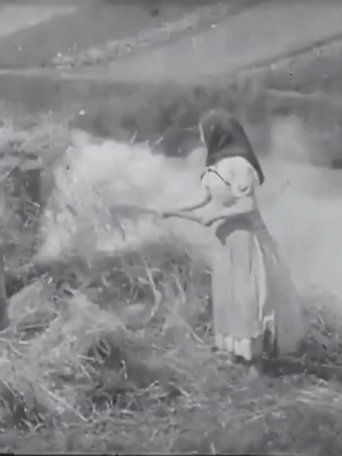
2.0A couple of women stand in a field, using pitch forks to separate burning grass. Men run away from the event. Meanwhile, a third woman stands to the right, drinking what I would guess is water from a pitcher, instead of using it to put out the fire.
Brûleuses d'herbes
1899
Filmed visit in Peru, at the Tent of San Juan de Dios.
Vendedor de El Comercio
1908
A documentary film on crocodile fishing
Fishing for Crocodiles
1909
Early short film adapted from the Bible (Judges 4-5)
Jael and Sisera
1911
 NR
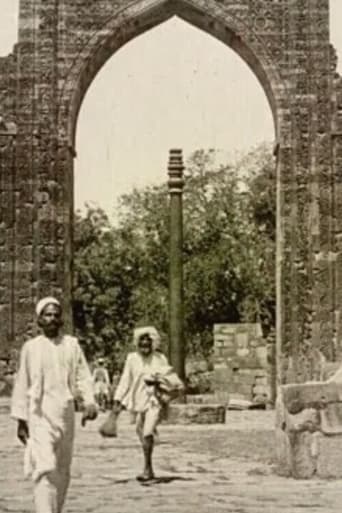
NRAttractive travelogue filmed in and around Delhi's Qutb complex.
Ruins of Delhi
1910
No synopsis available yet.
Masques et grimaces
—