
Known for
 6.9
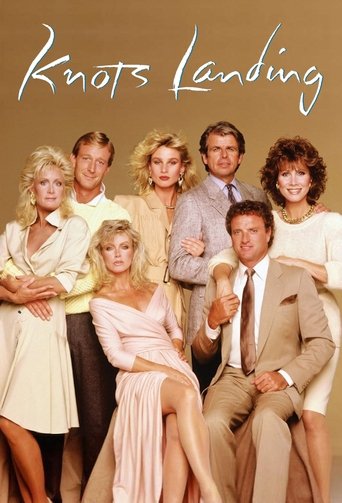
The domestic adventures, misdeeds and everyday interactions of five families living on a cul-de-sac in a small California community.
Knots Landing
1979
 7.5
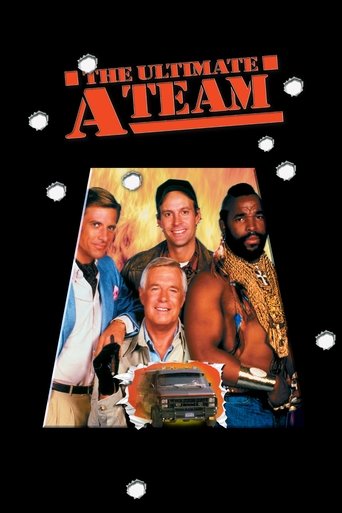
A fictional group of ex-United States Army Special Forces personnel work as soldiers of fortune while on the run from the Army after being branded as war criminals for a "crime they didn't commit."
The A-Team
1983
 7.1
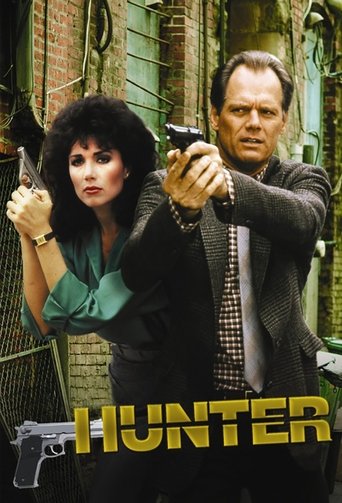
Hunter is an American police drama television series created by Frank Lupo, and starring Fred Dryer as Sgt. Rick Hunter and Stepfanie Kramer as Sgt. Dee Dee McCall, which ran on NBC from 1984 to 1991. However, Kramer left after the sixth season to pursue other acting and musical opportunities. In the seventh season, Hunter partnered with two different women officers. The titular character, Sgt. Rick Hunter, was a wily, physically imposing, and often rule-breaking homicide detective with the Los Angeles Police Department. The show's main characters, Hunter and McCall, resolve many of their cases by shooting dead the perpetrators. The show's executive producer during the first season was Stephen J. Cannell, whose company produced the series.
Hunter
1984
 4.8
One night, in a Los Angeles hospital, Dr. Flax attends to a seriously injured man who, apparently crazed, whispers mysterious and disconcerting words in French into her ear.
Nomads
1986
 NR
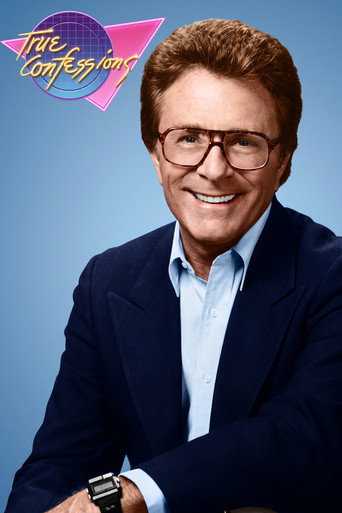
The series resembles a soap opera in appearance and sound but lacks a consistent cast, functioning instead as an anthology show. It features some well-known performers and presents stories similar in style. These narratives are derived from True Confessions magazine. The producers seem to aim for viewers to glean a moral lesson from each episode, with Bill Bixby serving as host to articulate it. Alan Landsburg's "True Confessions" marks the first daytime anthology series since Matinee Theatre in 1958. The title might mislead some, as it does not reflect the sensationalism once associated with the old magazine. Instead, the stories are inspired by articles from True Confessions magazine over the last 70 years, published by the Macfadden Women's Group. This half-hour daily dramatic anthology, hosted by Bill Bixby, is a syndicated show.
True Confessions
1986
This 1970s short film titled “Image in a Bottle”, presented by Family Films, was founded by Sam Hersh in 1946 to create movies to promote Christianity through entertaining visual media. This film portrays the turbulent life of a family in which the mother is an alcoholic. Meanwhile, the viewer learns of another mother who found God and recovered from her own alcoholism.
Image in a Bottle
1976
Film credits
1980s · 2 titles
4.8One night, in a Los Angeles hospital, Dr. Flax attends to a seriously injured man who, apparently crazed, whispers mysterious and disconcerting words in French into her ear.
Nomads
1986
This drama demonstrates how obedience to Biblical principles can overcome the problems of permissiveness and lack of leadership in today’s family. The heartwarming conclusion presents a message of hope and encouragement for families everywhere.
Home Safe
1981
Series credits
6.9The domestic adventures, misdeeds and everyday interactions of five families living on a cul-de-sac in a small California community.
Knots Landing
1979
7.5A fictional group of ex-United States Army Special Forces personnel work as soldiers of fortune while on the run from the Army after being branded as war criminals for a "crime they didn't commit."
The A-Team
1983
7.1Hunter is an American police drama television series created by Frank Lupo, and starring Fred Dryer as Sgt. Rick Hunter and Stepfanie Kramer as Sgt. Dee Dee McCall, which ran on NBC from 1984 to 1991. However, Kramer left after the sixth season to pursue other acting and musical opportunities. In the seventh season, Hunter partnered with two different women officers. The titular character, Sgt. Rick Hunter, was a wily, physically imposing, and often rule-breaking homicide detective with the Los Angeles Police Department. The show's main characters, Hunter and McCall, resolve many of their cases by shooting dead the perpetrators. The show's executive producer during the first season was Stephen J. Cannell, whose company produced the series.
Hunter
1984
NRThe series resembles a soap opera in appearance and sound but lacks a consistent cast, functioning instead as an anthology show. It features some well-known performers and presents stories similar in style. These narratives are derived from True Confessions magazine. The producers seem to aim for viewers to glean a moral lesson from each episode, with Bill Bixby serving as host to articulate it. Alan Landsburg's "True Confessions" marks the first daytime anthology series since Matinee Theatre in 1958. The title might mislead some, as it does not reflect the sensationalism once associated with the old magazine. Instead, the stories are inspired by articles from True Confessions magazine over the last 70 years, published by the Macfadden Women's Group. This half-hour daily dramatic anthology, hosted by Bill Bixby, is a syndicated show.
True Confessions
1986