
Known for
 7.0
7.0No synopsis available yet.
Bakaláři
1972
 8.6
8.6No synopsis available yet.
Dobrodružství kriminalistiky
1989
 7.0
7.0No synopsis available yet.
Vivat Beňovský!
1975
 6.1
6.1An historical depiction of the events preceding the political murder of Archduke Franz Ferdinand, would-be emperor of the Austro-Hungarian throne, in Sarajevo on June 28th, 1914.
The Day That Shook the World
1975
No synopsis available yet.
Zaprášené histórie Ema Bohúňa
1970
No synopsis available yet.
Sršne v úli
1985
Film credits
1990s · 2 titles
The tragicomedy of a man who, by inappropriately attending the wedding of his subordinate, wants to demonstrate humanistic thinking in a society that is not ripe for such ideas. However, it turns out that even for him humanism is just a declared empty concept, serving to gain popularity. His whole democratization "mission" results in a farce, for which, out of offended vanity, he takes merciless revenge on his subordinates and on the whole environment...
Zlý žart
1993
A melodramatic story of a young woman Kristina, who briefly manages to survive the illusion of a rich happy life, but cannot bear to return to the sad reality.
Opojenie z premeny
1998
1980s · 20 titles
No synopsis available yet.
Čudák
1981
No synopsis available yet.
Holič Britva a duch Vydriduch
1988
No synopsis available yet.
O tom ako šibal Peterko mäsiara Kocha prekabátil
1987
No synopsis available yet.
Génius jednej noci
1989
No synopsis available yet.
Čakanie na všedné dni
1987
No synopsis available yet.
Muž, ktorý miloval symfóniu čísel
1980
No synopsis available yet.
Nie je všedný deň
1981
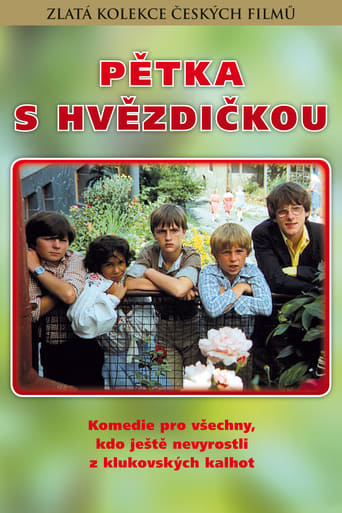 7.0
7.0A funny movie about life and adventures of the five inseparable friends from little town in south Czech republic.
Inseparable Five
1987
No synopsis available yet.
Stalo sa v našom mestečku
1984
No synopsis available yet.
Sudca vo vlastnej pasci
1988
A lyrical picture of student life. A romantic story of first student love seen through the eyes of an aging writer's memories. In the last years of his life, National Artist Štefan Králík, in addition to his theatrical work, also worked for television. A Trip to Youth takes place in the environment of a current class of high school graduates who have invited a famous writer to a discussion. Shortly before his arrival, however, something happens that contradicts the majority's opinion about morality. And so the planned official discussion suddenly becomes a sincere, open exchange of views, in which the writer becomes one of the actors in the story. A story that happened to him fifty years ago.
Výlet do mladosti
1984
No synopsis available yet.
Prípad poručíka Seeborna
1989
No synopsis available yet.
Muž, ktorý skorumpoval Hadleyburg
1989
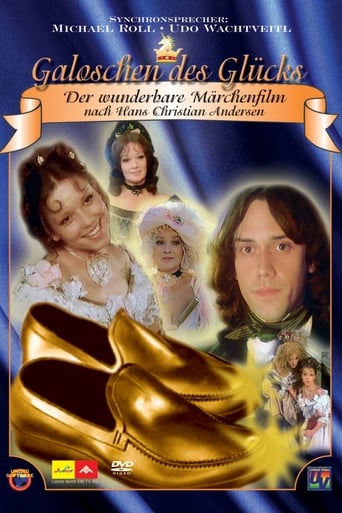 7.7
7.7The Slippers of Happiness is another film made by the Slovak Film Production in co-production with West German companies based on classic world fairy tales. After Slovak folk tales [The Greatest Peck in the World, Salt Over Gold] and the works of German fairy tale writers Wilhelm Hauff [The False Prince] and the Brothers Grimm [The Land of the Thrush's Beard, Perinbaba], screenwriter Alex Koenigsmark and director Juraj Herz were inspired by the famous fairy tale by Hans Christian Andersen. It tells the story of slippers that the Fairy of Fortune enchanted so that they would fulfill every human wish and thus bring people happiness. The filmmakers humorously transferred the plot from Copenhagen to old Prague.
The Galoshes of Happiness
1987
No synopsis available yet.
Človek nikdy nevie
1980
No synopsis available yet.
Vojvodkyňa z Amalfi
1980
No synopsis available yet.
Škola žien
1981
Sir John Falstaff, a bon vivant and womanizer, courts Mrs. Ford one day and Mrs. Page the next. They are cheerful but respectable ladies, so they devise a plan to punish the old rogue and teach him a lesson about his immoral advances and womanizing.
Veselé panie z Windsoru
1980
No synopsis available yet.
Pánska spoločnosť
1981
No synopsis available yet.
O smelom krajčírikovi
1982
1970s · 22 titles
6.1An historical depiction of the events preceding the political murder of Archduke Franz Ferdinand, would-be emperor of the Austro-Hungarian throne, in Sarajevo on June 28th, 1914.
The Day That Shook the World
1975
 7.0
7.0In Slovakia, they often and gladly honored those soldiers who refused to serve the fascist regime and stood against it. Lieutenant Kukorelli also rejected the tempting career of a pilot, instead helping the resistance fighters and later participating in the Slovak National Uprising.
Život na úteku
1976
No synopsis available yet.
Škriatok
1974
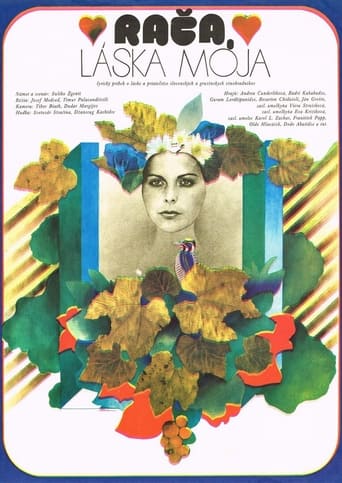 4.2
4.2Visiting Slovakian Racha to get antiquated with Slovakian wine-making techniques, Rachvelian from Georgia, Zauri, falls in love with Slovak Darina. Consequentially, when Darina visits Georgia, Zauri does his best to make her also love him.
Racha, My Love
1977
No synopsis available yet.
Dni Turbinovcov
1976
No synopsis available yet.
Vietor v starých stromoch
1978
No synopsis available yet.
Šuster, drž sa kopyta!
1974
 7.4
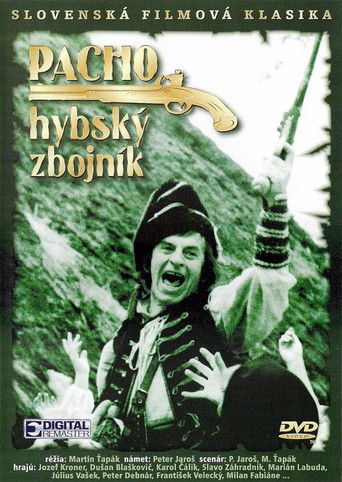
7.4A funny outlaw tale inspired by traditional folk humour. Pacho is no ordinary outlaw. He detests injustice and feudal oppression and he copes with each troublesome situation with the help of his cleverness and wit.
Pacho, the Brigand of Hybe
1976
 8.0
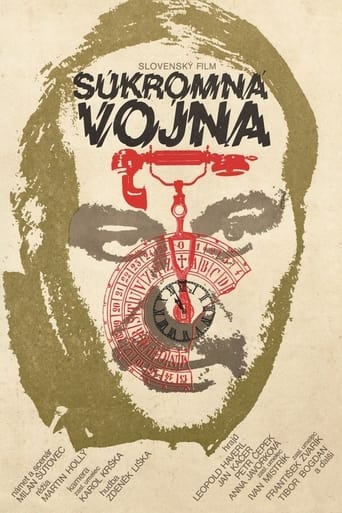
8.0Slovak psychological drama from the end of World War II. The plot of the film takes place in a short period of time just before the outbreak of the uprising. It is the story of a man who wages his "private" war against the man who is responsible for the serious injury of his brother. The upcoming Slovak National Uprising becomes the backdrop for a model-built story that touches on stubborn personal revenge in a situation of war conflict, when human life loses all value. The actions of the main character thus sound like increasingly absurd actions, his motives and the impact of his actions are relativized, the very legitimacy of such a belief appears shaky.
Súkromná vojna
1978
 9.0
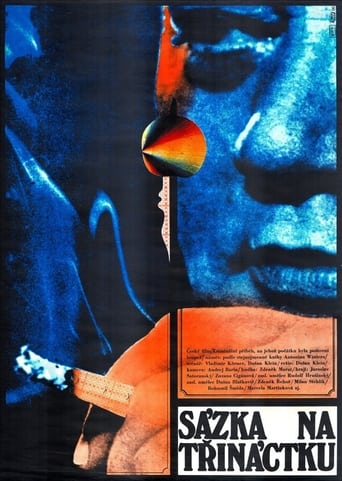
9.0A mail truck is robbed near the small town of Kostelec, during which the perpetrators steal CZK 2.5 million. The local police fail to solve the case. After some time, a young and capable lieutenant Charvát arrives from the Prague CID. While he is getting acquainted with the circumstances of the case and the evidence found, he makes friends with the handsome Květa, the daughter of the hostel manager Weisse. The complicated relationship that develops between the two lovers is in no way comparable to the complexity of the criminal case that brought Charvat to Kostelec. Things get even more complicated when someone murders Malásek, a local brawler and drunkard, with a shotgun. He is actually Květa's husband. And his death, according to Charvat, is connected to the mail robbery...
Sázka na třináctku
1978
A television production of a Renaissance comedy by N. Machiavelli. A sharp criticism of society, a sharp satire on the wickedness of the clergy and human stupidity that causes the breakdown of marriage. The old lawyer Calfacci, husband of the young and beautiful Lucrezia, is unable to father a child. Callimaco, in love with Lucrezia, convinces him to give his wife a decoction of mandrake. At the same time, he warns him that anyone who comes into physical contact with Lucrezia for the first time will die from the effects of the poison. Therefore, the first villain (whom Callimaco himself is) must be caught and sacrificed for a good cause. However, he must convince Lucrezia's mother and the virtuous Lucrezia, and thus bribe the confessor Timoteo. The monk approves this intention with his casuistic interpretation and blesses him.
Mandragora
1979
No synopsis available yet.
2×1
1970
No synopsis available yet.
Štyri kolesá
1978
No synopsis available yet.
Článok na prvú stranku
1978
No synopsis available yet.
O nosatom kuchárovi a nohatom drotárovi
1978
 5.2
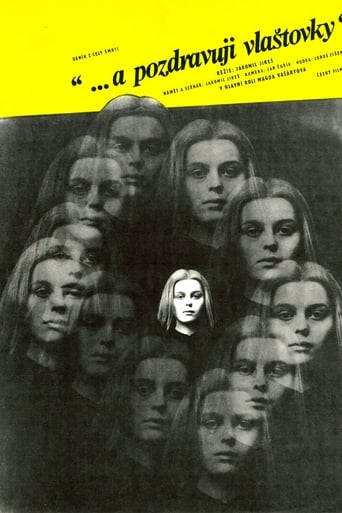
5.2This film, chronicling the last days of Czech resistance fighter Maruska Kuderikova (played by Magda Vasaryova), is based on her diaries. Though she was tortured and eventually executed by the Nazis, her diaries indicate that she was optimistic for the humanity of her captors and did not by any means hate them. Told with simple dignity, this film makes clear why Maruska became a national hero.
And Give My Love to the Swallows
1972
No synopsis available yet.
Básnikova cesta do neba
1971
Slovakian villagers towards the end of WW II are despairing as German troops fall back to their village.
Big Night and Big Day
1975
No synopsis available yet.
Dravý prúd
1977
No synopsis available yet.
Dôsledne ukrývané dokumenty
1979
No synopsis available yet.
Nešťastník
1974
No synopsis available yet.
Bírbal a sprisahanci
1971
1960s · 14 titles
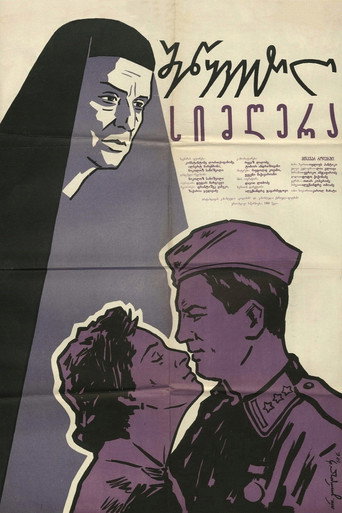 5.1
5.1Young couple separated by World War 2, dream of being reunited years later.
Interrupted Song
1960
No synopsis available yet.
Na pochode sa vždy nespieva...
1961
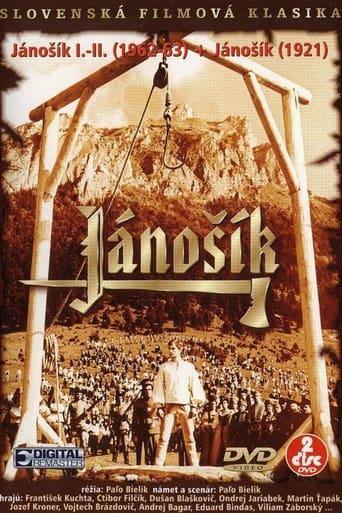 7.8
7.8This film is one of the most popular pictures of Slovak cinema and relates the story about the legendary folk hero and brigand Juro Jánošík [1688-1713] and the social situation in Slovakia of the late 17th and early 18th centuries. The first part talks about Jánošík's childhood, studies and return to his native village. In the second part Jánošík leaves for the hills, where he organizes his band of brigands and starts an anti-feudal resistance. The film concludes with Jánošík's execution.
Jánošík
1963
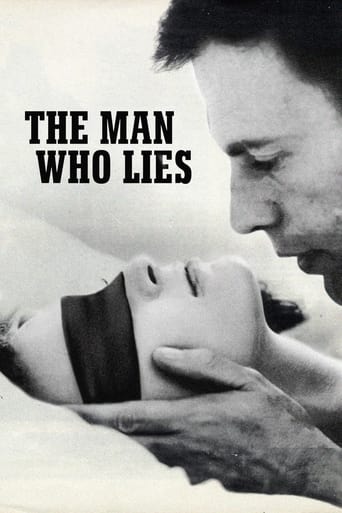 6.6
6.6A man may or may not have betrayed a resistance fighter during World War II. He has supposedly been shot down by the Nazis and wanders into town. Mourning the death of an unseen comrade, he is taken in by the family of the dead rebel. He engages in a superfluous affair and witnesses the lesbian relationship between the man's sister and a female servant. When passions subside, the family has doubts about the reliability of the man's story.
The Man Who Lies
1968
A two-part television film based on the novel of the same name by Rudolf Jašík, depicting a realistic picture of life and interpersonal relationships during World War II in the mixed Slovak-German environment of the town of Pravna and the nearby village of Planice, as well as life and relationships between soldiers on the Eastern Front. From this perspective, the plot follows a unit of Slovak soldiers, their realisation that they are fighting for foreign interests, their dissatisfaction and distrust of everything, especially their officers.
The Dead Don't Sing
1965
 6.7
6.7Maria, an inn keeper, is always a bride but never a wife. She meets newcomer Pierre, who disturbs the peace of the small village and teaches the locals how to enjoy life. E. Havetta's debut was inspired by naïve art, French impressionism, silent slap-stick and Western Slovakian folk traditions.
Celebration in the Botanical Garden
1969
No synopsis available yet.
Česť
1966
No synopsis available yet.
Berona
1967
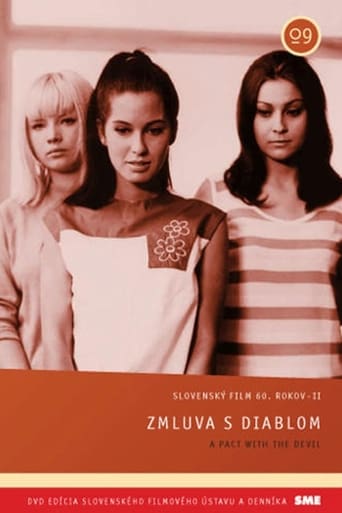 7.2
7.2A comedy about five students who are un-justly suspected of trying to lose their virginity before their graduation. The five girls first try to defend themselves, but when they find out that nobody believes them - neither the school principal nor even their own parents - they decide to accomplish what they have been falsely accused of. And although their clumsy attempts are mostly comic, at one point they almost cause a big tragedy.
A Pact with the Devil
1967
The detective case of Captain Jakubec and his colleague Lieutenant Michalek takes place in a small town where the auditor Burian dies after drinking a health syrup. The doctor concludes that it was a heart attack. However, the exhumation of the corpse confirms the suspicion that Burian was poisoned. The auditor's young wife and her lover are the primary suspects. Other candidates for the role of the perpetrator include the manager of the café Orlovský, who asked Burian to destroy the falsified statements in exchange for a bribe, and the managers of two stores where the shortage was discovered. However, the network of suspects continues to expand...
Murderer from Beyond the Grave
1967
No synopsis available yet.
Pomsta starej dámy alebo Na každého raz dôjde
1968
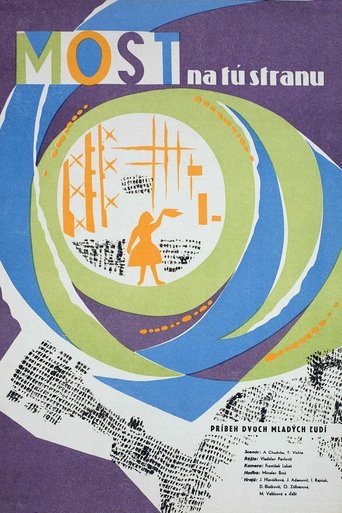 9.0
9.0When the young heroine joins a large factory, she has difficulty adapting to the local environment and experiences a series of conflicts before finally joining the work team. This is an exemplary illustration of the thesis that only work truly humanizes a person and helps them find spiritual balance.
Most na tú stranu
1962
No synopsis available yet.
Jeden deň pre starú paniu
1966
No synopsis available yet.
Mária Tudorová
1968
1950s · 2 titles
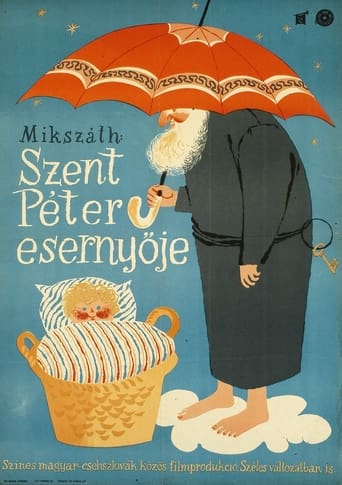 6.3
6.3A comedy about a lost inheritance, love and a red umbrella, which, according to a local legend, belonged to St. Peter himself.
St. Peter's Umbrella
1958
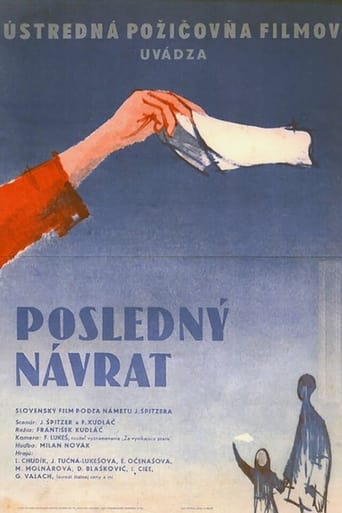 7.0
7.0Peter and Lena had a daughter, Zuzka, soon after their wedding. Lena graduated from drama school and wanted to act, but there were no vacancies in the theater in the city where they lived, and she was forced to join a traveling troupe. Lena was away from home for months. Peter and Zuzka missed her very much. One day, Peter met Eva and fell in love with her. When Lena learned about this, she returned to the city, never to be separated from her family again.
Posledný návrat
1959
Series credits
7.0No synopsis available yet.
Bakaláři
1972
8.6No synopsis available yet.
Dobrodružství kriminalistiky
1989
7.0No synopsis available yet.
Vivat Beňovský!
1975
No synopsis available yet.
Zaprášené histórie Ema Bohúňa
1970
No synopsis available yet.
Sršne v úli
1985
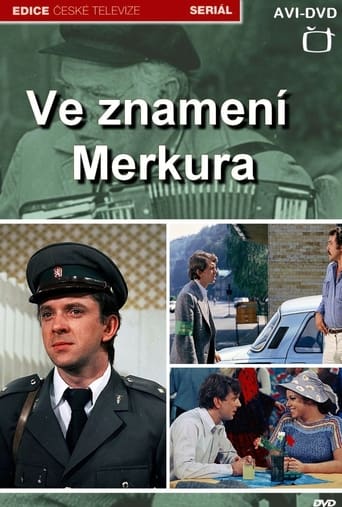 5.2
5.2No synopsis available yet.
Ve znamení Merkura
1979
No synopsis available yet.
A. C. Dupin zasahuje
1970
 7.0
7.0No synopsis available yet.
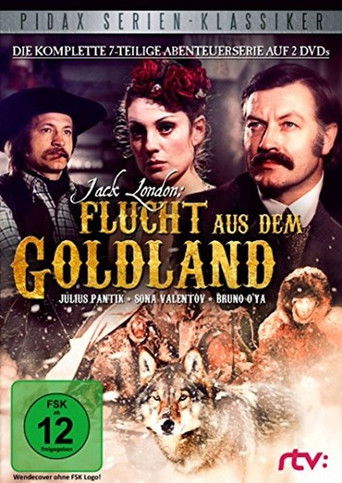
Útek zo zlatej krajiny
1979
No synopsis available yet.
Svadba bez nevesty
1980
This three-part production about the life, work, and times of Slovak literary classic Jozef Gregor Tajovský focuses on Tajovský's childhood. Jozef Gregor Tajovský was born in Tajov in 1874 and died in Bratislava in 1940. A large part of the life of the prose writer and playwright Jozef Gregor Tajovský is connected with his native Tajov, Banská Bystrica, and the surrounding villages of Pohorelá, Lopej, Horná Lehota, and Podlavice. He spent his childhood in Tajov with his grandparents. He speaks of it as the most beautiful period of his life. After completing elementary school in Tajov, he studied at a grammar school in Banská Bystrica and at a teacher training college in Kláštor pod Znievom. He was particularly attached to Tajov, to which he returned throughout his life.
Tá tajovská voda mútna
1987
No synopsis available yet.
Sesternica Beta
1978
No synopsis available yet.
Reťazenie
1984
No synopsis available yet.
Parížski mohykáni
1972
No synopsis available yet.
Hĺbkový rekord
1985
 10.0
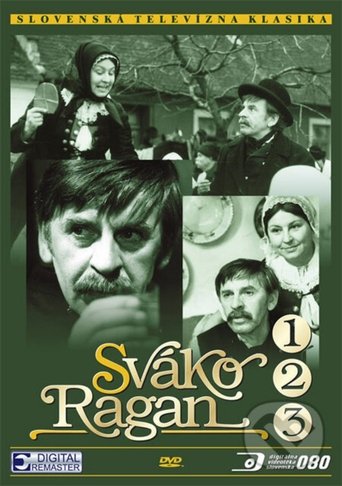
10.0Resourceful tanner Sváko Ragan travels Myjava’s fairs and markets, using wit and dialect to spin both wins and misadventures into profit.
Sváko Ragan
1976
No synopsis available yet.
Muži s plnou mocou
1988
 NR
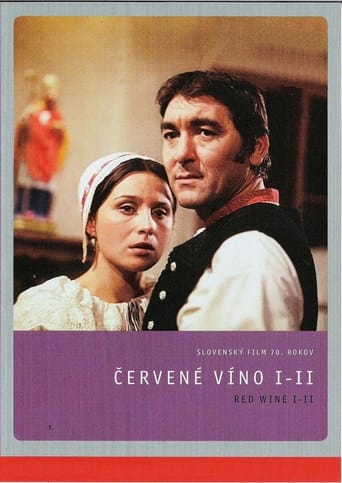
NRAn epic saga of the Habdza family of vineyard keepers set in western Slovakian countryside at the beginning of the 20th century. Director Andrej Lettrich's novel adaptation talks of plotting, forbidden love. family discord, and struggle for heritage and power. The story is engaging thanks to the impressive performances of popular actors, dramatic situations, and sensitive music. Red Wine is not so much inventive in terms of auteurship as it is a work of excellent craftsmanship. The resulting picture is a costume production neatly adapted to the character of Slovak rural life in the past.
Red Wine
1972
No synopsis available yet.
To je váš prípad, Šetaffy.
1986
No synopsis available yet.
V tieni vlkov
1972
No synopsis available yet.
Louis Pasteur
1979
No synopsis available yet.
Drotárskym chodníkom
1983
No synopsis available yet.
Rembrandt van Rijn
1981
No synopsis available yet.
Malý Muk
1985
No synopsis available yet.
Mŕtvi nespievajú
1964
No synopsis available yet.
Tu musíš žiť
1985
No synopsis available yet.
Mŕtve duše
1971
No synopsis available yet.
Buddenbrookovci
1975
A two-part TV drama about the life and work of Jozef Murgaš, a world-renowned inventor, talented painter, and Slovak patriot. The first part focuses mainly on his life in Slovakia and describes Murgaš's student years. He leaves the picturesque surroundings of his native Tajov to attend high school in Banská Bystrica and later, at his mother's request, continues his studies in theology at the Esztergom Seminary. However, his studies did not end with graduation from this faculty. His love of painting was stronger and led him first to a one-year art preparatory course in Budapest and then to the Academy of Fine Arts in Munich. However, he was unable to complete his studies due to brutal intervention by the authorities. The second part depicts Murgaš's life in Wilkes-Barre, Pennsylvania, in the United States. He worked there as a priest in the local church, which he built together with other Slovaks. He also contributed to the establishment of a school for Slovak children in Wilkes-Barre.
Reverend
1989
No synopsis available yet.
Divadlo v dome
1975
No synopsis available yet.
Traja z 9. poschodia
1969
No synopsis available yet.
Nech žije deduško
1978