

Acting
Jorge Donn
Born — Died
1947-02-25 — 1992-11-30
Place of birth
Buenos Aires, Argentina
Known for
Acting
Credits
10 titles
Jorge Donn (25 February 1947 in Ciudad Jardin, Buenos Aires – 30 November 1992 in Lausanne, Switzerland), was an Argentine internationally known ballet dancer. He was best known for his work with Maurice Béjart's Ballet of the 20th Century. He died of AIDS on 30 November 1992 in Lausanne, Switzerland. Source: Article "Jorge Donn" from Wikipedia in English, licensed under CC-BY-SA 3.0.
Known for
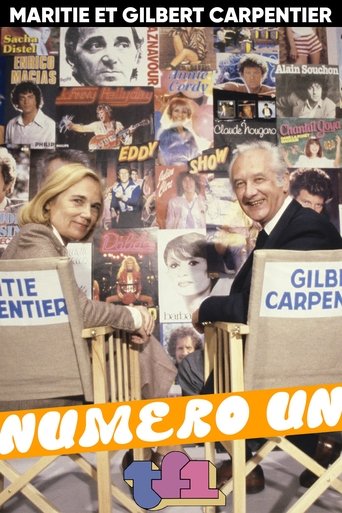 7.5
A French variety show.
Numéro un
1975
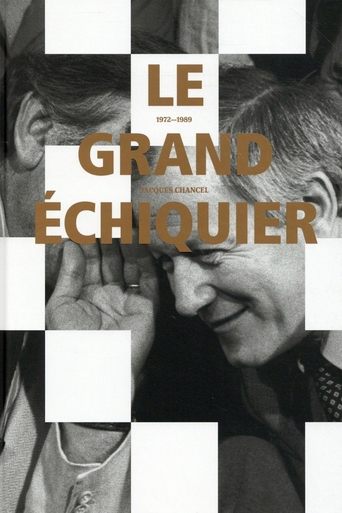 8.0
Le Grand Échiquier is a French variety television program created and presented by Jacques Chancel. It aired at 8:30 pm on the first channel of the ORTF from January 12, 1972 to July 12, 1972, then on the second color channel of the ORTF from September 1972 to December 1974, and finally on Antenne 2 from January 1975 to December 21, 1989. The program returned to France 2 on December 20, 2018 and is hosted by Anne-Sophie Lapix.
Le Grand Échiquier
1972
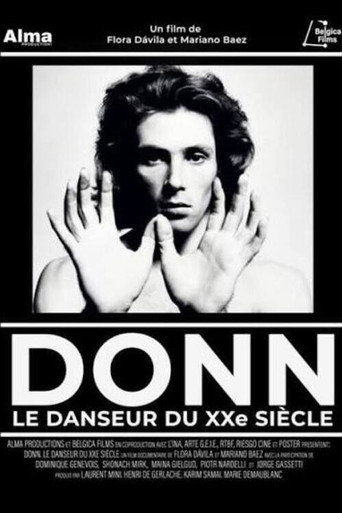 NR
At sixteen, Jorge Donn leaves Argentina for Brussels, where he becomes Maurice Béjart’s muse, lover and star dancer. Drawing on rare archival footage, Florencia Dávila and Mariano Baez bring this legendary performer vividly back to life: a body in perpetual motion, propelled by an almost inexhaustible need to dance.
Donn. Dancer of the 20th century
2026
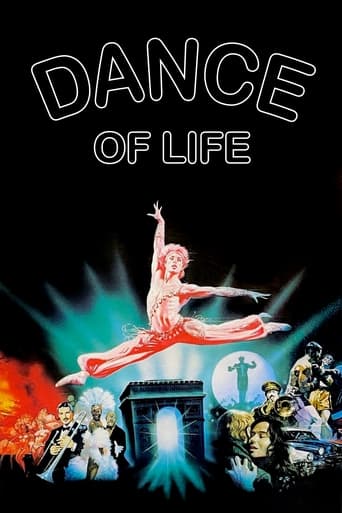 6.9
The film follows four families, with different nationalities (French, German, Russian and American) but with the same passion for music, from the 1930s to the 1960s. The various story lines cross each other time and again in different places and times, with their own theme scores that evolve as time passes. The main event in the film is the Second World War, which throws the stories of the four musical families together and mixes their fates. Although all characters are fictional, many of them are loosely based on historical musical icons (Édith Piaf, Josephine Baker, Herbert von Karajan, Glenn Miller, Rudolf Nureyev, etc.) The Boléro dance sequence at the end brings all the threads together.
Bolero
1981
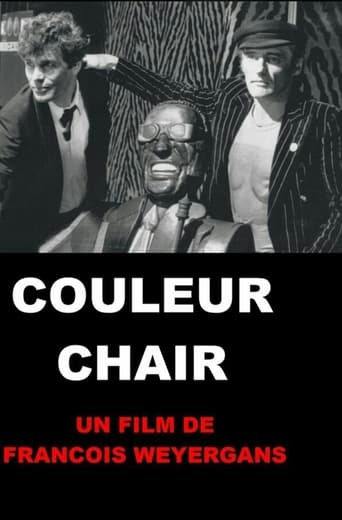 6.0
Anna is a coach and a stripper at night.
Flesh Color
1978
 6.2
How can moon and time affect human mood and fate? In the manner of a Greek tragedy , this movie shows how the chaos of life ineluctably propels its characters towards violence and alienation.
There Were Days... and Moons
1990
Film credits

1980s · 2 titles
6.9The film follows four families, with different nationalities (French, German, Russian and American) but with the same passion for music, from the 1930s to the 1960s. The various story lines cross each other time and again in different places and times, with their own theme scores that evolve as time passes. The main event in the film is the Second World War, which throws the stories of the four musical families together and mixes their fates. Although all characters are fictional, many of them are loosely based on historical musical icons (Édith Piaf, Josephine Baker, Herbert von Karajan, Glenn Miller, Rudolf Nureyev, etc.) The Boléro dance sequence at the end brings all the threads together.
Bolero
1981
 NR
No synopsis available yet.
Maurice Béjart, The Art of The 20th Century ballet
1985
1970s · 2 titles

Undated · 1 titles

Series credits
7.5A French variety show.
Numéro un
1975
8.0Le Grand Échiquier is a French variety television program created and presented by Jacques Chancel. It aired at 8:30 pm on the first channel of the ORTF from January 12, 1972 to July 12, 1972, then on the second color channel of the ORTF from September 1972 to December 1974, and finally on Antenne 2 from January 1975 to December 21, 1989. The program returned to France 2 on December 20, 2018 and is hosted by Anne-Sophie Lapix.
Le Grand Échiquier
1972